
Apple has been tightening control over repairs for years, and Parts and Service History was supposed to be the clean solution. Your iPhone can tell if a part is original, replaced, or unknown, and it shows that information right in the settings.
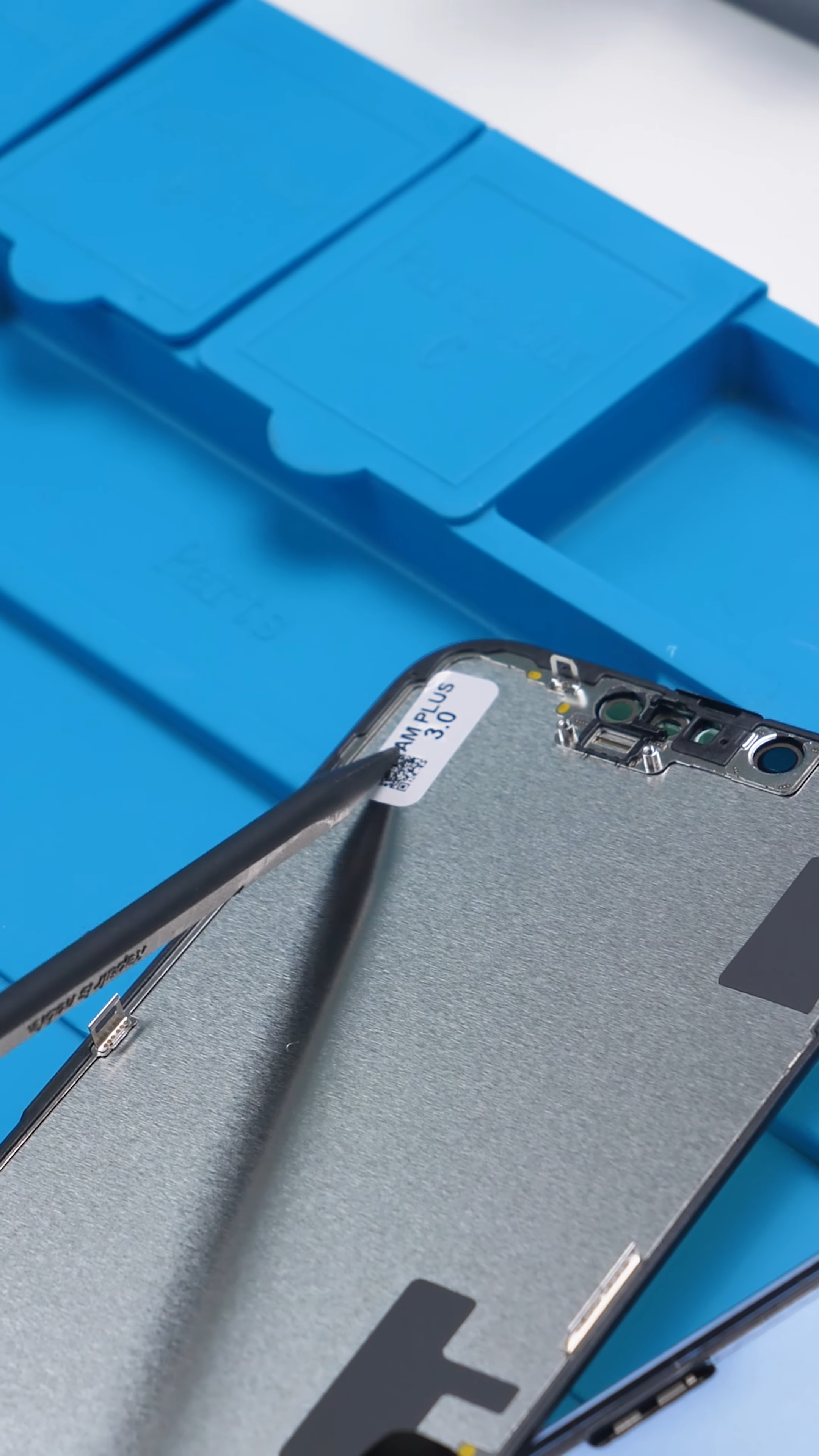
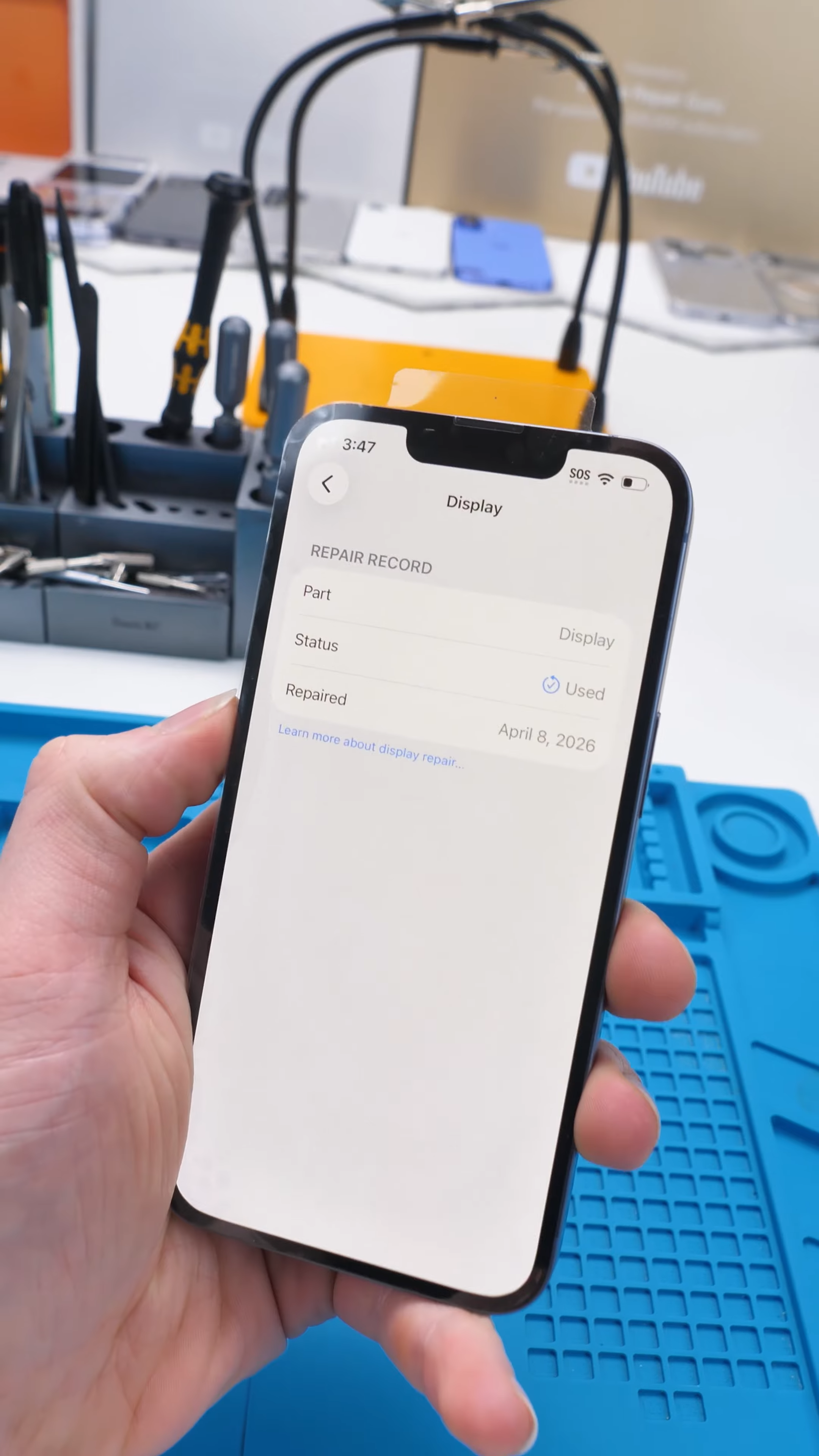
But I just installed an aftermarket display, and the phone still thinks it is a genuine Apple screen. It literally shows up as a used original part.
That should not be possible, but here we are.
The Tiny Chip That Controls Everything
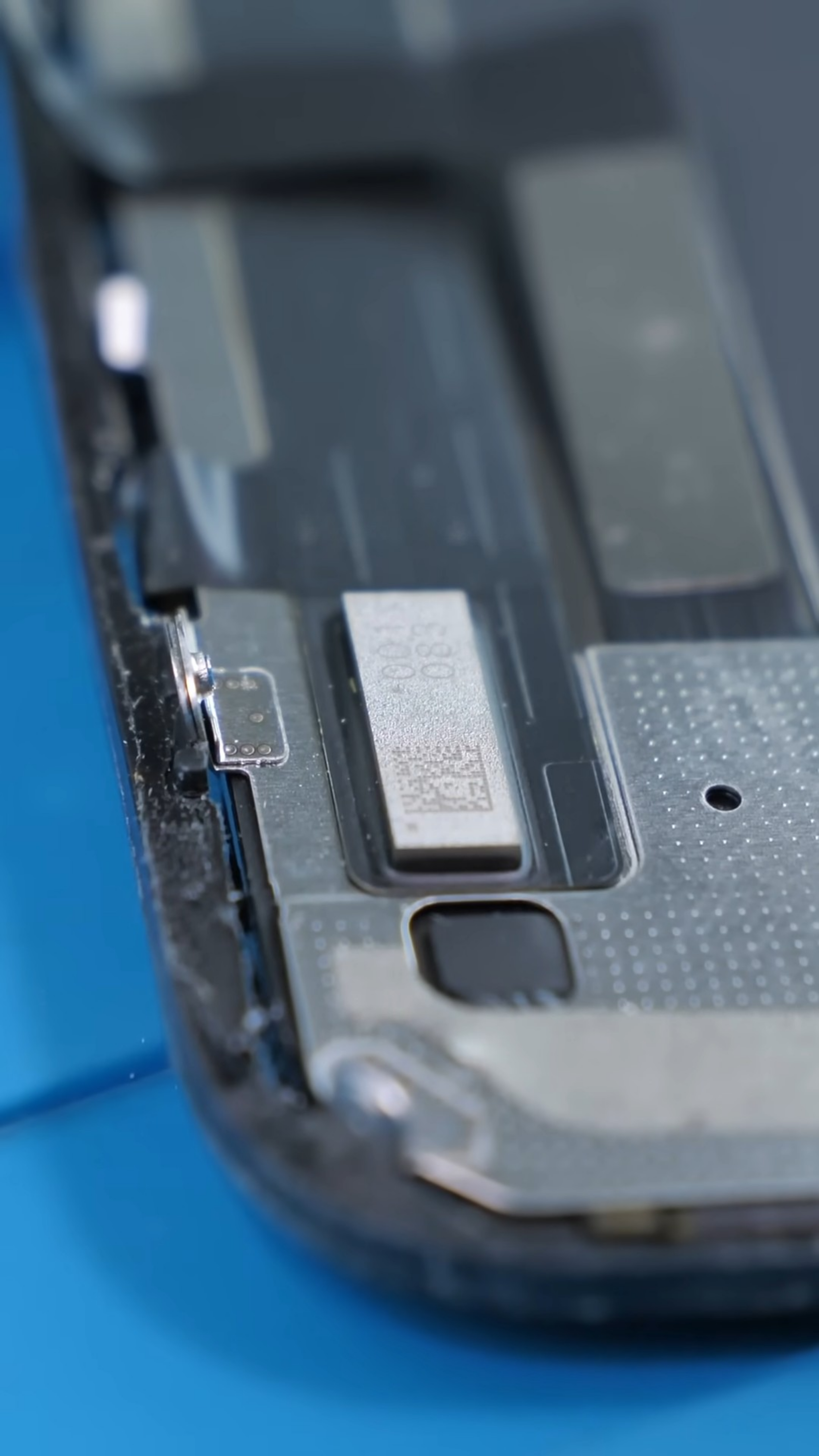
Inside every iPhone display, there is a small chip on the flex cable that communicates with the motherboard. That chip is what tells the phone whether the display is real or not.
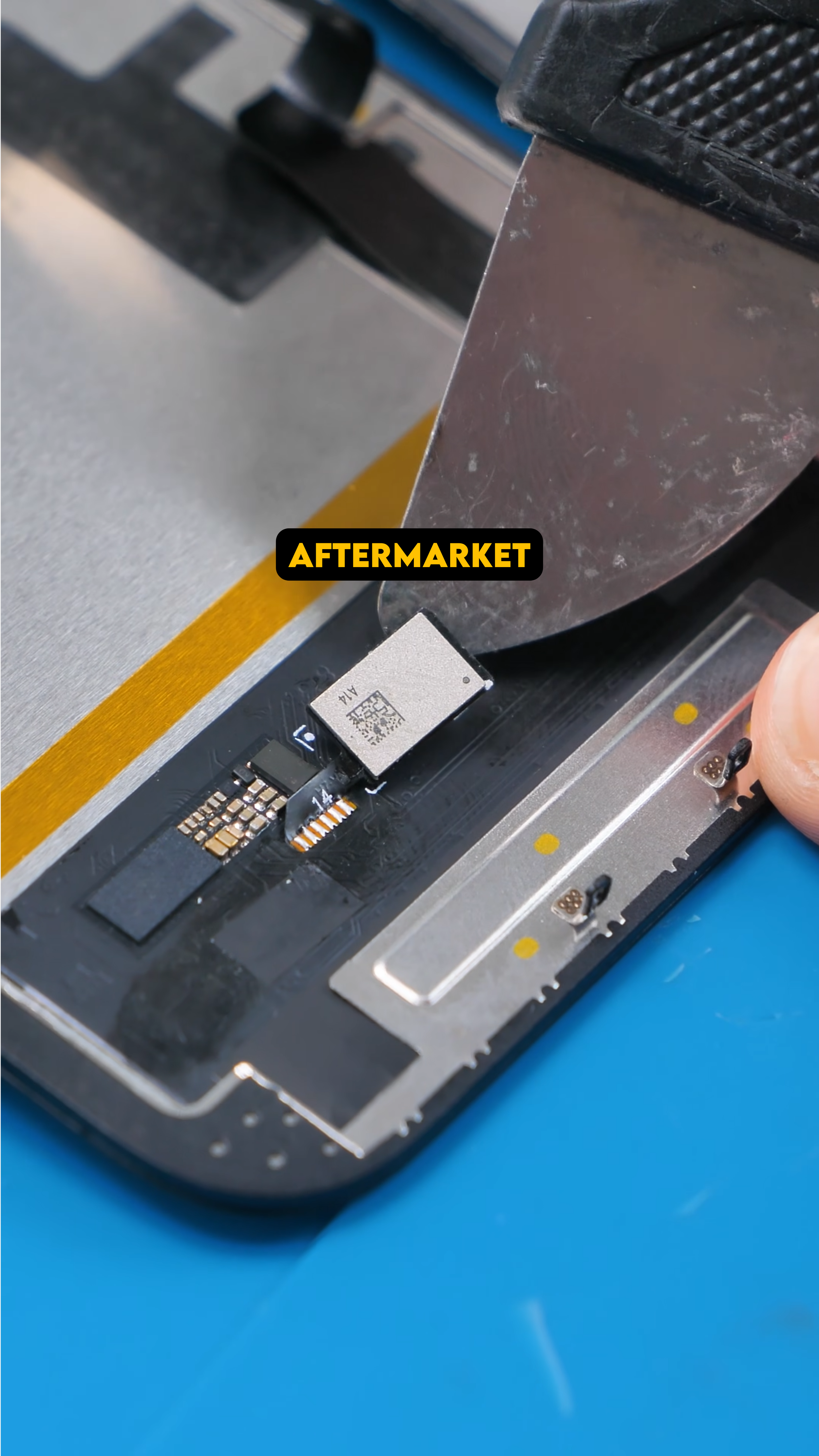
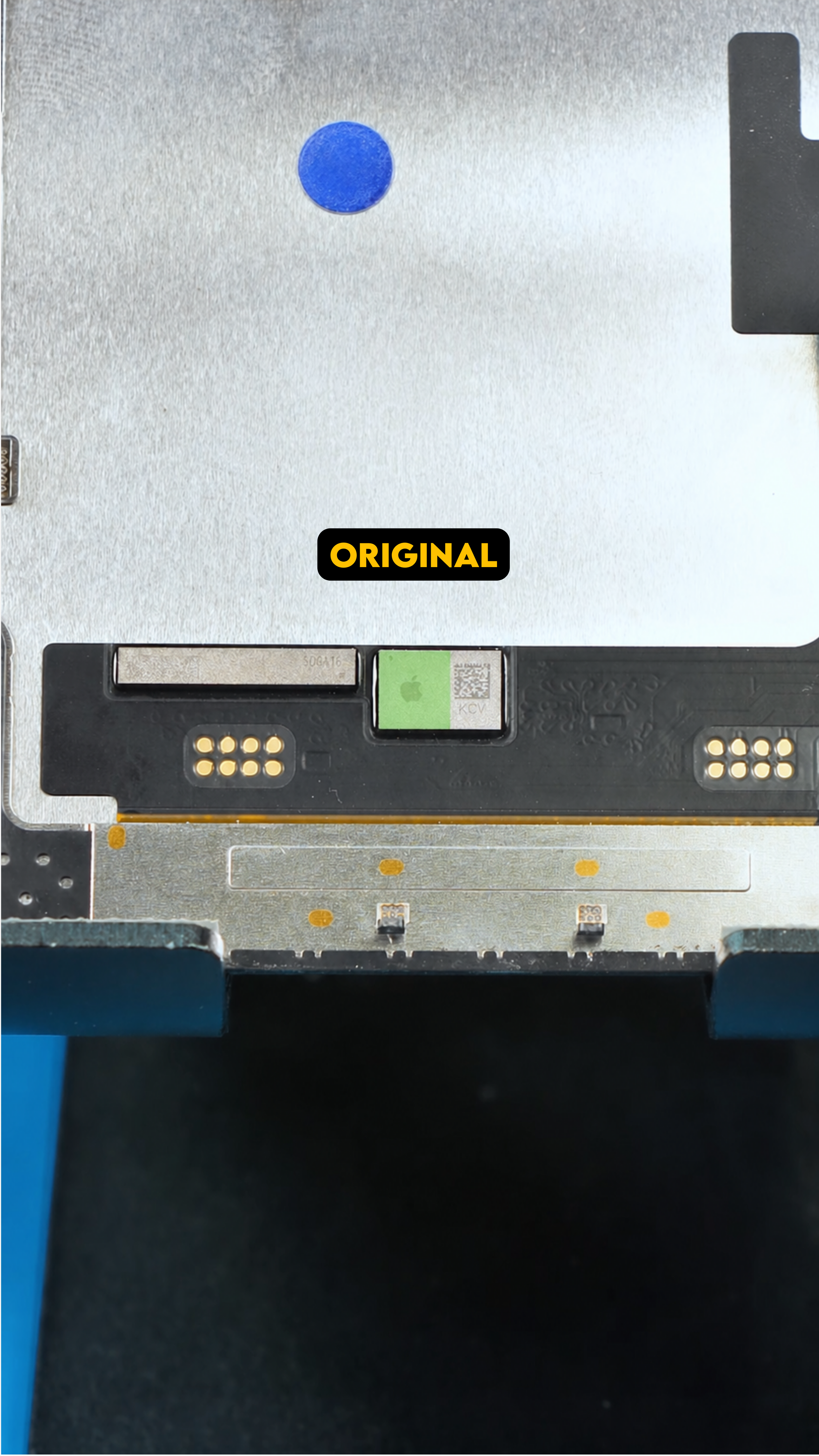
On genuine Apple screens, you can usually spot identifiers like the Apple logo on that chip. Aftermarket ones traditionally do not have that, which is why they get flagged.
Except now, that difference does not matter as much.
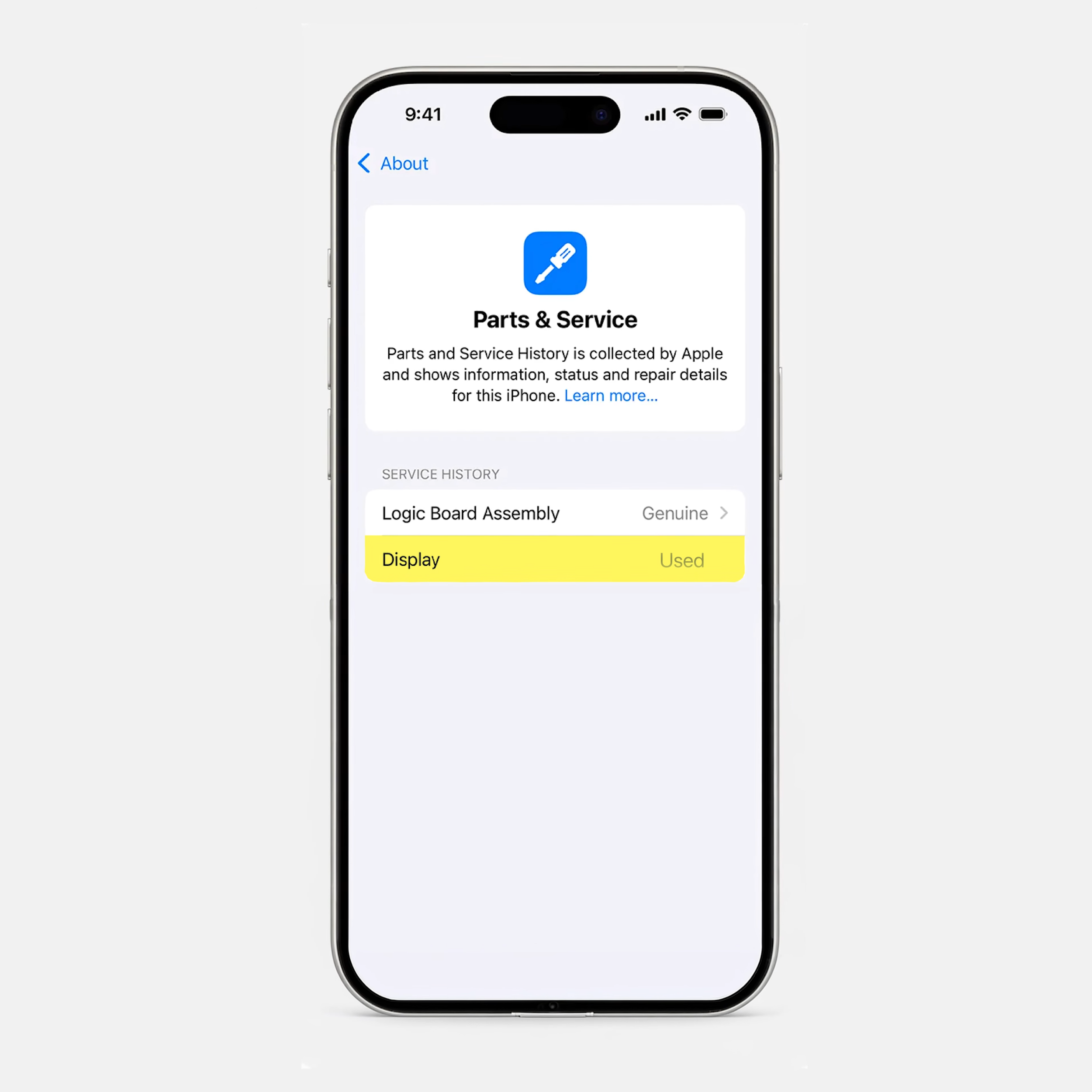
Manufacturers have figured out how to replicate or spoof the data that chip sends. So even though the screen itself is not original, the phone gets fooled into thinking it is.
That is why the system is starting to fall apart.
What We Had To Do Before
Here’s what we actually had to do before just to make this work.
If you wanted to replace a screen and avoid that “important display” message, you could not just swap the display and call it a day. The phone would immediately flag it, so the only real workaround was to take the original chip from the old screen and move it over.
That meant opening the phone, removing the display, and then focusing on one tiny component that controls everything. You would carefully scrape around that chip, apply flux, and heat it up just enough to lift it without damaging it. Once it was off, you had to clean it properly and make sure there was no leftover residue.
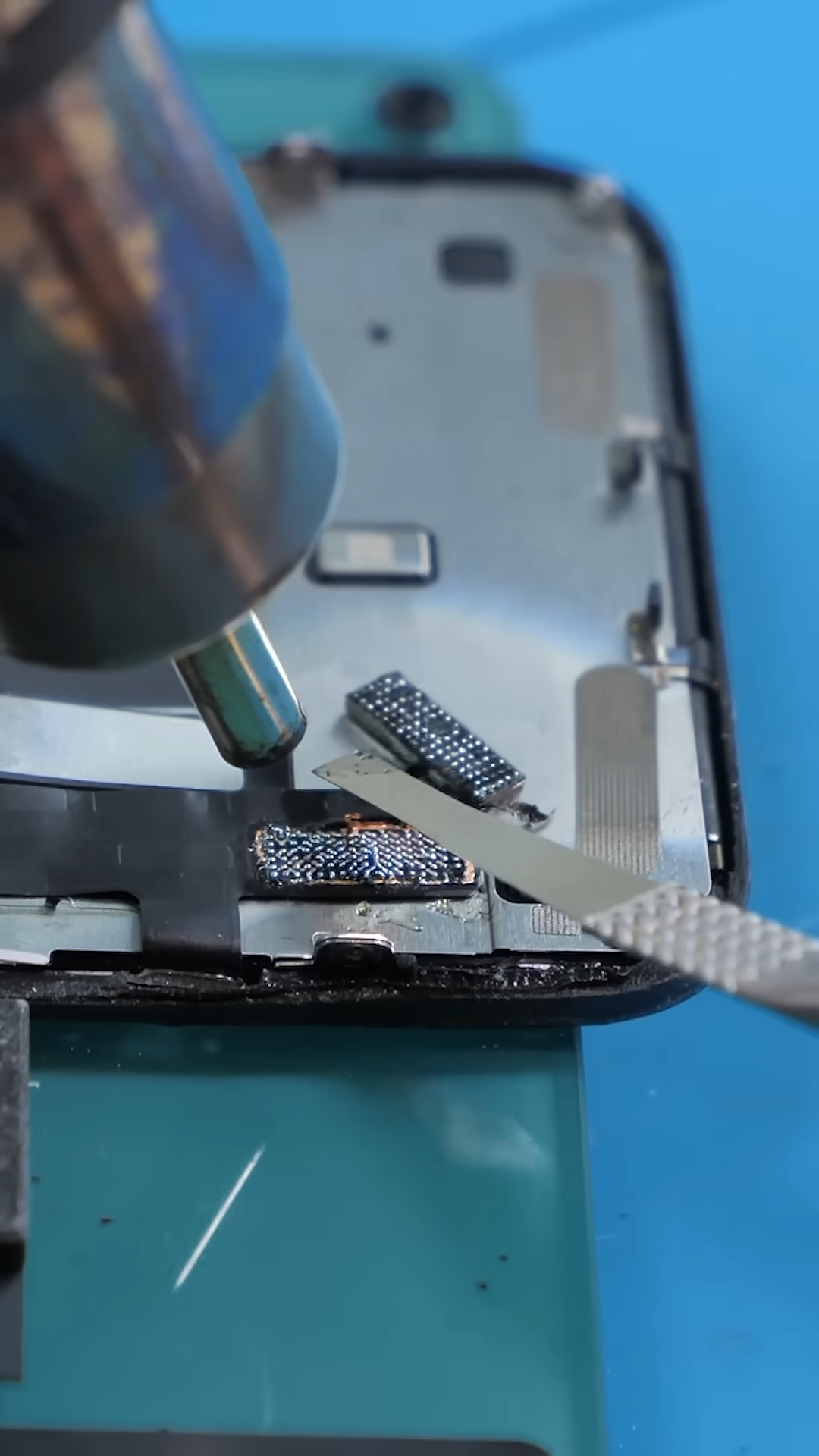
Then came the new screen. The chip on it was basically fake, so you would peel it off and get the original chip ready to go. It was already pre-balled, but you still had to line it up perfectly and apply heat again to secure it in place.
After all that, you reconnect the display and hope it works. If everything went right, the phone would finally accept the screen with no warning message. If not, you were back to square one.
Plug-and-Play Changes Everything
These new displays are being called plug-and-play screens, and they do exactly what the name suggests. You install them like a normal replacement, reconnect everything, close the phone, and that is it.
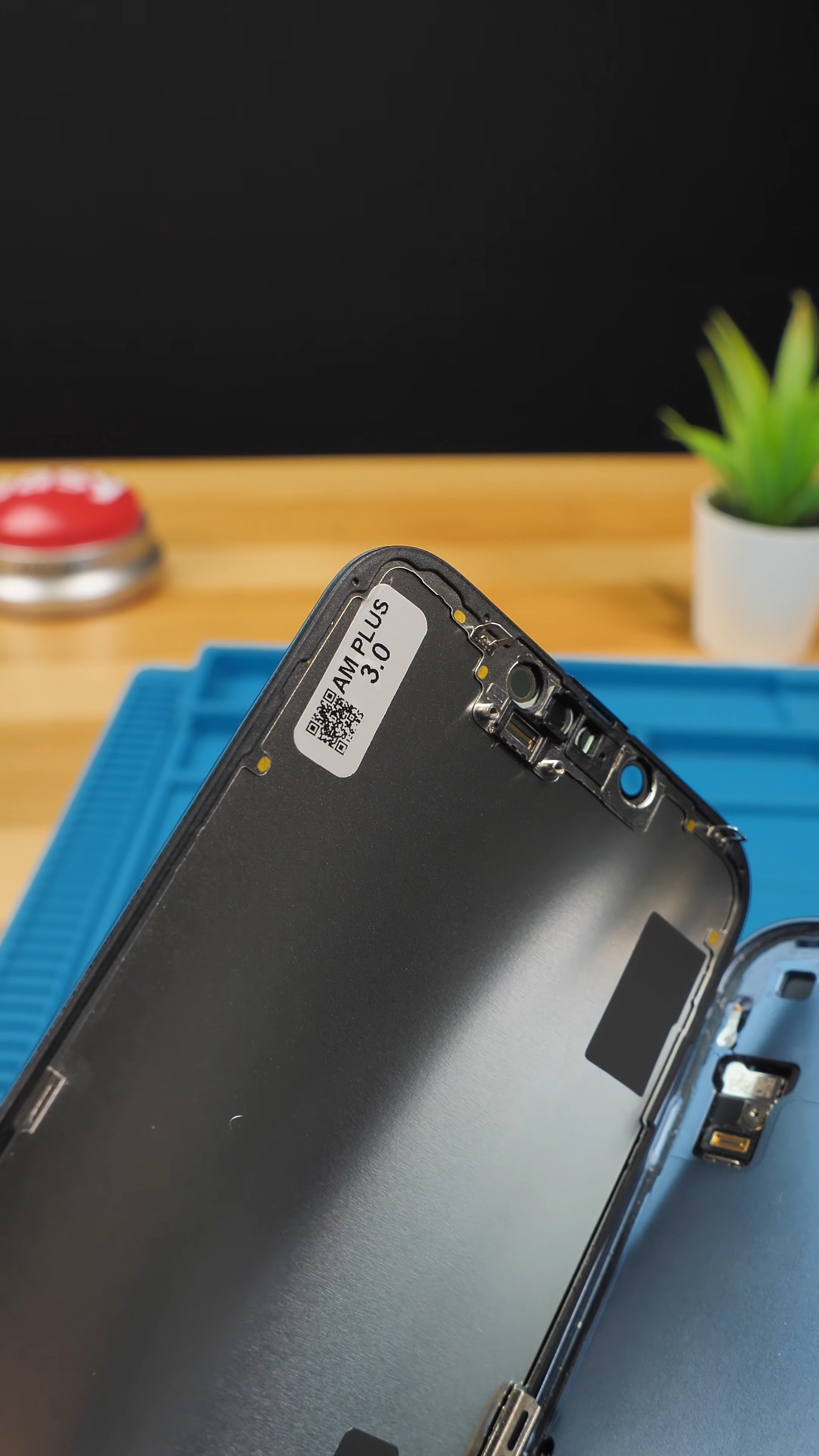
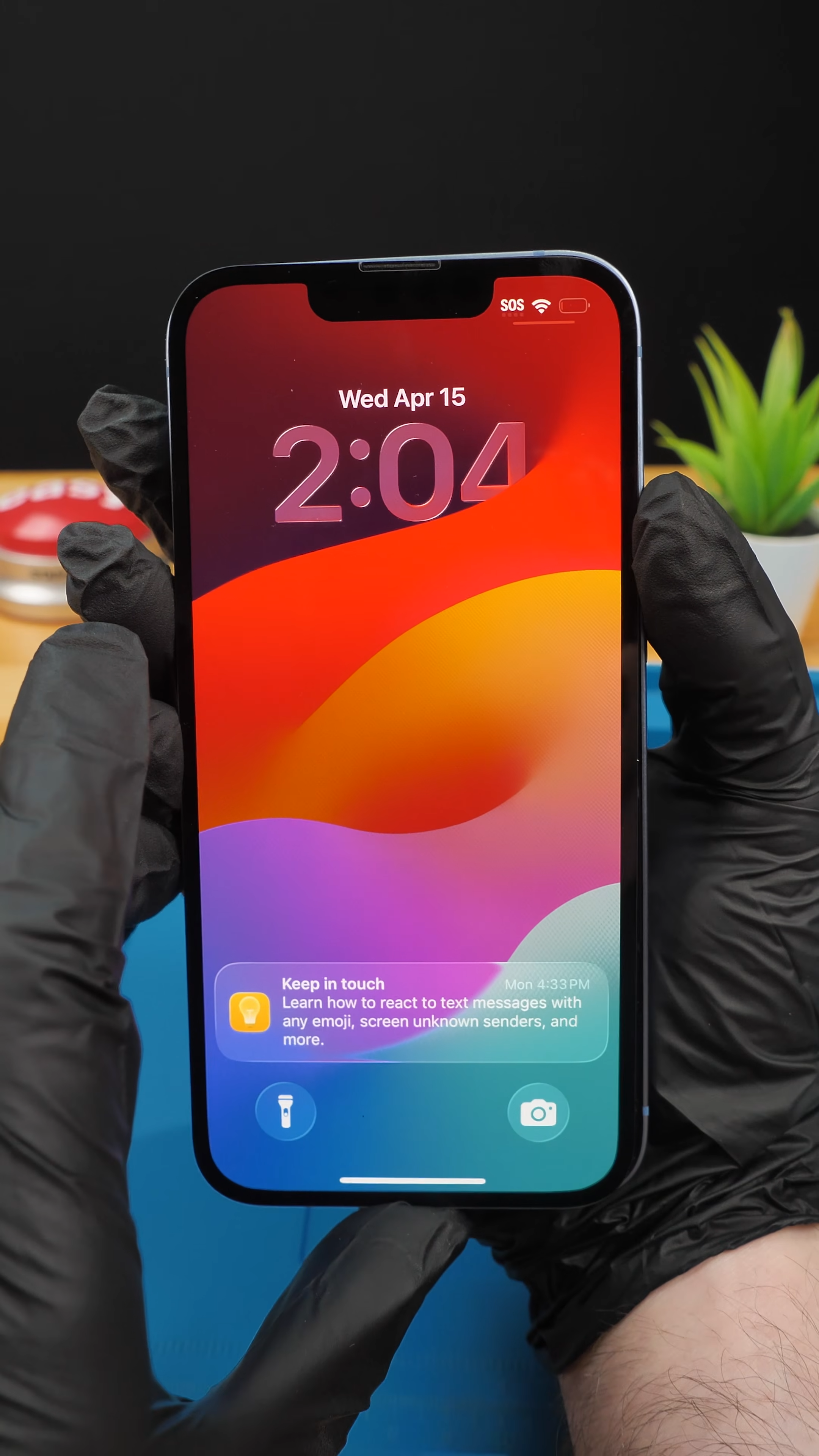
No chip transfer. No microsoldering. No warning message. The phone just accepts it, and from the outside, it looks like you installed a genuine Apple display, even though you did not.
Why This Is a Big Deal
This is not just about making repairs easier. What used to take advanced tools and a steady hand can now be done like a normal screen replacement, which lowers the barrier for repair shops and even people trying to fix their own devices.
It also gets rid of those annoying warning messages that affect resale value and how people trust their phones.
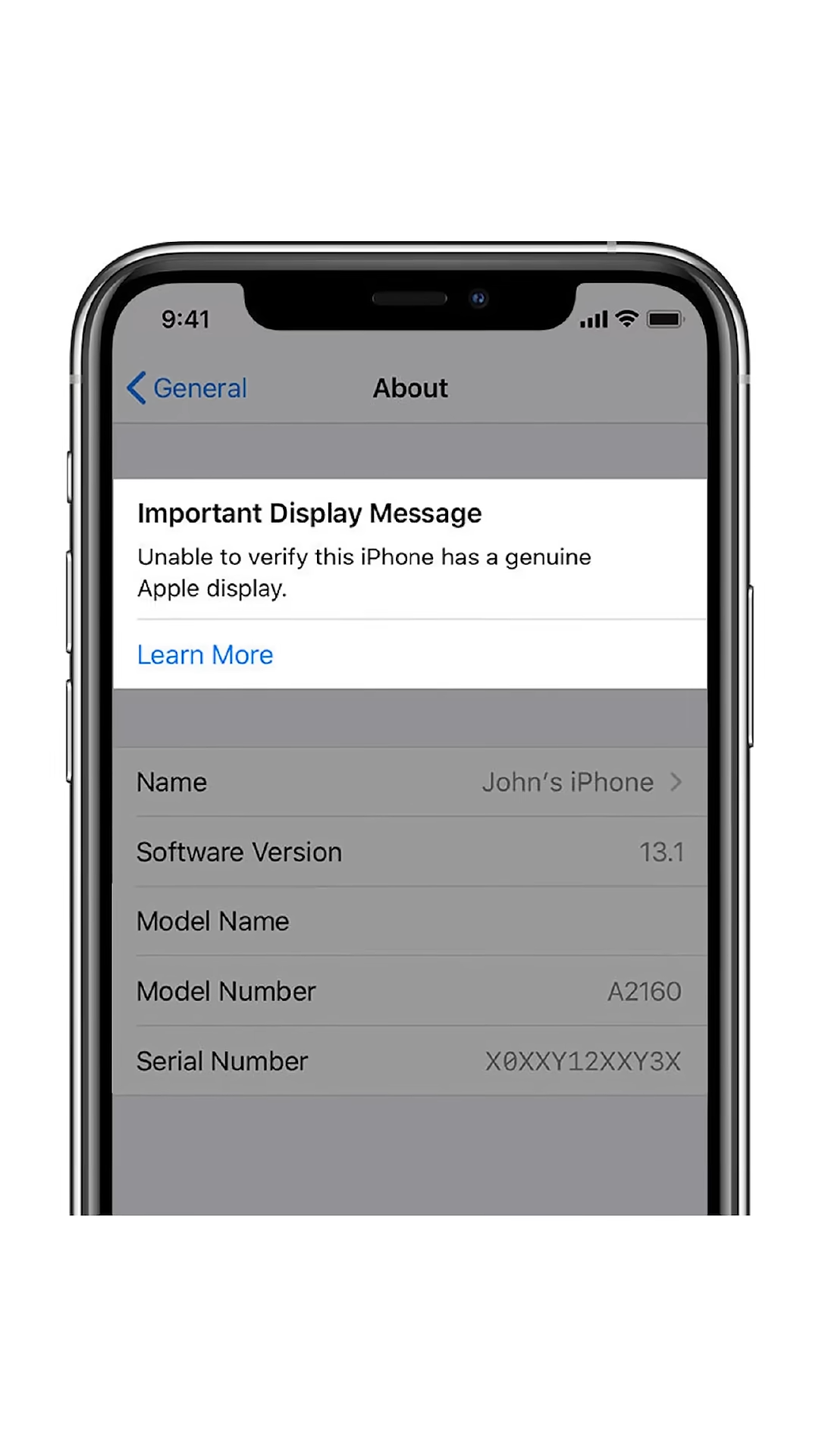
But at the same time, this does not mean Apple is out of the game. They can still change how all of this works with a software update, and not every plug-and-play screen is going to be high quality.
Still, the fact that this works at all says a lot. A system that was supposed to control repairs is now being bypassed without touching the original hardware.
Final Thoughts
Apple built a system to track every part inside your phone, and China found a way to make that system say whatever it wants. Now we have screens that install like any normal replacement, but get treated like they came straight from the factory.
If this keeps evolving, repairs are about to get a lot simpler, whether Apple likes it or not. I guess the phone just decided everything is original and called it a day.
See you in the next article!
