
Amazon Already Failed at Phones… And They Might Do It Again
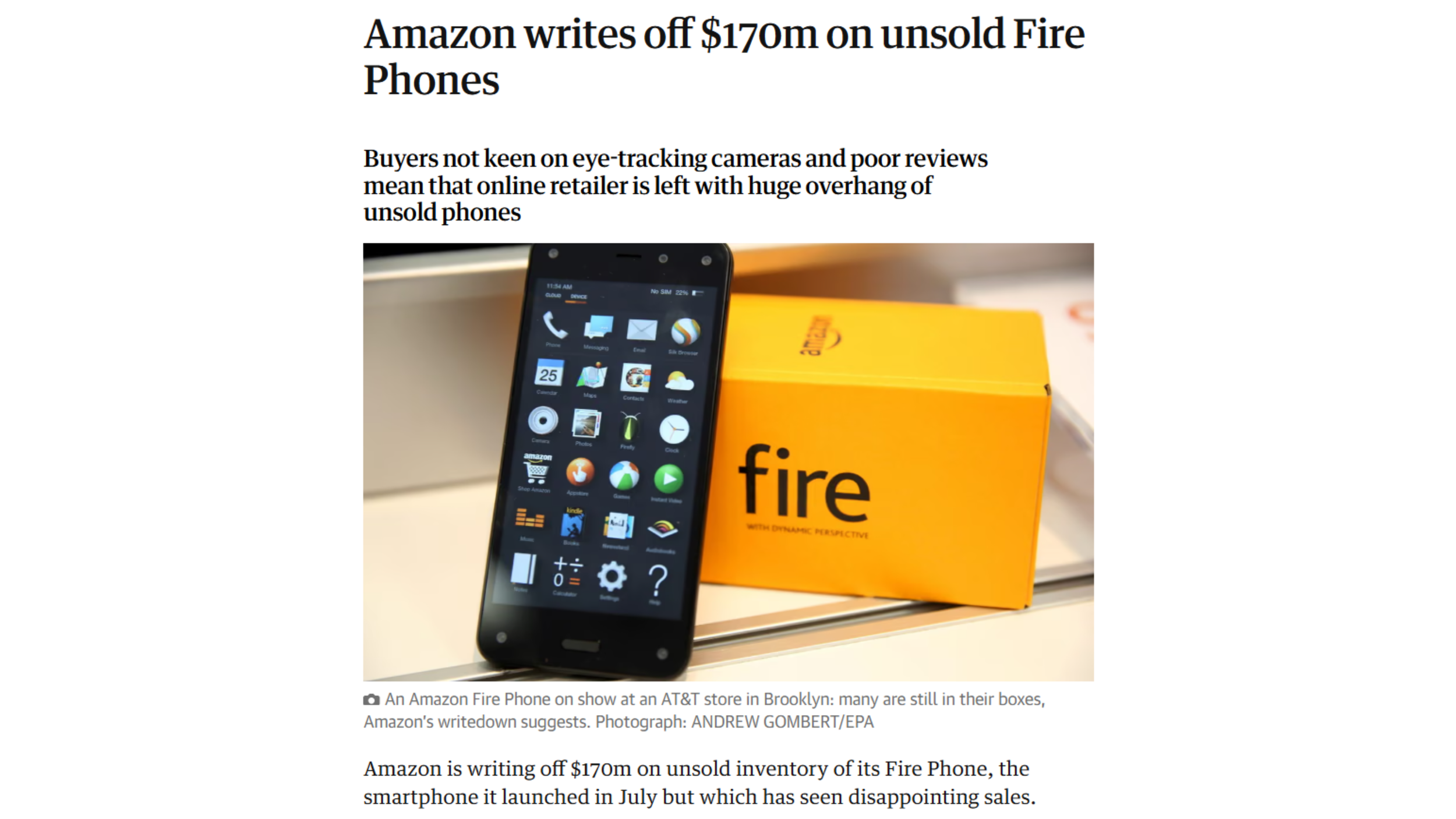
Back in 2014, Amazon decided it was time to enter the smartphone space with the Fire Phone. On paper, it sounded like a bold move. In reality, it turned into one of the company’s biggest hardware failures.
The phone undersold so badly that Amazon reportedly lost around $170 million. That is not just a bad launch. That is a full-on misread of what people actually wanted from a phone at the time.
And the interesting part is not just that it failed. It is why it failed.
Features That Looked Cool… But Didn’t Matter
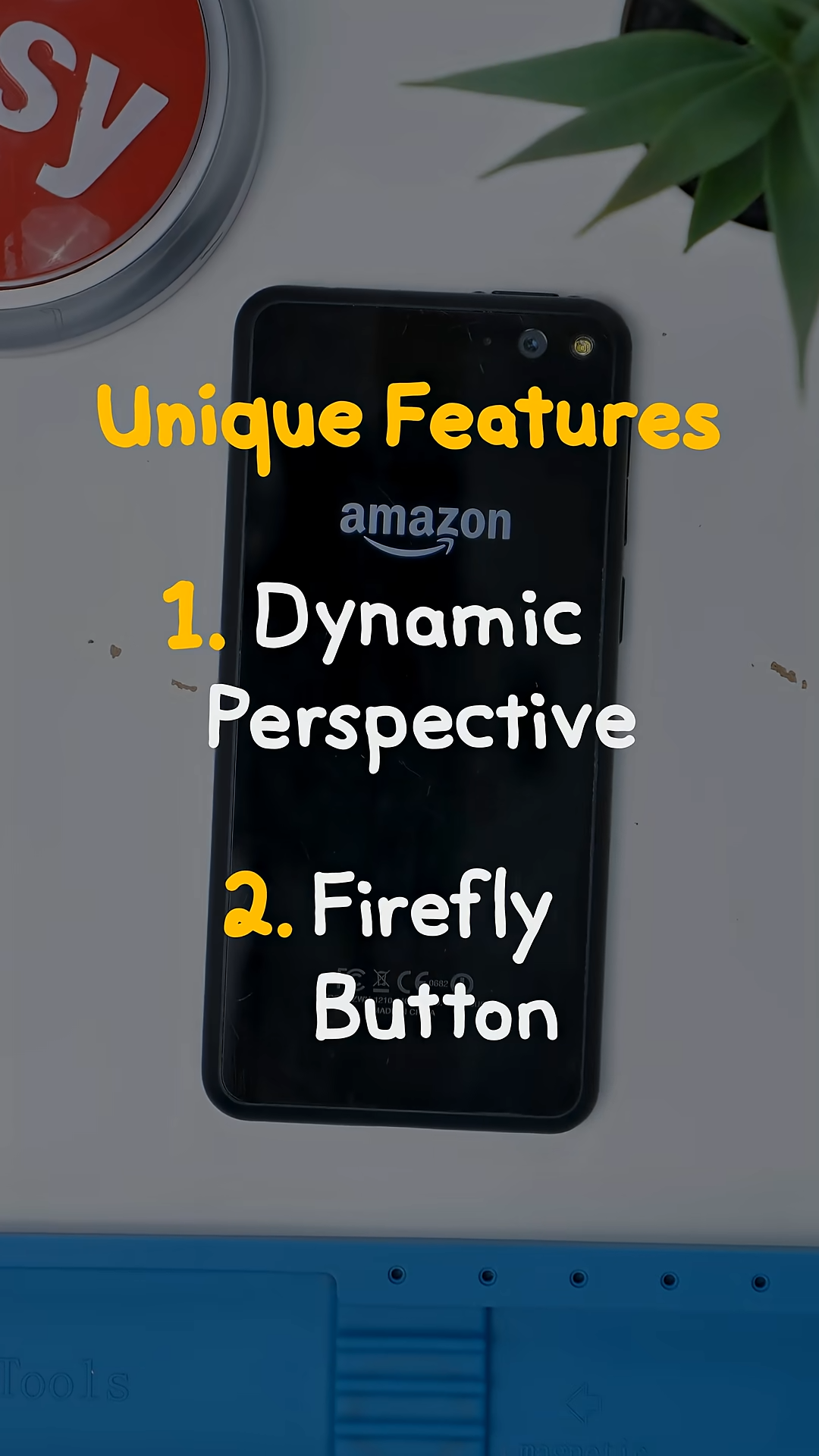
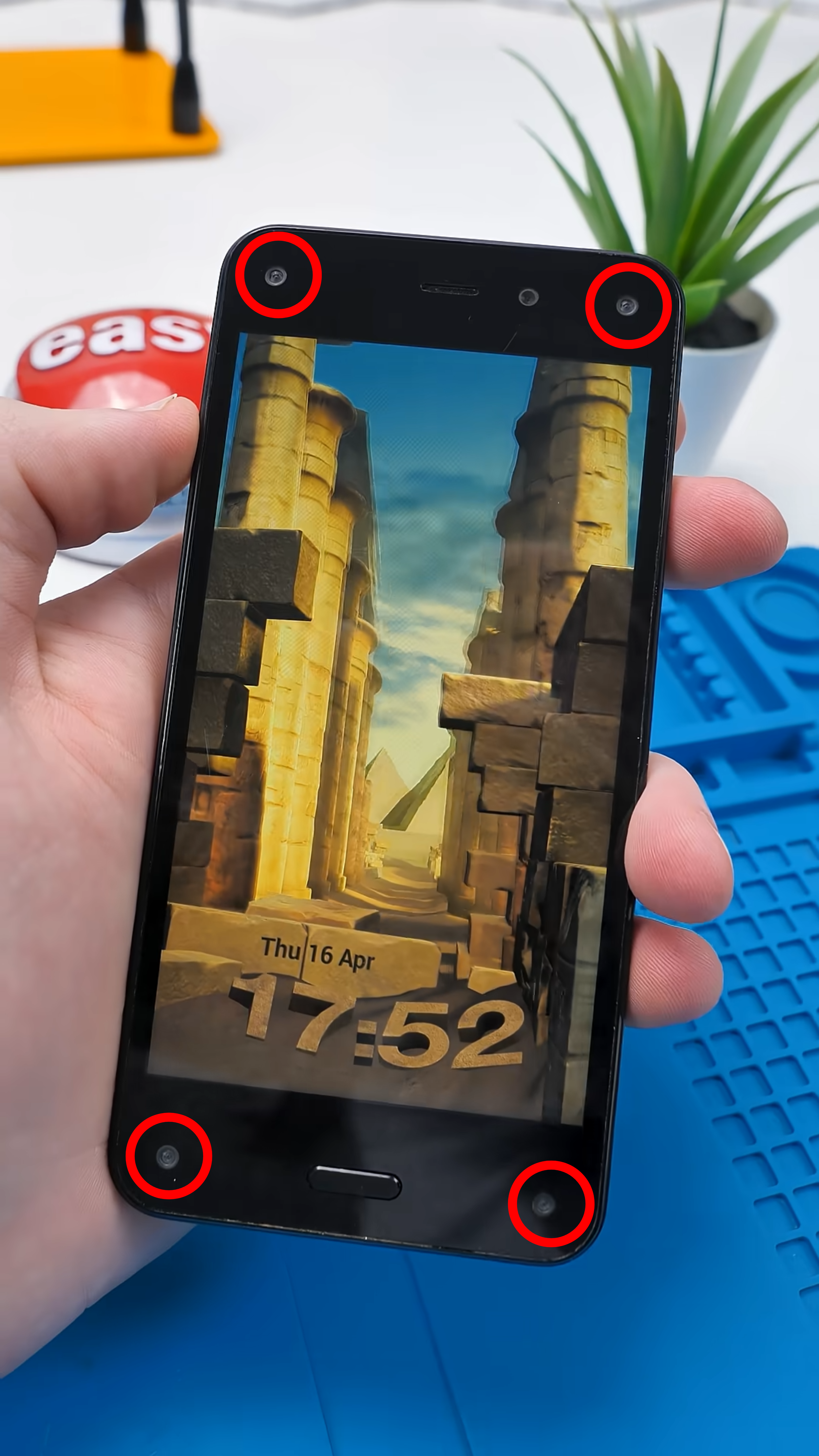
Amazon tried to stand out by adding features that no one else had. The biggest one was something called Dynamic Perspective.
This used four infrared cameras placed around the front of the phone to track your face. As you moved your head, the UI would shift slightly to create a 3D effect. It worked, and it was impressive for about five minutes.
Then you realized it didn’t actually make anything easier, faster, or better.
The second big feature was the Firefly button. Press it, and the phone could scan products, songs, or barcodes and instantly pull them up on Amazon.
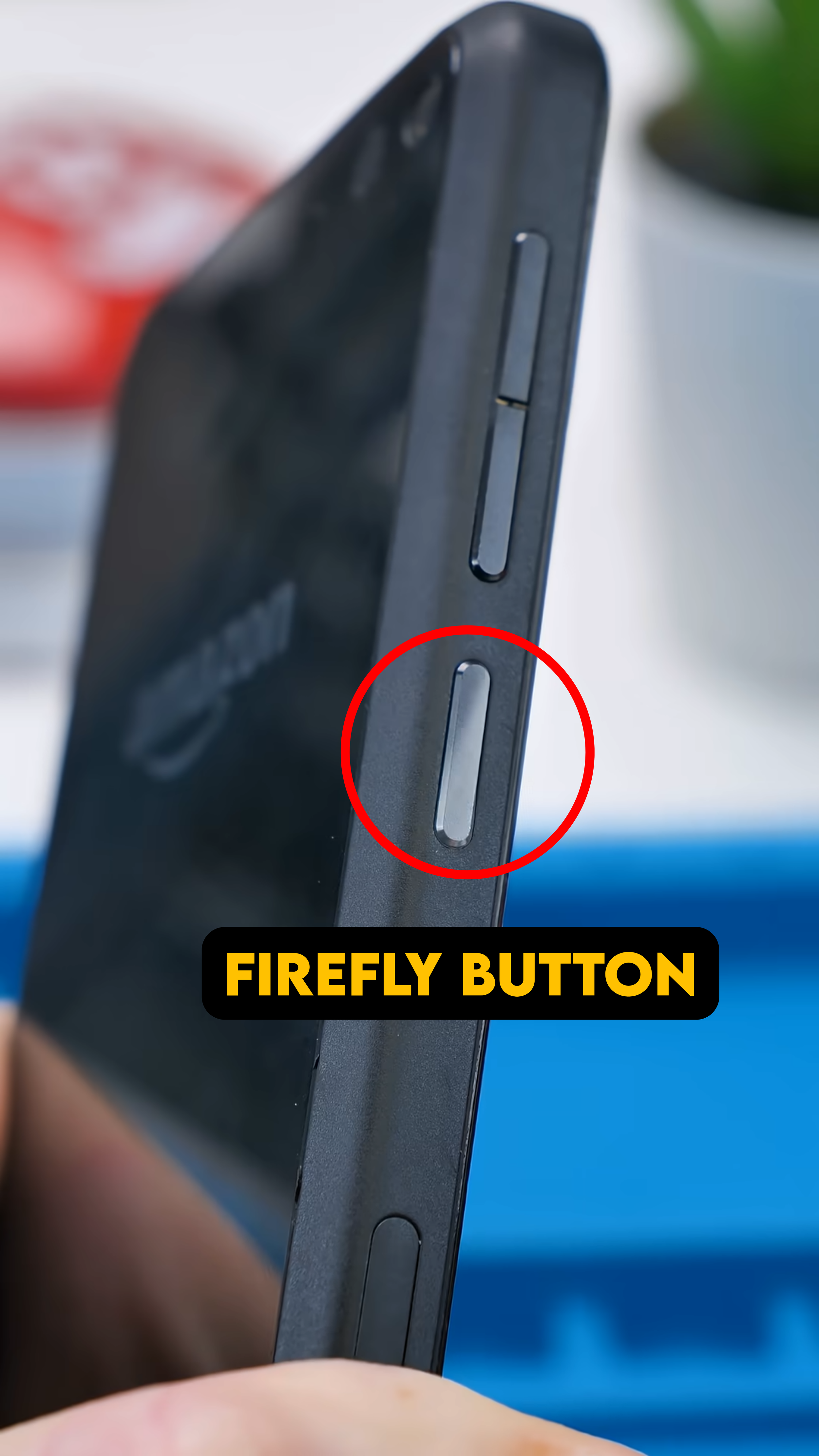
It was basically a shopping shortcut built straight into the hardware.
Again, it worked. But it felt less like a feature for the user and more like a feature for Amazon.
The Real Problem
The issue was never that the tech didn’t function. It was that none of it solved a real problem.
People weren’t asking for a 3D UI that followed their face. They weren’t asking for a dedicated shopping button either. And when those are your headline features, the phone starts to feel like a demo instead of a daily device.
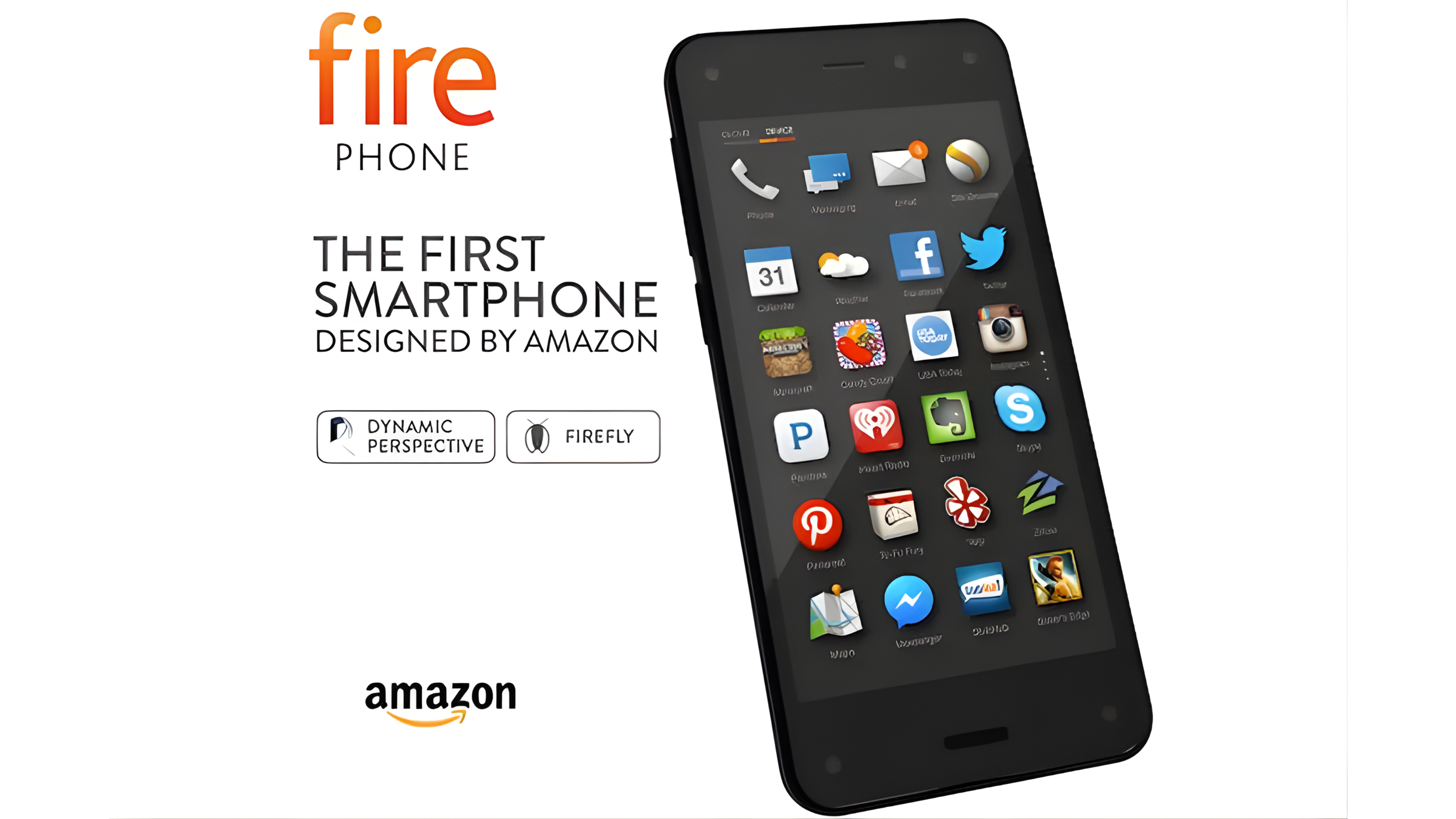
At the same time, everything else about the phone was just average. The display, the ecosystem, the app support. Nothing strong enough to carry it once the novelty wore off.
So once the “wow” factor disappeared, there wasn’t much left.
They Might Be Doing It Again
There are rumors that Amazon is working on another phone. This time, the idea is an AI-focused device, reportedly under a codename “Transformer,” where voice commands replace traditional apps.
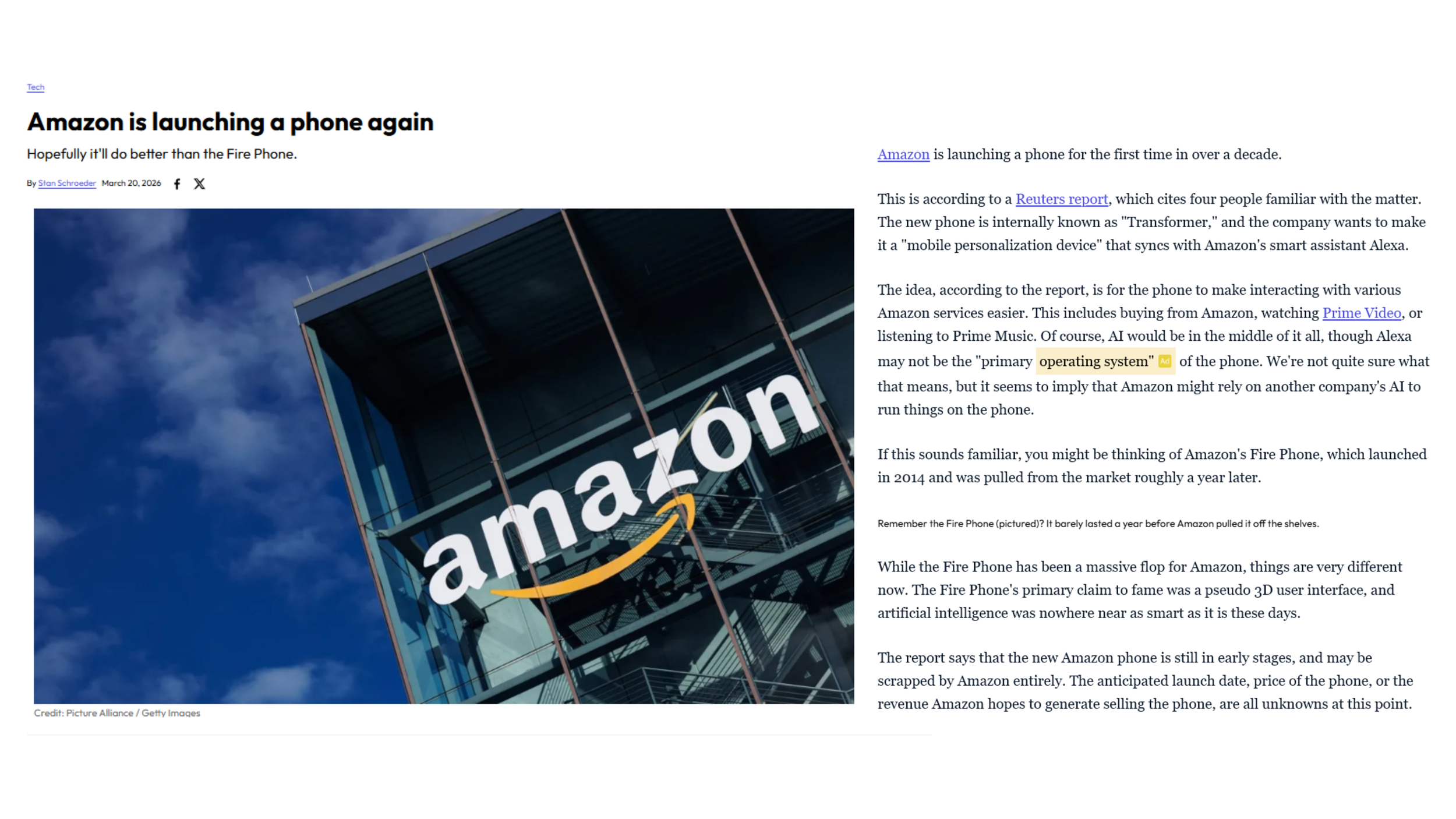
©️ mashable.com
It sounds futuristic, but also very familiar.
Because we have already seen what happens when a company builds a phone around a gimmick instead of real usability.
Final Thoughts
The Fire Phone is a perfect example of what happens when innovation loses direction. Just because something is different does not mean it is useful.
If Amazon is actually working on another phone, the goal should not be to replace apps or reinvent everything overnight. It should be focused on solving real problems people actually have.
Otherwise, this could end up being the same story all over again… just with AI this time.
And if history repeats itself, this might just be another very expensive lesson.
See you in the next article!
