
Samsung Super Steady vs iPhone Action Mode: Which One Actually Looks Better?
When phone brands talk about camera upgrades, they usually focus on zoom, megapixels, or low light. But for a lot of people, stabilization is the thing you notice first. You can have a great camera, but if your footage looks like you filmed it while falling down a staircase, none of the specs really matter.
That is exactly what made this test interesting.
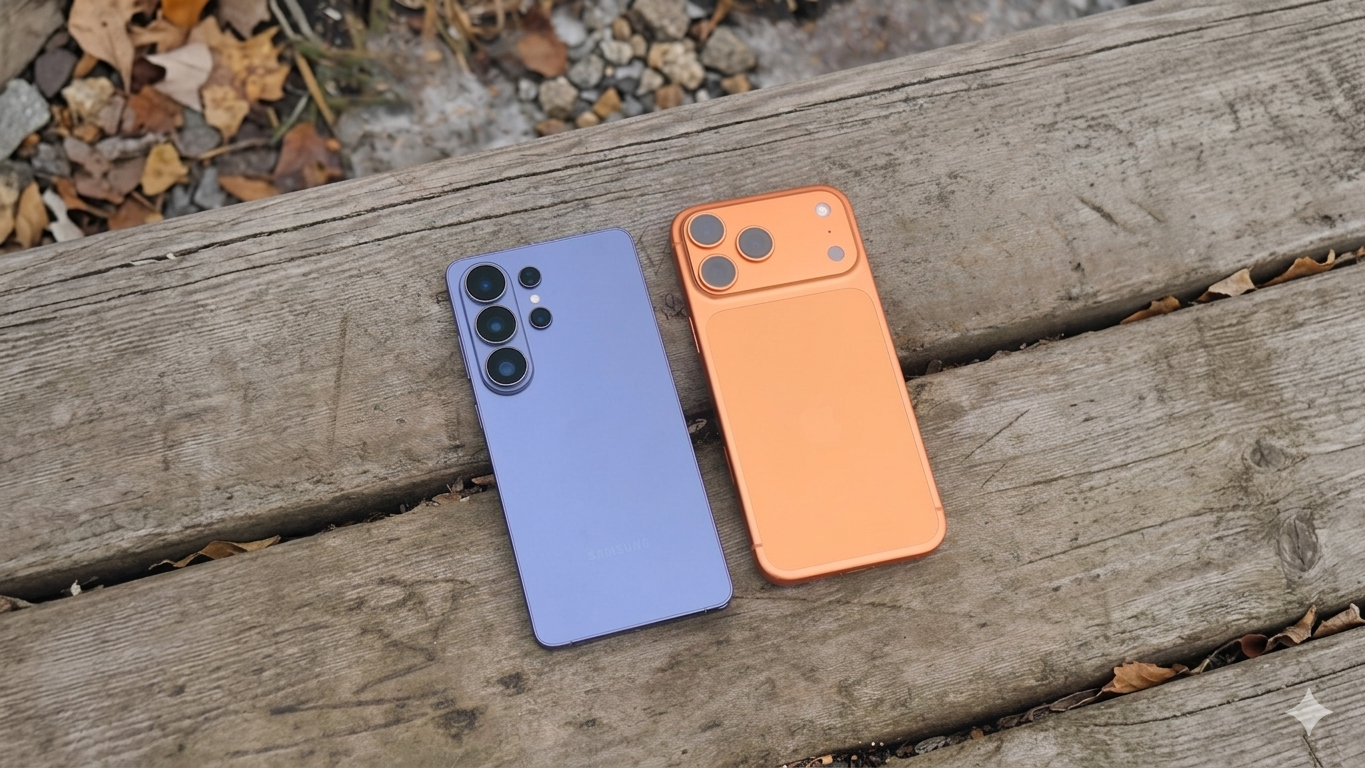
The Galaxy S26 Ultra and the iPhone 17 Pro both have dedicated video stabilization modes built for movement. Apple has Action Mode, which has been one of the easiest ways to get smooth handheld footage on an iPhone.

Samsung, on the other hand, now has something extra on the S26 line: Super Steady with Horizontal Lock, a feature designed to keep your footage level even when the phone tilts while you move.
Samsung says Horizontal Lock is meant to keep video smooth and level while walking or running, and the company built it directly into the Camera app on the Galaxy S26 series.
The Setup
For this test, we kept things simple. Same person, same movement, same route. Just two flagship phones trying to see who handles motion better. So we took both phones out, flipped them into video mode, and started moving.
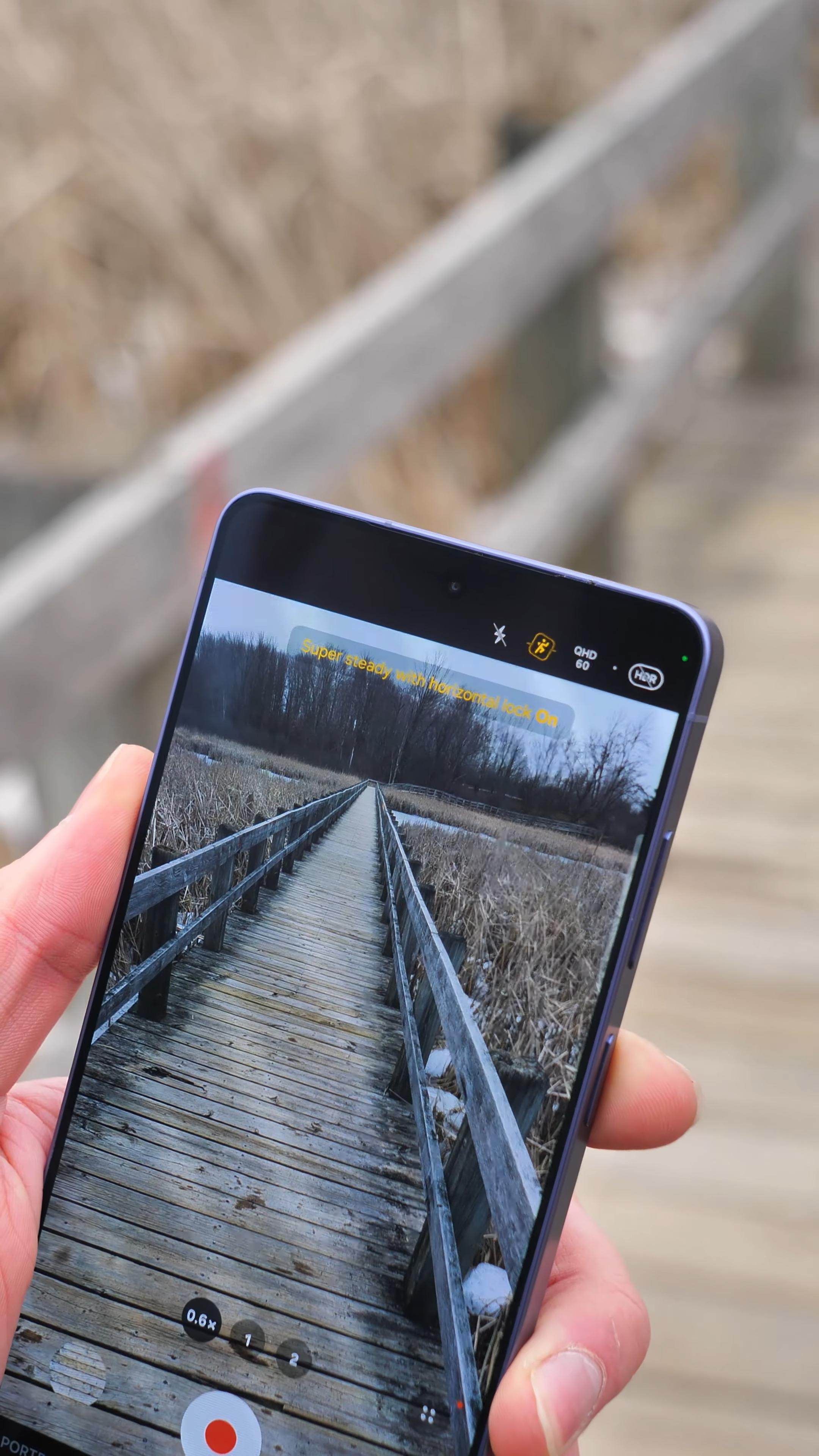
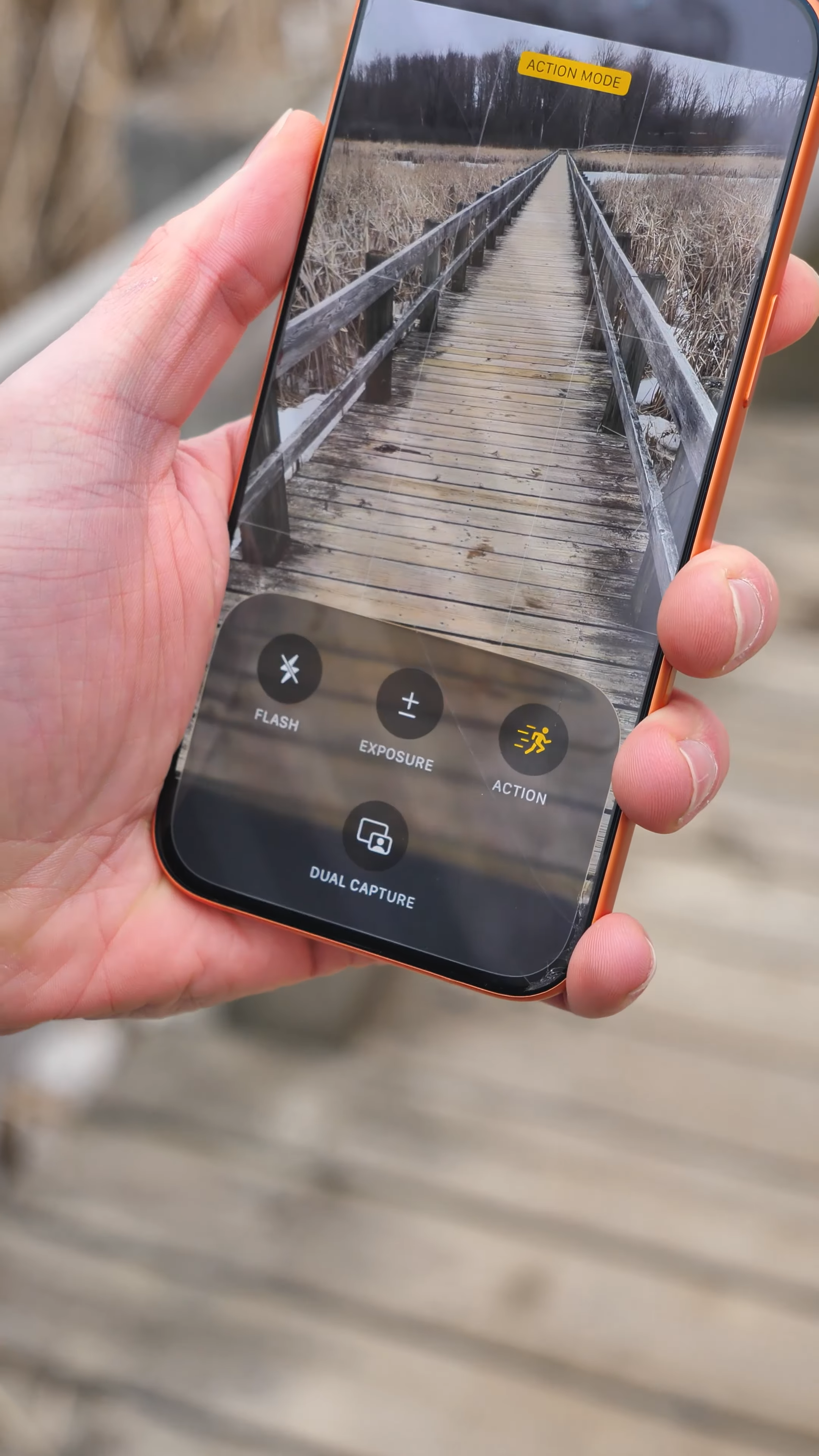
This is the kind of test that matters more than a static camera chart ever will. Running footage exposes everything. Tiny shakes, uneven steps, and slight tilts show up fast. If a stabilization mode is really good, you feel it immediately. If it is not, the footage starts looking fake, jittery, or overcorrected.
What Samsung’s Horizontal Lock Actually Does
Samsung’s new Horizontal Lock is not just a renamed stabilization toggle. It is a new option attached to Super Steady on the Galaxy S26 series, and the whole point is to keep the horizon looking level even when the phone rotates during movement. In other words, if your hand naturally shifts while jogging or turning, the footage is supposed to stay flatter and more controlled instead of leaning with every step.
Samsung’s support documentation describes it as a way to stabilize footage while moving or rotating the phone, and Samsung’s product pages say it helps keep footage smooth and level while walking or running.
That sounds small on paper, but in actual use it matters a lot. Some stabilization modes reduce shake, but they still let the frame drift or tilt in a way that makes the clip feel messy. Horizontal Lock is trying to solve that specific problem.
Tradeoff
Coverage from Sammobile notes that Horizontal Lock is tied to Super Steady, and Super Steady can switch you into the ultrawide camera unless you manually change it. It also is not a free-for-all mode where every lens and resolution is available, since use is limited at higher zoom levels and does not simply unlock maximum settings everywhere.
How Apple’s Action Mode Works
Apple’s Action Mode takes a slightly different approach. It is designed to smooth out heavy movement so the footage looks like it was shot on a gimbal. Apple says it is specifically for action-packed scenes where you are moving around a lot, and on current iPhones it supports capture up to 2.8K at 60 fps. Apple also notes that it works best in bright light, which is important because Action Mode is doing a lot of stabilization work and that comes with limitations.
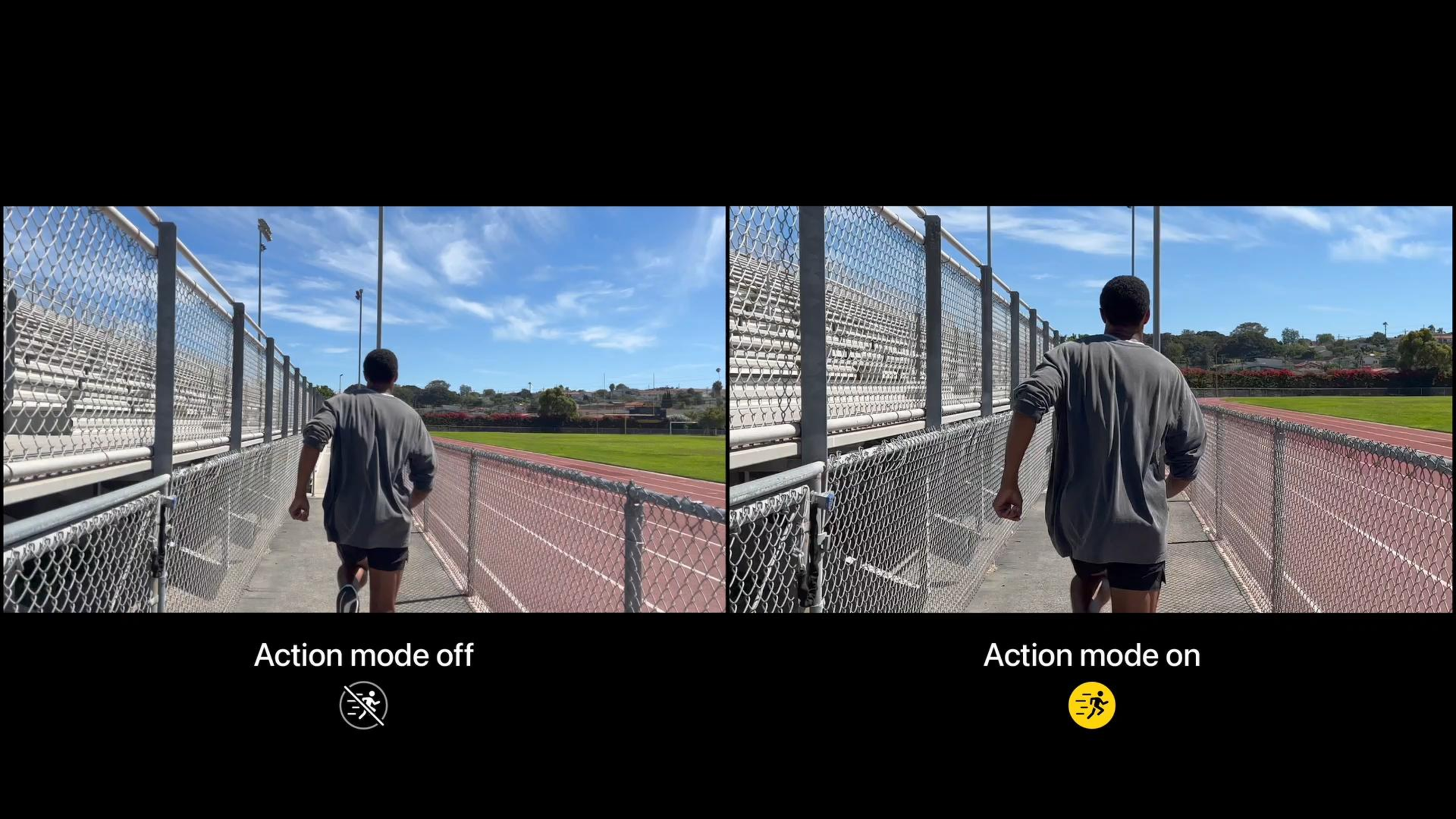
That has always been the iPhone’s strength here. Action Mode is easy to use, and when conditions are good, it can make handheld motion look almost suspiciously smooth. But Apple’s system usually goes for a more aggressively stabilized look. Sometimes that works in its favor. Sometimes it can feel a little processed, especially if the phone is fighting to correct every movement at once. The result can look polished, but not always natural.
What Happened in the Run Test
On the iPhone 17 Pro, Action Mode did what you would expect. The footage looked controlled, clean, and very usable right away. It handled the running test well, and it gave that familiar stabilized iPhone look where motion is smoothed out enough to feel intentional instead of chaotic.
Then the Galaxy S26 Ultra got its turn with Super Steady and Horizontal Lock. And honestly, this is where it got interesting.
Samsung’s footage seemed to hold the frame in a way that felt slightly more grounded. Not dramatically different, not in a way where the iPhone suddenly looked bad, but enough to notice. The horizon looked more planted, which made the clip feel calmer and more watchable. That extra levelness gives the impression that the phone is not just reducing shake, but also controlling the direction of the movement better.
That is the key difference. The iPhone looked smooth. The Samsung looked smooth and more locked in.
Quick Differences That Actually Matter
| Feature | Samsung (Super Steady + Horizontal Lock) | iPhone (Action Mode) |
|---|---|---|
| Core Function | Keeps footage stable while actively locking the horizon level during movement | Smooths heavy motion to create a stabilized, gimbal-like video look |
| Best Use Case | Walking, running, and fast turns where maintaining a level frame matters | General action shots with consistent movement and good lighting |
| Video Quality Limit | May limit lens options and flexibility due to Super Steady mode | Limited to 2.8K at 60fps |
| Tradeoff | Can affect lens behavior and restrict zoom or advanced camera options | Footage can appear more processed depending on lighting and movement |
So Which One Is Better?
If you just want the easiest point-and-shoot stabilization mode, the iPhone still makes a strong case. Action Mode is simple, dependable, and it gives you that instantly shareable look with very little effort. Apple has had time to refine it, and it shows.
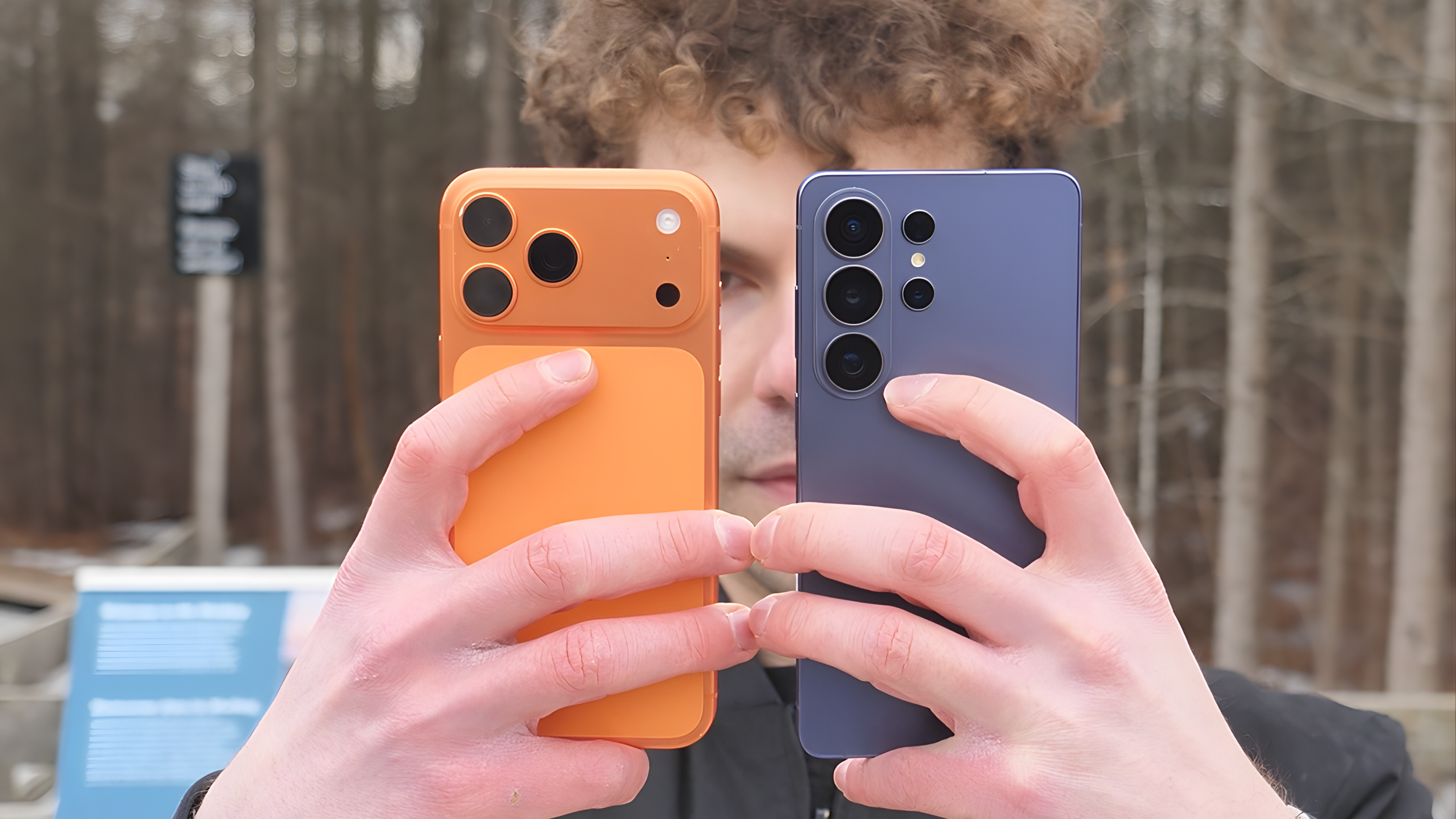
But if the goal is to make running footage look more level and more composed, Samsung’s new Horizontal Lock feels like the fresher idea. It is not just about removing shake. It is about controlling the way motion looks, and that can make a bigger difference than people expect.
That is why this comparison is actually fun. Neither phone embarrasses itself. Both are good. But Samsung added something here that gives the Galaxy S26 Ultra a real advantage in this specific kind of shot.
Final Thoughts
This is one of those camera comparisons where the winner is not decided by specs, but by feel.
The iPhone 17 Pro still delivers smooth footage that most people will be happy with. But Samsung’s Super Steady with Horizontal Lock adds a new layer of control that makes action shots feel more stable in a more natural way.
So if you watch the clips back and think the Galaxy looks a bit better, you are probably not imagining it.
And if phones keep getting this steady, the next thing we’re testing might just be who needs a gimbal anymore.
See you in the next article!
