
The Fake iPhone 17 Pro Max Is Getting Scarily Good
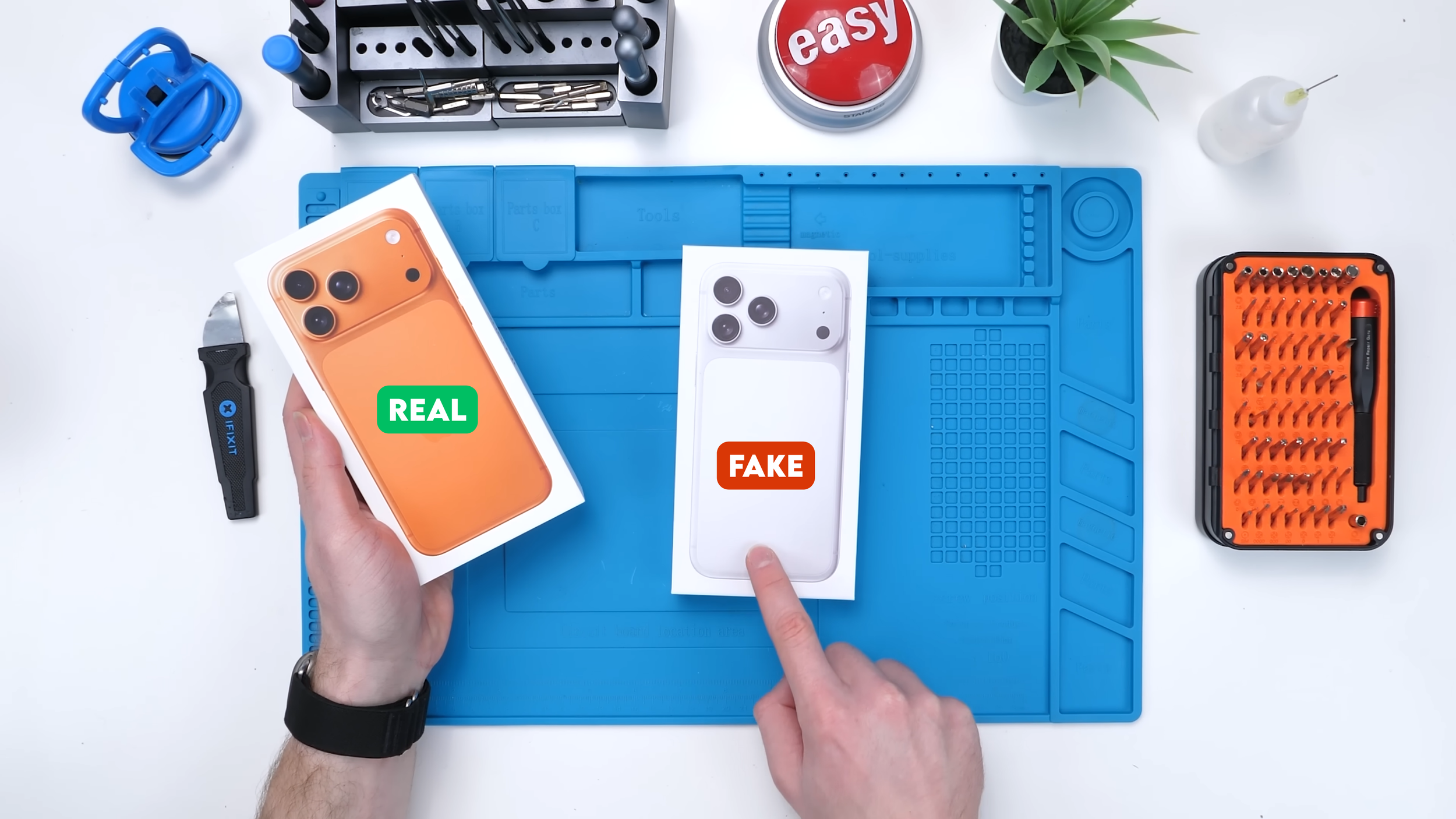
Every year, fake iPhones get a little more convincing. But this fake iPhone 17 Pro Max might be the closest copy yet.
Right from the box, it feels surprisingly real. The packaging has the same textured finish as Apple’s original box, the printing looks accurate, and even the labels are customized for the region. In this case, the fake unit even included French text for Canada.
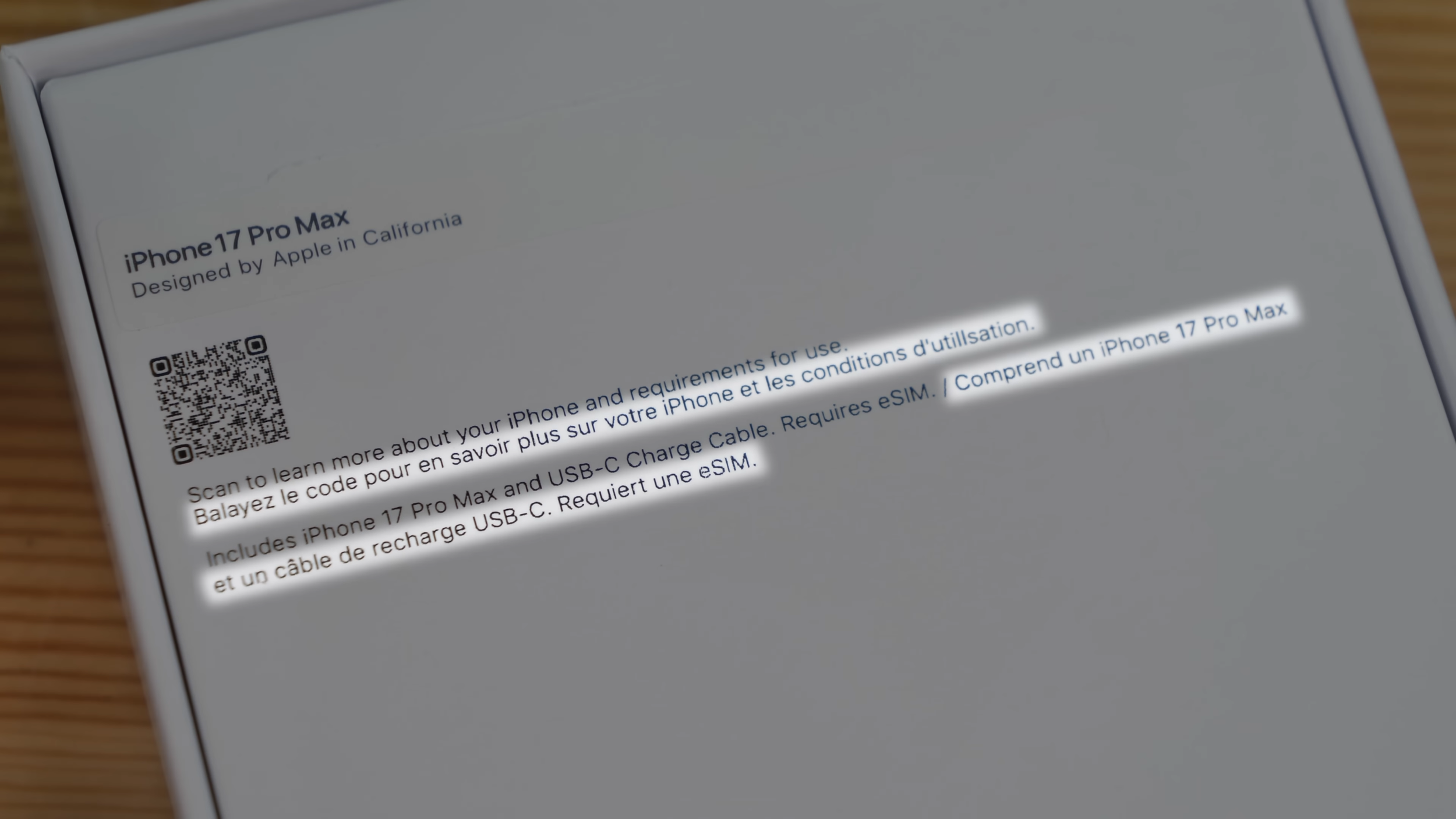
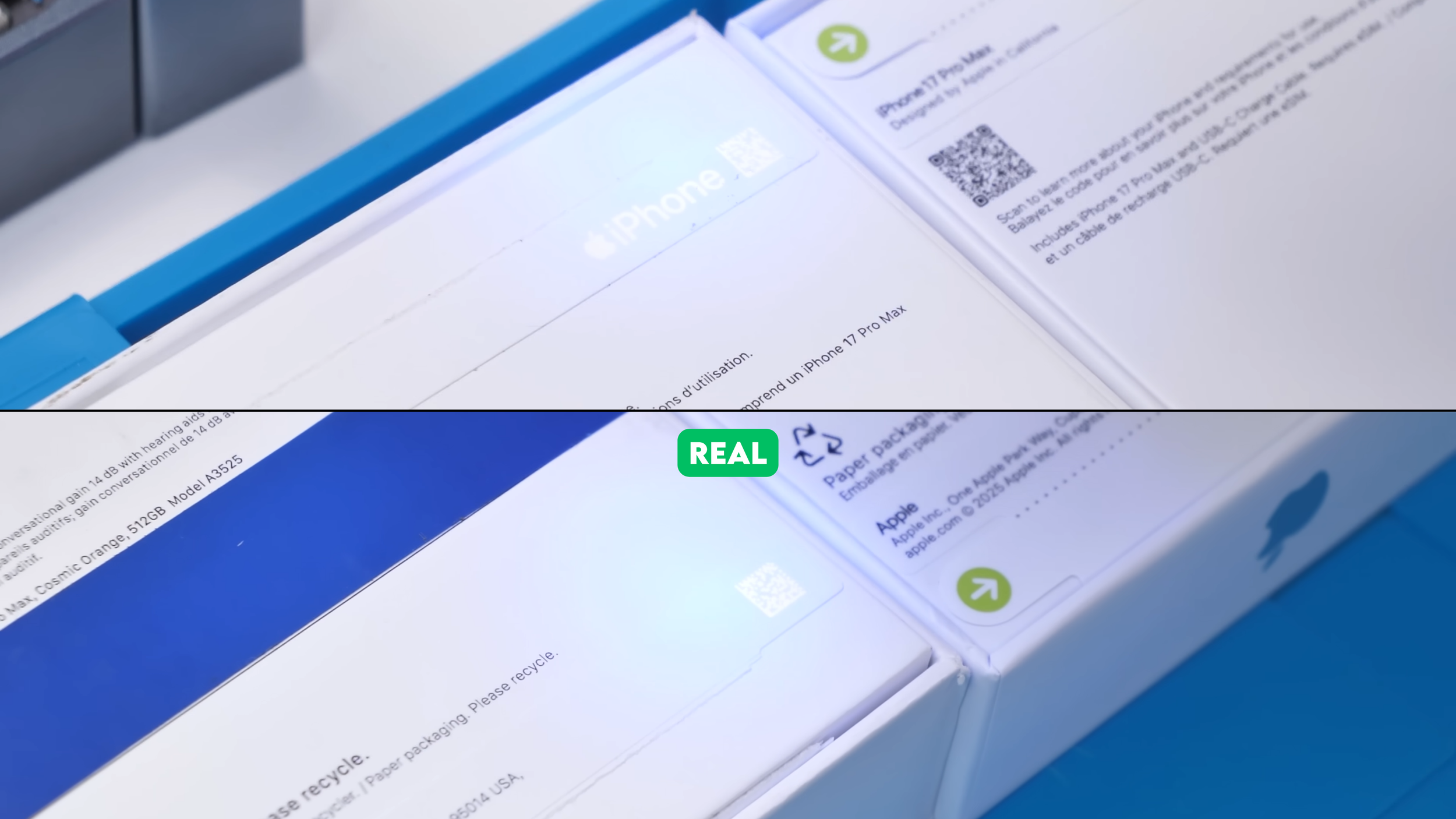
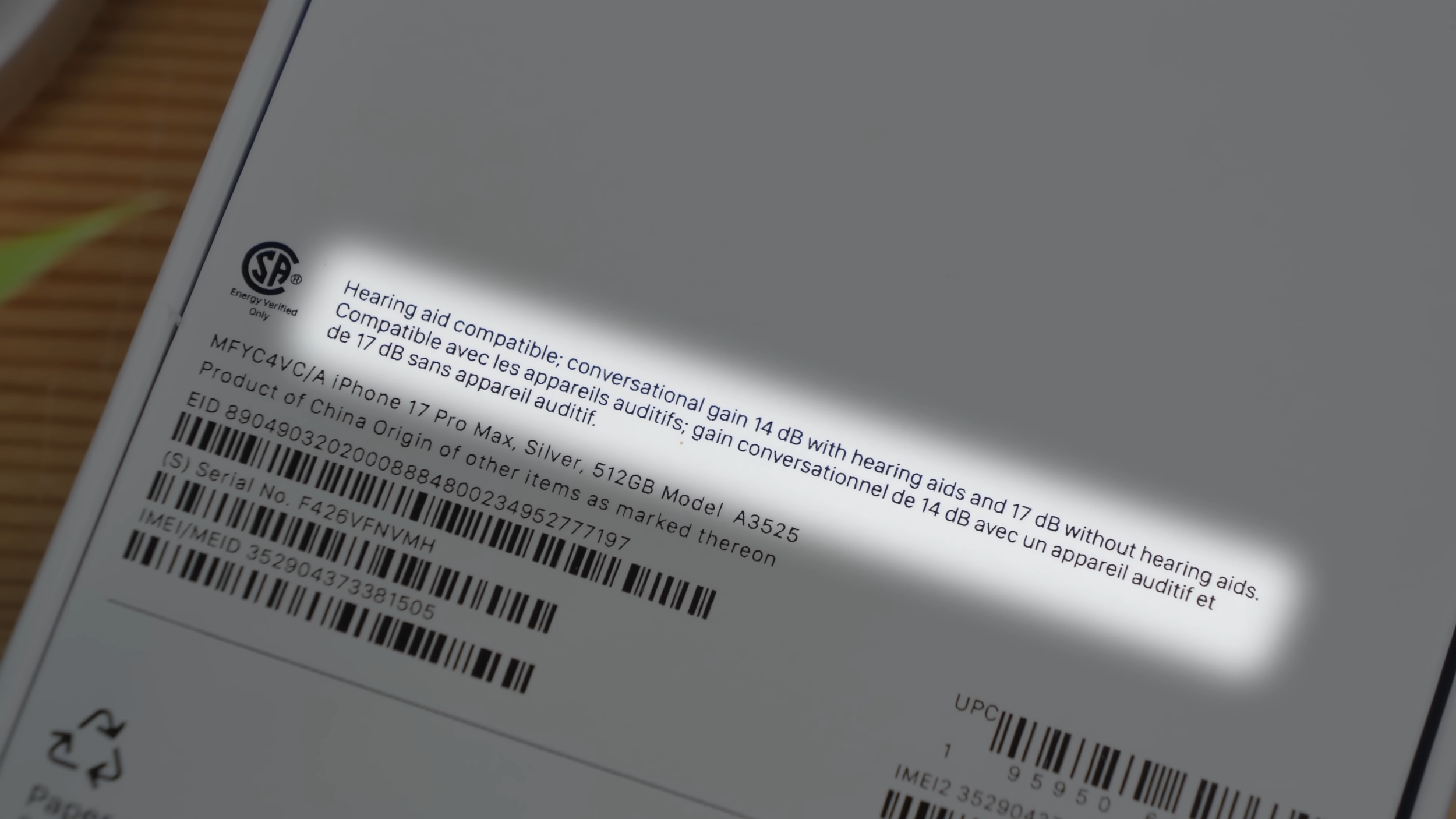
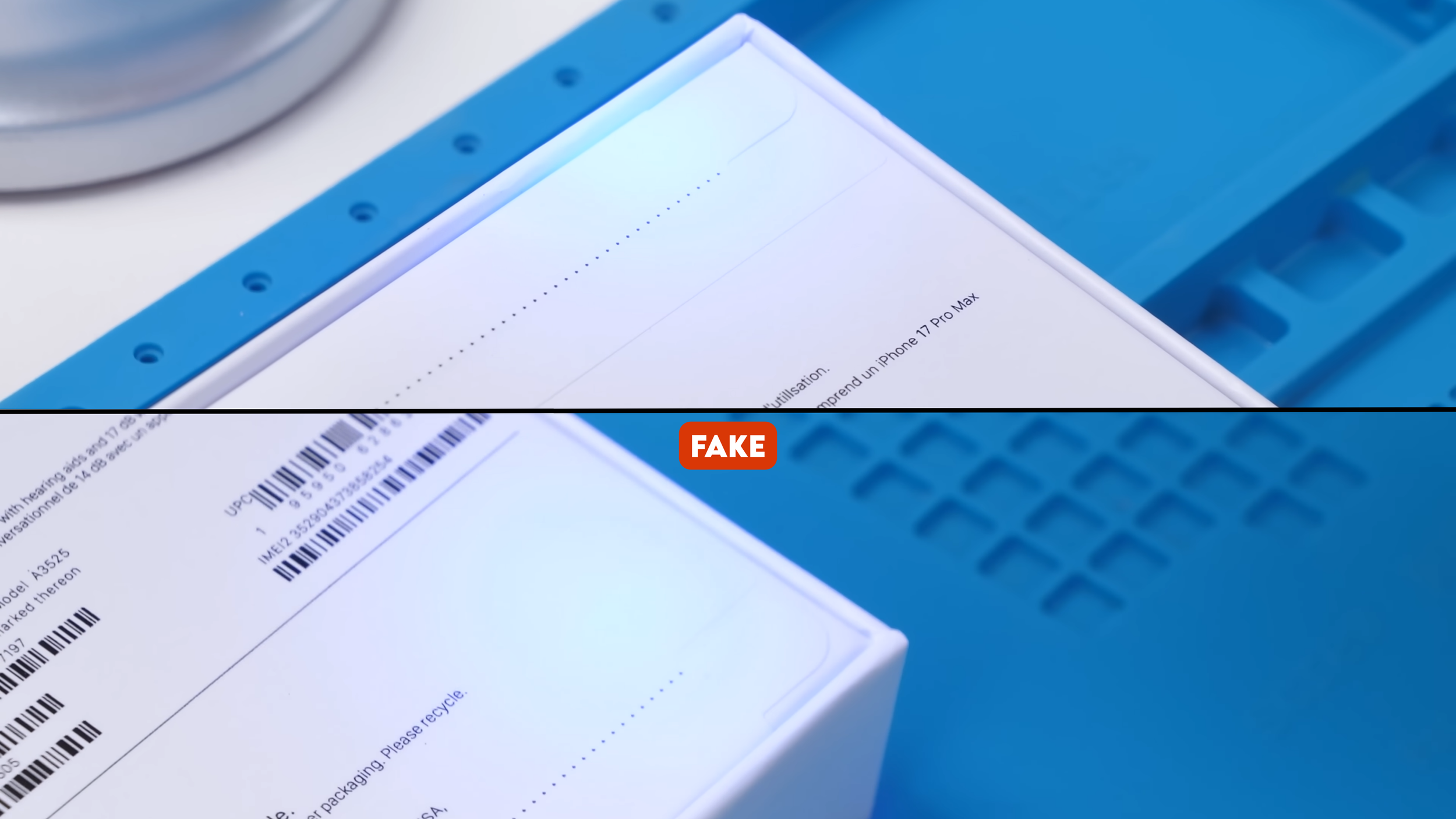
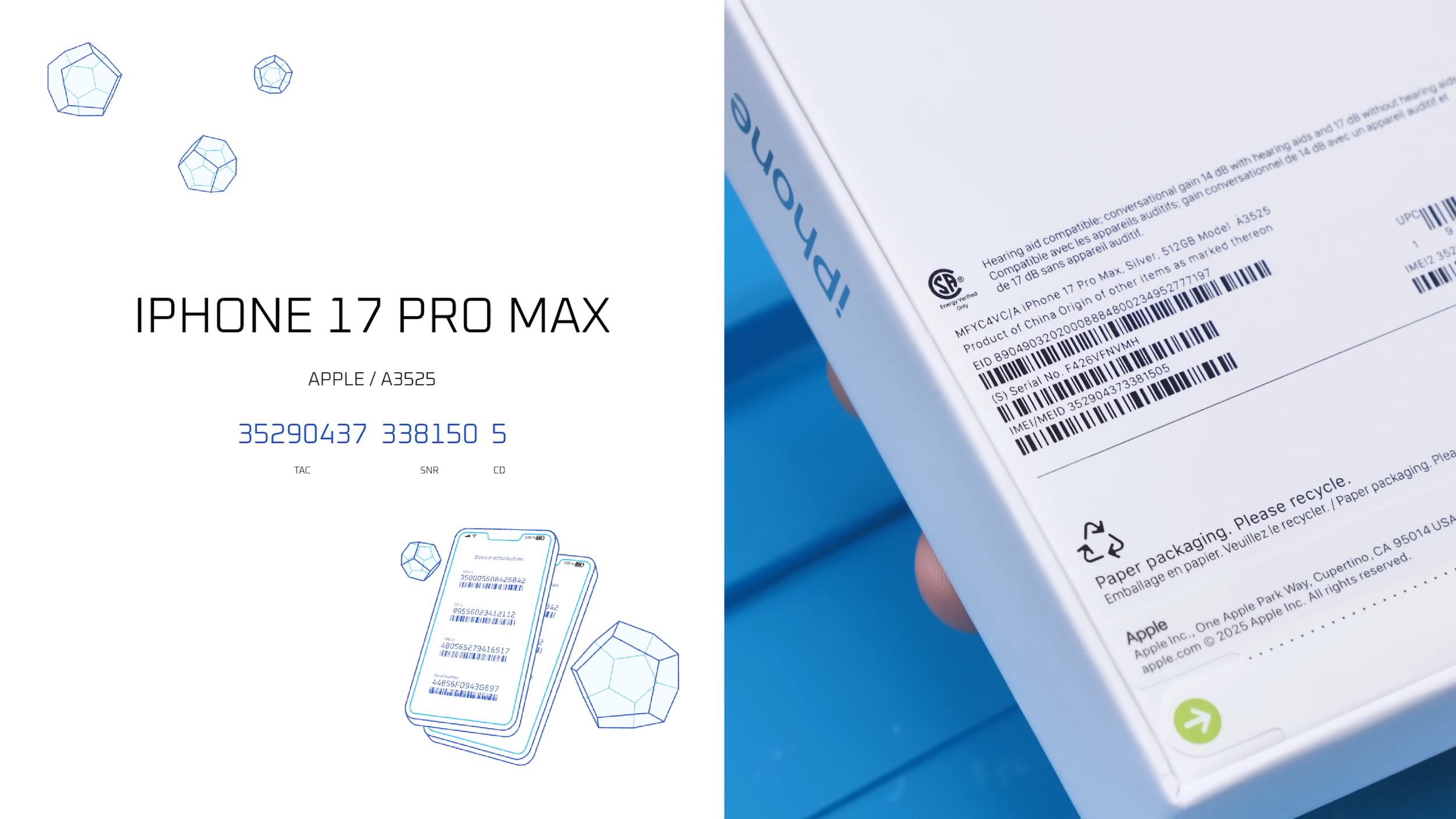
The scary part is that most of the usual “easy giveaways” are disappearing. There were no obvious spelling mistakes, the serial numbers appeared legitimate online, and at first glance, it genuinely looked like a real iPhone.
The Phone Itself Looks Shockingly Real
Once the phone came out of the box, things got even more convincing.
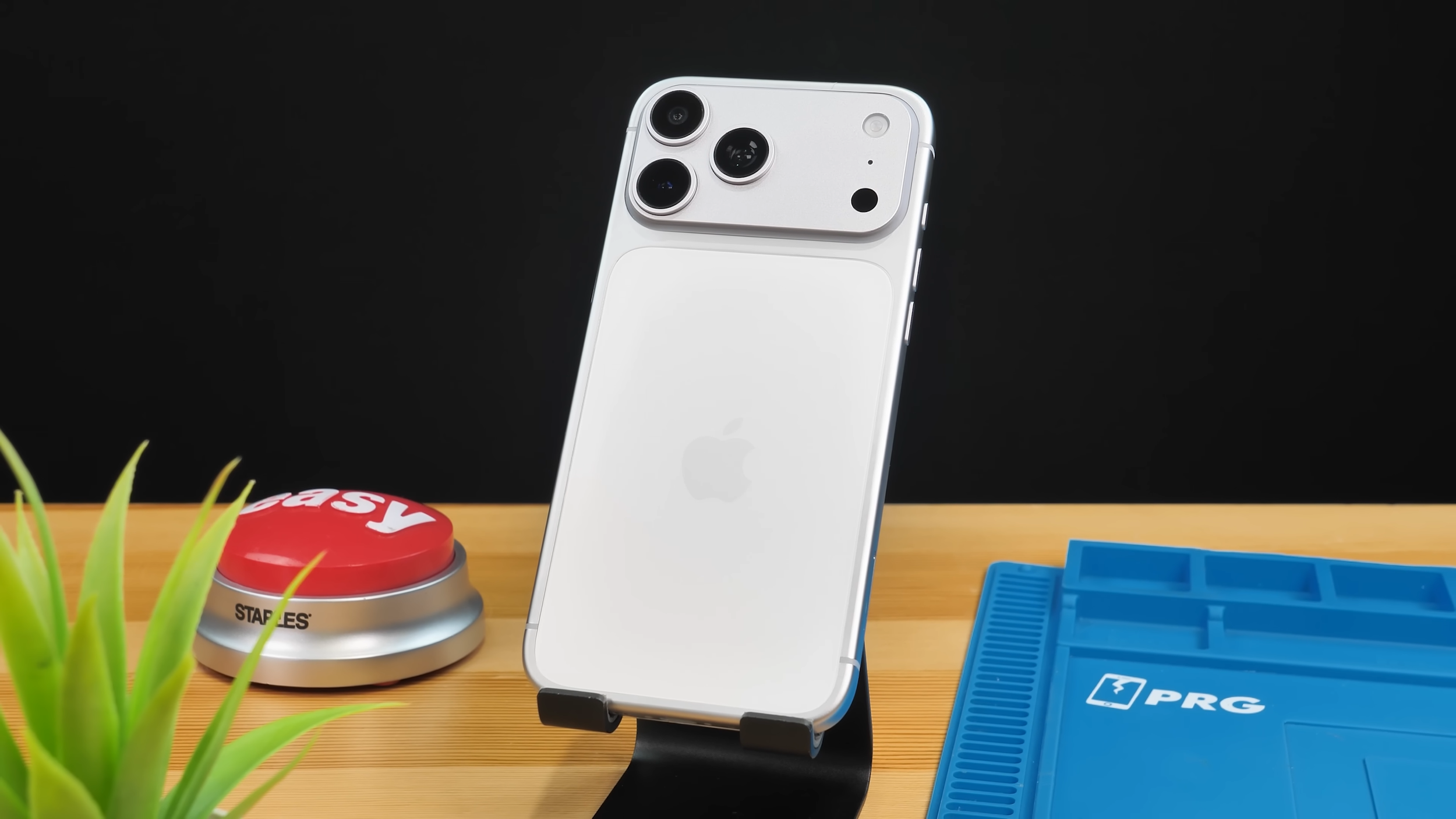
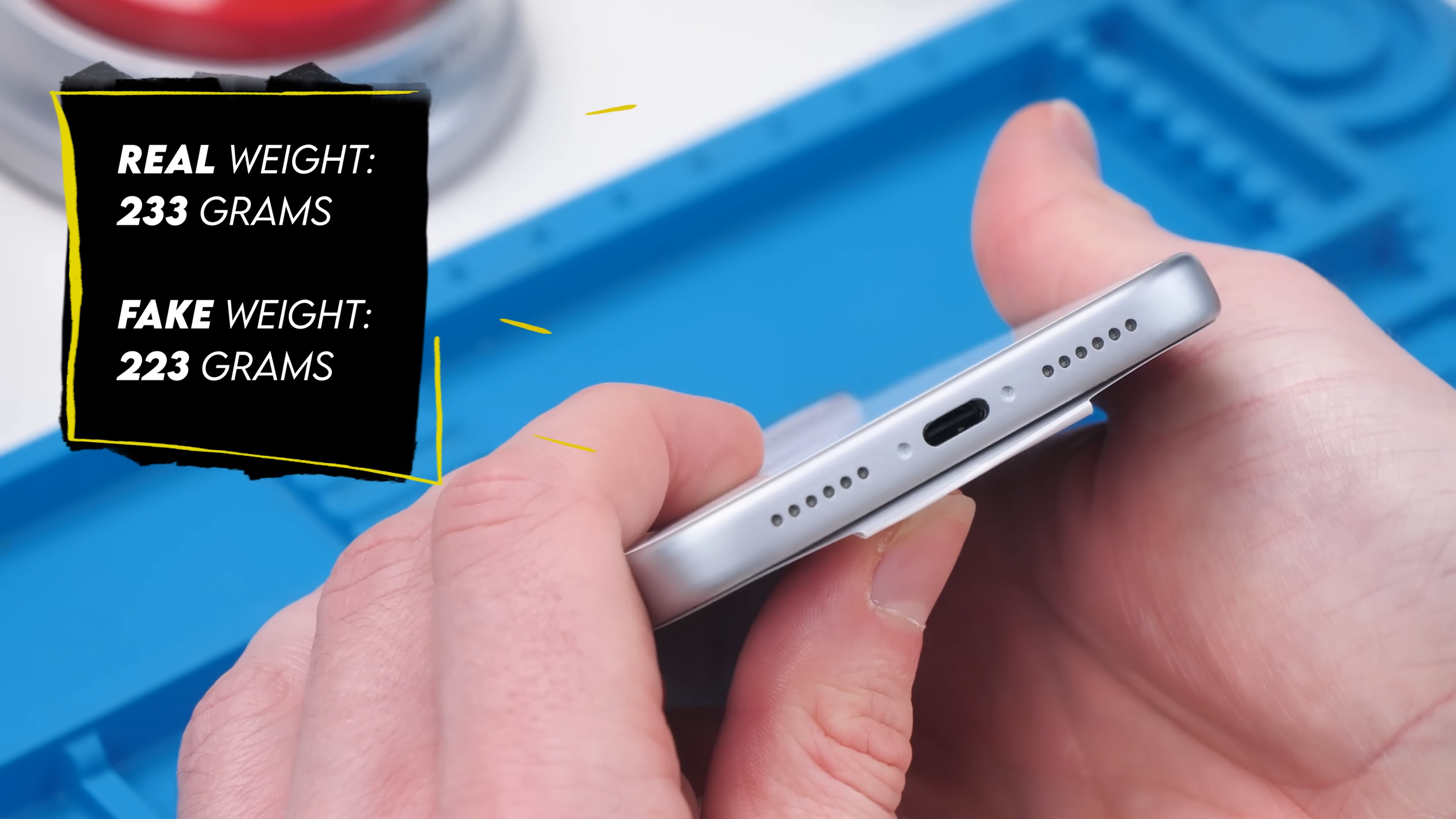
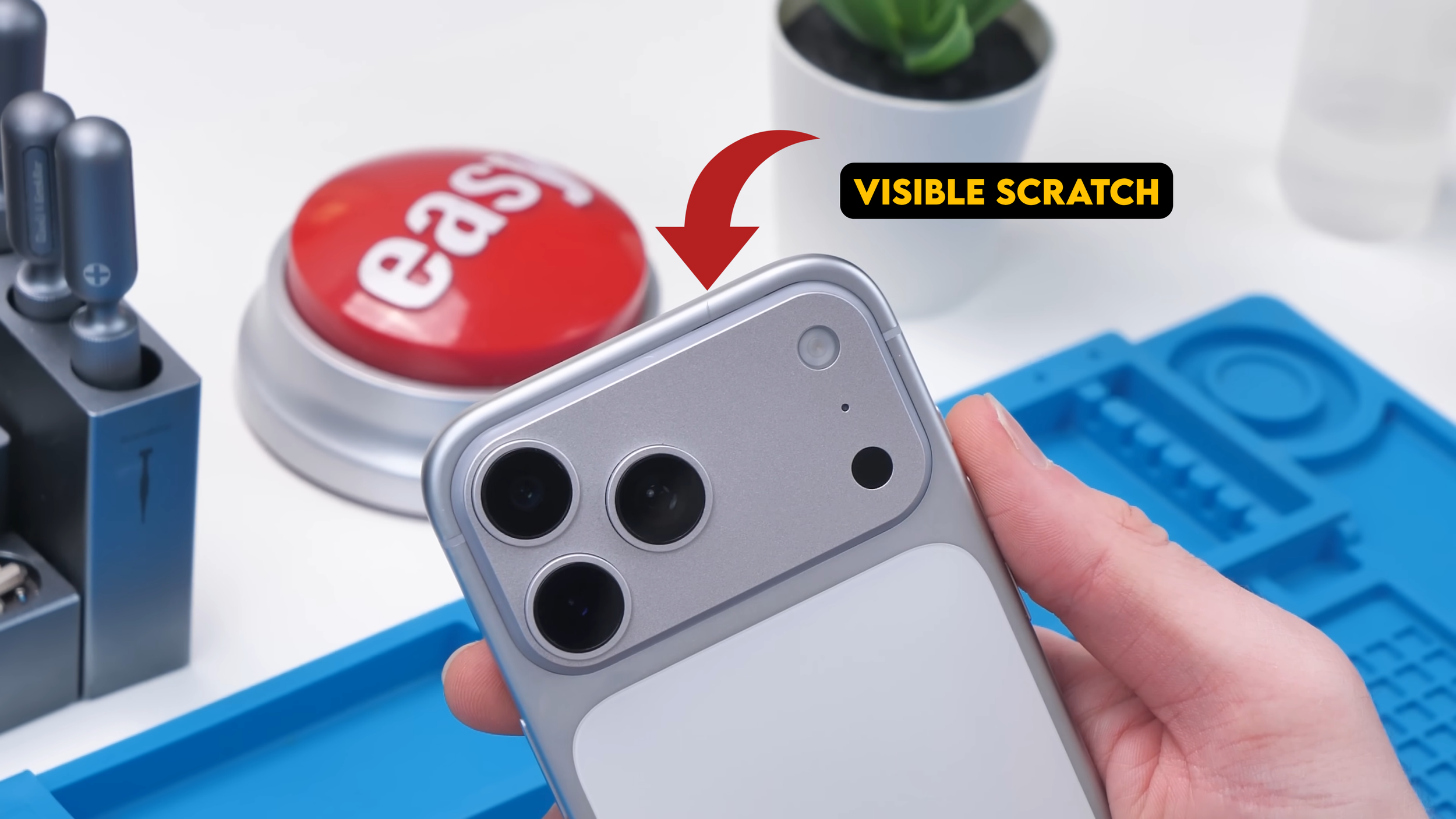
The fake iPhone copied Apple’s new design surprisingly well. The cameras looked close to the real thing, the frame felt heavy like aluminum, and even the overall shape felt premium in the hand.
But the deeper inspection quickly revealed the shortcuts.
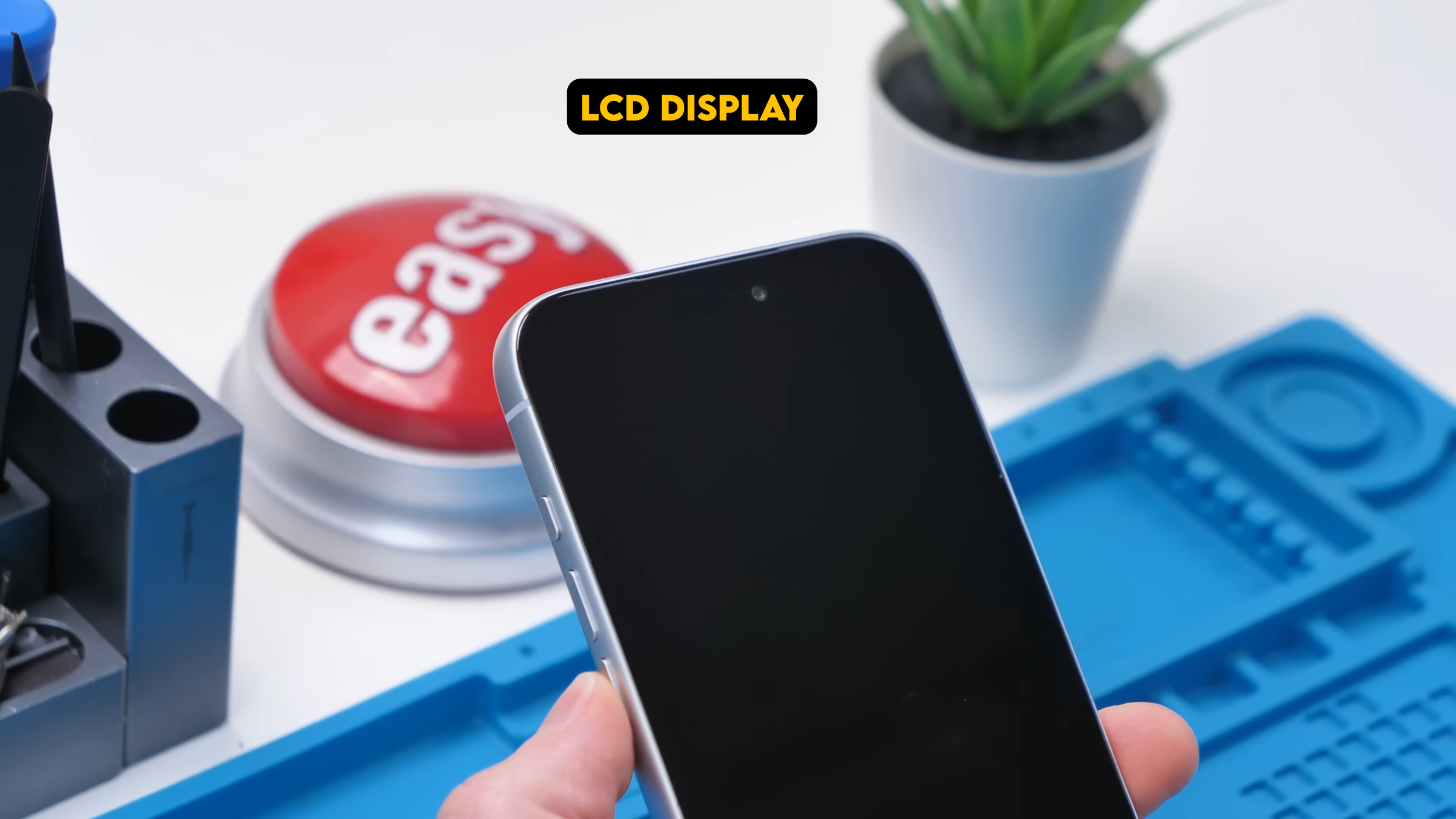
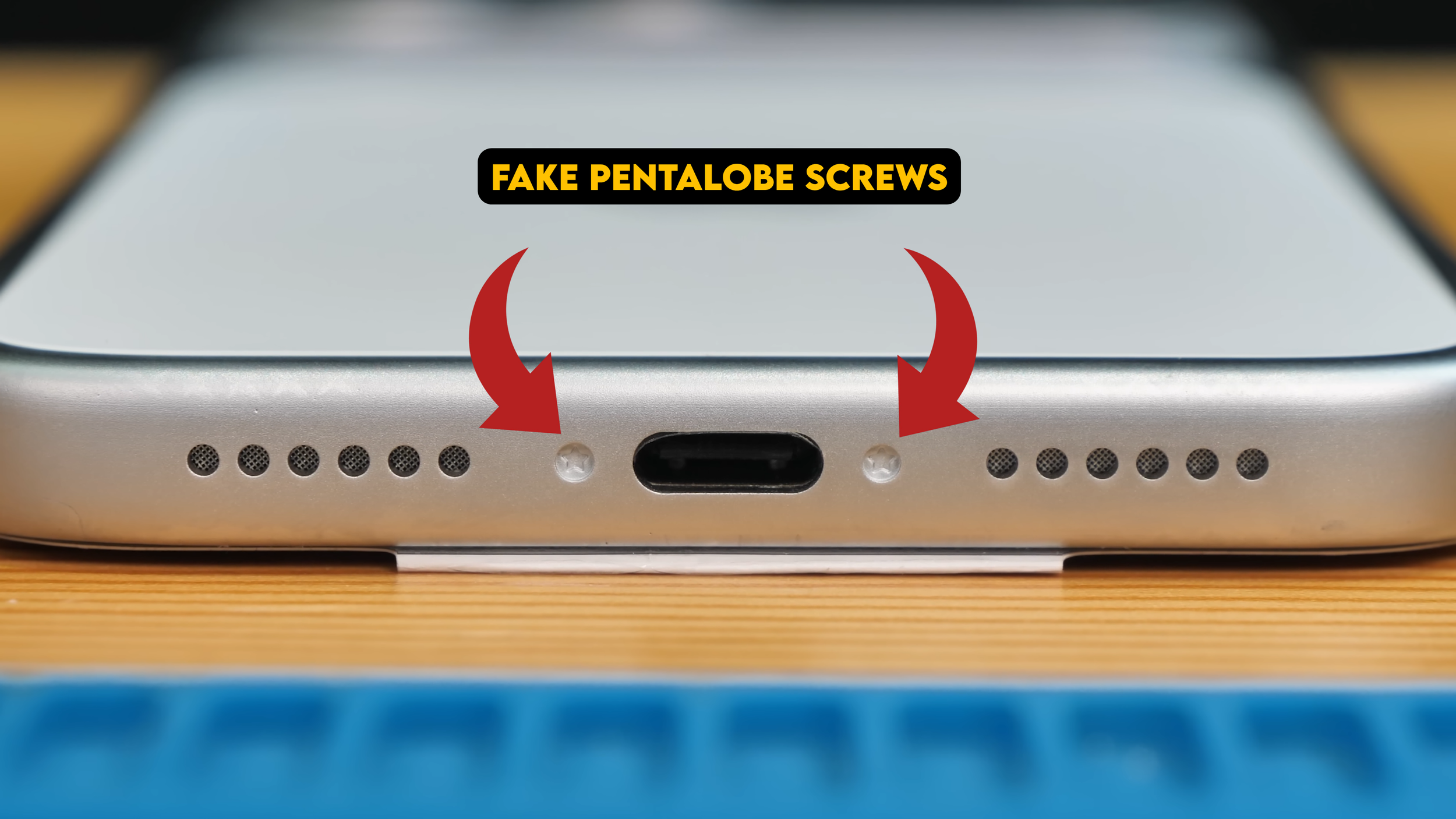
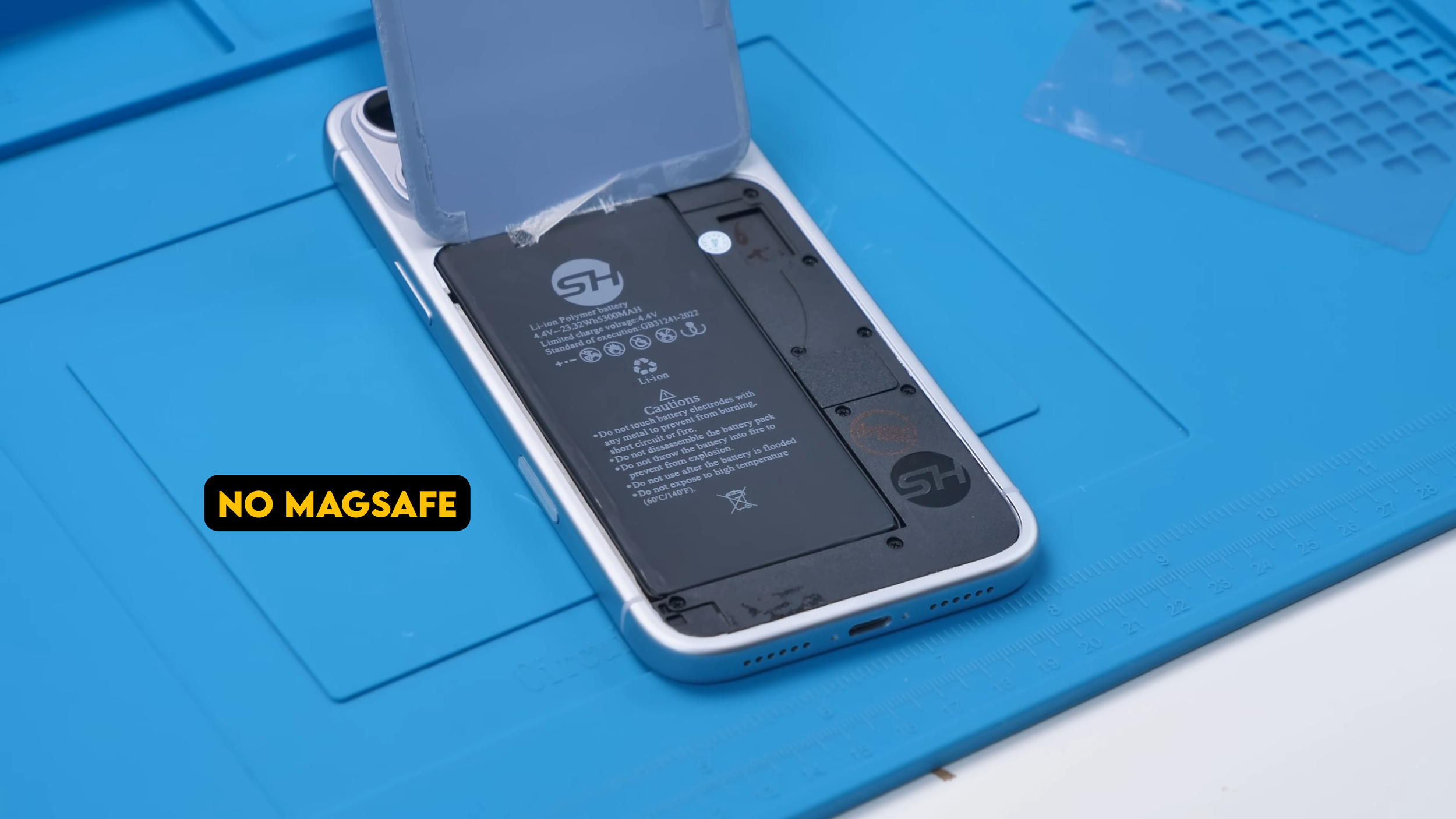
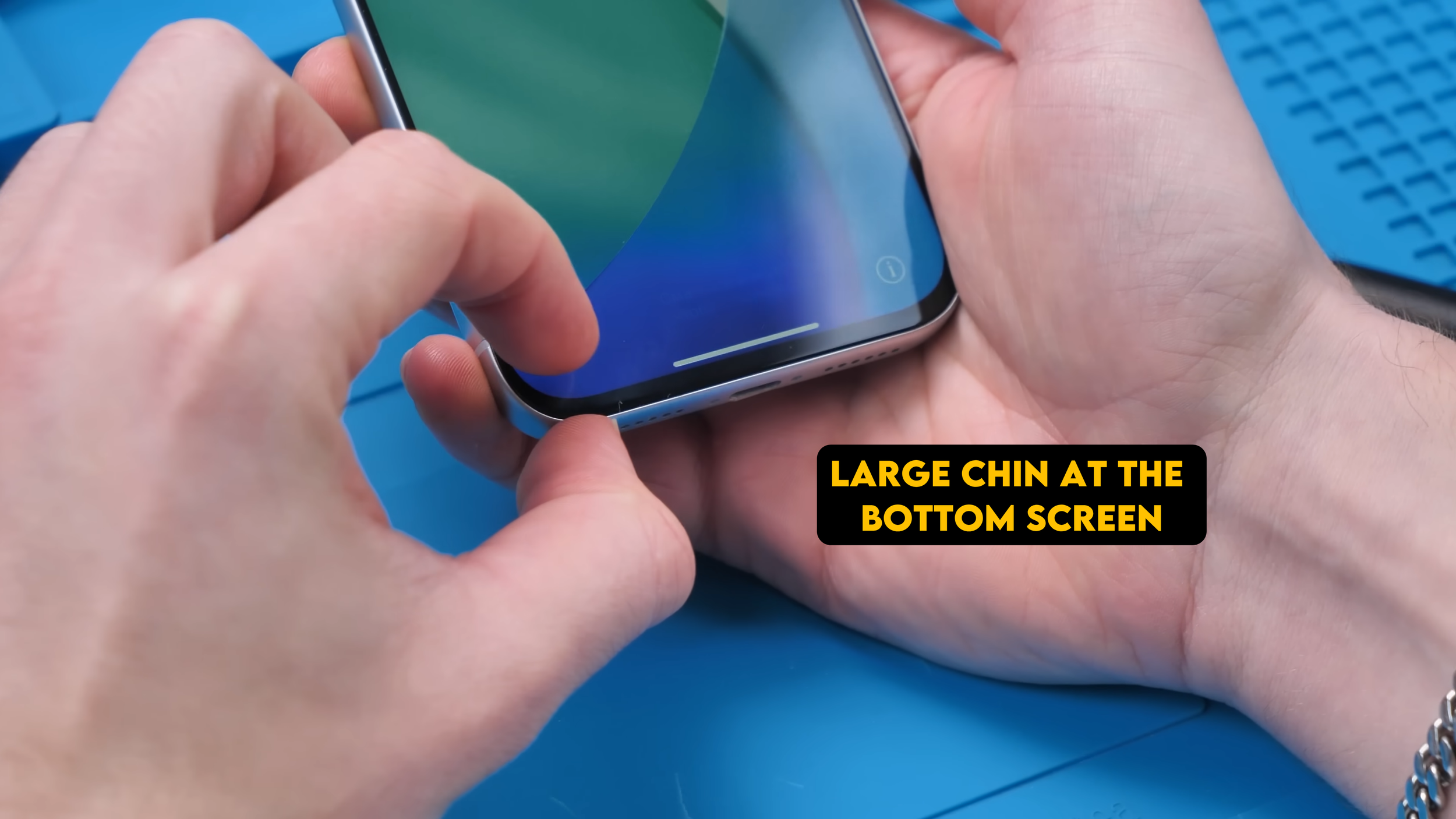
The “screws” on the bottom were completely fake, there was no MagSafe inside, and the display was clearly an LCD instead of OLED. From straight on it looked decent, but the large chin at the bottom immediately exposed it as a clone.
The Internals Were Surprisingly Interesting
Opening the phone revealed one of the strangest fake iPhone layouts yet.
Instead of copying Apple exactly, the manufacturers redesigned the internals in their own way. The fake even uses real glass on the back panel, included detachable components, and had a massive 5300mAh battery inside.
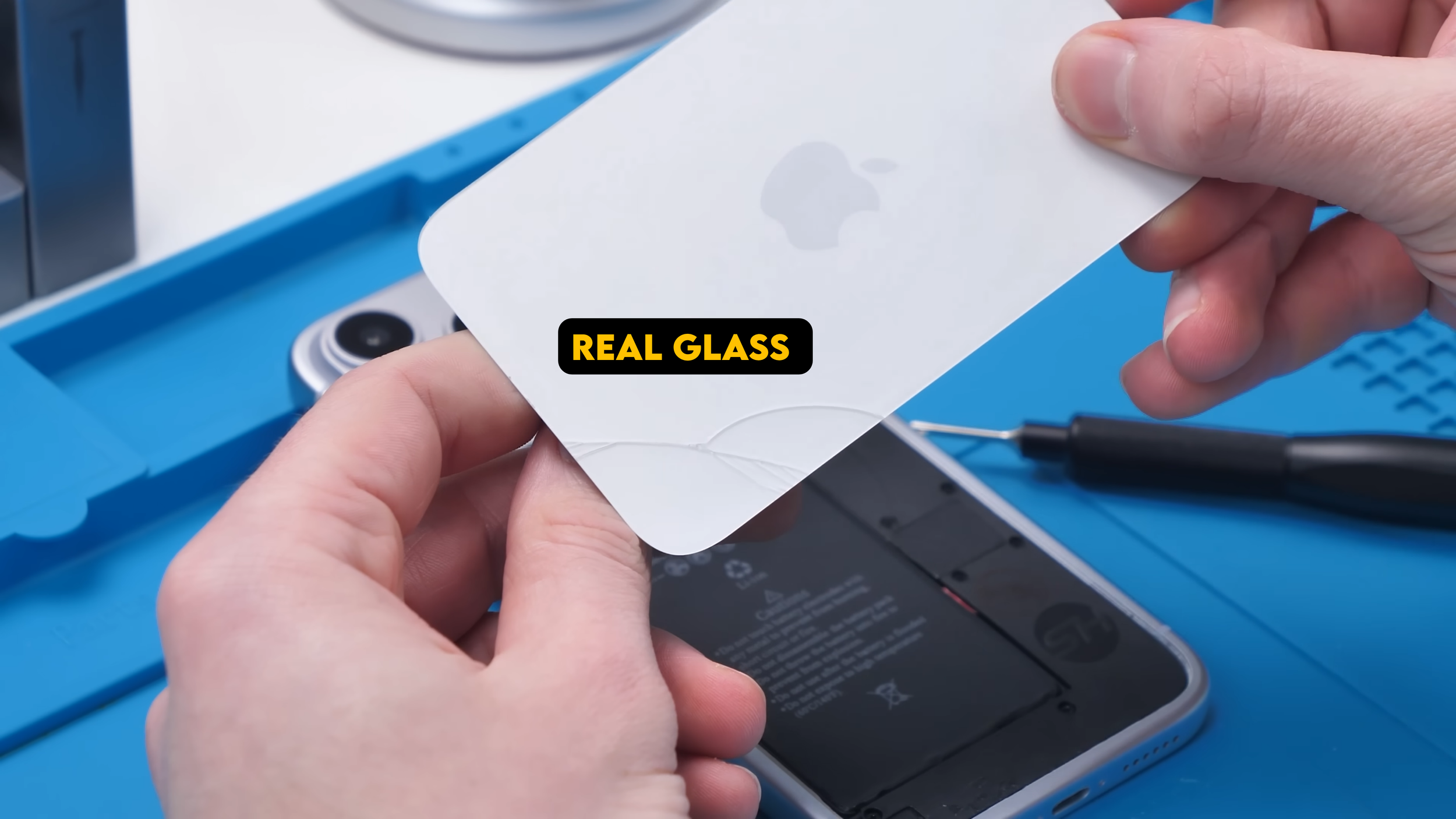
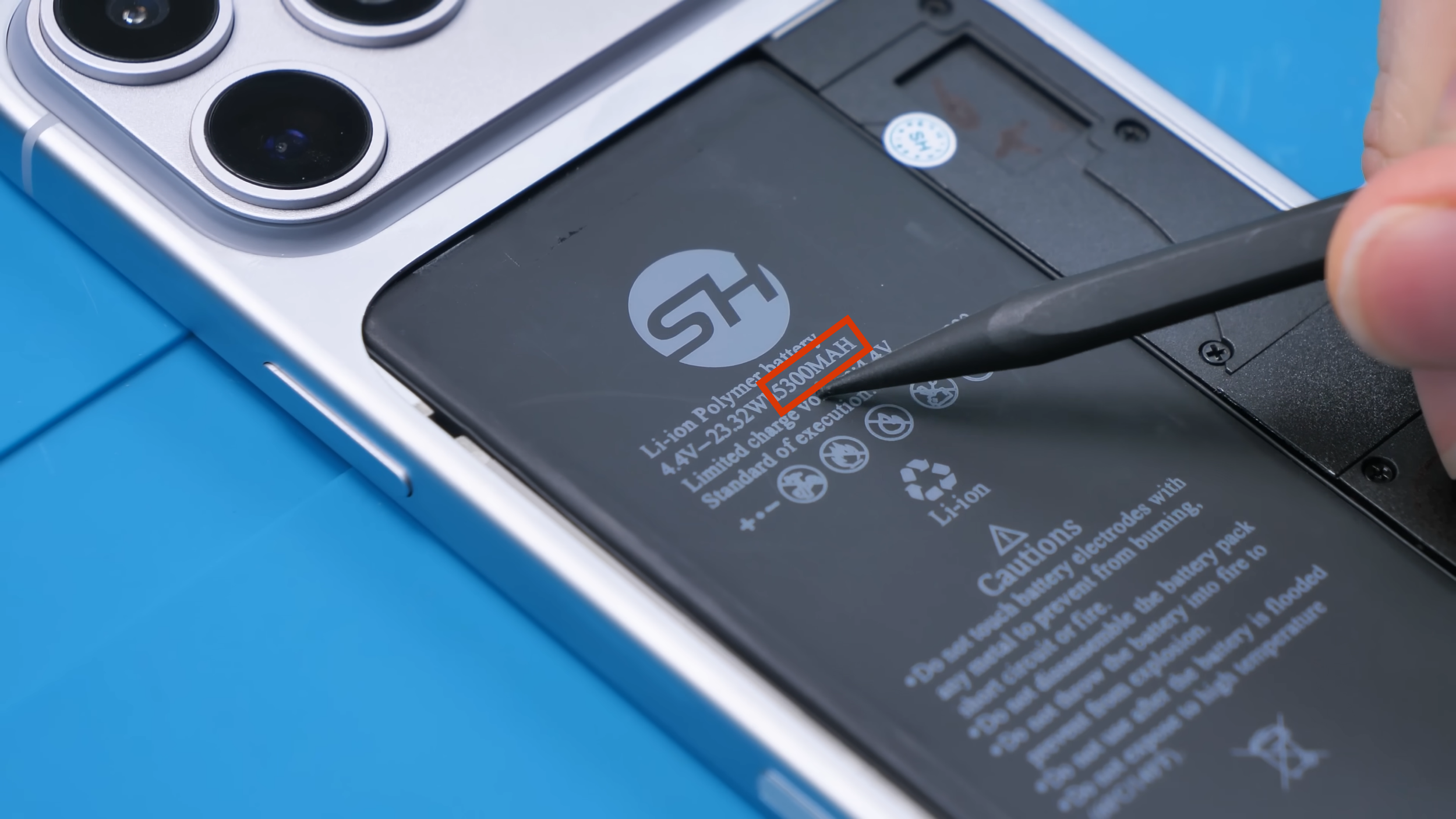
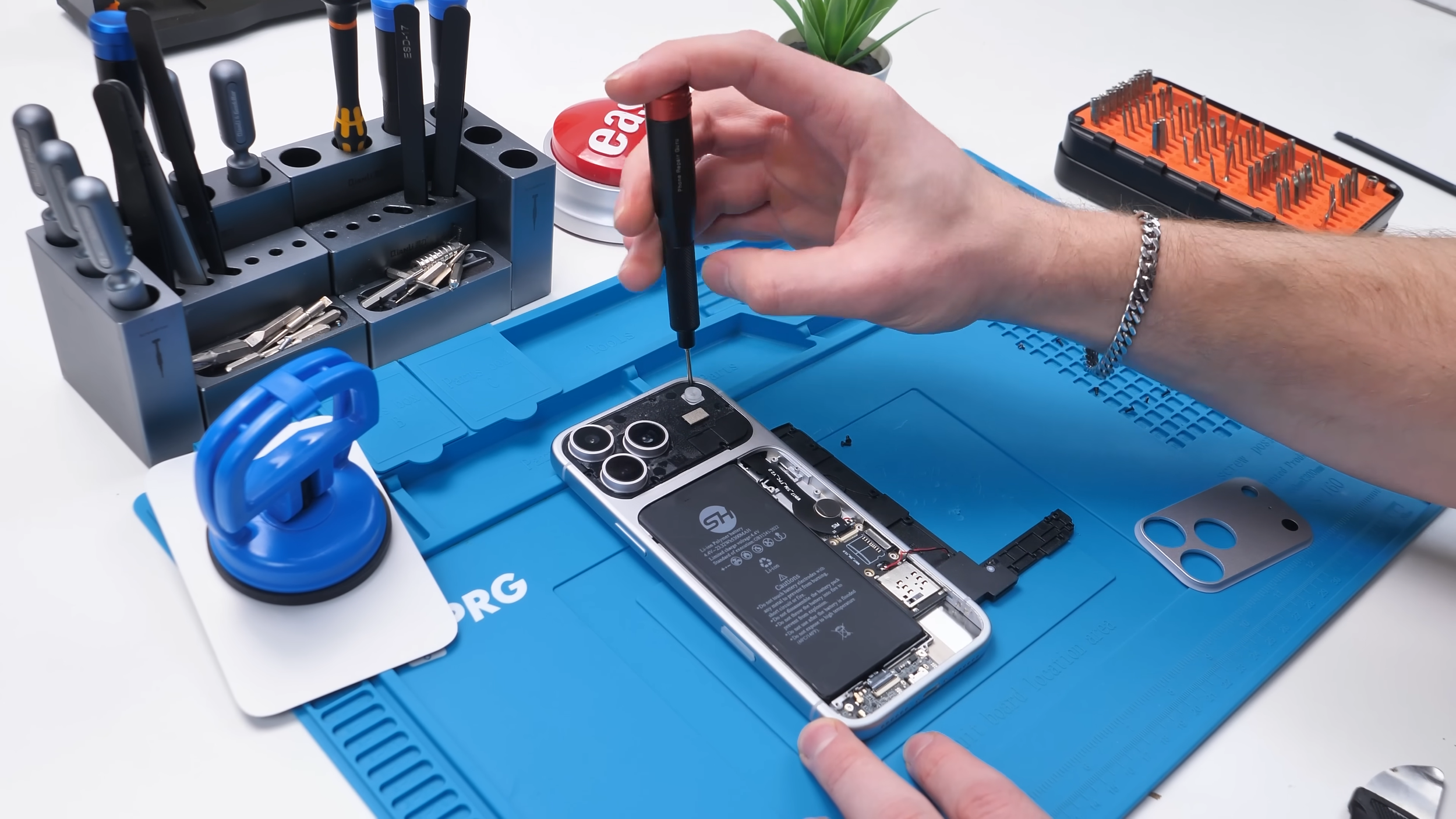
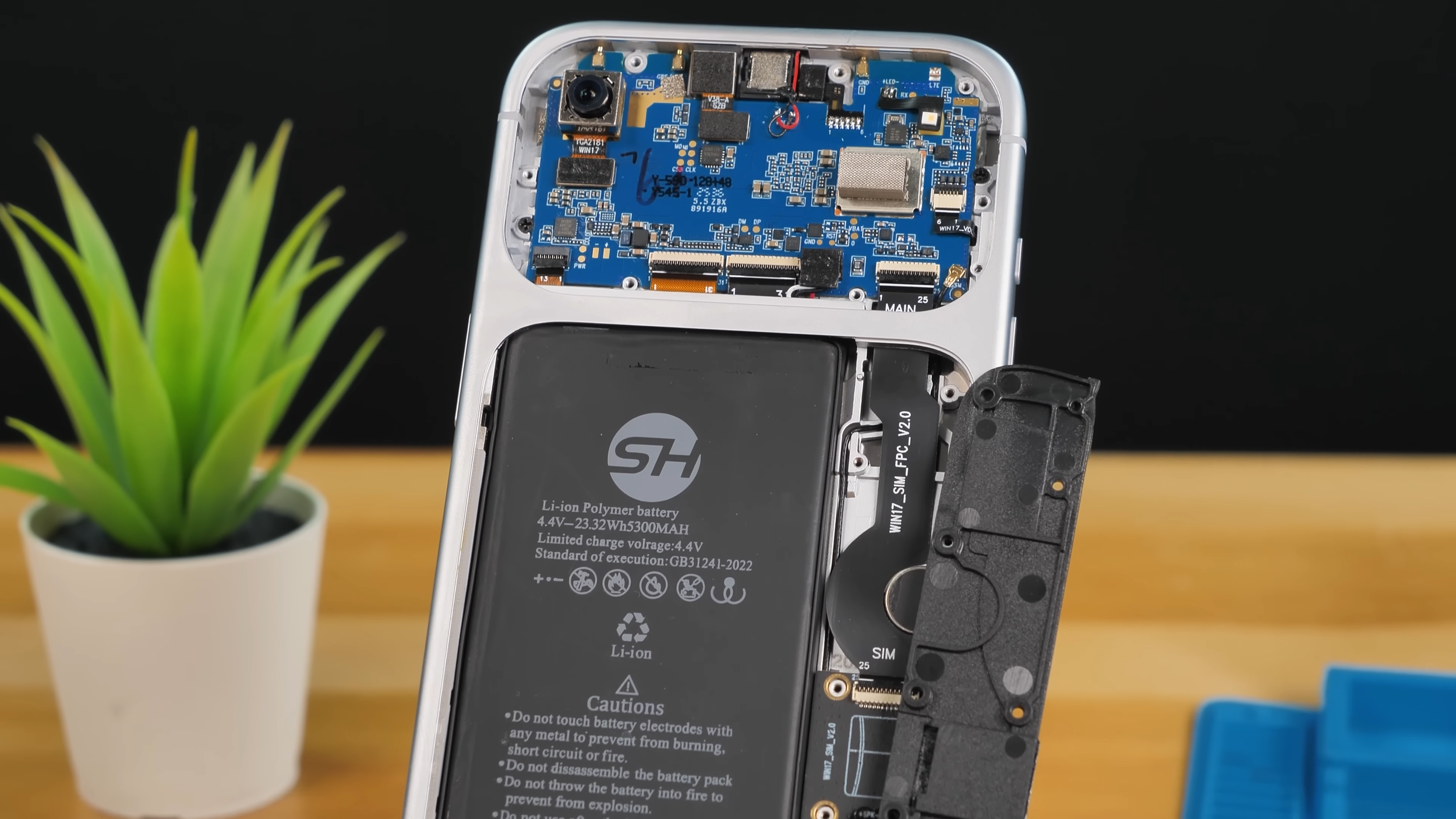
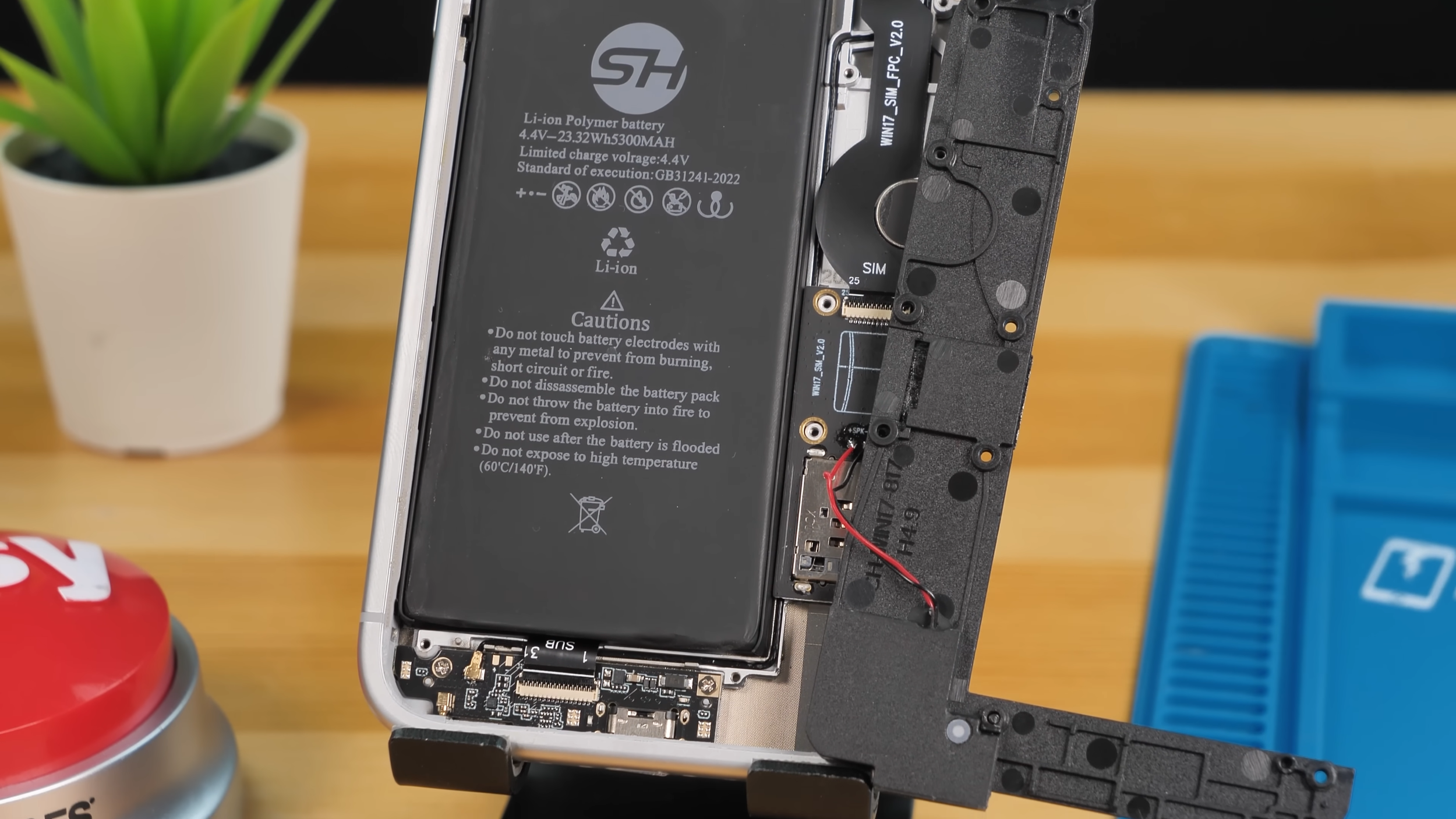
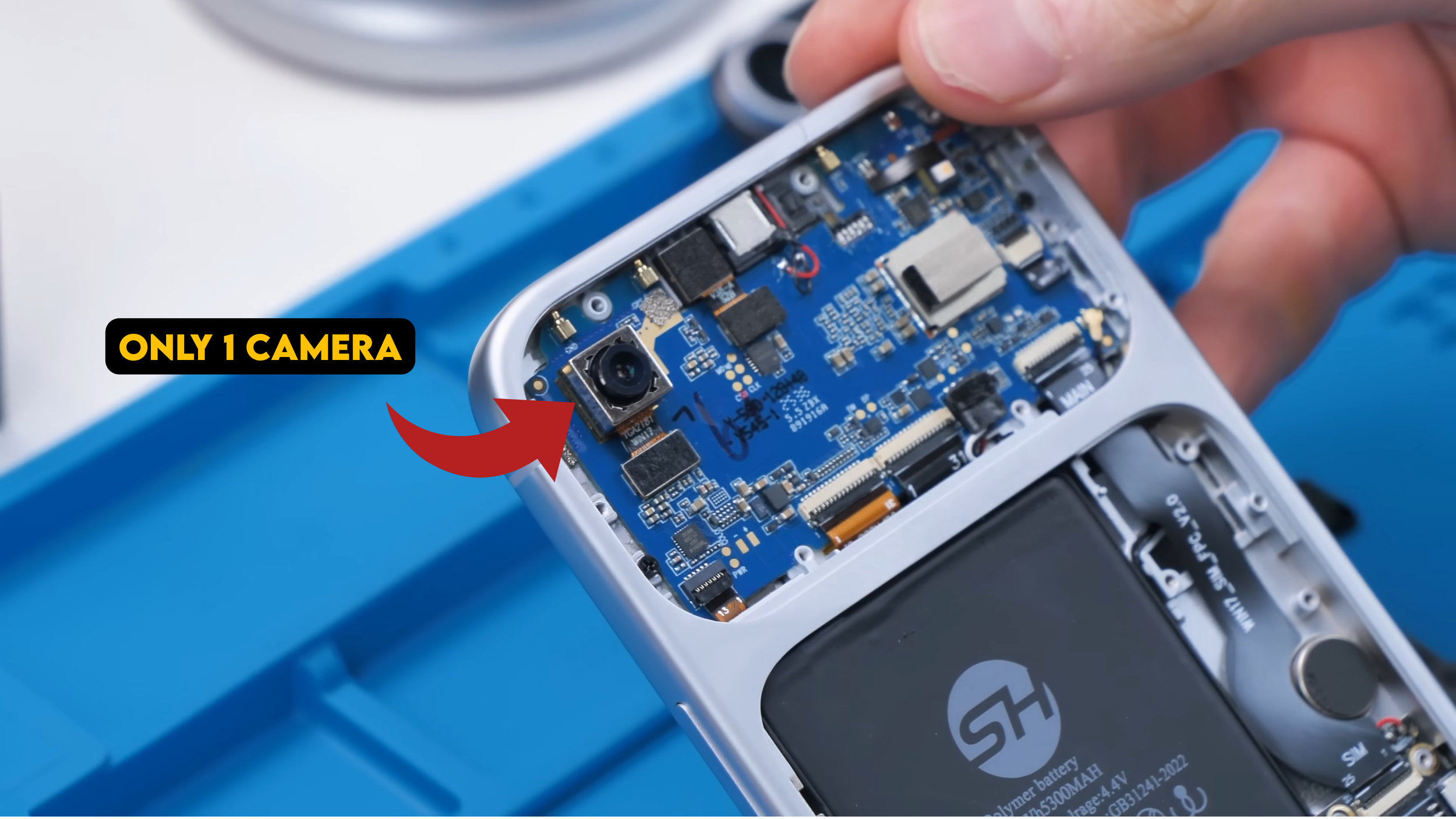
Honestly, more effort clearly went into this clone than most fake phones from previous years.
That said, it still falls apart once you actually use it.
Fake iOS 26 Falls Apart Fast
On first boot, the phone tries very hard to imitate iOS 26. It even includes fake Liquid Glass-style animations and an iPhone-like setup process.
But underneath, it’s just Android.
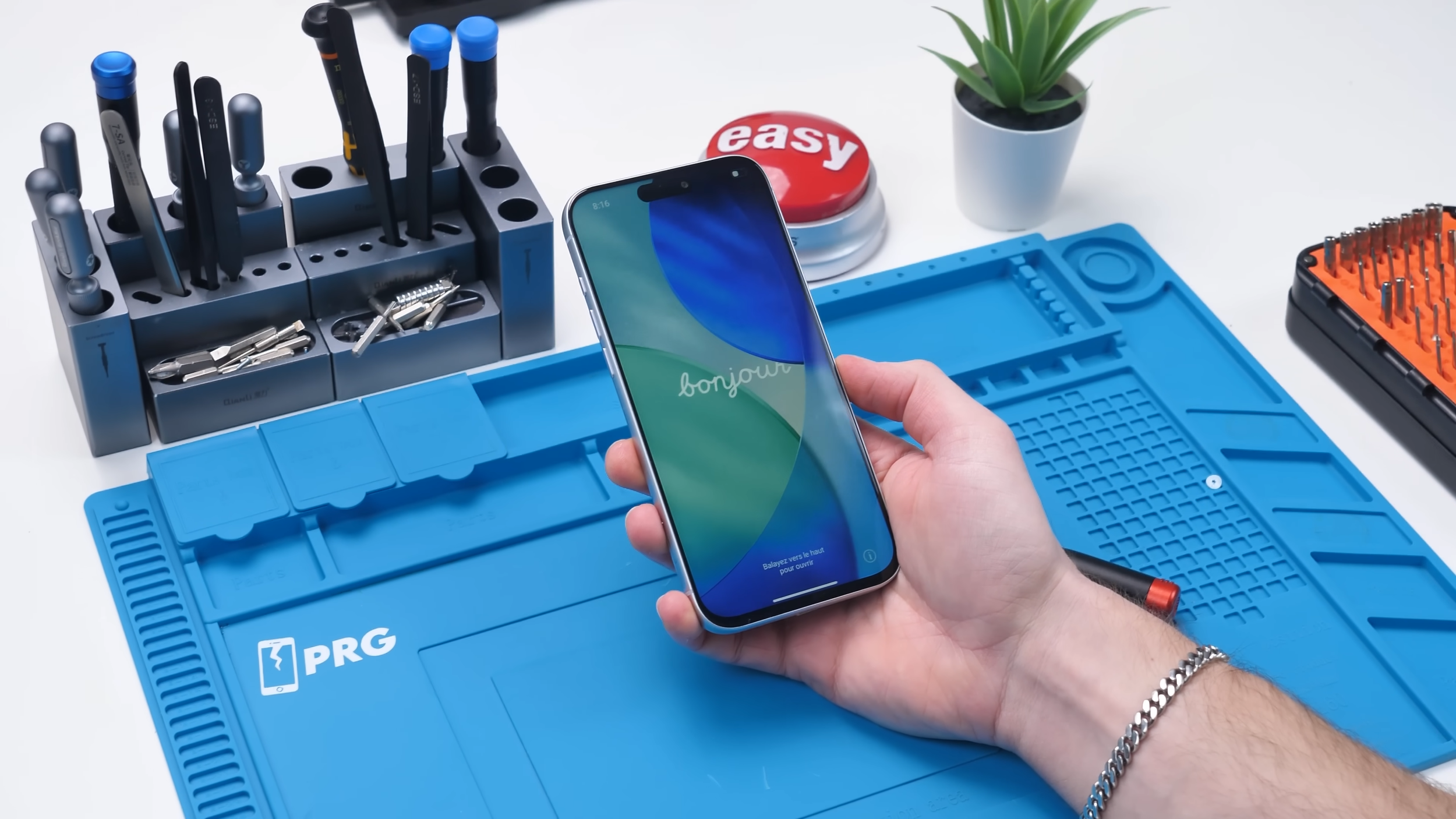
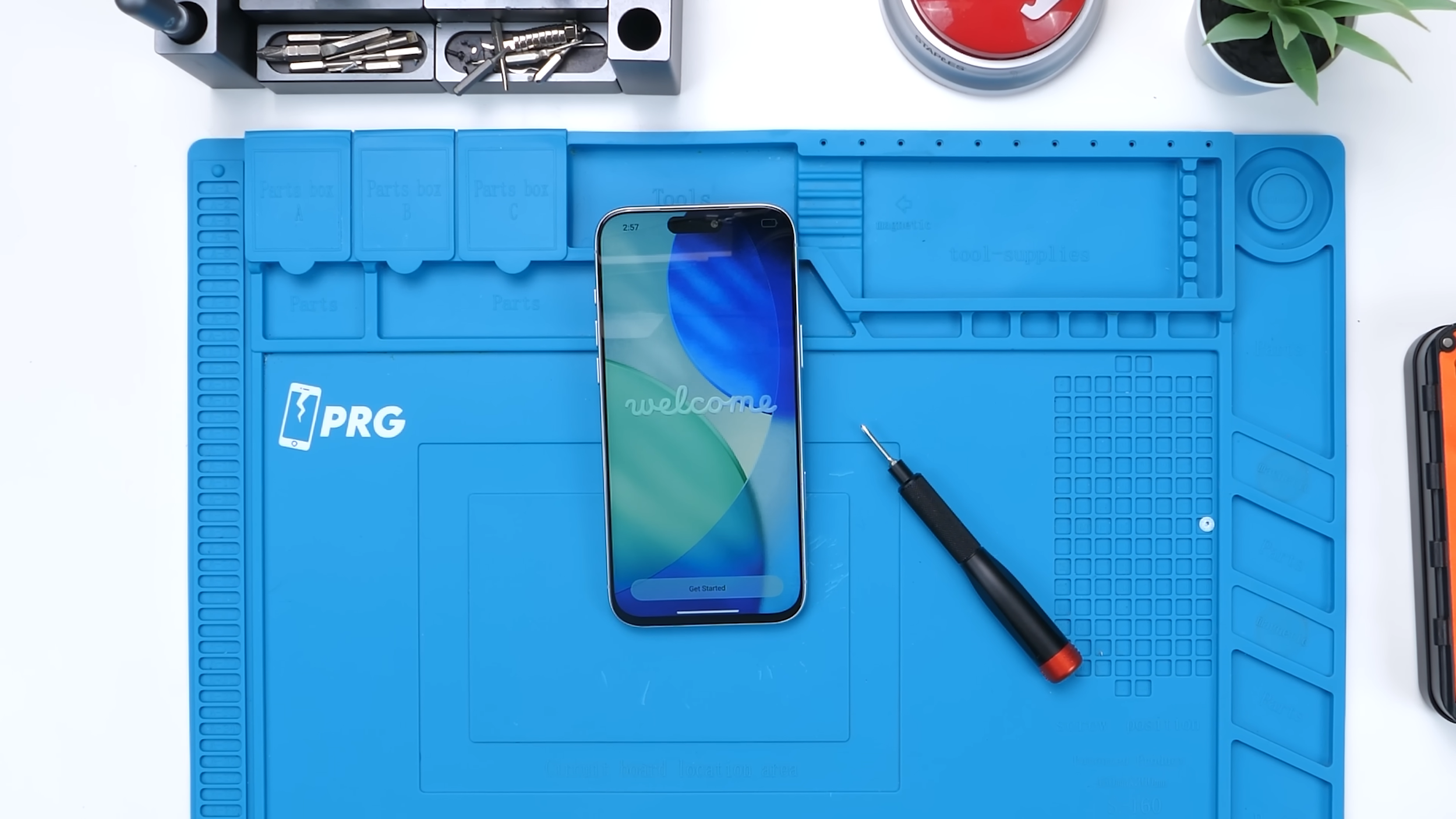
Control Center doesn’t work properly, the App Store is broken, and the system starts showing its real identity almost immediately. The phone is running an older Android-based system with a MediaTek processor, likely less than 6GB of RAM, and fake system information scattered throughout the software.
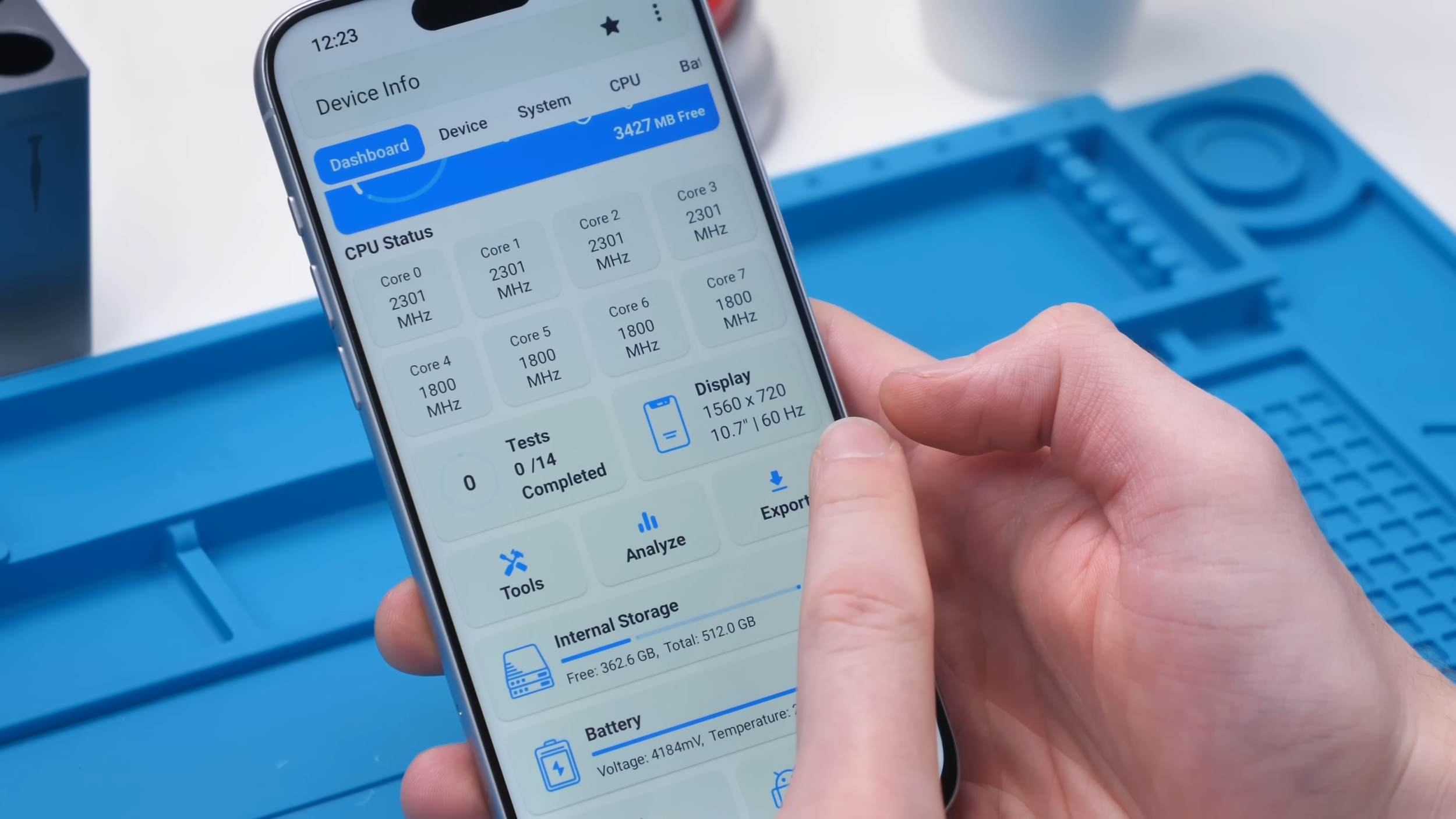
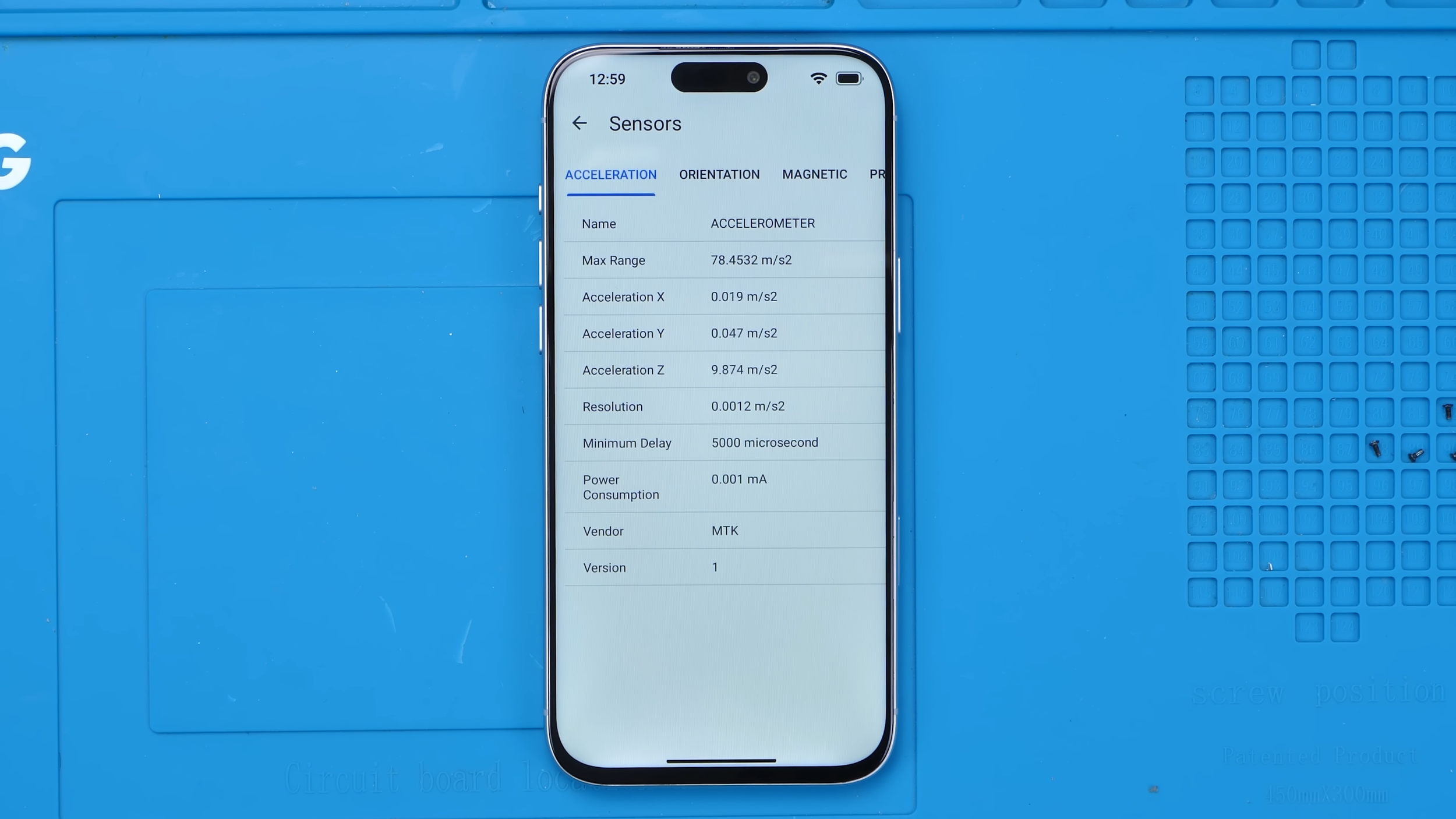
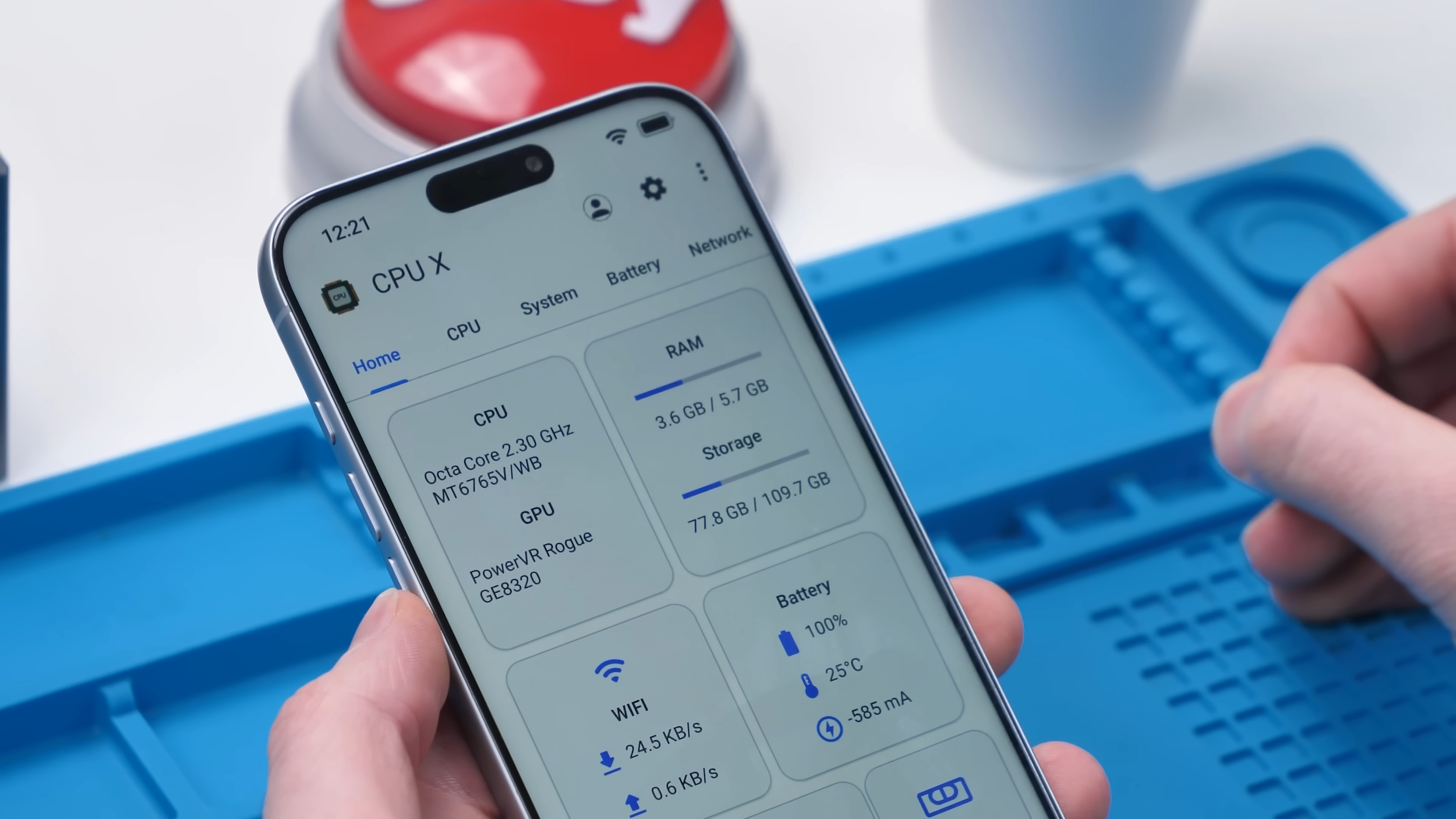
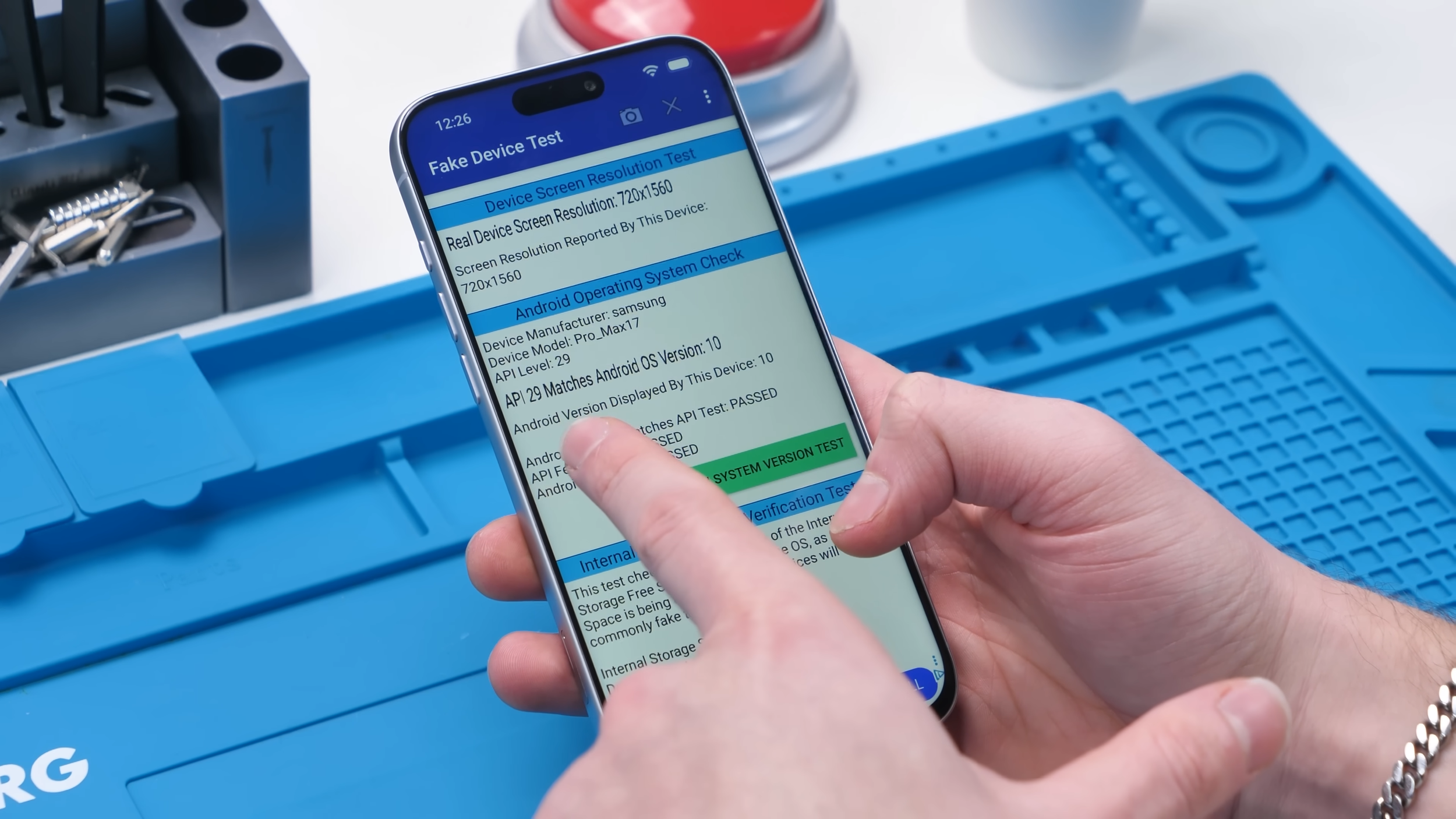
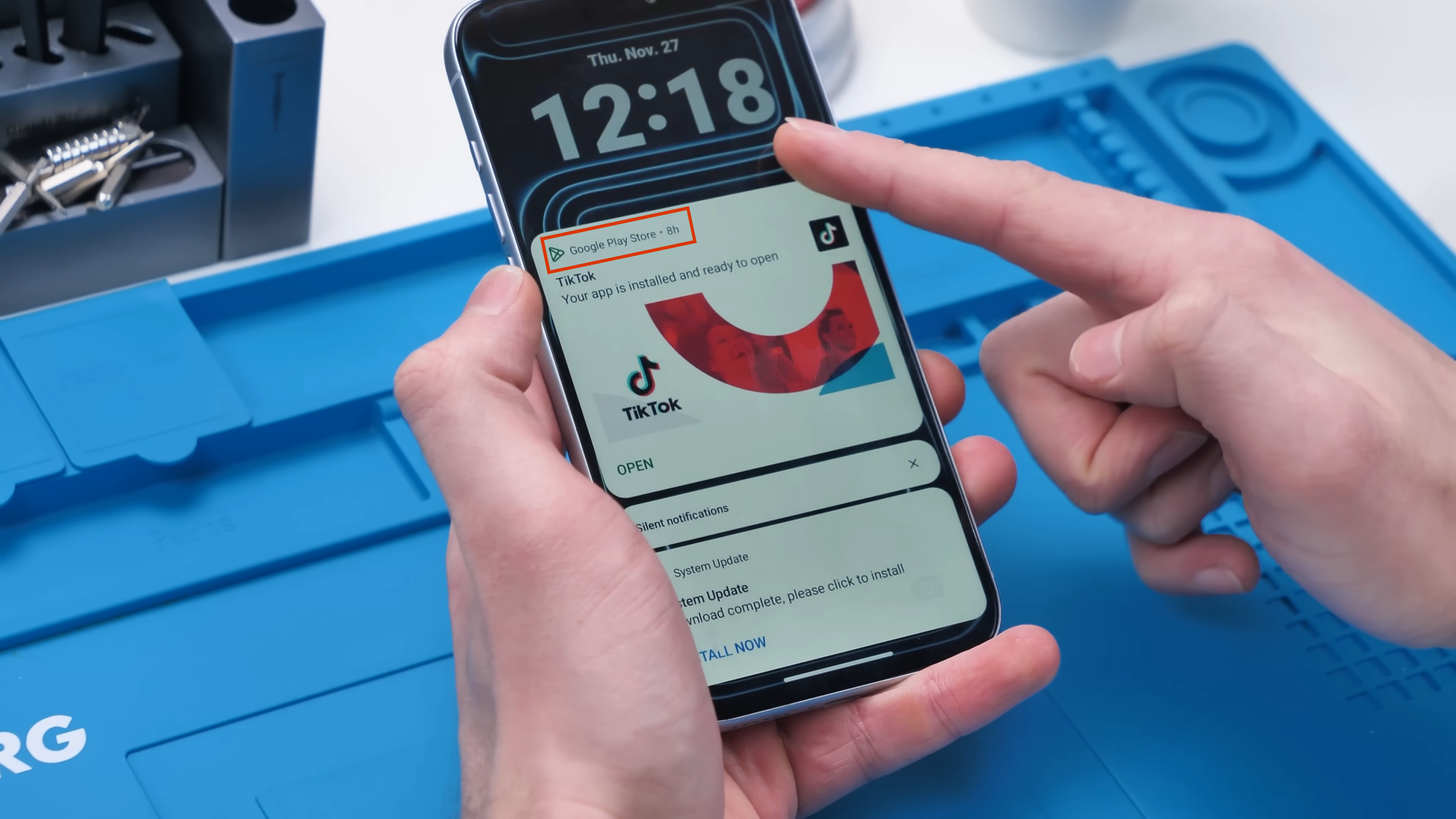
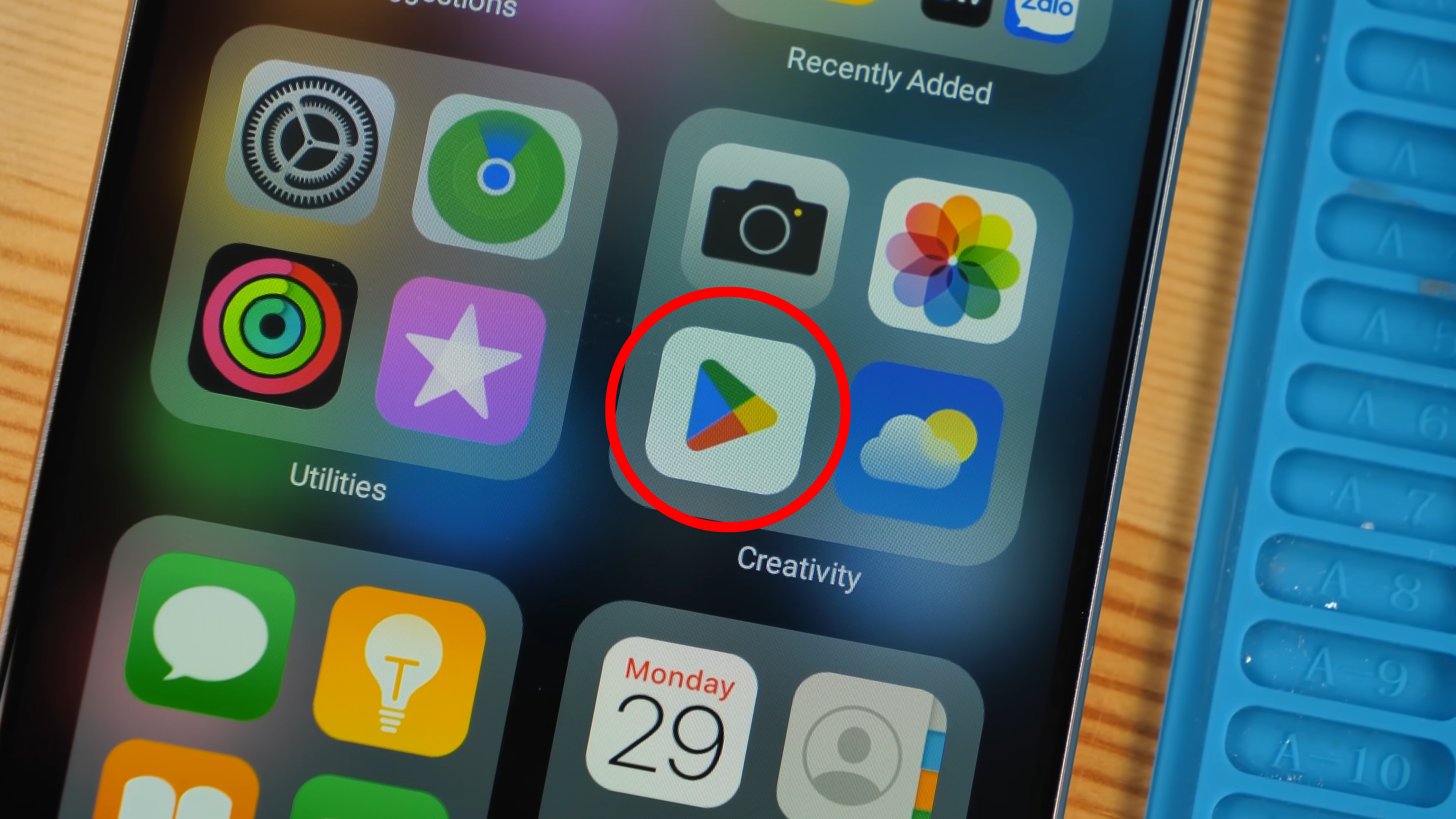
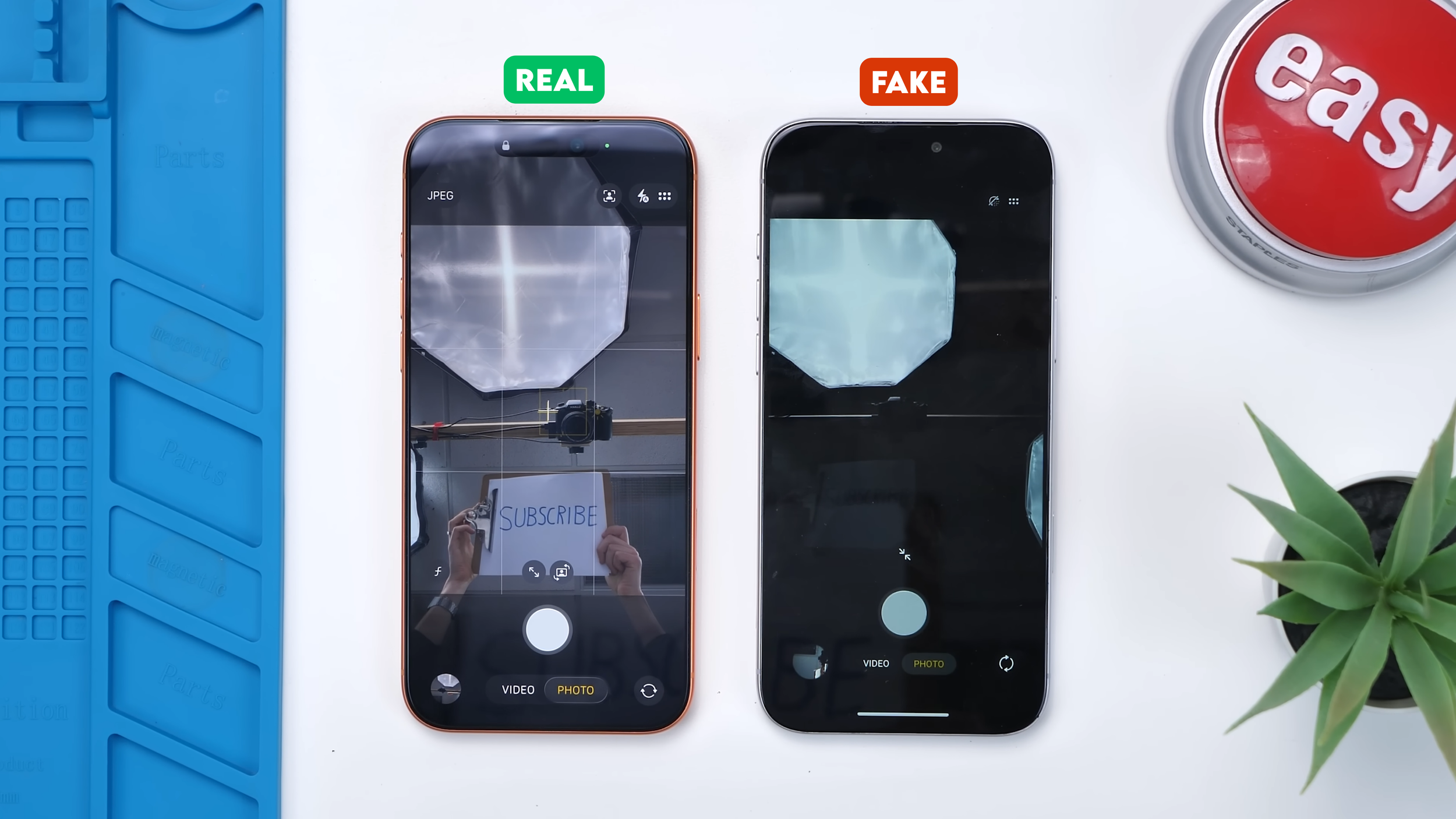
Performance was also rough. Games ran poorly, benchmark apps failed to run properly, and the cameras looked noticeably worse than the real iPhone with weak autofocus and washed-out colors.

Final Thoughts
This fake iPhone is honestly impressive from a design perspective. The gap between real and fake hardware keeps getting smaller every year, especially externally.
But once you actually use it, the illusion breaks quickly.
The software is unstable, the cameras are bad, performance is slow, and the entire purpose of these phones is still the same: tricking people into thinking they’re buying a real iPhone.
And honestly, that’s the part that keeps getting more concerning.
See you in the next article!
