
This Tiny Box Can Kick You Off WiFi… And Anyone Can Buy It
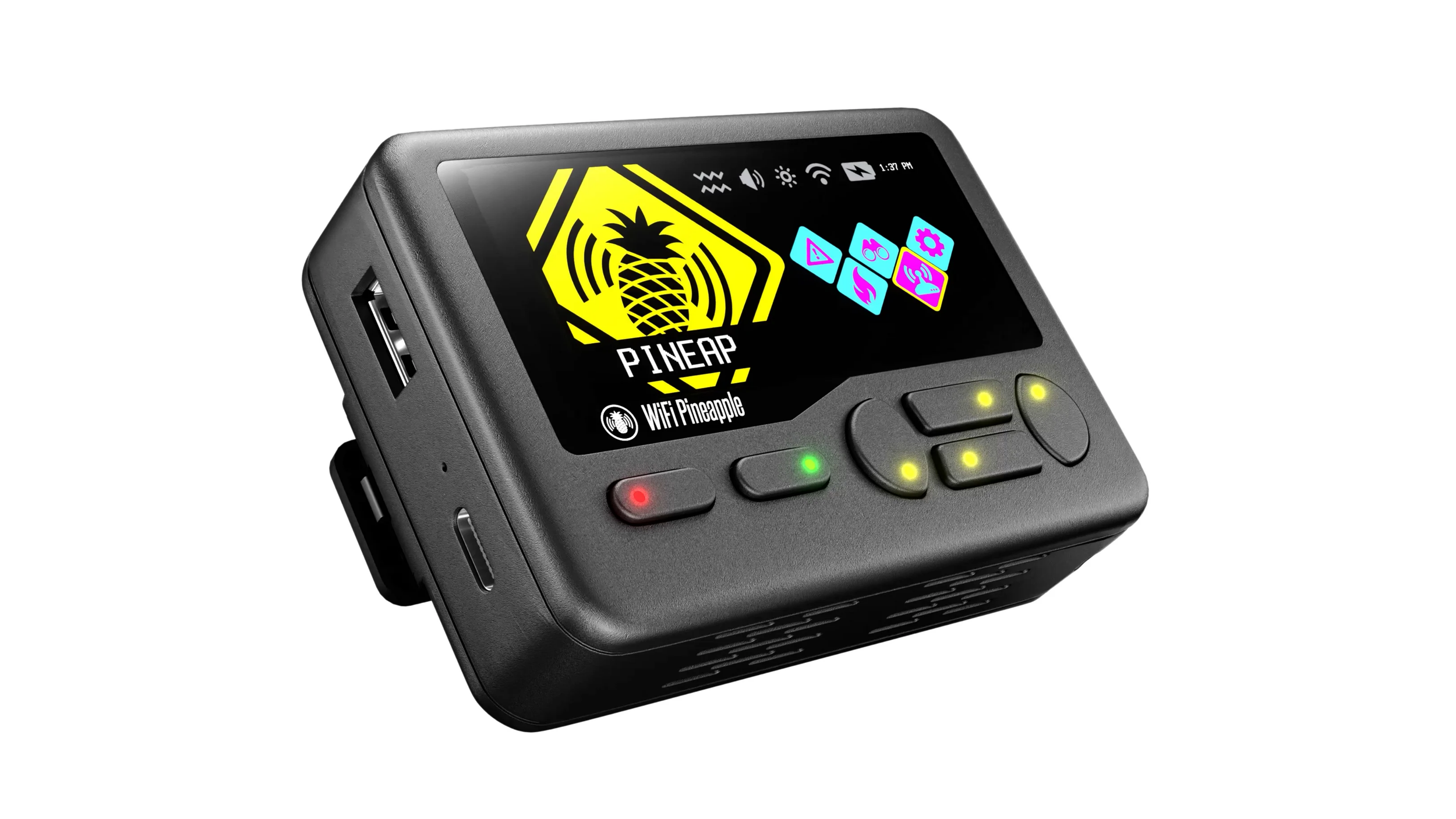
I bought something that honestly feels like it should require way more questions before checkout. It cost me around $300, it arrived like any normal tech product, and somehow anyone can just order this online without much trouble.
It’s called the WiFi Pineapple Pager by Hak5, and the easiest way to describe it is this: Imagine a Flipper Zero, but focused almost entirely on WiFi networks.
And yes, it is exactly as concerning as that sounds.
What Even Is The WiFi Pineapple?
At first glance, it looks weirdly harmless.
It’s just a small device and nothing about it screams “this can mess with nearby networks.” But the moment you start learning what it actually does, things get uncomfortable fast.

The WiFi Pineapple is marketed as a wireless auditing and penetration testing tool. In simpler terms, it’s designed to test WiFi security by simulating attacks that hackers might use in real life.
That sounds professional and controlled on paper, but in practice, it can do some pretty wild things.
The First Thing I Tested
I wanted to try something simple first.
So I had a laptop actively streaming on Twitch over WiFi, then used the Pineapple to send a deauthentication attack. Basically, it tells a device to disconnect from the network it’s currently using.
And instantly… boom.
The connection dropped.

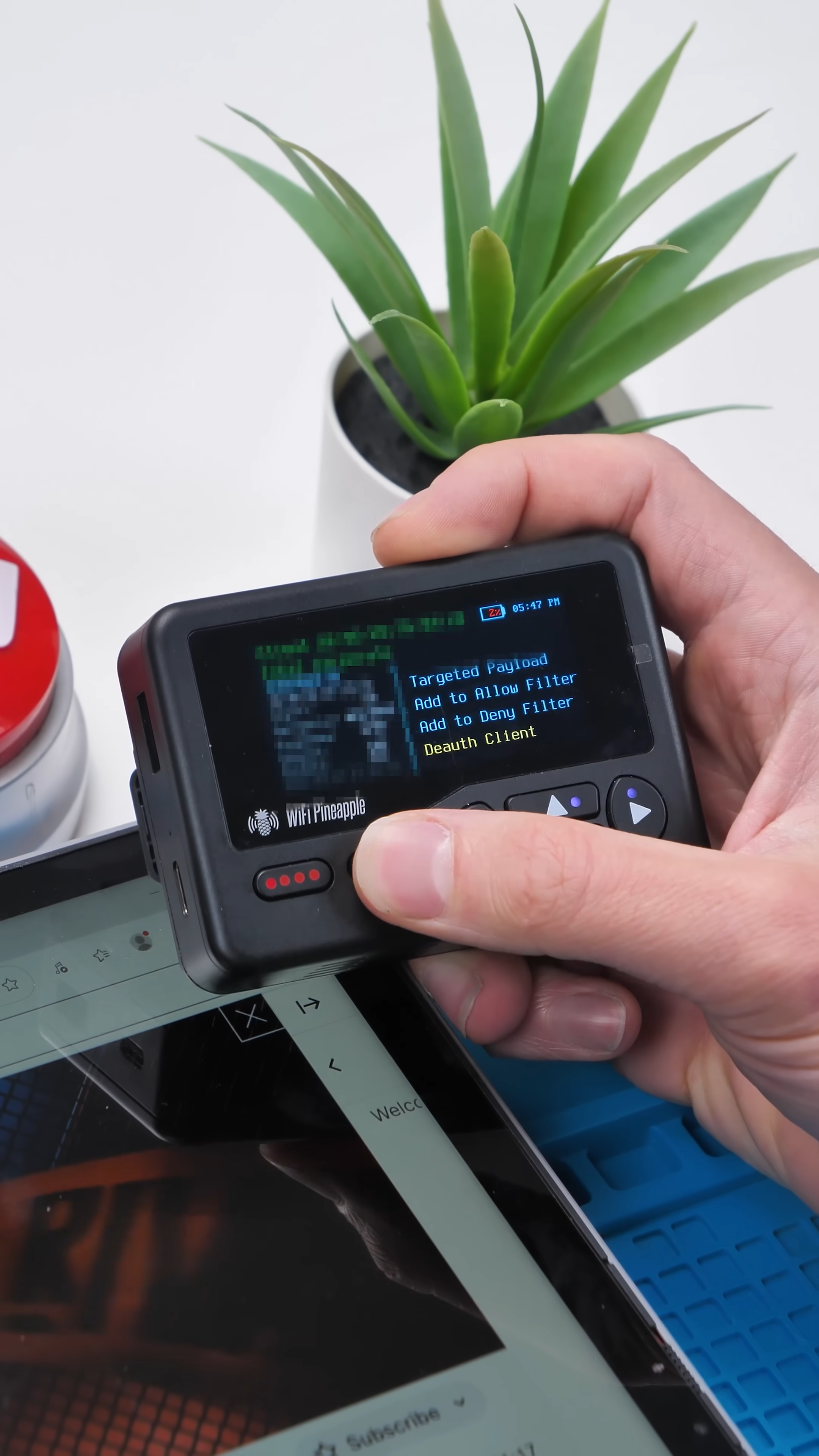


No complicated setup. No movie-style hacking screen. Just a small device forcing a live connection offline within seconds.
That alone was already enough to make me realize this thing is on a completely different level from most consumer gadgets people casually buy online.
It Gets Way More Serious Than That
Disconnecting devices is honestly just the surface-level stuff.
The WiFi Pineapple is capable of much more advanced network manipulation techniques, especially when people connect to public WiFi networks without thinking twice.
One of the most well-known examples is creating rogue access points. That means the device can imitate legitimate WiFi networks so nearby devices accidentally connect to it instead of the real router.
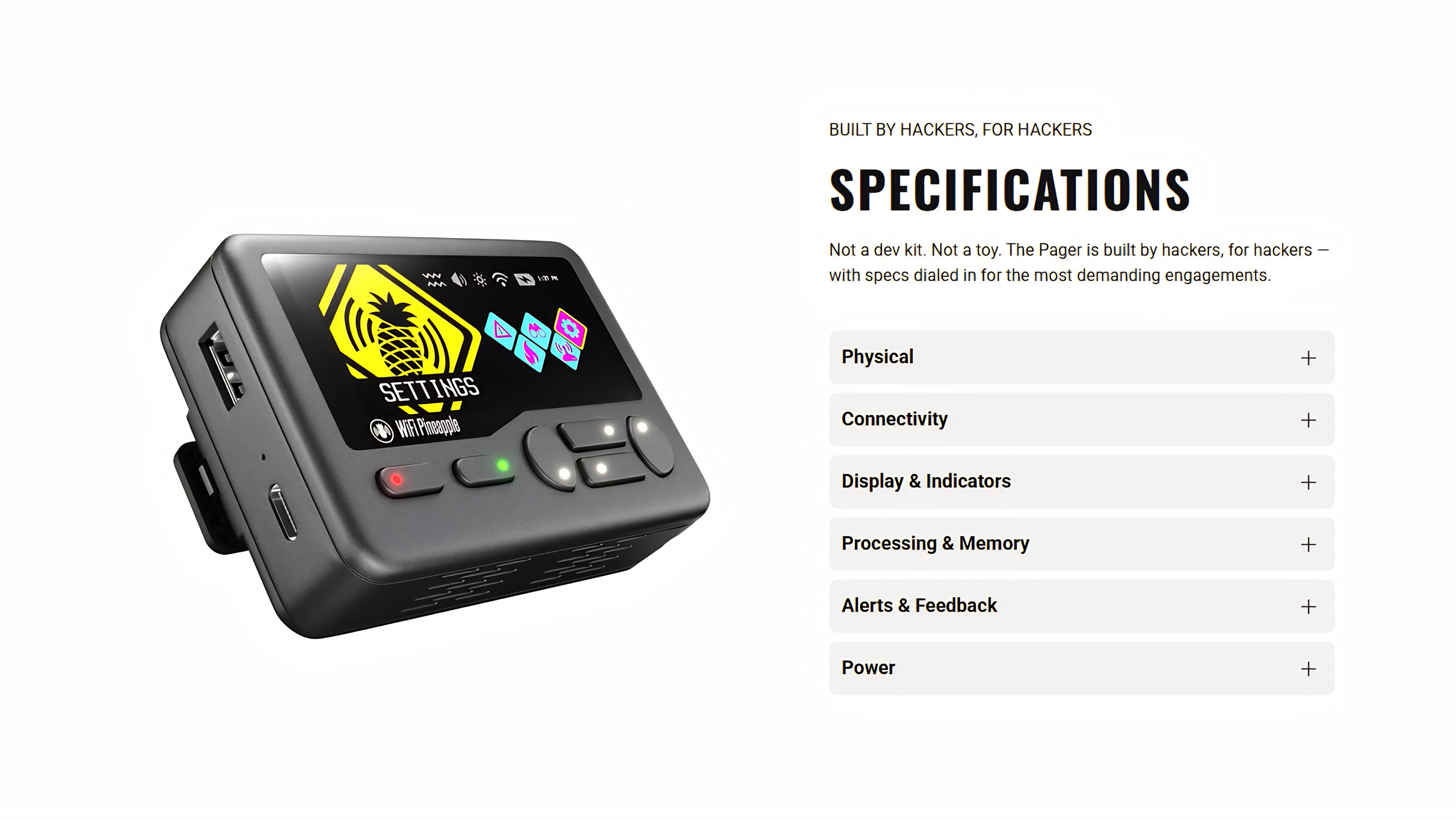
For example, if someone previously connected to a network called “CoffeeShop_WiFi,” the Pineapple can impersonate that network name and wait for devices to reconnect automatically.
And that’s where things start getting scary.
Depending on how it’s configured, traffic can potentially be monitored, redirected, or manipulated for security testing purposes. Security researchers use tools like this to demonstrate how vulnerable public WiFi environments can be when basic protections are missing.
Why Devices Like This Exist
To be fair, tools like this are not designed purely for chaos.
Cybersecurity professionals legitimately use devices like the WiFi Pineapple to test networks, train employees, audit vulnerabilities, and demonstrate real-world attack scenarios before actual attackers exploit them.
The problem is that the same tools used for ethical security testing can also be abused very easily in the wrong hands.
And that’s the weird feeling this thing gives off.
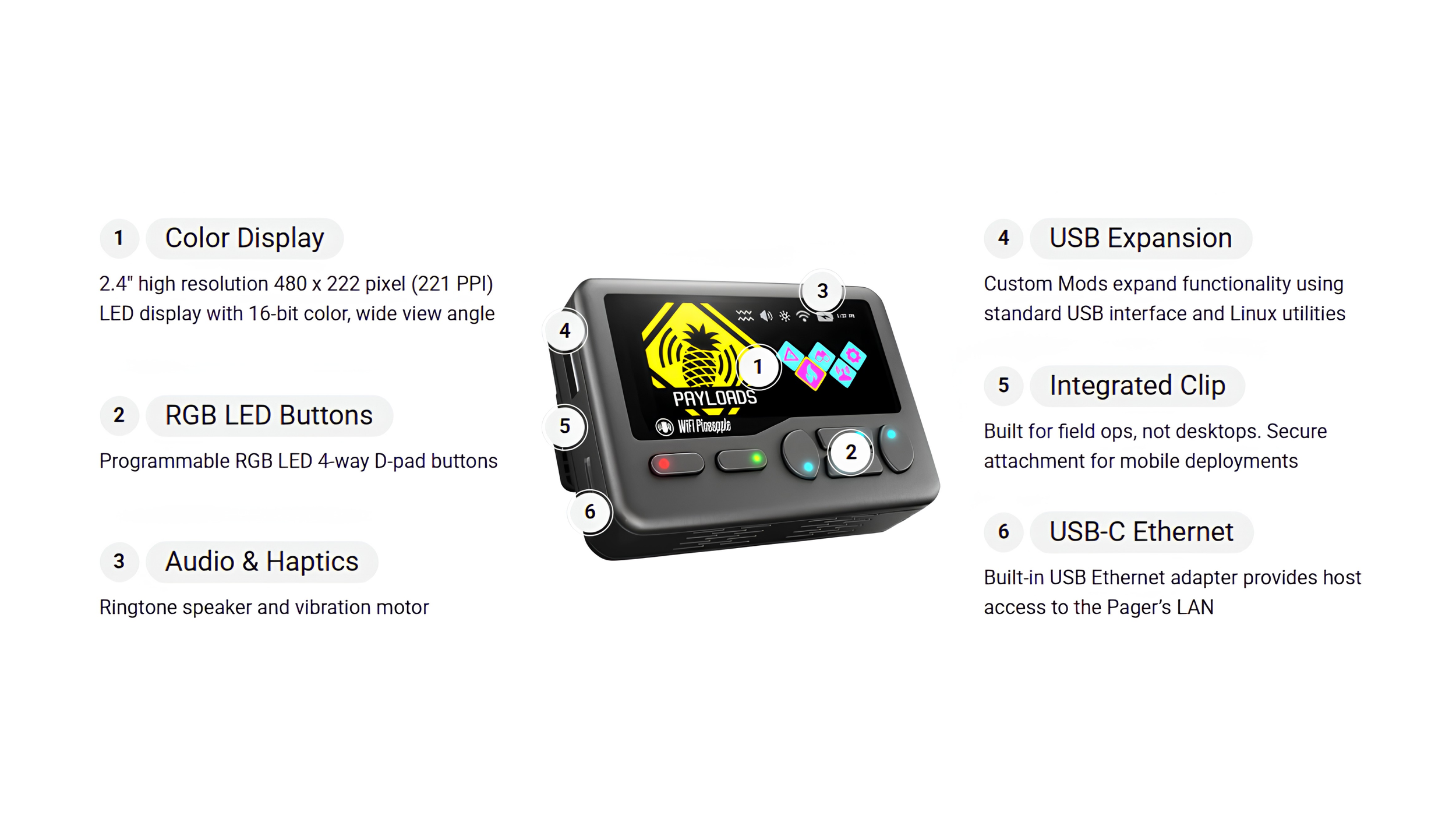
It’s not hidden on some sketchy dark web marketplace. It’s openly sold as a professional tool, shipped like normal tech hardware, and backed by a company that focuses on security education.
But once you see what it can actually do, you suddenly start looking at public WiFi very differently.
This Is Definitely Not The Last Time You’ll See This Thing
I’ve barely scratched the surface with it so far.
There are still a ton of features I haven’t even touched yet, including packet captures, fake login portals, network monitoring tools, and more advanced wireless attacks that honestly deserve their own separate breakdowns.
So this is probably turning into a series.
Because the deeper I go into this thing, the more it feels like one of those devices that casually exposes how fragile modern tech really is.
And honestly… I’m not sure if that’s fascinating or terrifying.
See you in the next article!
