
I Put a Privacy Screen on a Privacy Phone… It Got Worse
This Shouldn’t Work… But I Had to Try It
I picked up a $10 privacy screen protector for the Samsung Galaxy S26 Ultra, and right away, this felt like one of those ideas that could go either way. Either it adds an extra layer of security, or it completely breaks the experience.
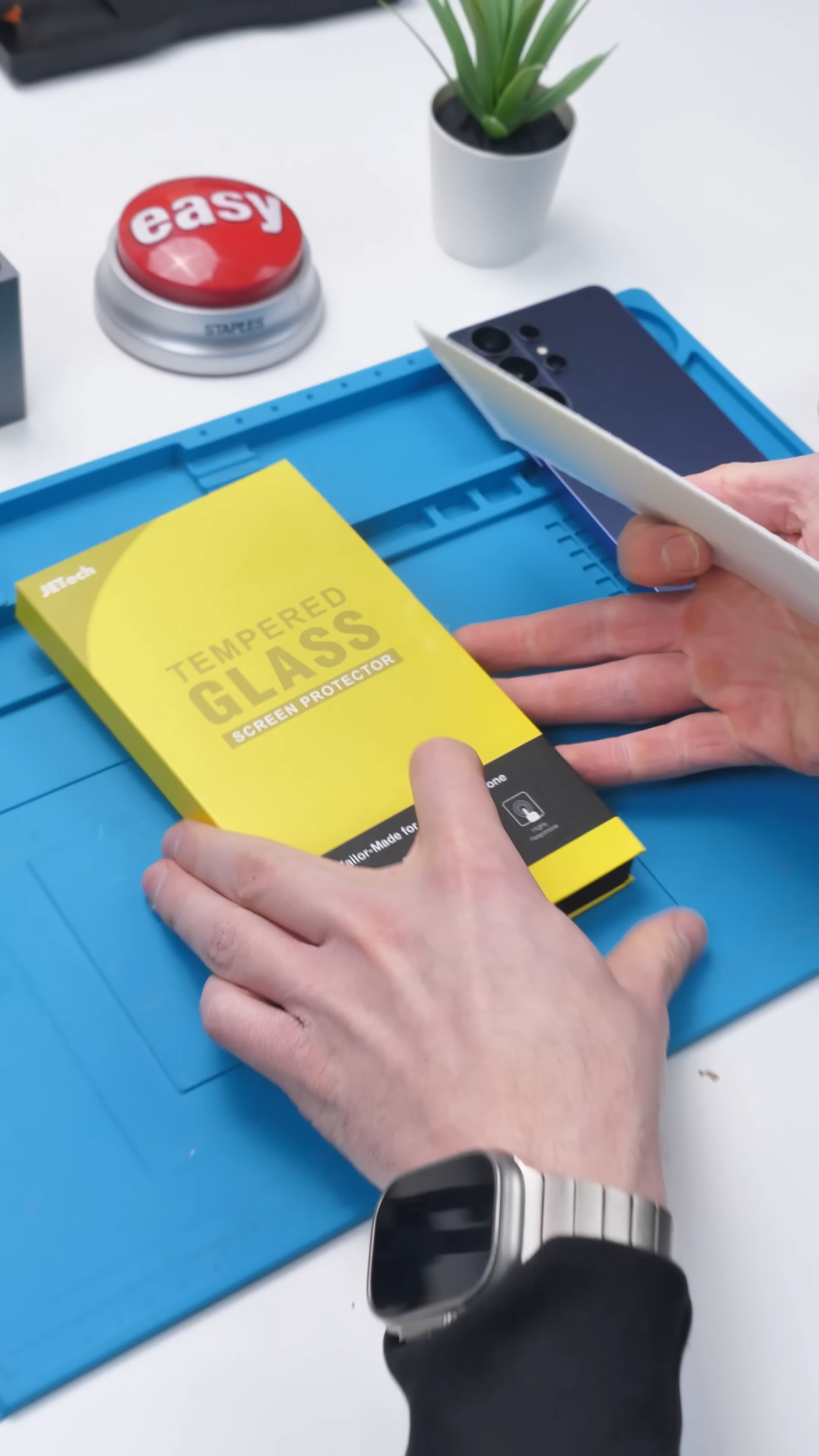
The S26 Ultra already has a built-in privacy display, which means it’s designed to limit viewing angles from the start. That alone should’ve been enough, but stacking another layer on top was too tempting not to test.
So I went ahead and applied it, knowing there was a good chance this wouldn’t end well.
It Ruins the Display Instantly
The moment the screen protector goes on, the difference is immediate. The display loses that sharp, vibrant look that you expect from a flagship device.
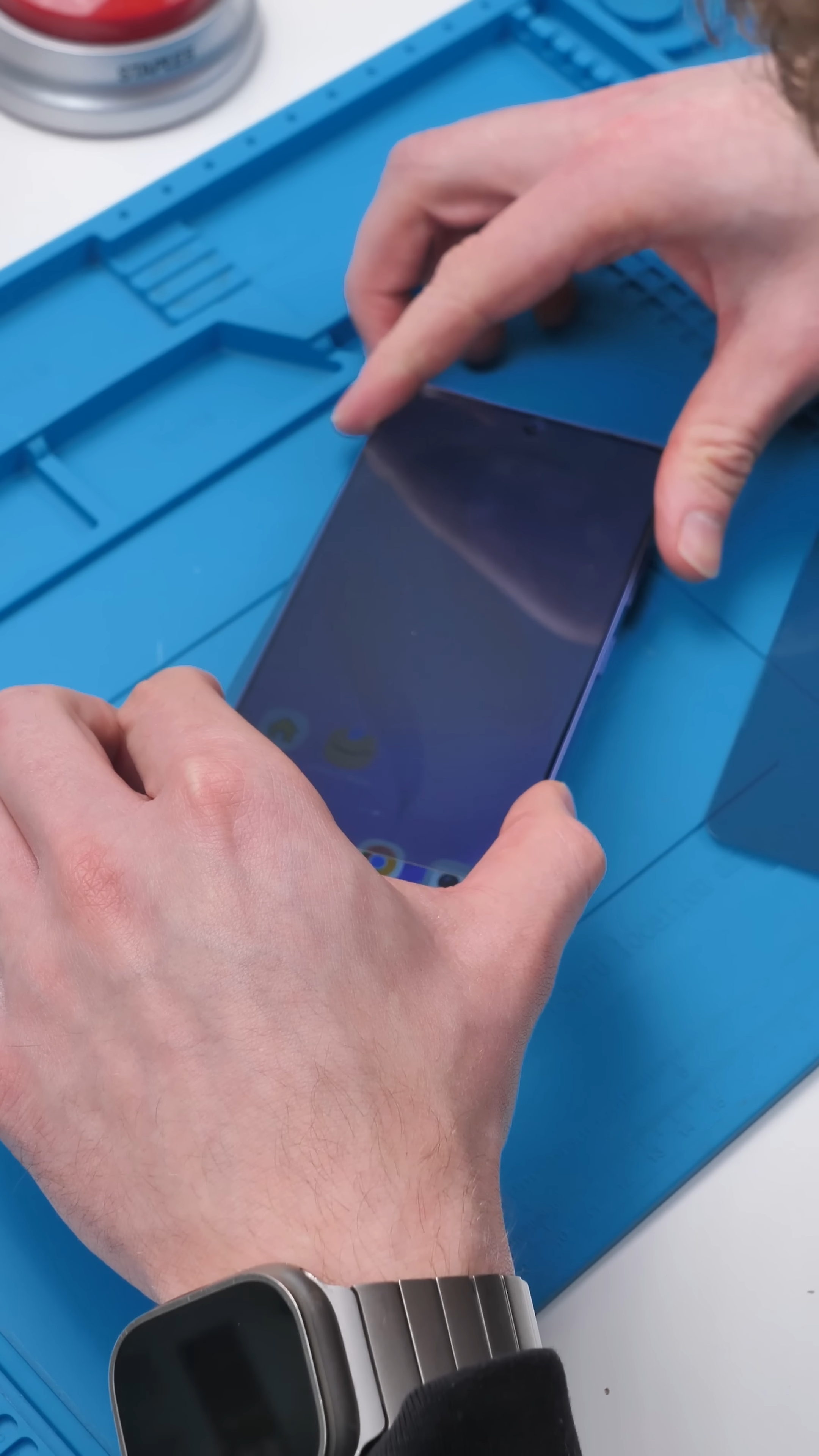
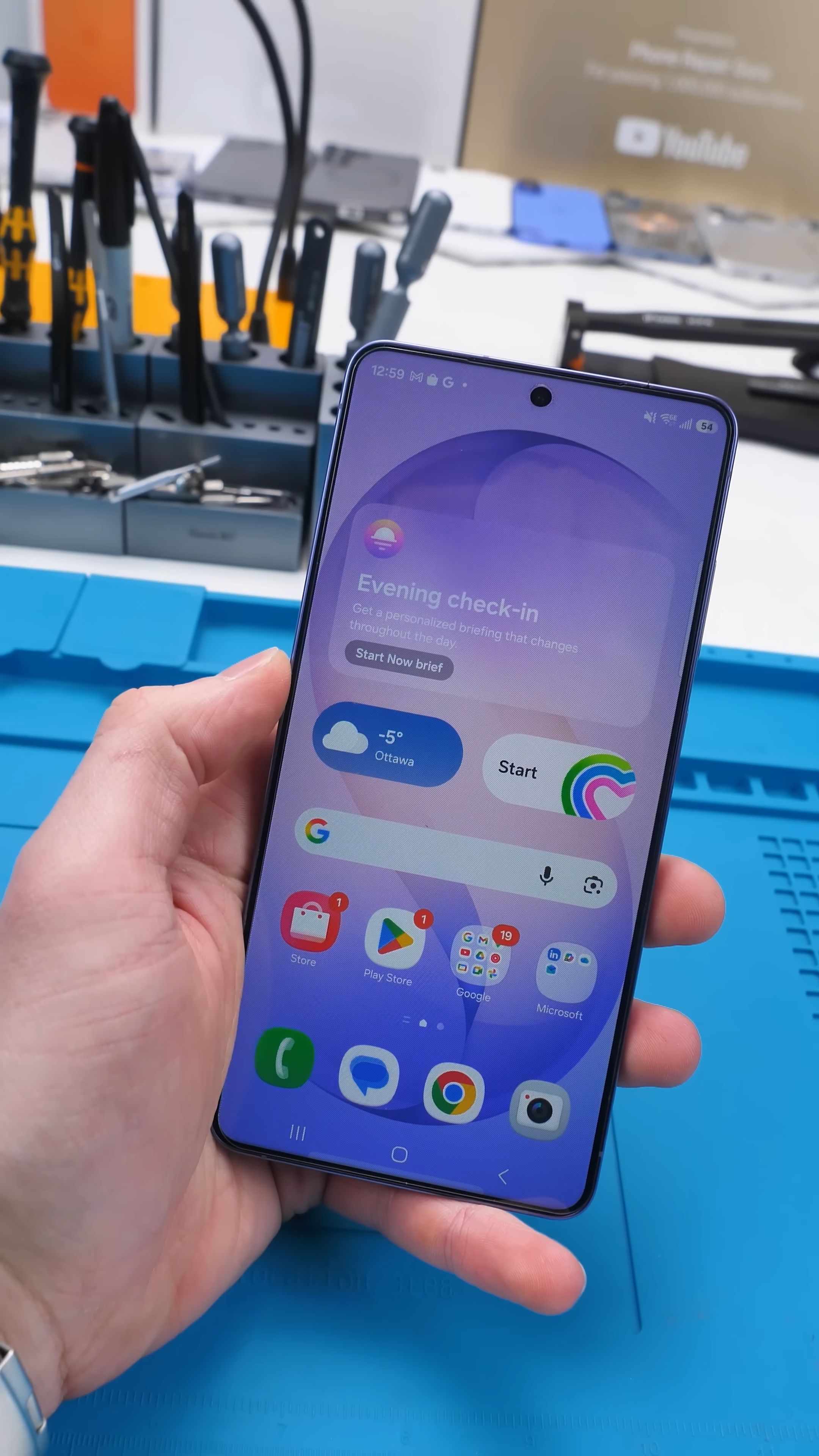
Brightness drops noticeably, and colors start to look flat and muted. It doesn’t completely destroy the screen, but it takes away that premium feel almost instantly.
What’s surprising is how quickly it becomes noticeable. Even without tilting the phone, you can already tell something feels off.
The Moment You Tilt It, It Falls Apart
This is where things really start to break down. The second you tilt the phone even slightly, the screen doesn’t just dim, it practically disappears.
It’s not like a normal privacy screen where there’s still a usable viewing angle. Here, the transition is way more aggressive, and it feels like the display just shuts off.
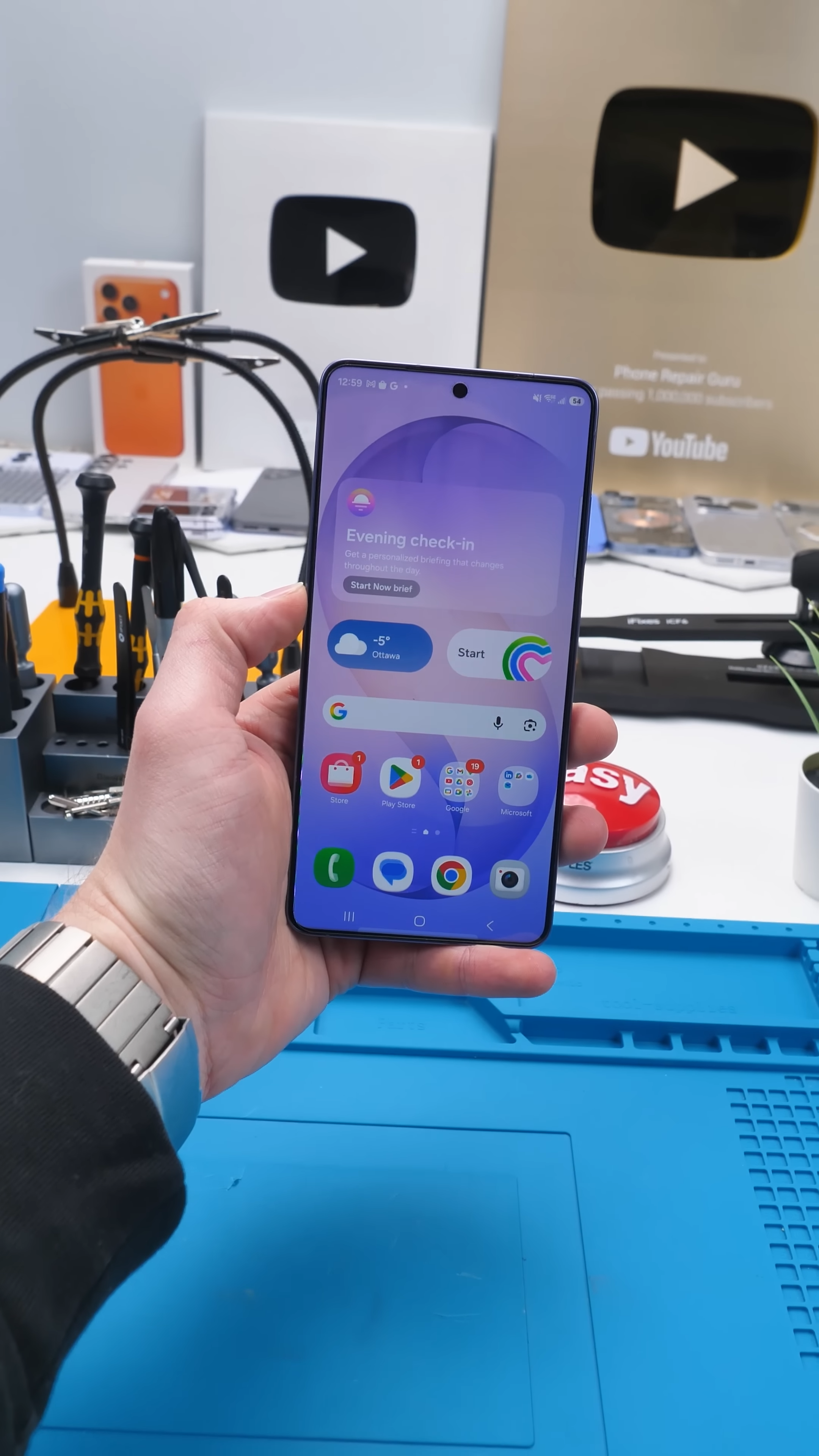
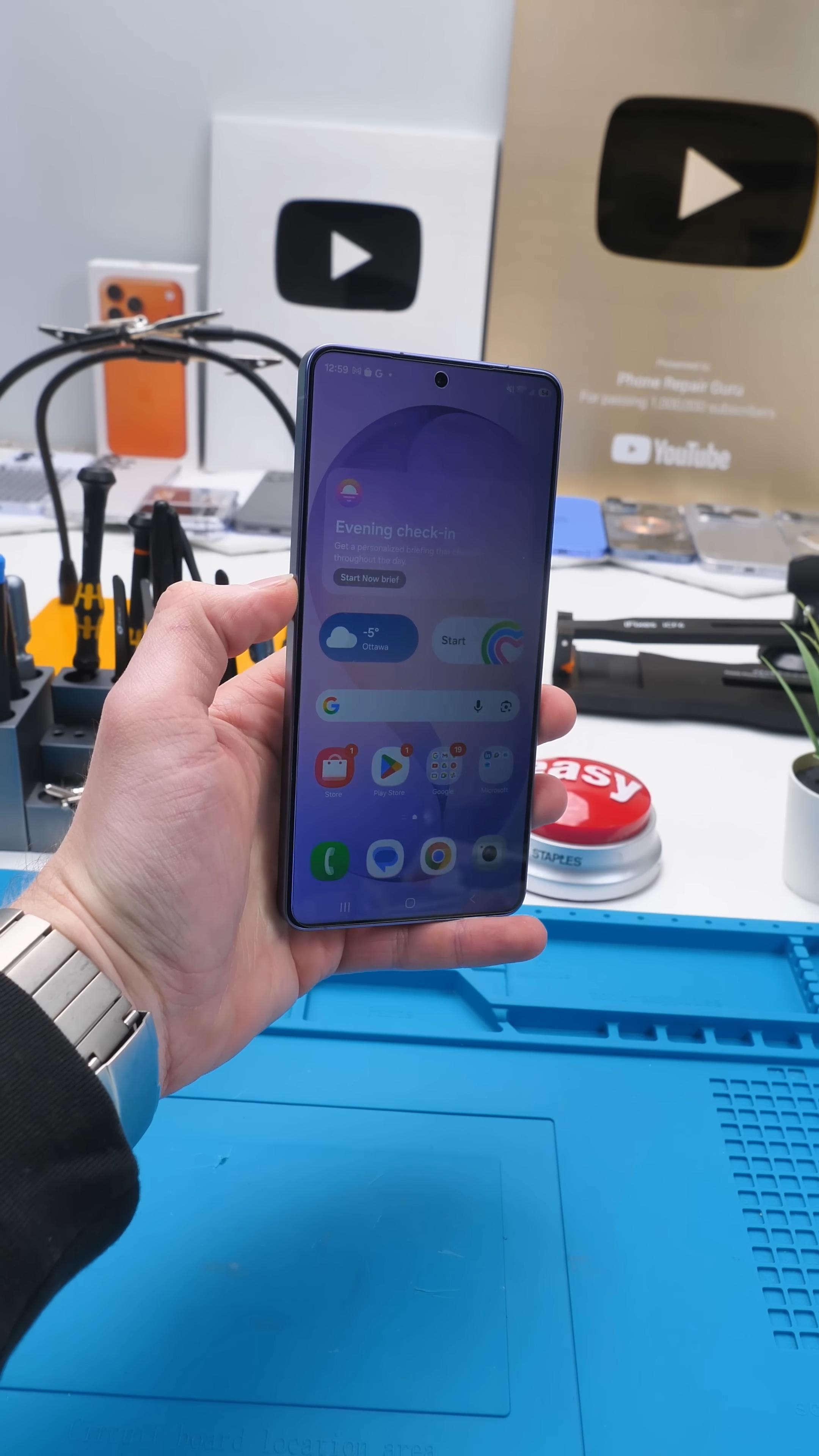
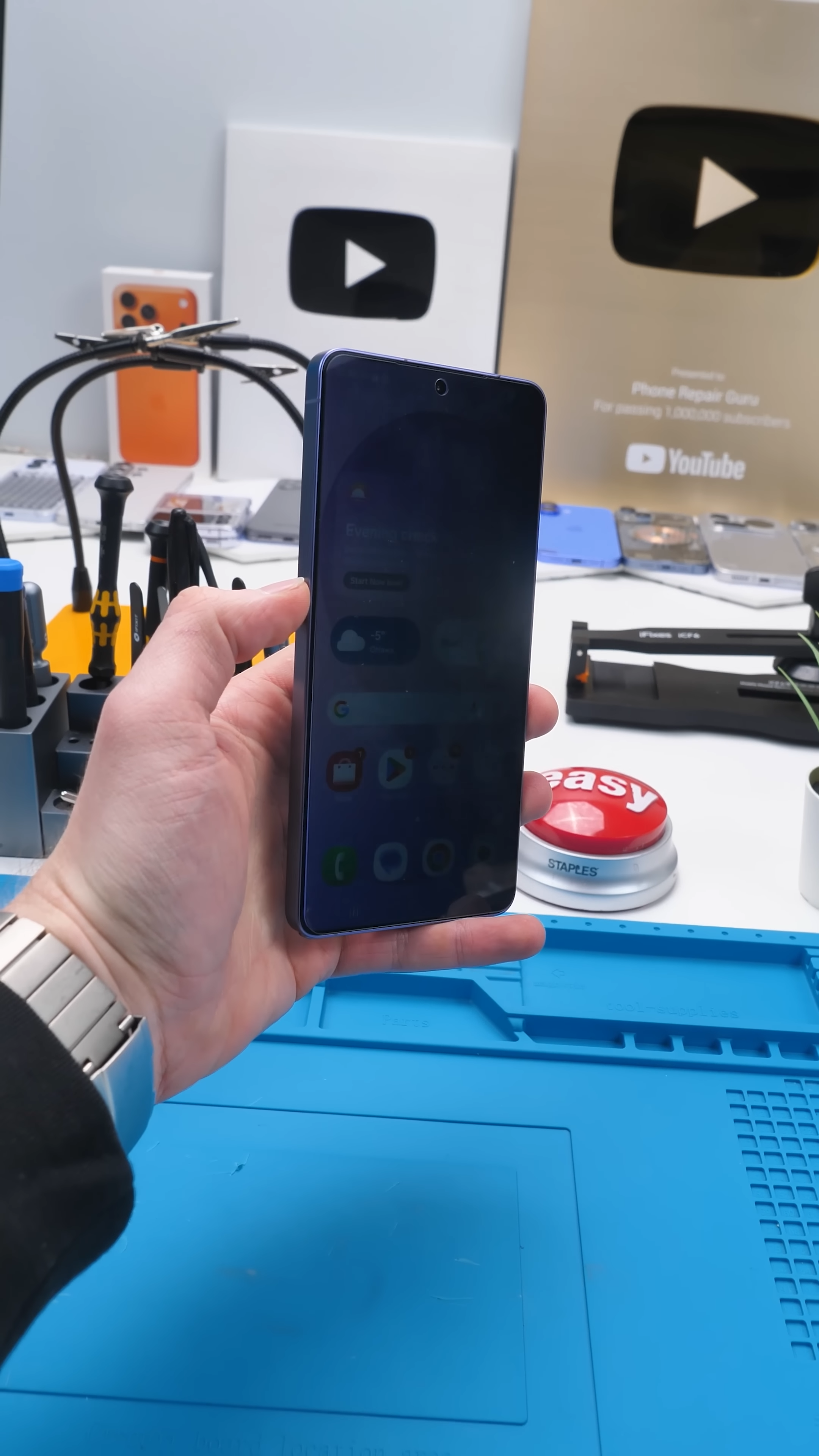
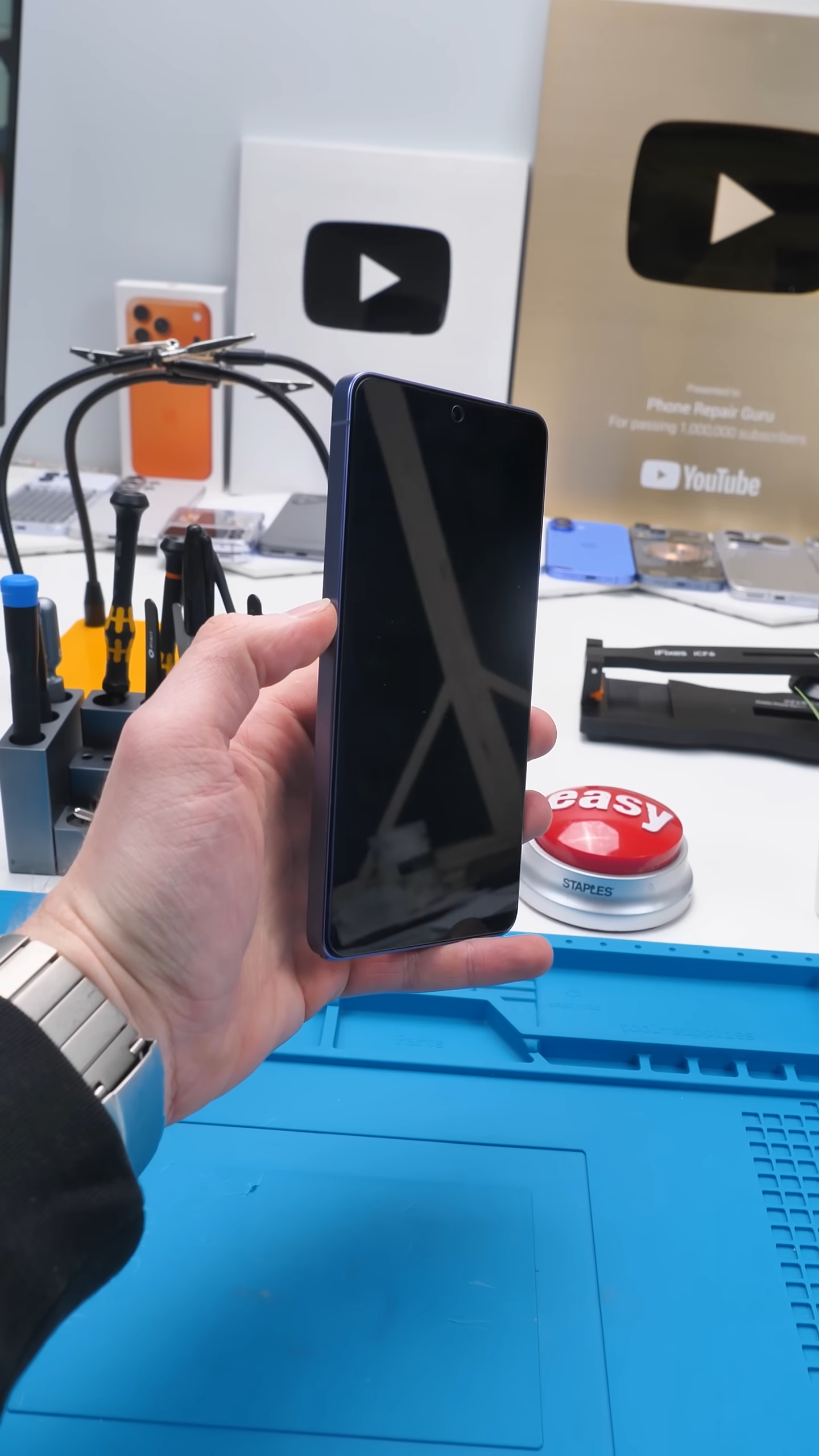
That’s because you’re stacking two layersdoing the exact same thing. The built-in privacy display limits angles, and the screen protector doubles that effect, pushing it way too far.
Using It Feels Like a Constant Adjustment
In actual use, it becomes frustrating pretty quickly. Small, natural movements are enough to throw off the visibility, which means you’re constantly adjusting your angle.
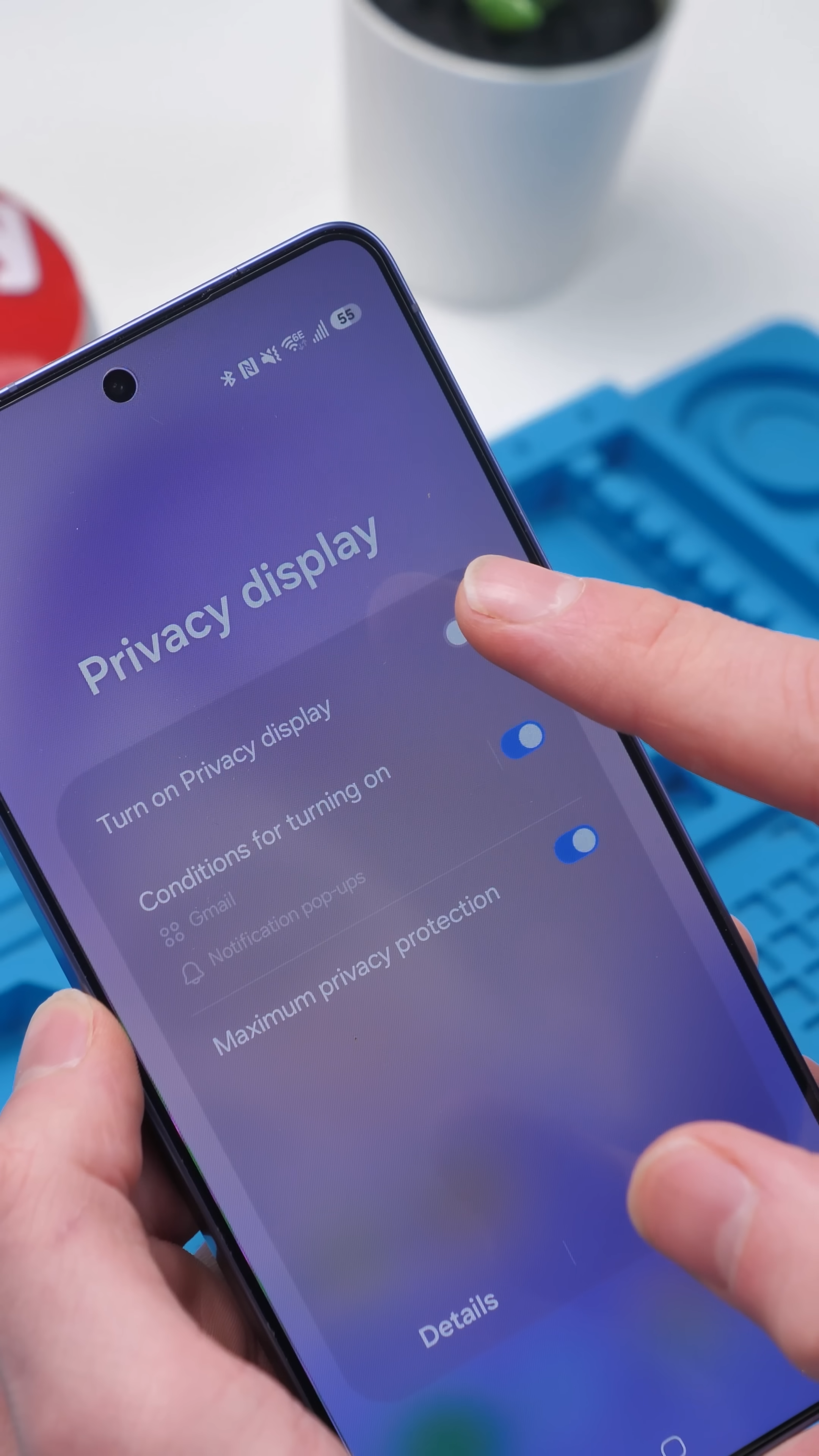
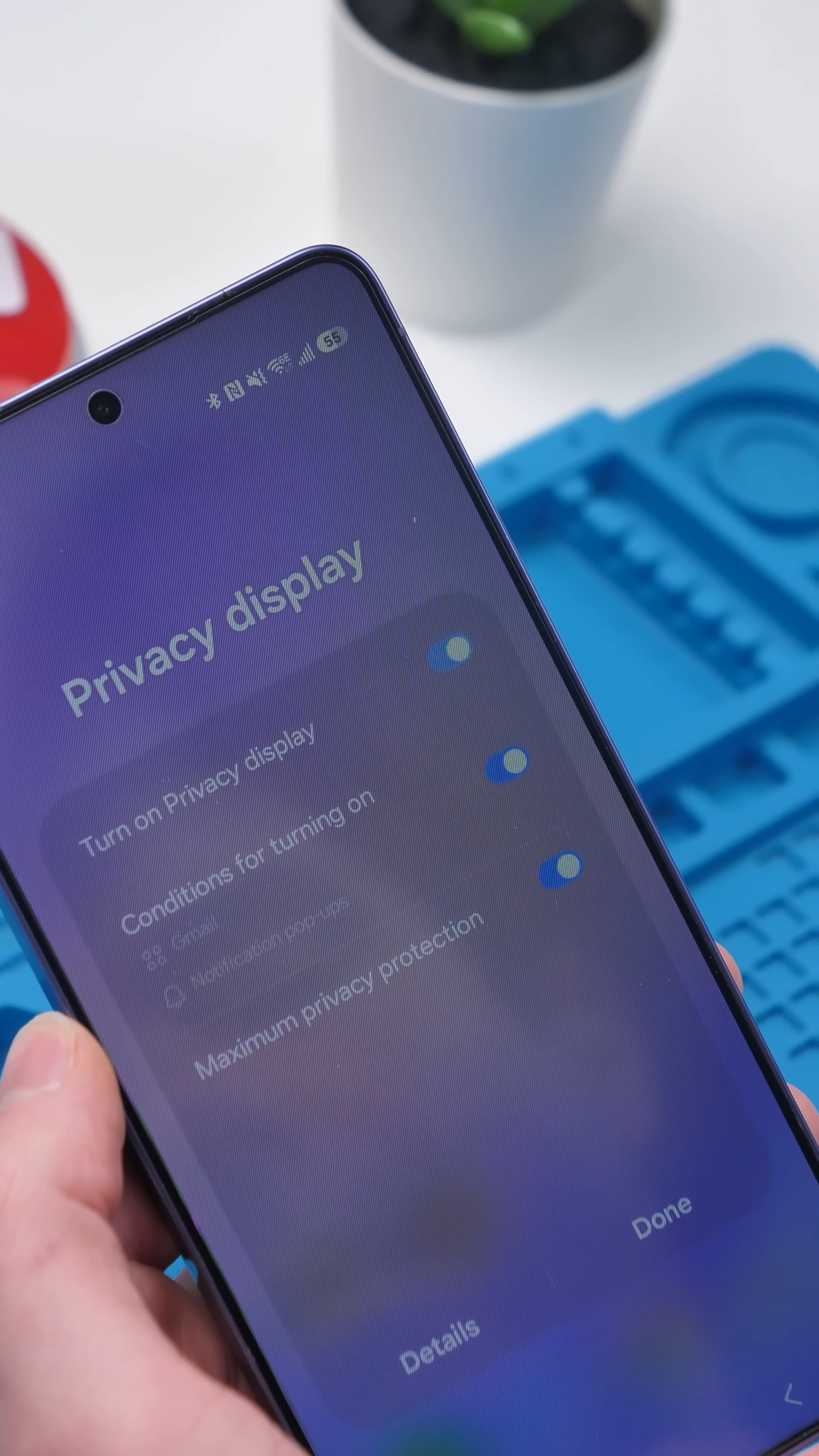
Something as simple as scrolling or replying to a message feels off. You’re not focusing on what’s on the screen, you’re focusing on keeping the screen visible.
Over time, it stops feeling like a feature and starts feeling like a problem you have to work around.
The Trade-Off Just Doesn’t Make Sense
Yes, the privacy is technically stronger. If someone is looking over your shoulder, they’re not seeing anything at all. But the issue is, you’re also losing your own ability to comfortably use the phone. That’s where the whole idea starts to fall apart.
A feature that protects your screen but makes it harder for you to use isn’t really an upgrade. It’s just shifting the problem onto you instead.
Final Thoughts
This felt like it could be one of those hidden hacks that actually works. Instead, it ends up being a perfect example of overdoing something that was already fine.
Stacking privacy on top of privacy doesn’t improve the experience. It pushes it past the point of usability, where even basic tasks start to feel annoying.
It’s like putting on sunglasses, then adding another pair just to be safe. At some point, you’re not protecting your eyes anymore, you’re just making it harder to see.
See you in the next article!
