
This Fake iPhone Air Looks Too Real... And That's The Problem
Just when it felt like fake phones couldn’t get any crazier, the fake iPhone Air showed up.
And honestly? This might be the most convincing fake iPhone yet.
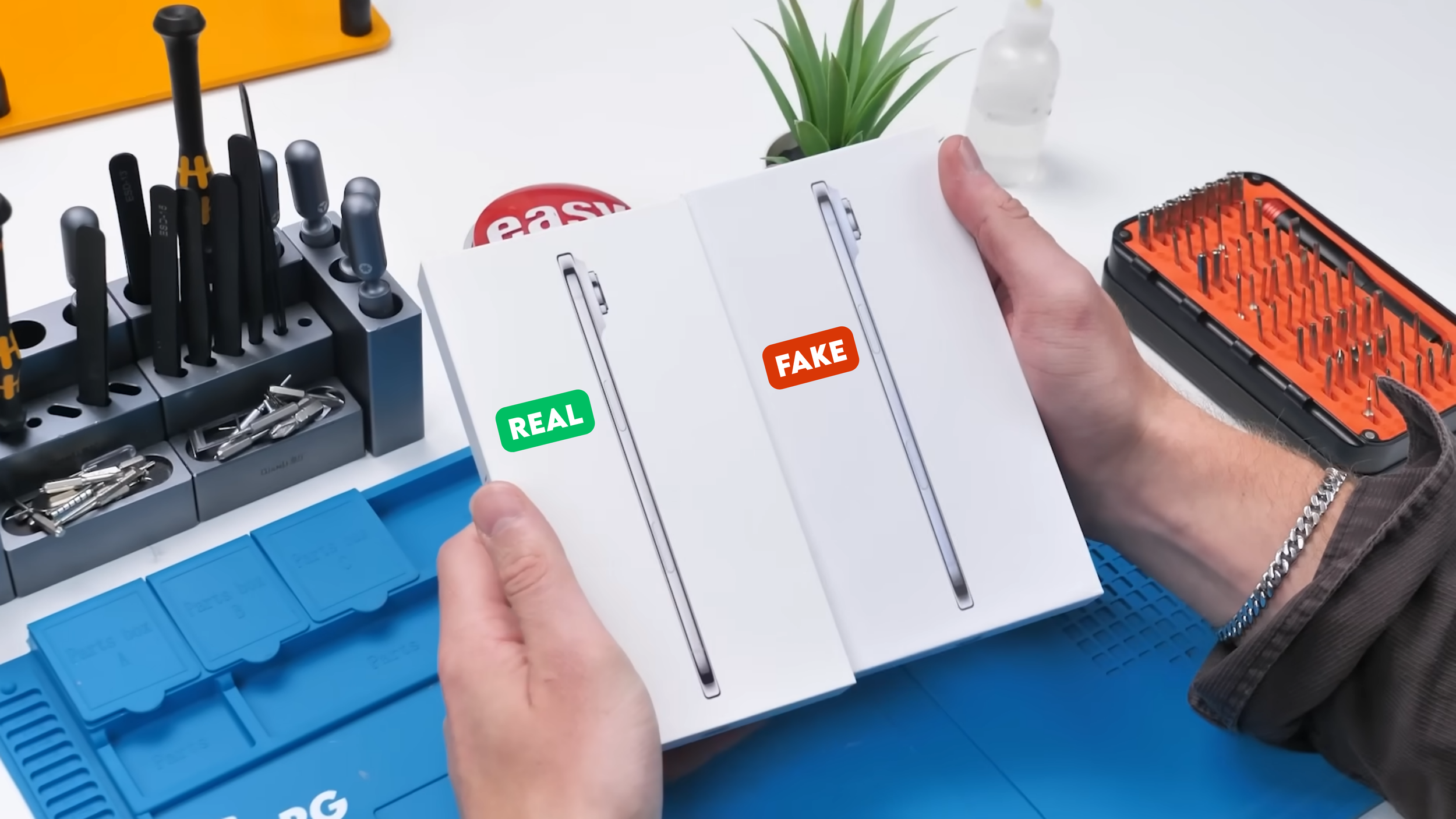
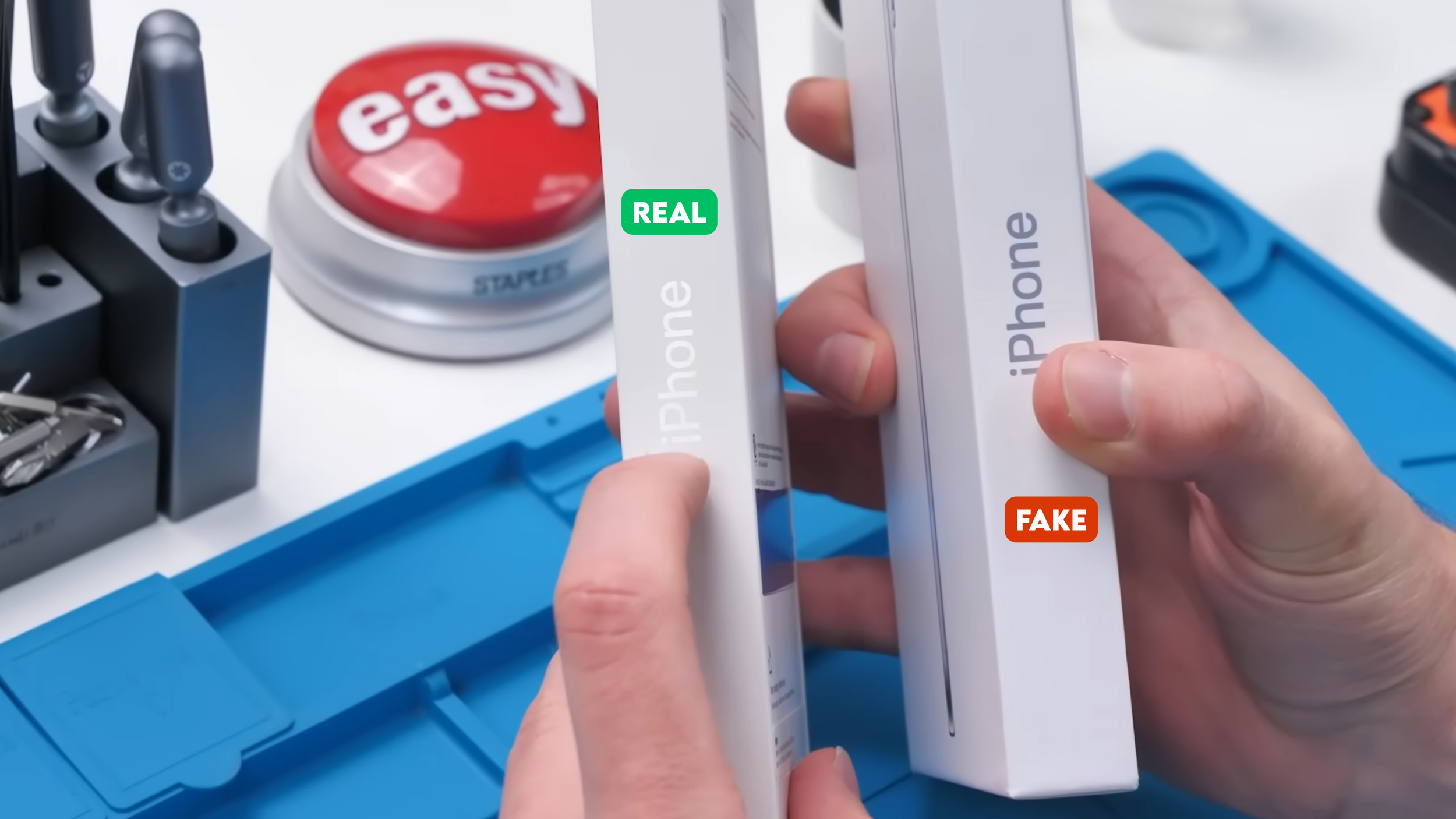
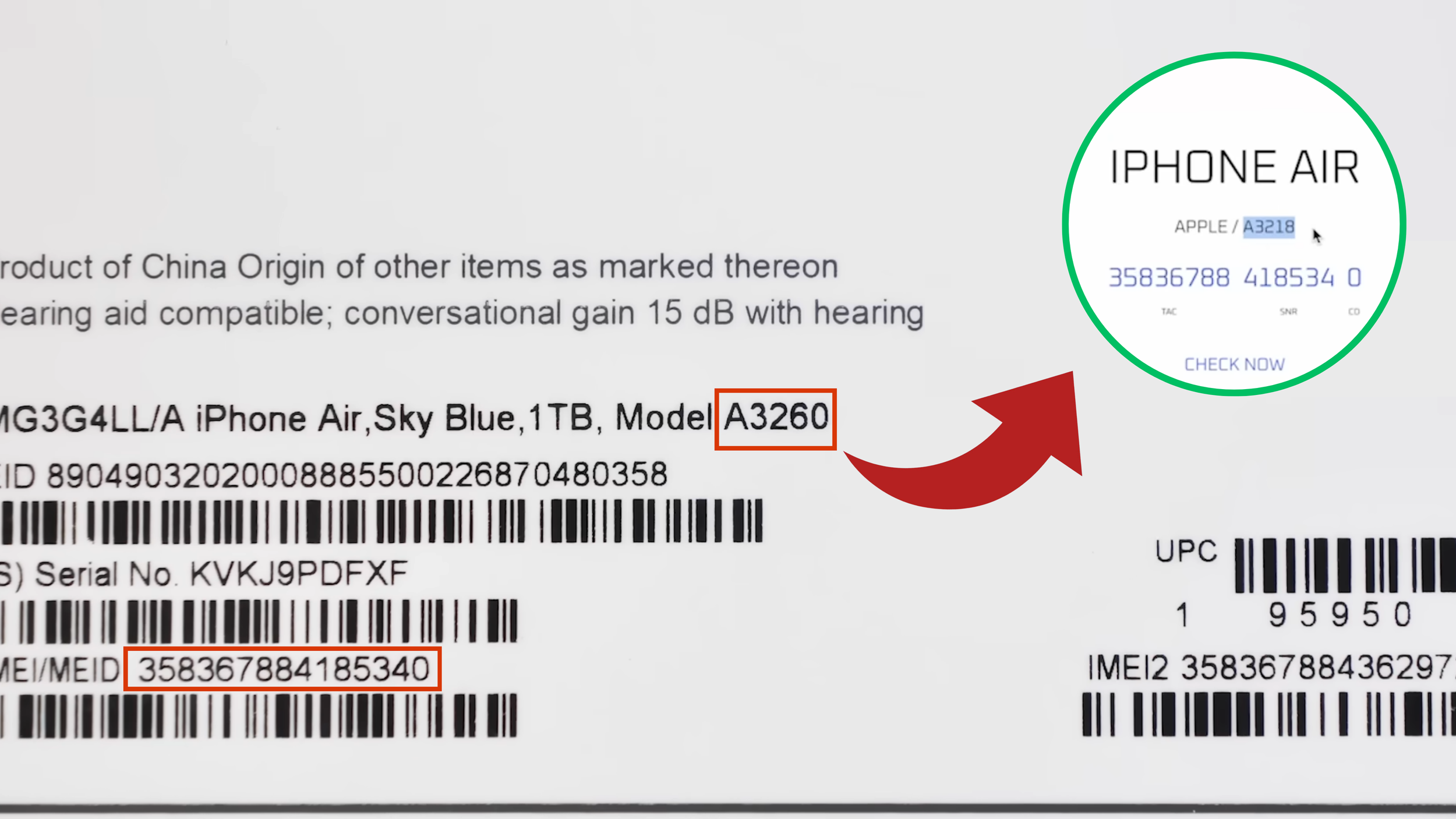
Right from the box, things looked surprisingly close to the real thing. The IMEI even linked back to a real iPhone Air online, although the model number didn’t fully match. The packaging also copied Apple’s design pretty well, but side-by-side with the real box, the differences started becoming obvious.
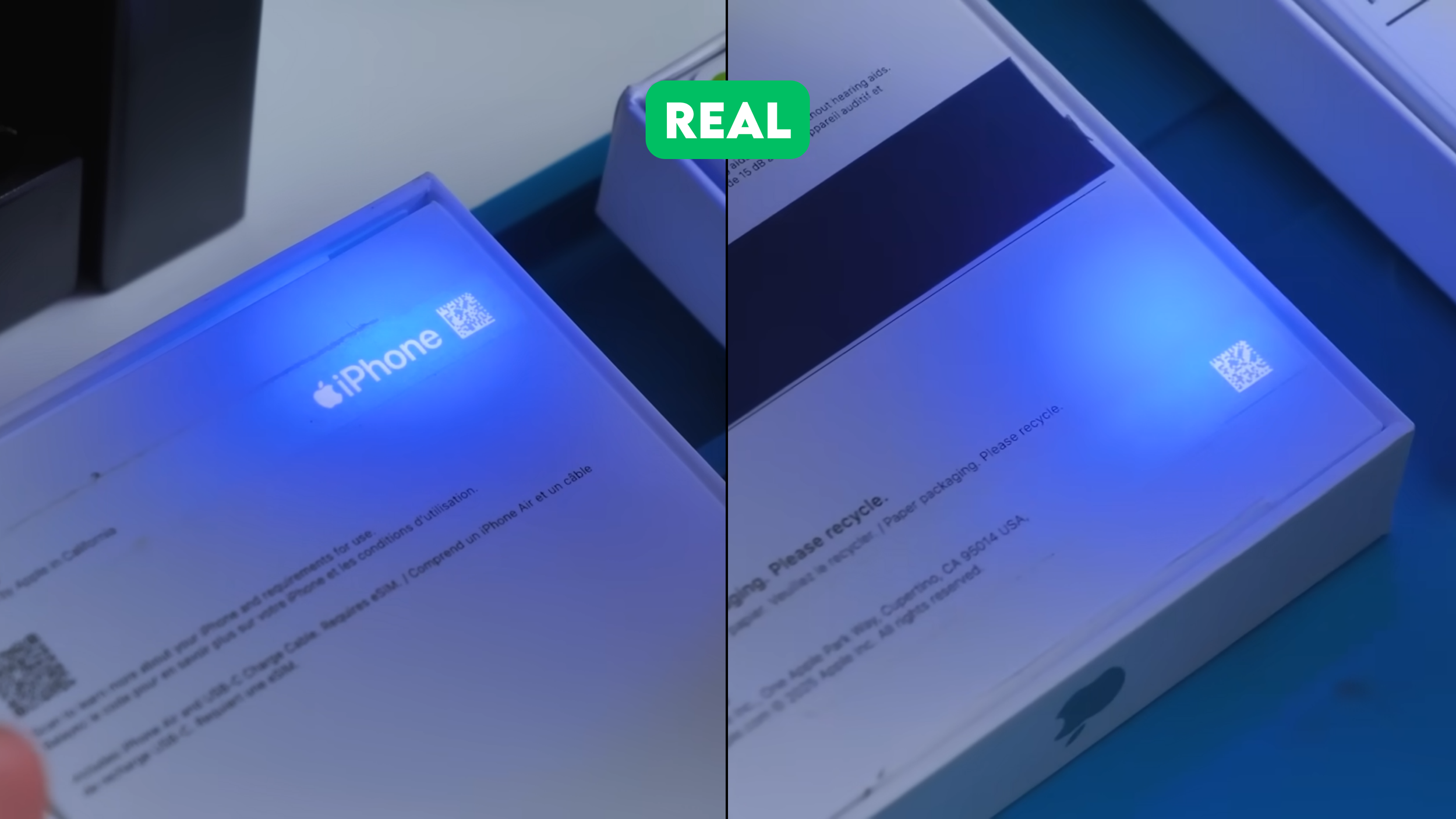
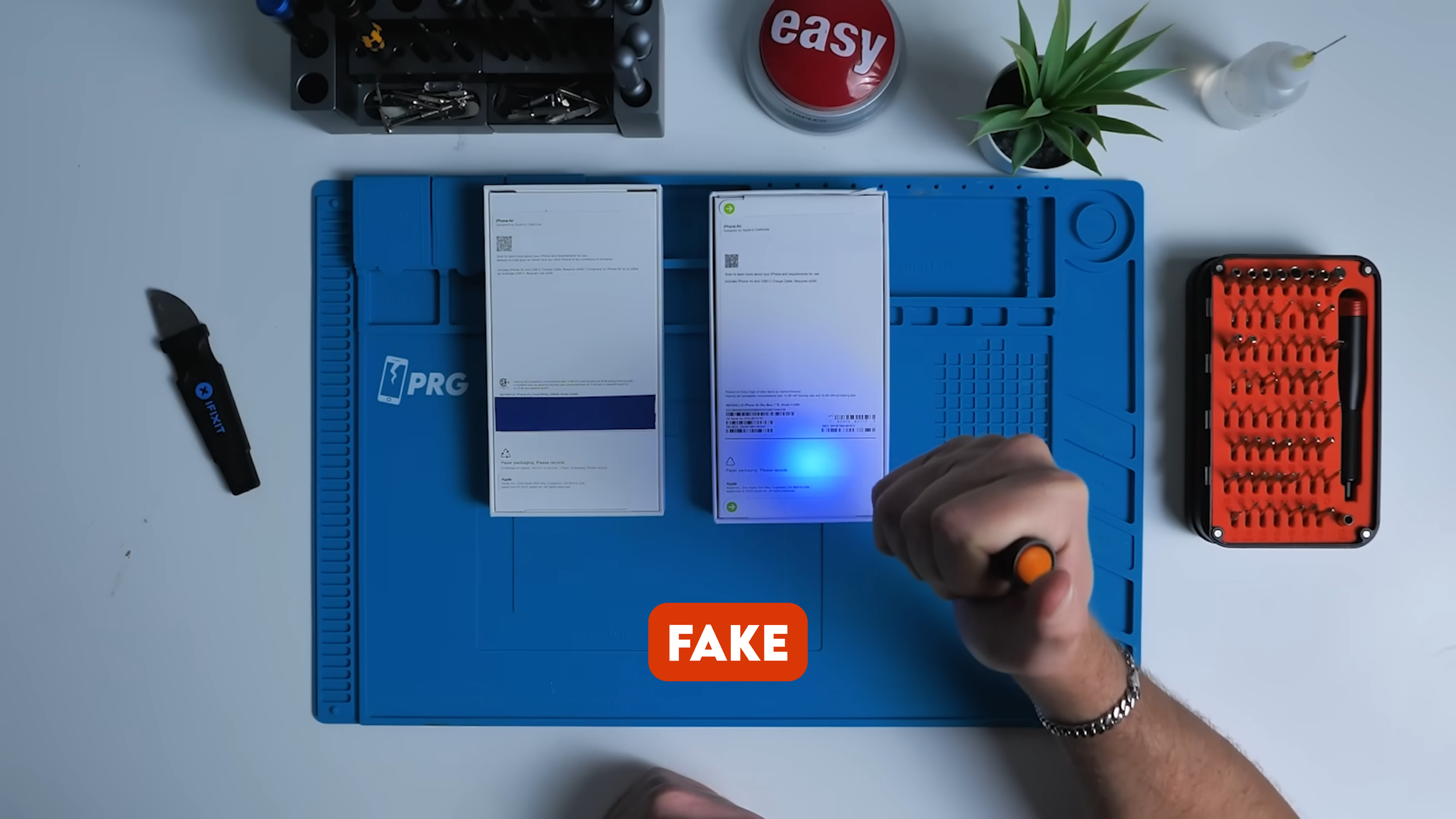
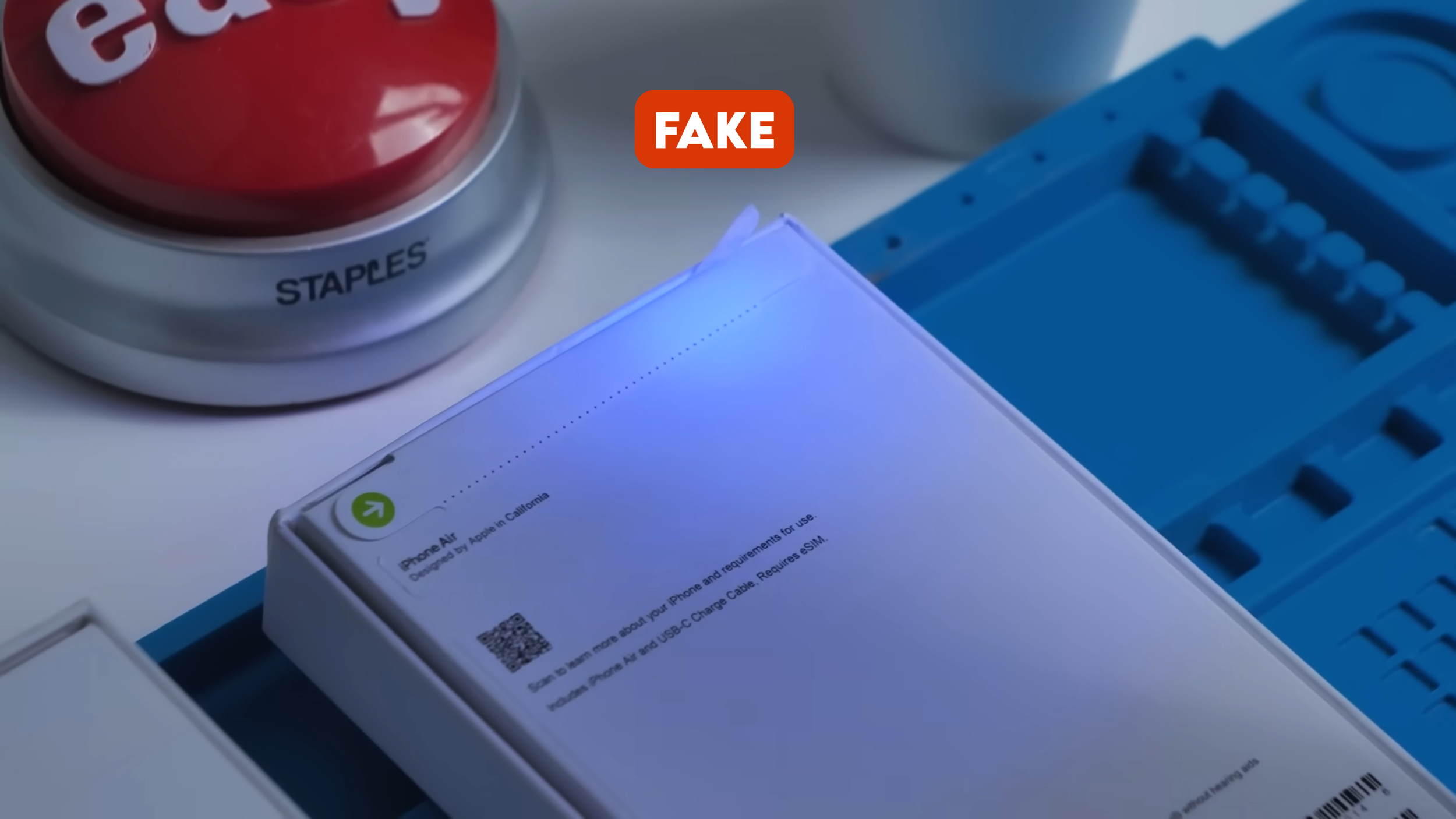
The fake box used stickers instead of printed information on the back, the white color looked off, and the reflective “iPhone” text wasn’t nearly as polished as the real one. Most importantly, it still failed the black light test Apple boxes pass with hidden QR markings.
The Hardware Is Surprisingly Close
Once the phone came out of the box, things got a little scary.
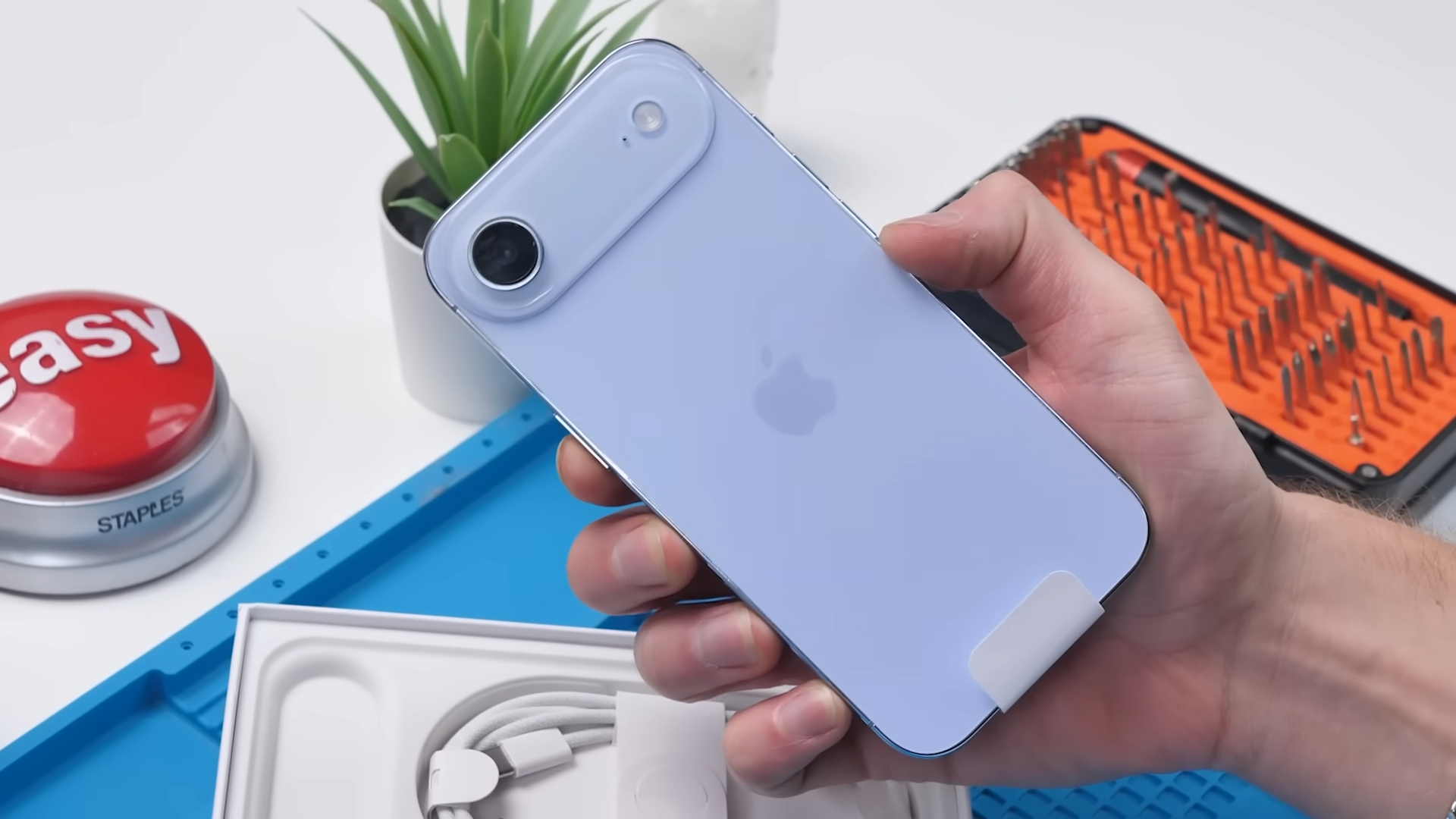
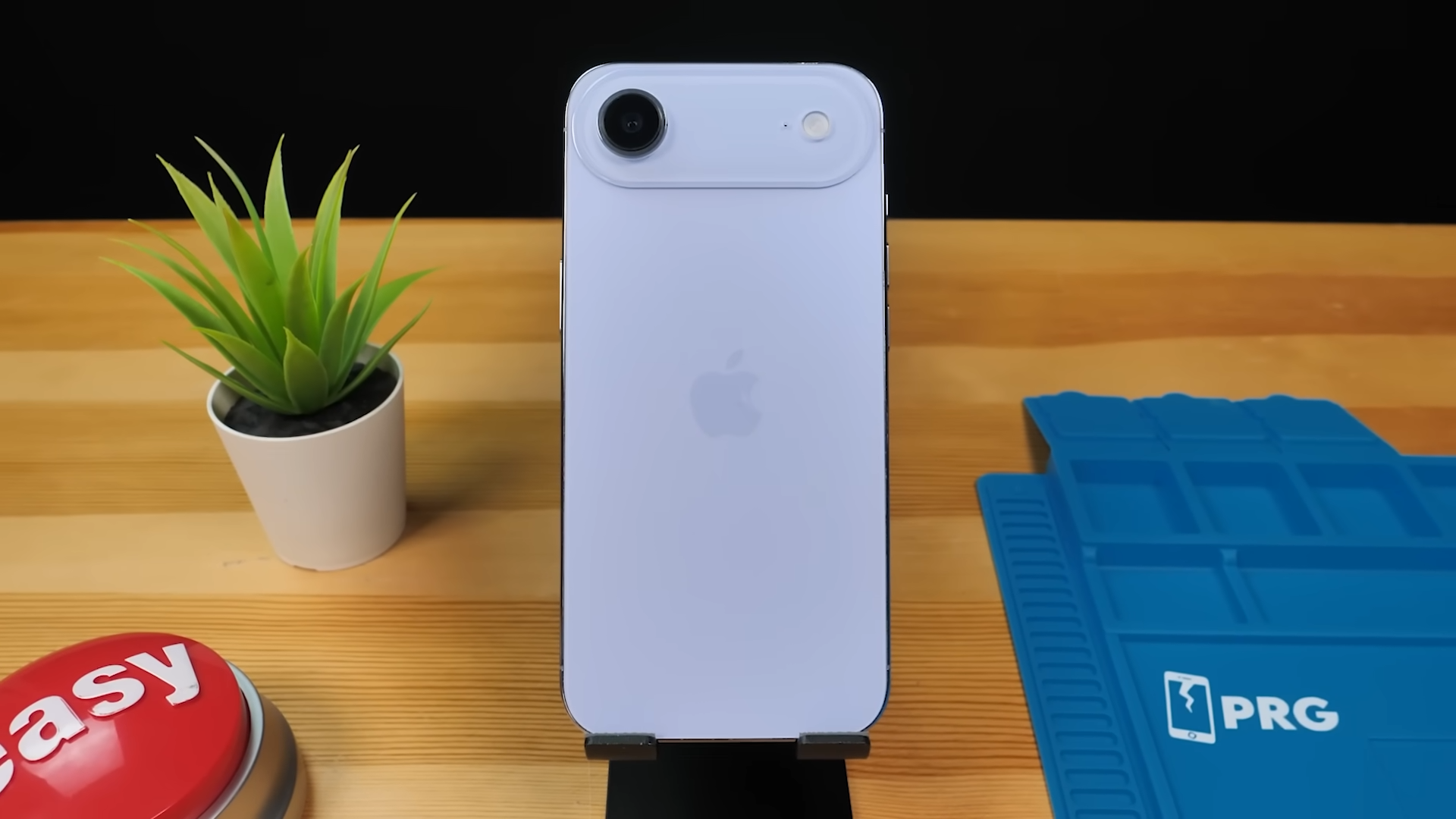
The fake iPhone Air actually looked really good. In fact, it looked even more convincing than the fake iPhone 17 Pro Max. The camera bump was slightly strange, but overall, the phone felt thin, lightweight, and far more premium than expected.
The biggest surprise was the thickness.
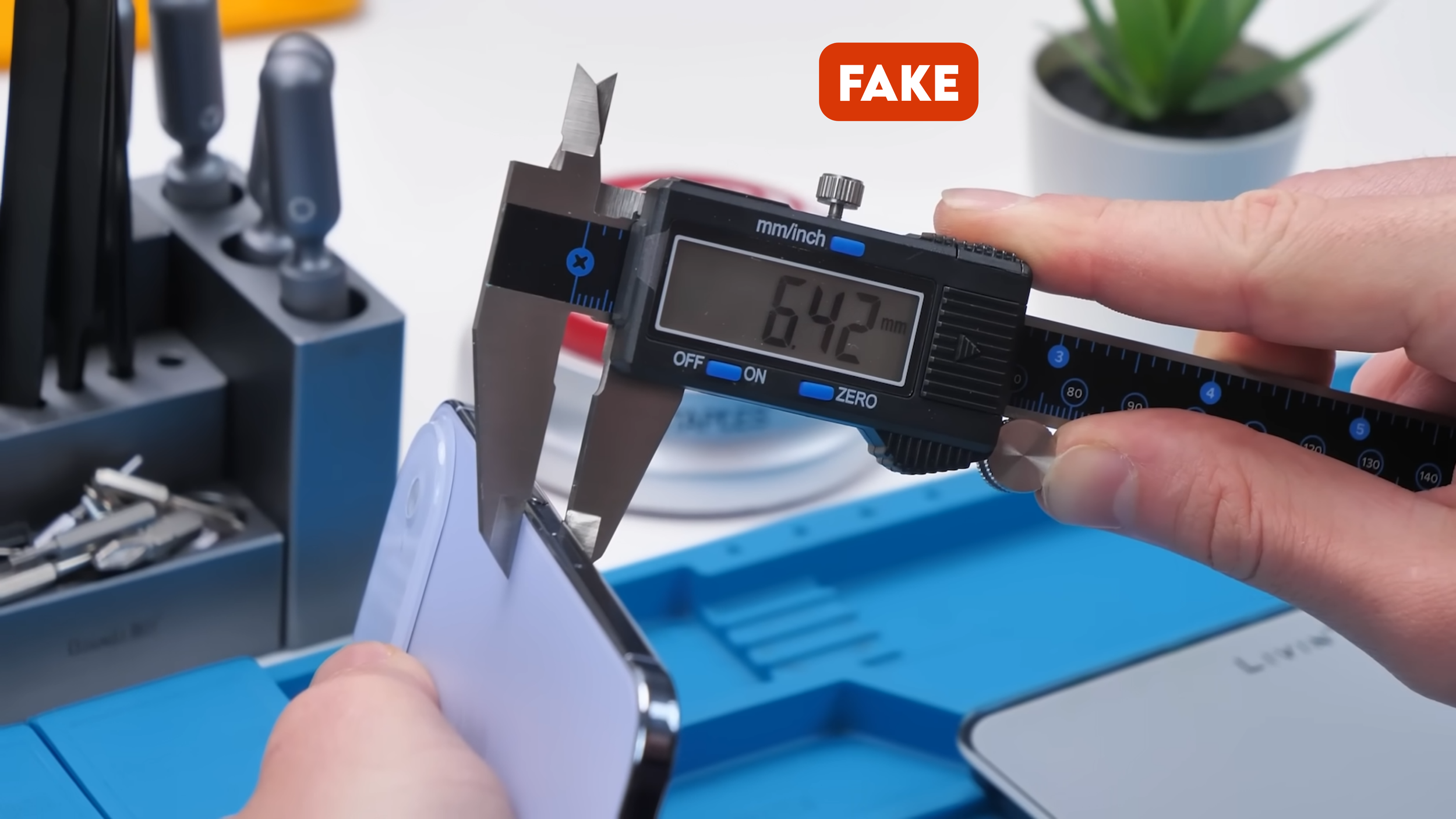
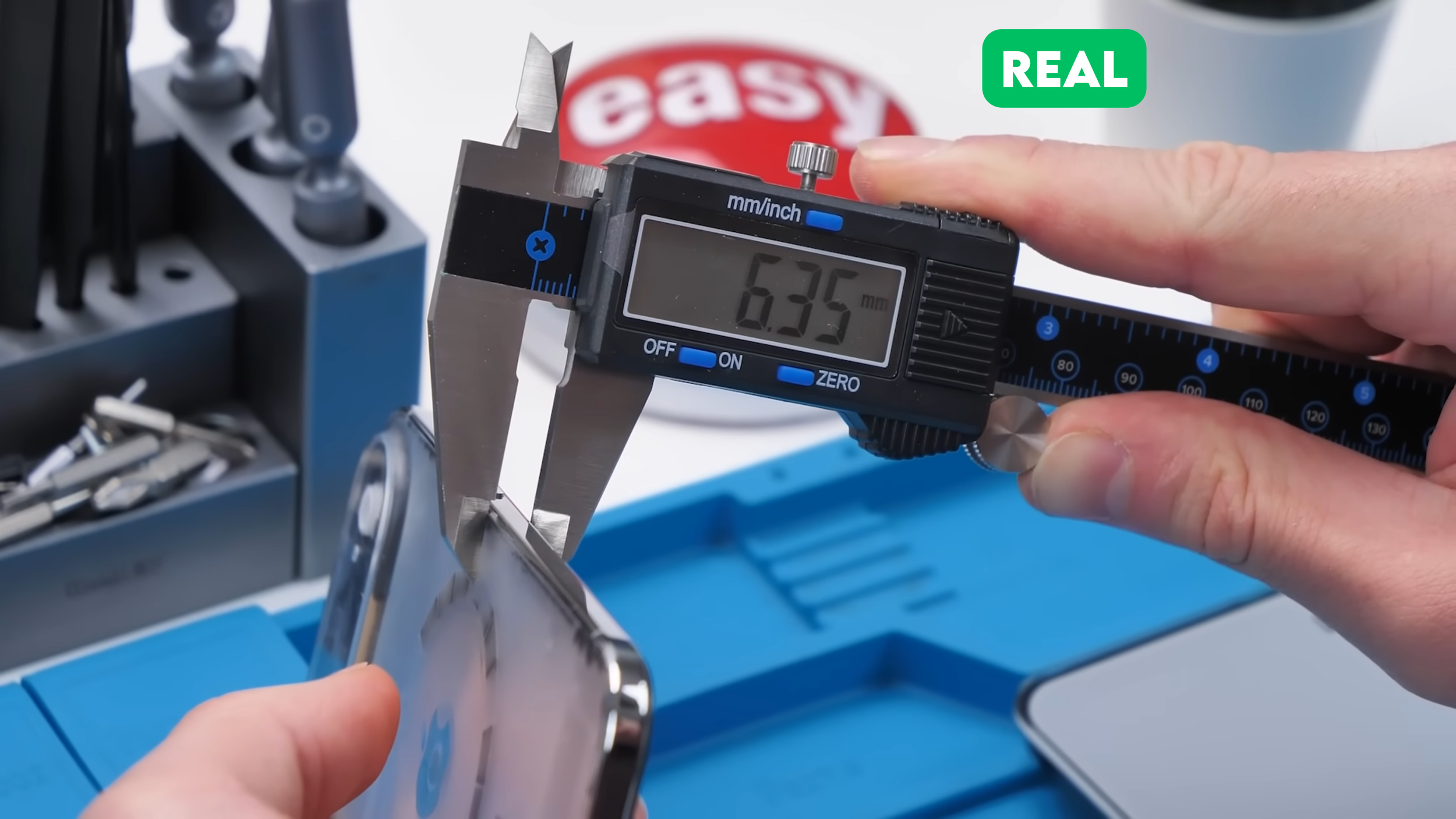
The real iPhone Air measured around 6.35mm, while the fake measured roughly 6.42mm. That is an absurdly small difference for a counterfeit device.
Even the weight felt reasonably close, although the fake was still lighter overall.
Inside The Fake iPhone Air
Opening the device revealed why this fake looked cleaner than previous ones.
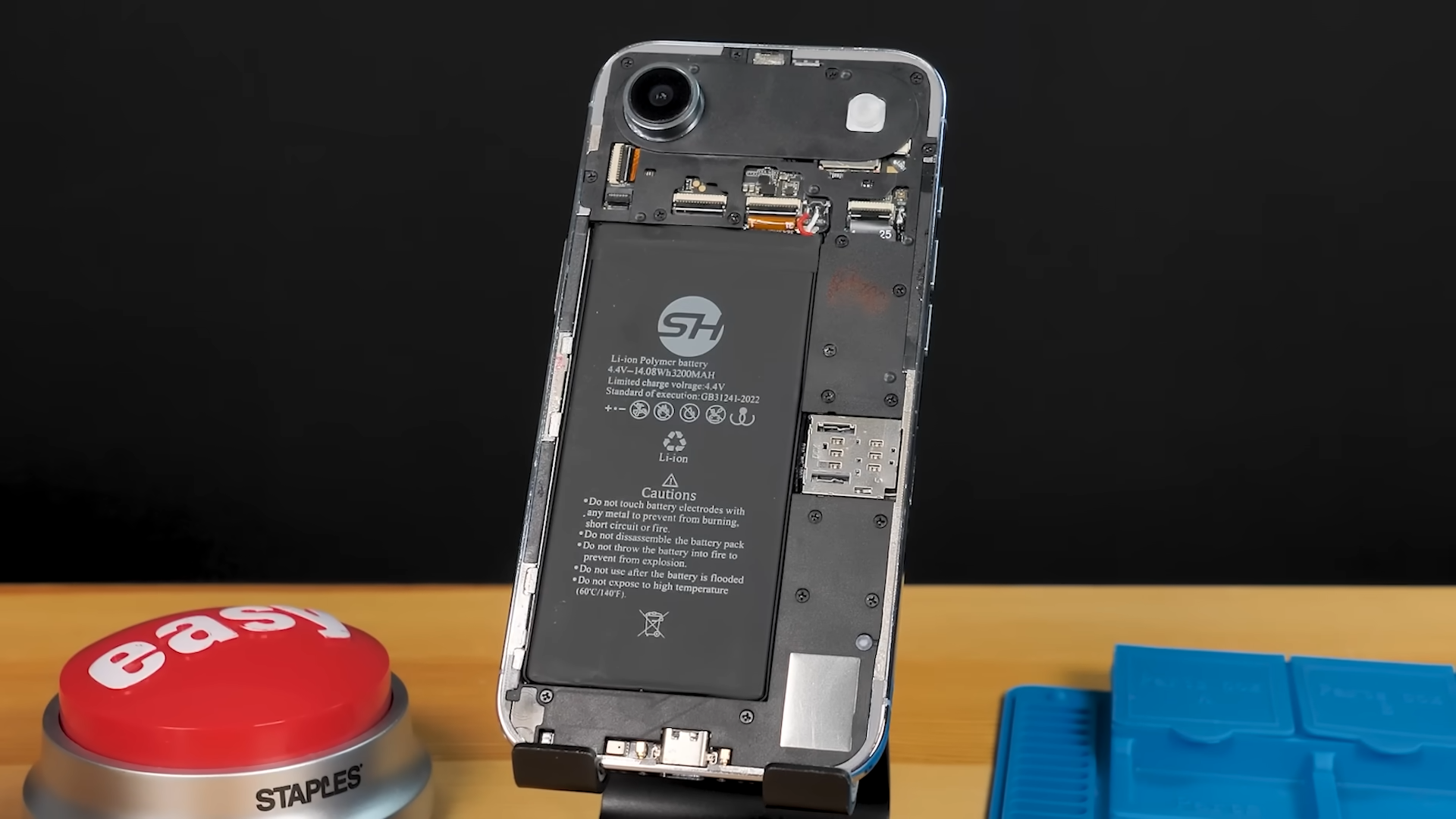
Unlike older fake iPhones that stuffed in fake camera modules just for appearance, this one kept things simpler with a single actual camera system. Internally, it was surprisingly organized and much cleaner than most counterfeit phones from previous years.
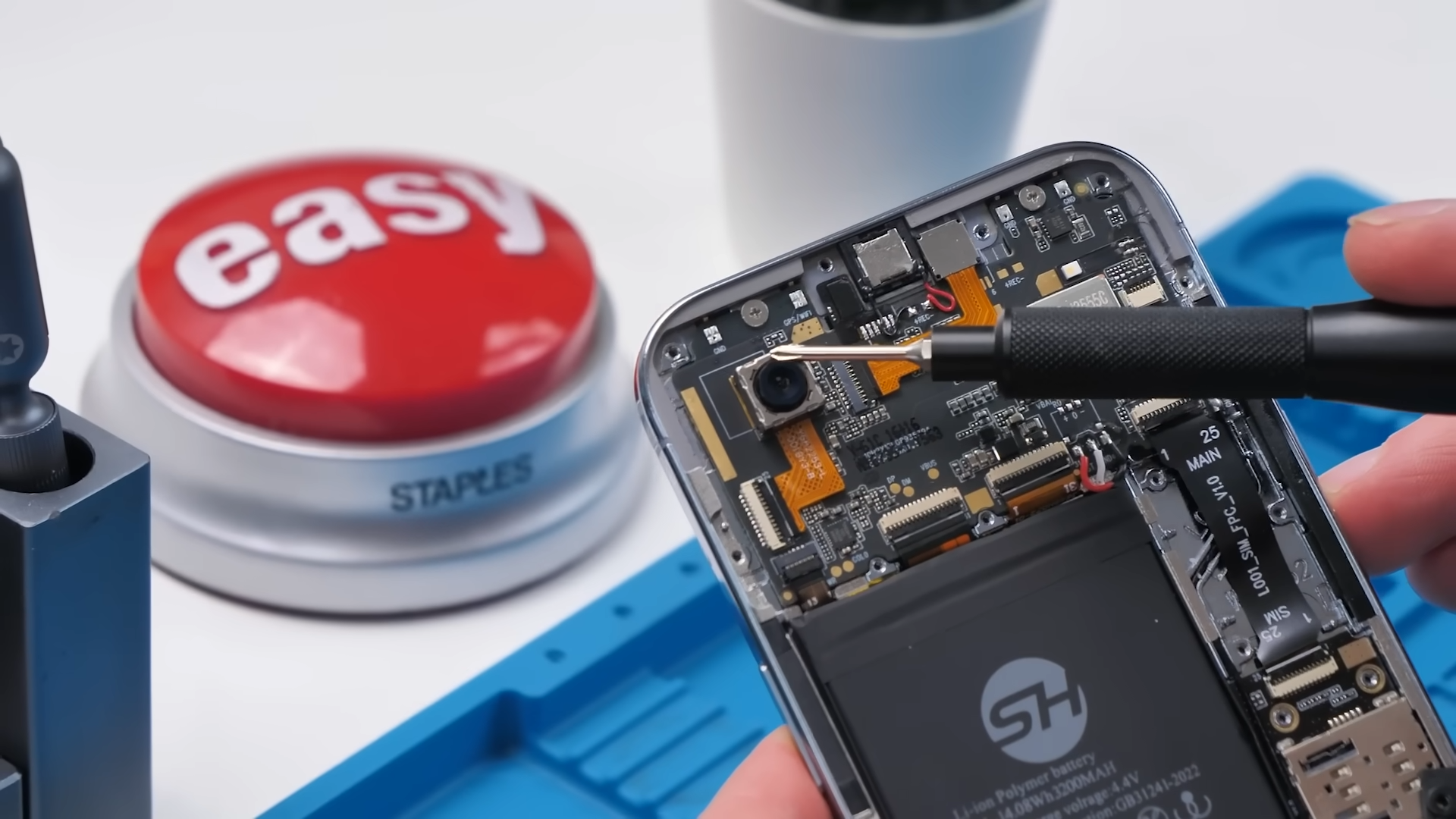
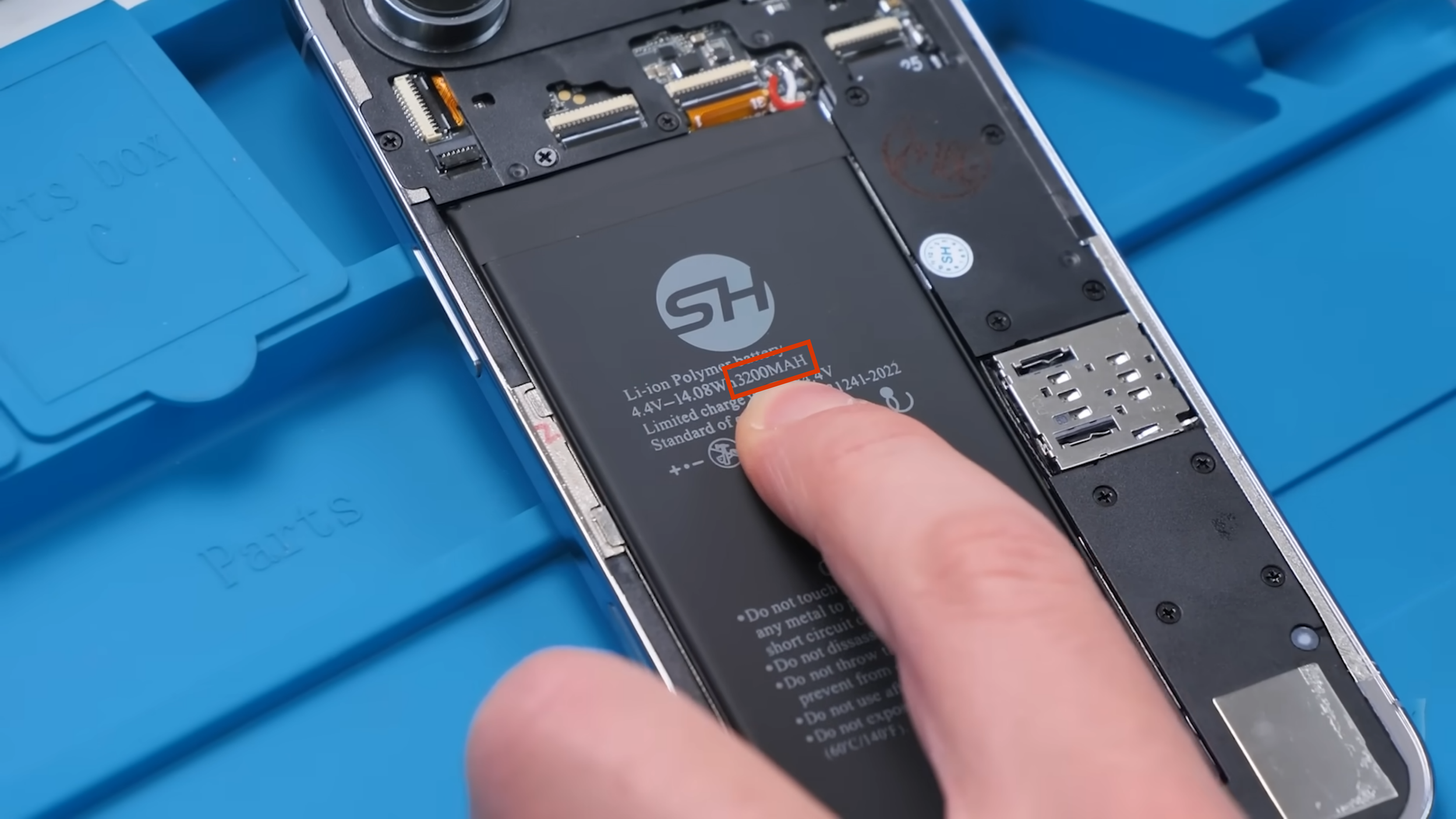
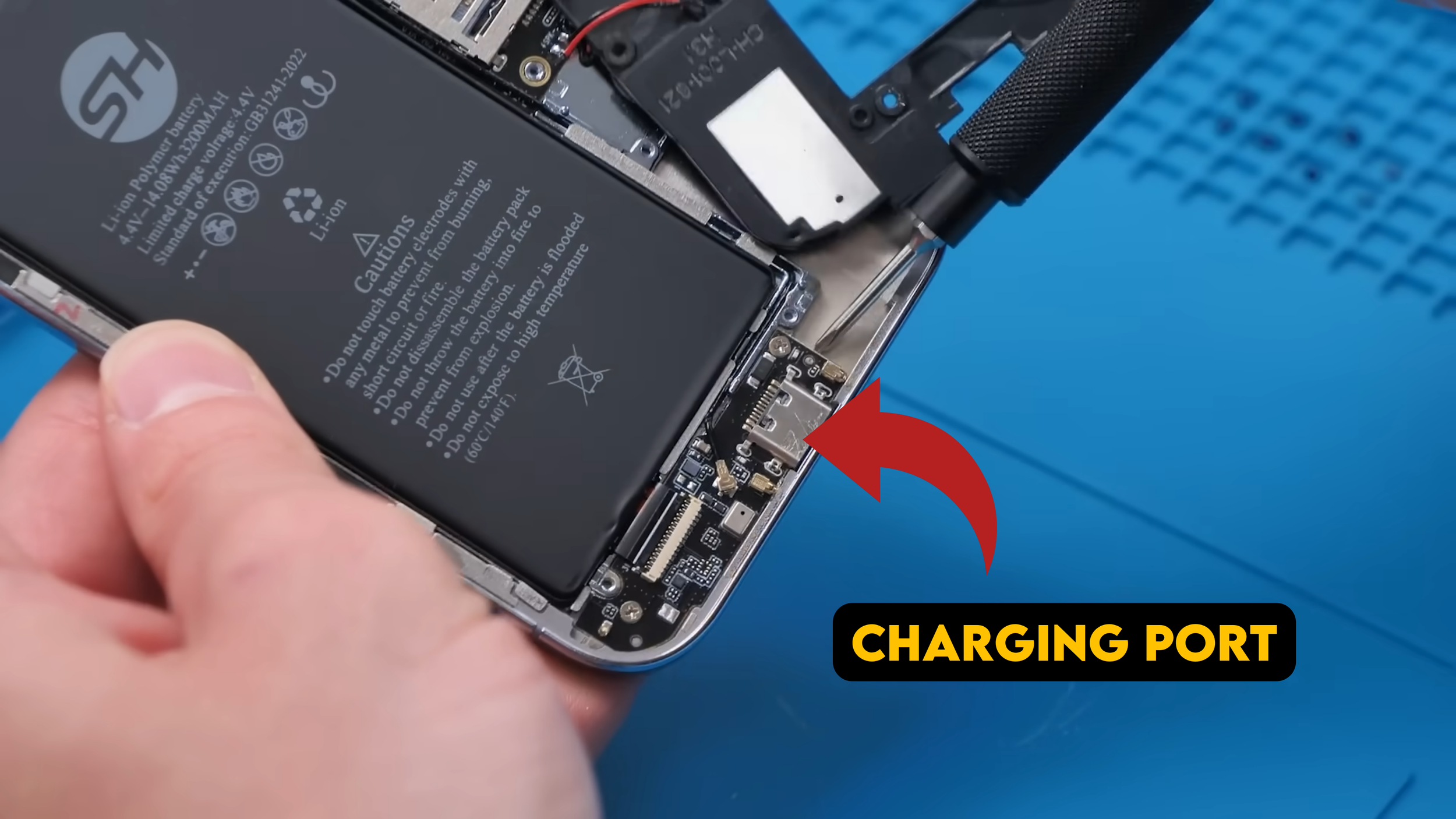
The fake even included a battery larger than the real iPhone Air.
Of course, that does not necessarily mean better battery life, but it was still unexpected to see. The charging board was also extremely tiny, clearly redesigned to fit the thinner body.
Fake iOS 26 Still Gives It Away
As convincing as the hardware looked, the software immediately exposed the phone.
The setup process copied the same fake iOS 26 experience seen on other clone iPhones, but the huge display chin instantly made it obvious something was wrong.
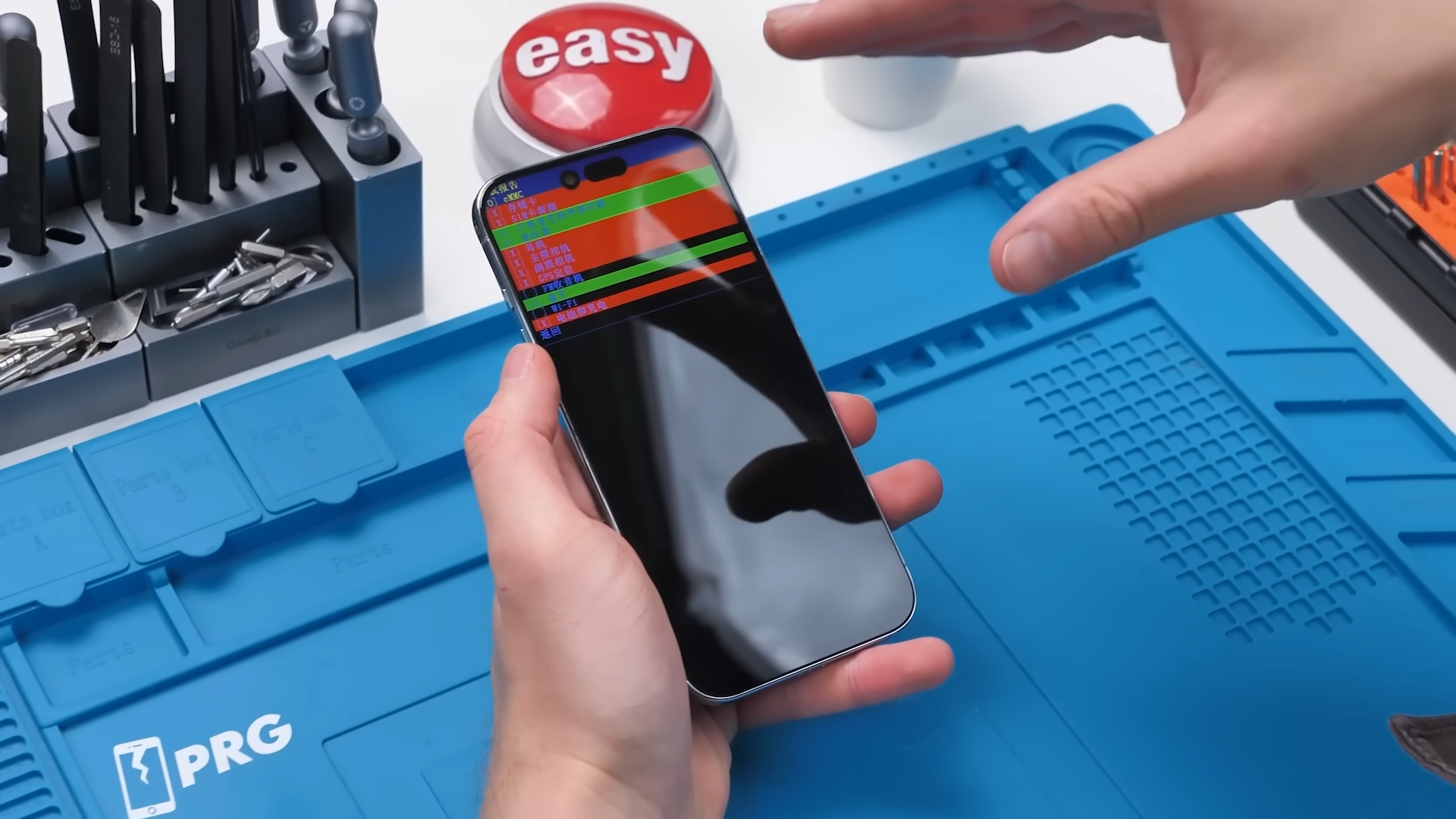
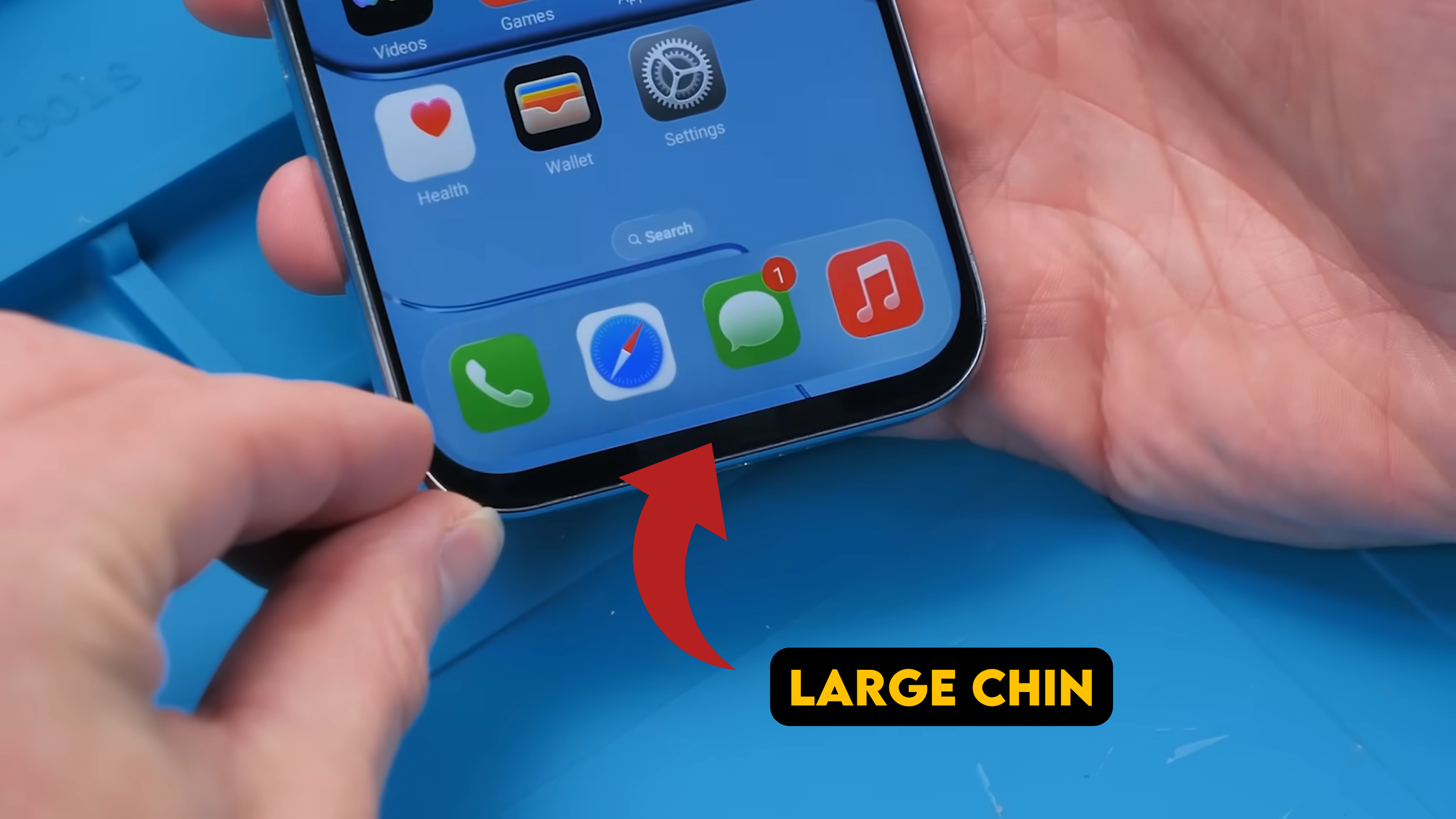
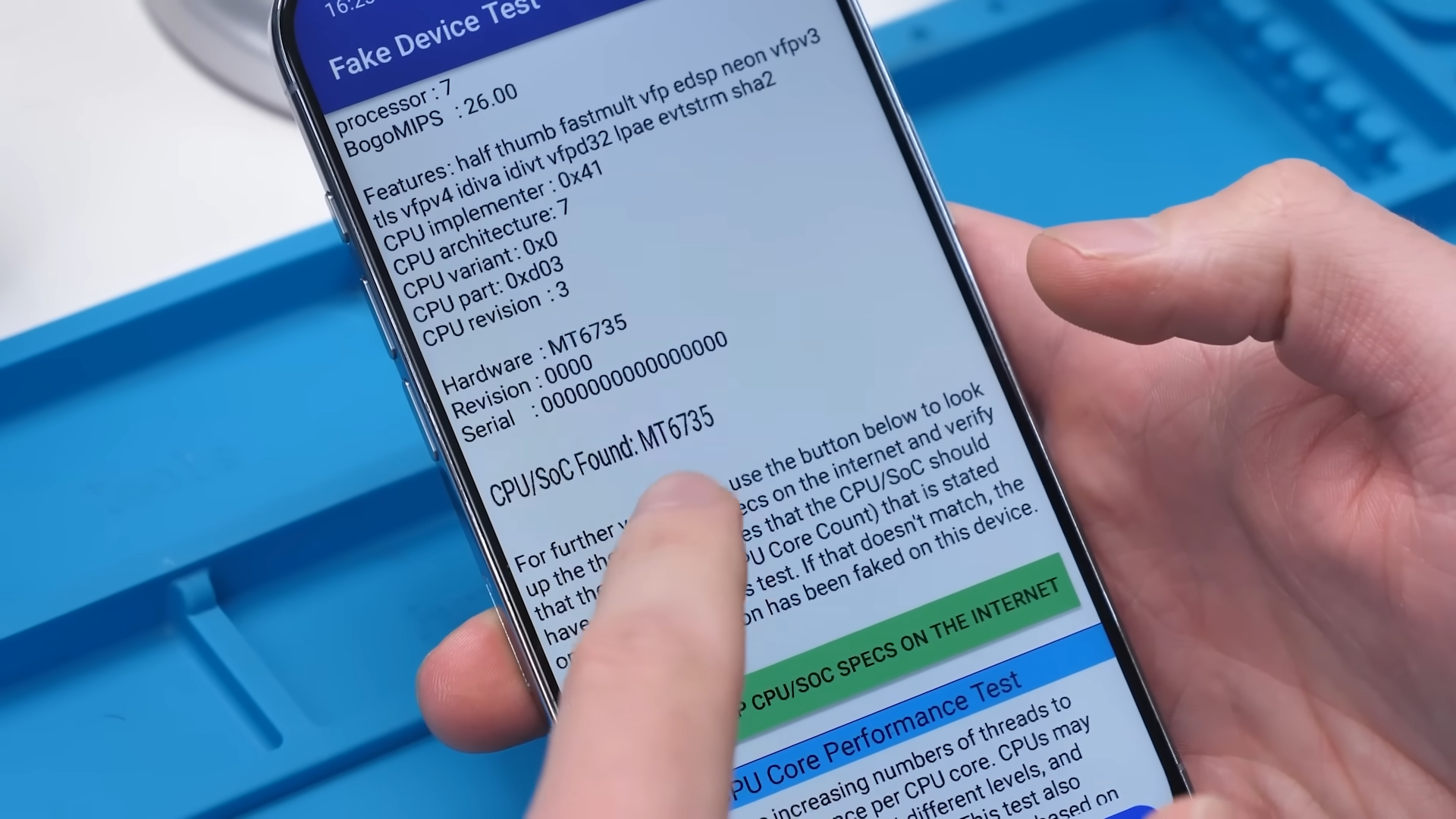
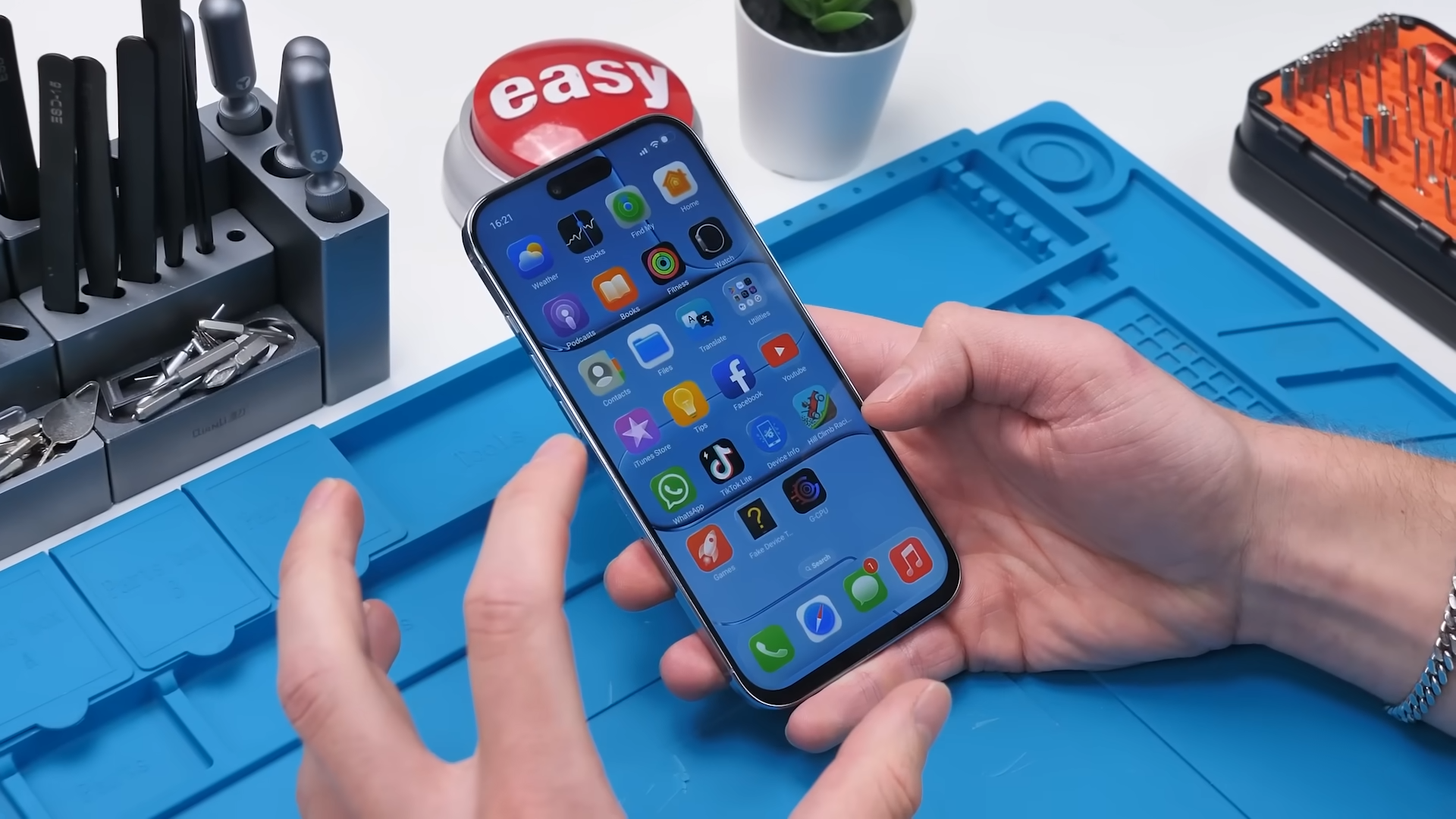
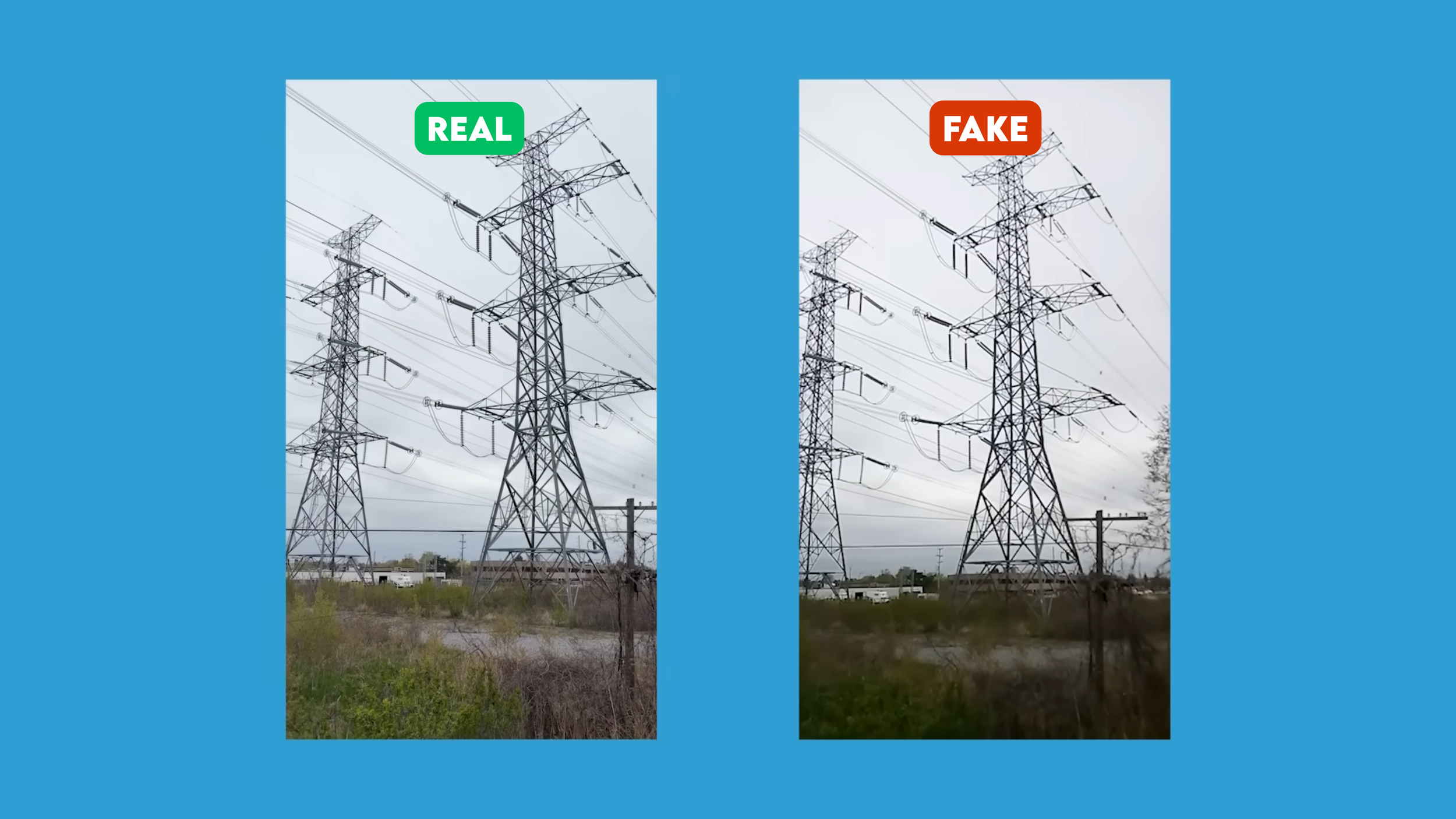
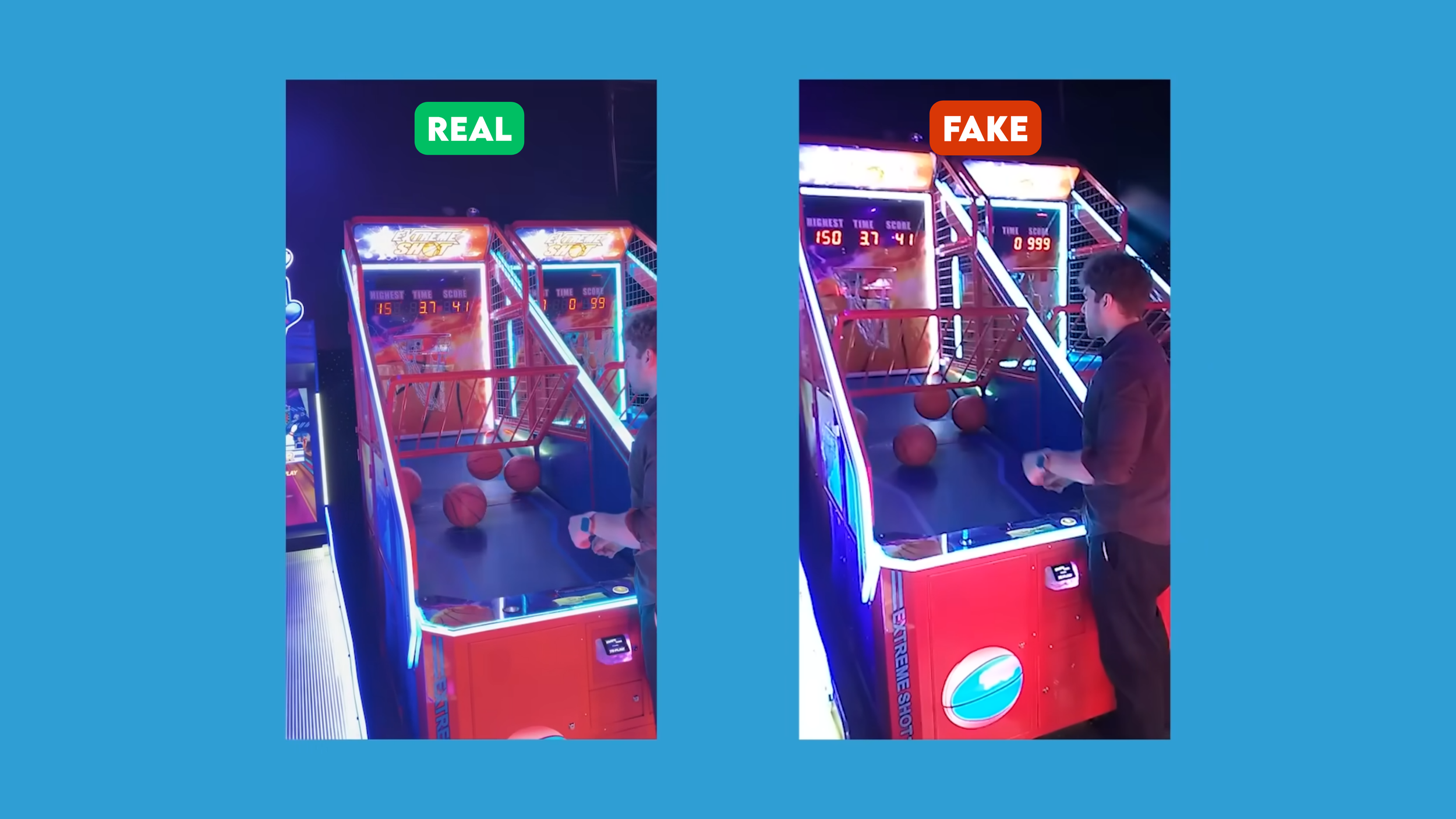
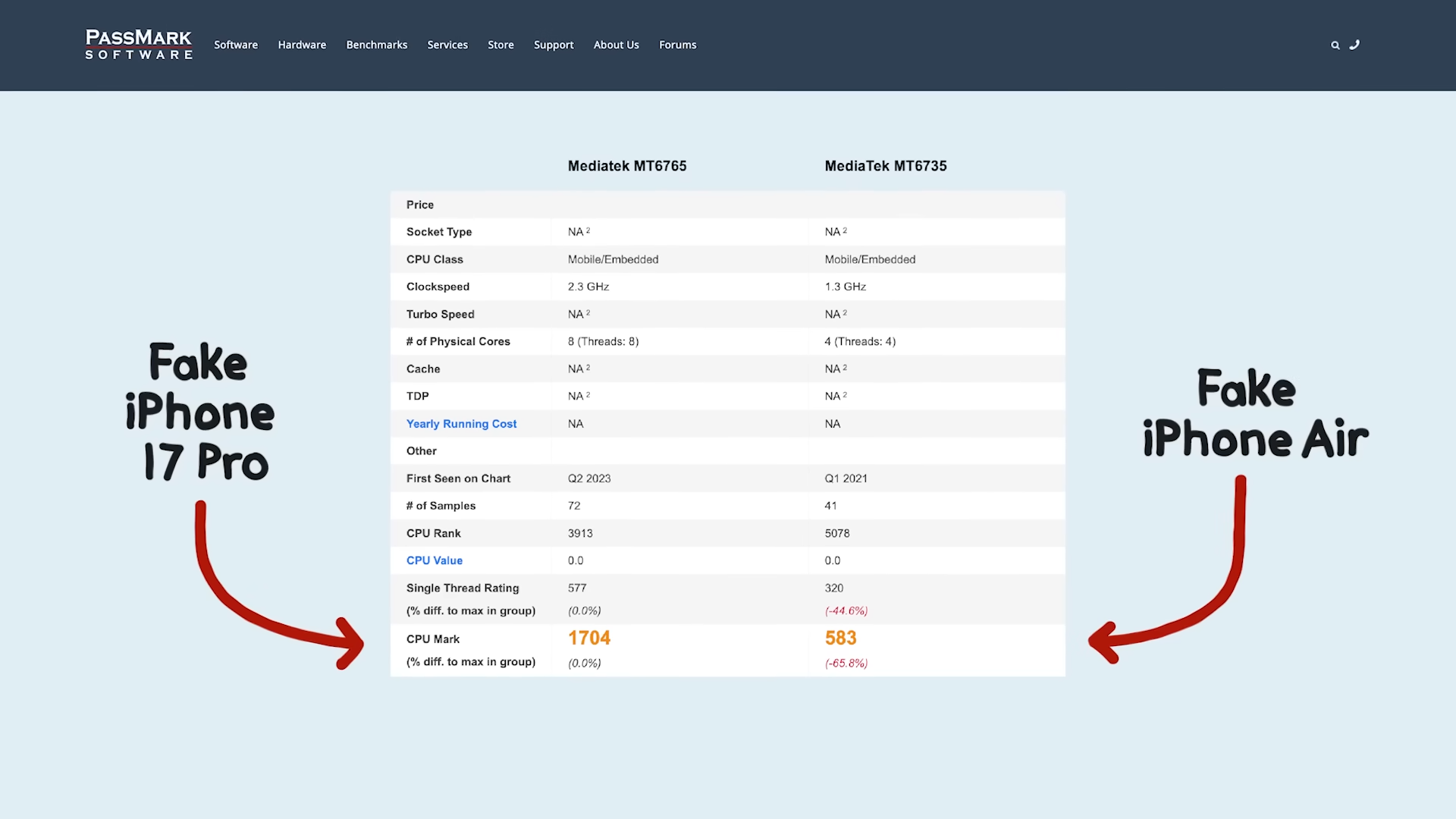
The cameras also struggled badly in low light, and the fake Liquid Glass-style software looked noticeably more janky this time around. Unlike older fake iPhones that hid Android reasonably well, this one made it much easier to tell what was really happening underneath.
Interestingly though, the phone actually connected to cellular service and handled calls properly, which was a surprise. Performance also felt smoother than expected for a fake device.
Final Thoughts
This fake iPhone Air is honestly kind of impressive.
The fact that counterfeit manufacturers managed to build something this thin while keeping the design relatively convincing is pretty wild. Compared to older fake iPhones, this one clearly had far more effort put into it.
But it is still a fake phone at the end of the day.
Camera quality falls apart in low light, the software feels unstable, and the Android-based system quickly exposes itself once you start using the device seriously.
And unfortunately, that realism is exactly what makes devices like this dangerous.
See you in the next article!
