
Nothing Just Revealed the Design Secrets Behind the Nothing Phone (4a)…
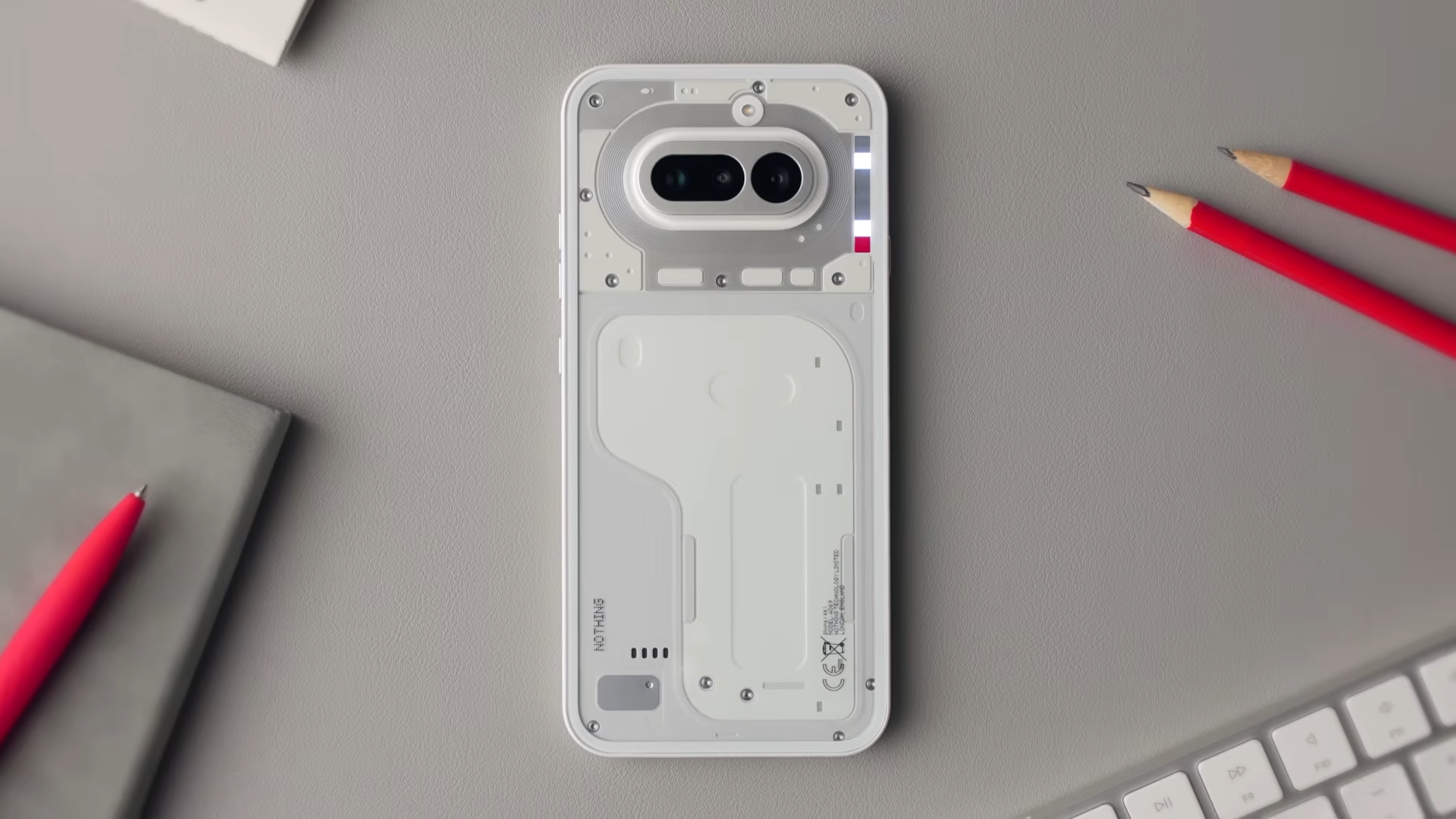
Nothing just pulled back the curtain on how the Phone (4a) was designed, and instead of talking specs, they focused on something way more interesting: why it looks the way it does.
The Industrial Design team walked through materials, lighting philosophy, internal alignment, and how they managed to bring a periscope camera to the base model.
From a tech perspective, there’s a lot happening here.
Pink, But Engineered
Nothing’s core palette has always revolved around white, black, red, and gray. With the 4a, they pushed into pink. But instead of simply painting the back panel, they layered tint inside the transparent structure itself.
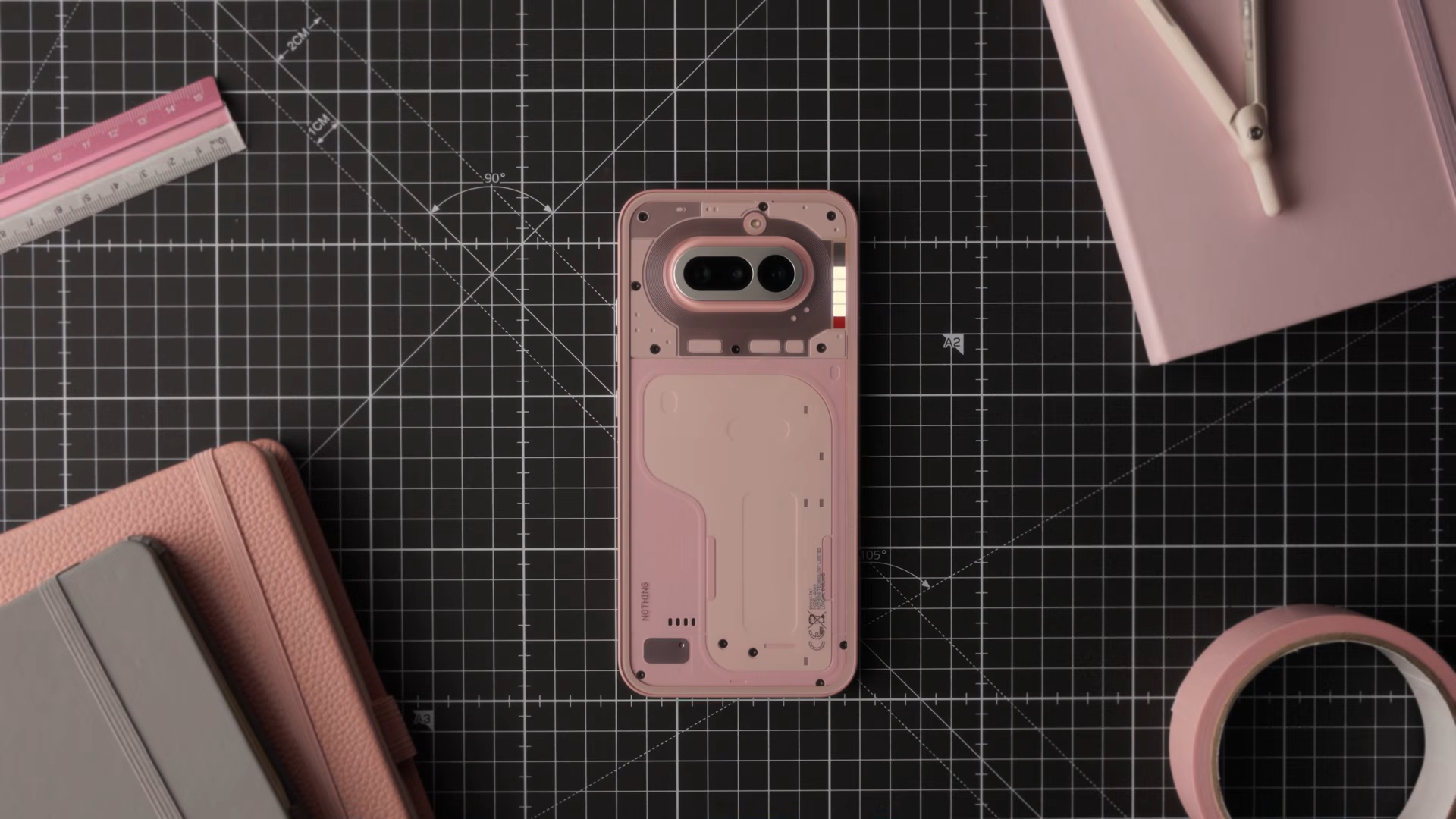
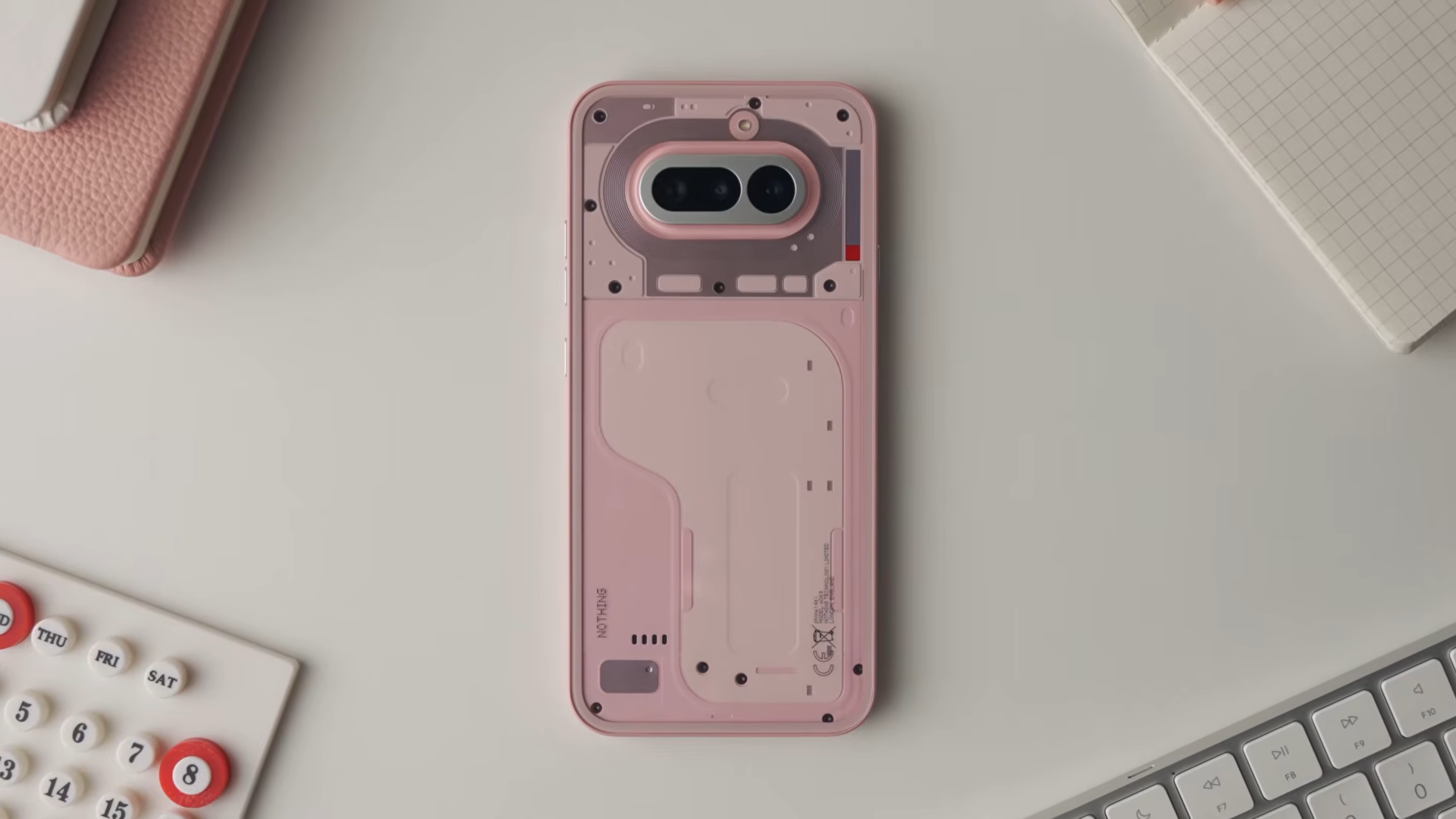
They started with a near-white base, then added a subtle tint to the resin underneath the transparent panel. When combined with the tinted back layer, the result creates depth. Light interacts with the material stack differently depending on angle and thickness, giving the phone visual richness instead of a flat finish.
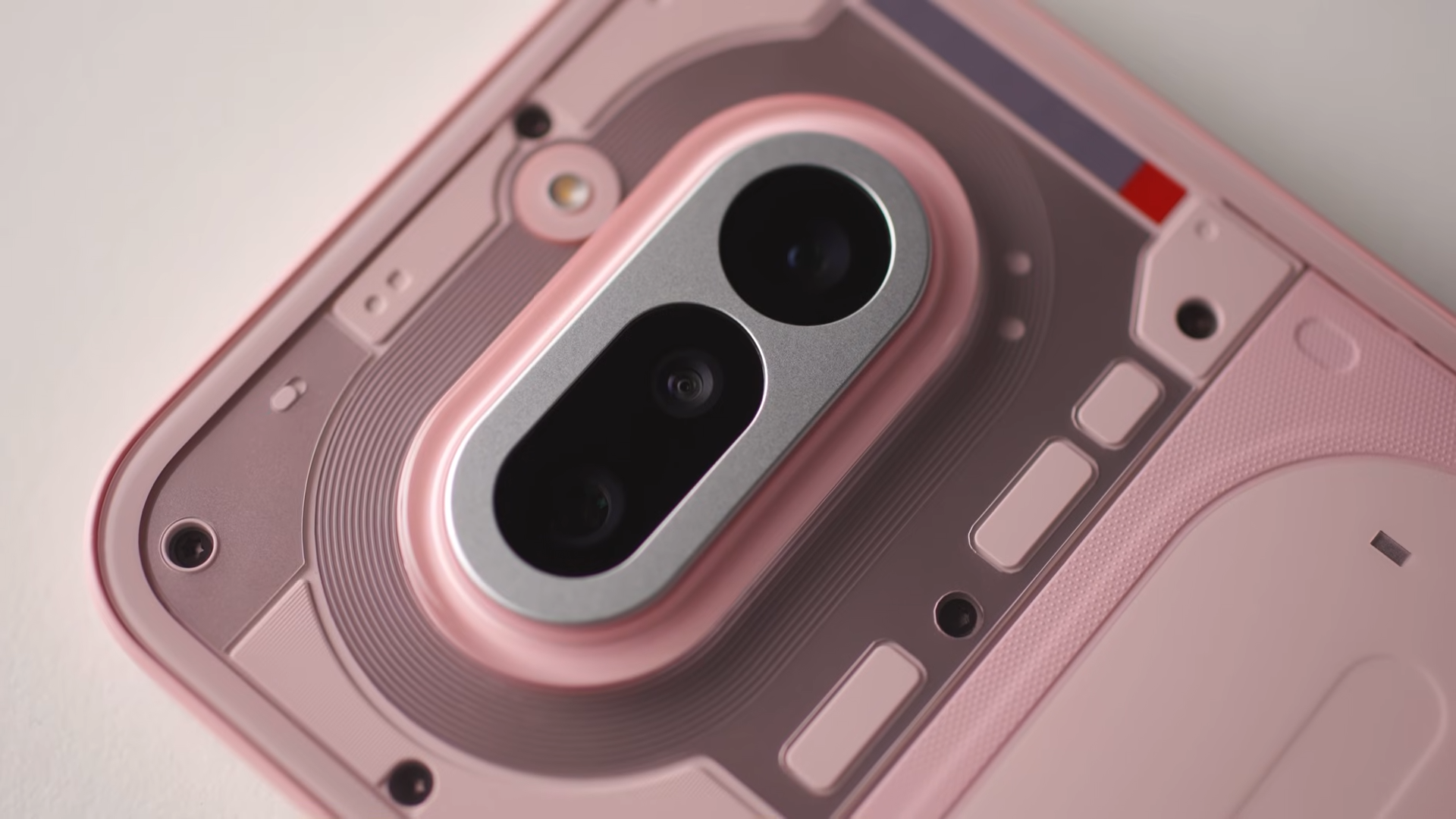
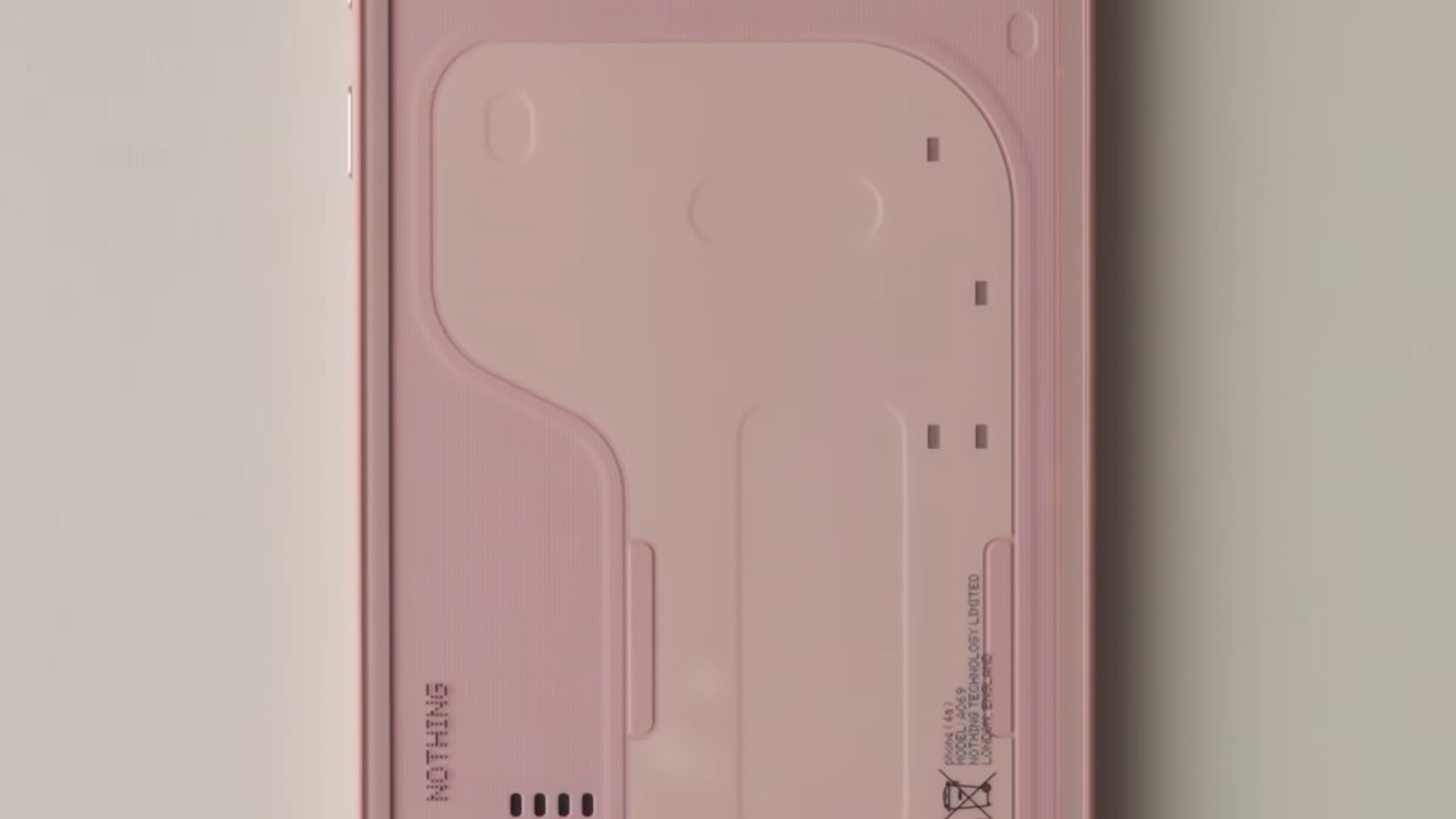
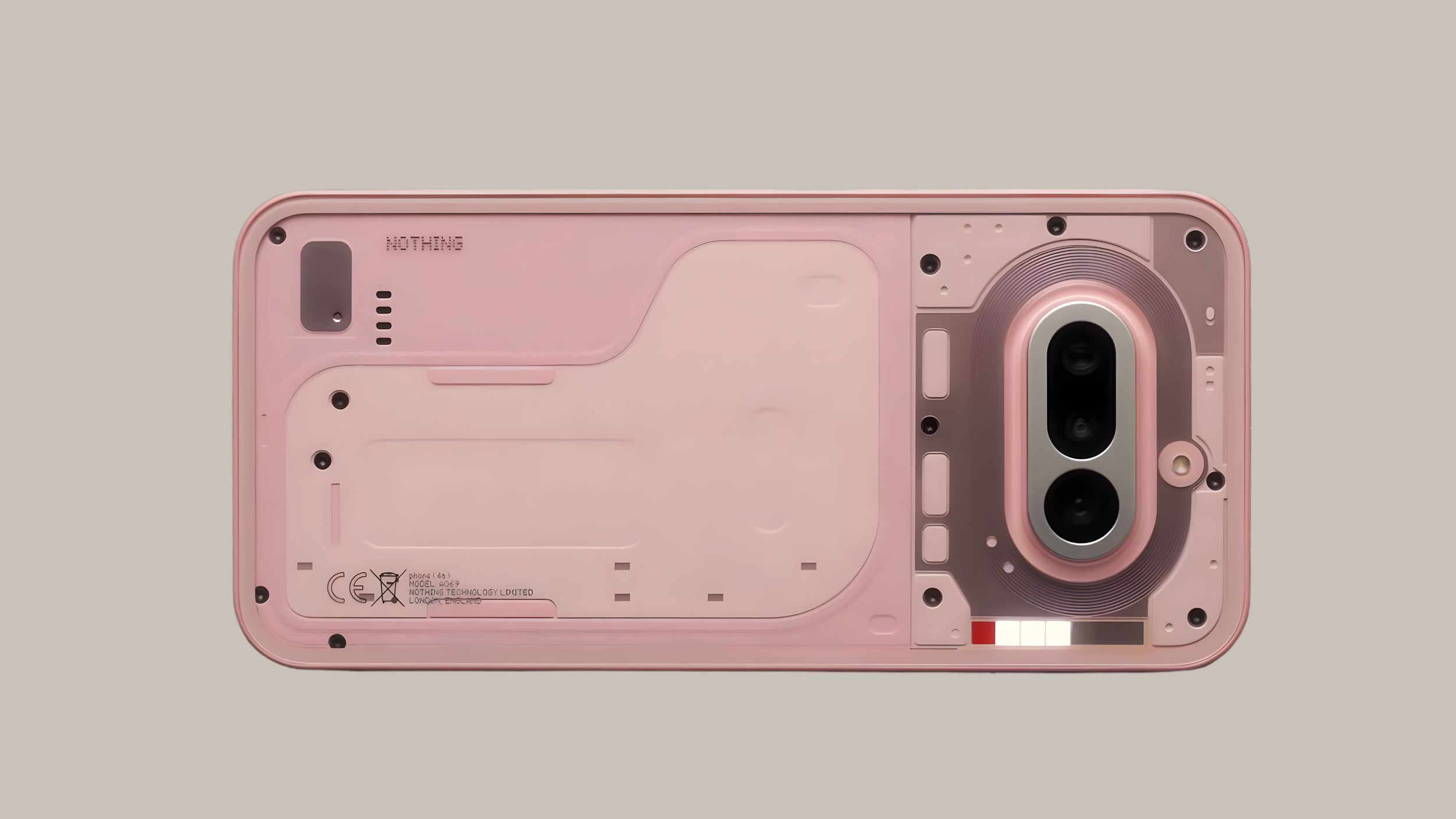
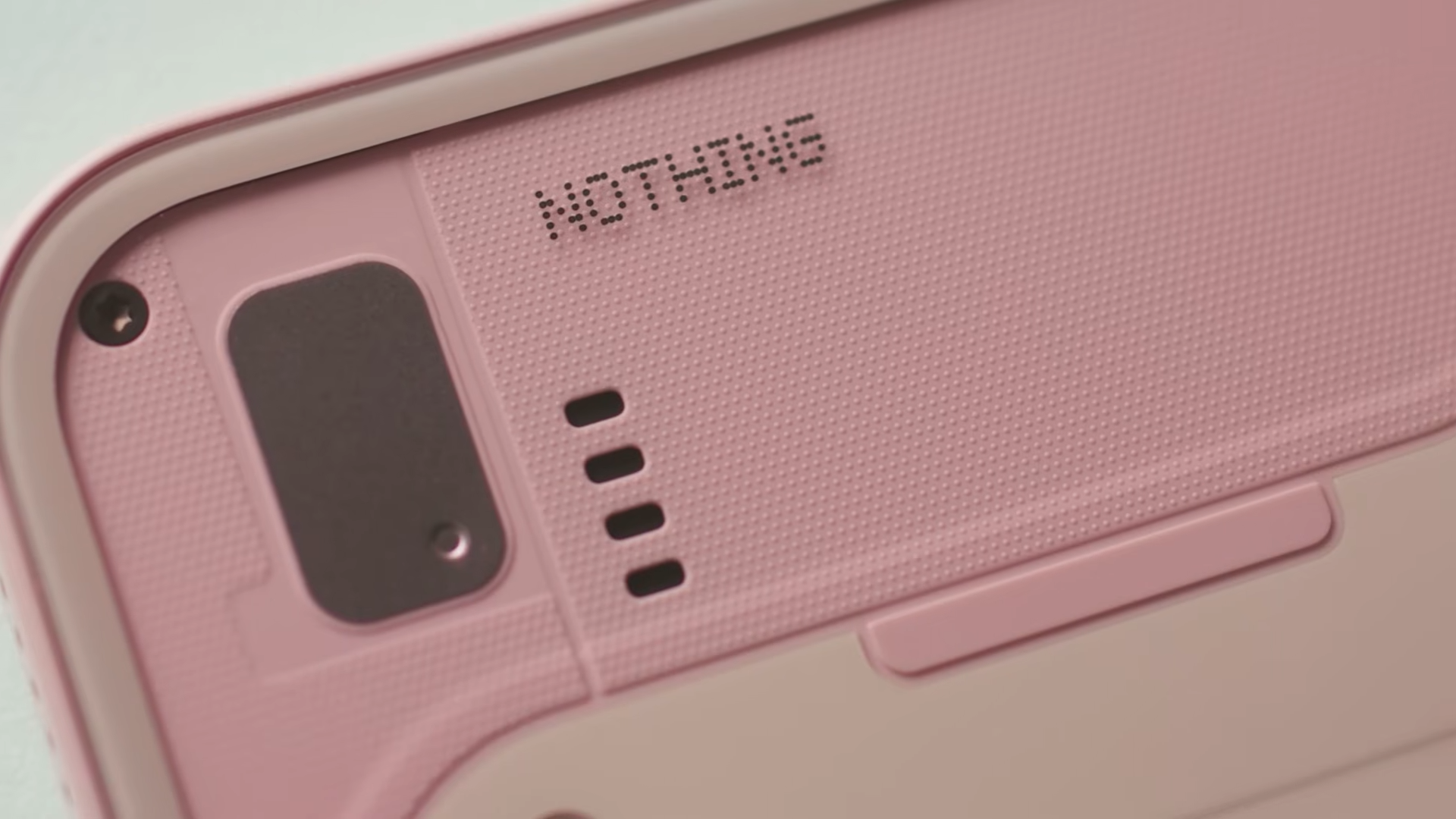
Because the mid-frame uses a more saturated version of the color applied differently, the team had to carefully fine-tune the tonality so both sections visually match despite being manufactured in different ways.
This is not just color. It’s controlled material engineering.
The Glyph Interface
The Glyph system remains central to the 4a, but it has evolved.
Instead of the more complex segmented layouts from previous models, the 4a uses a clean vertical LED arrangement. Each LED now has access to the full brightness range, allowing for sharper and more expressive animations.
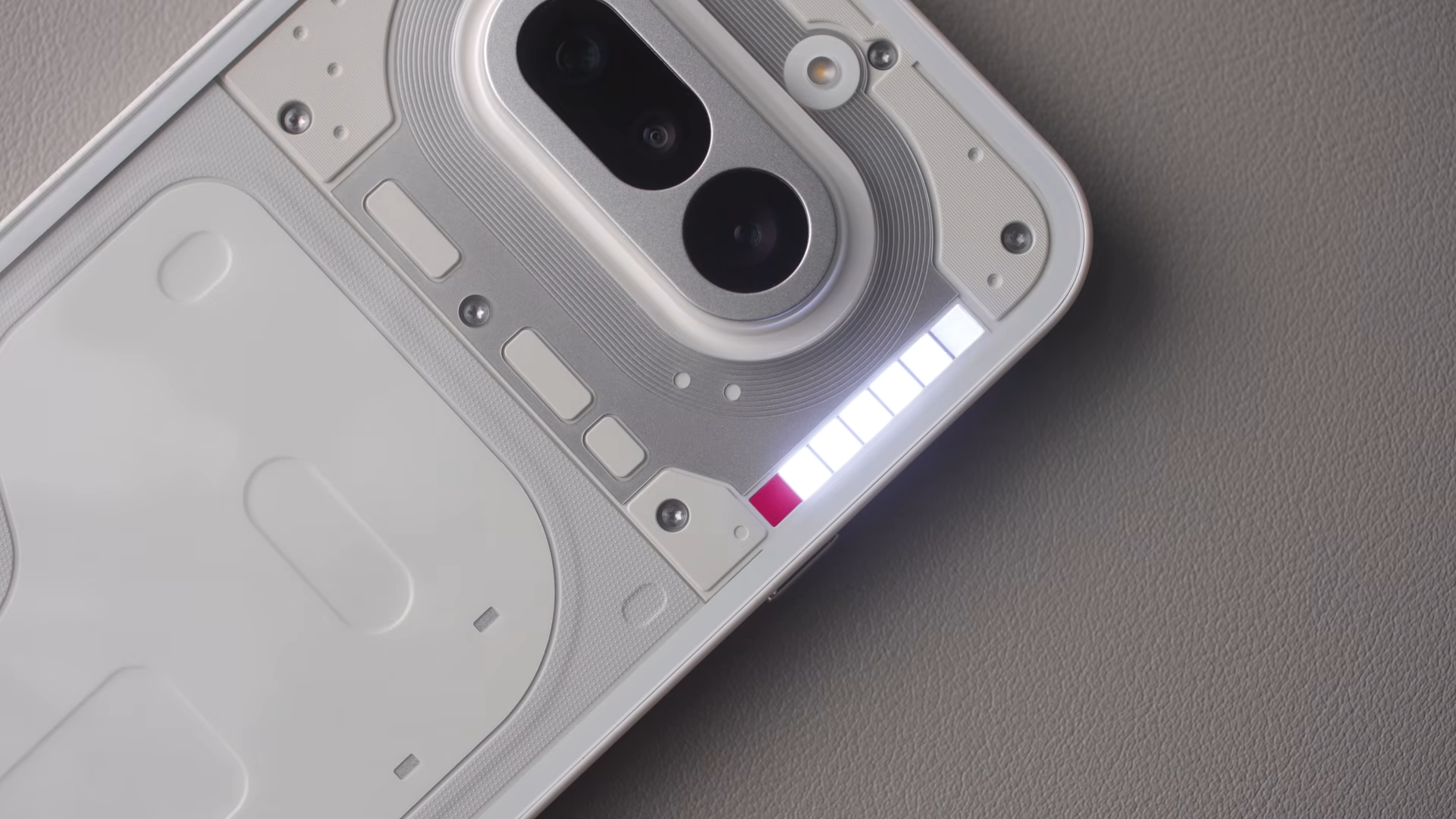
For the first time on an A series device, the red recording LED is included. That red square is not decorative. It is a clear privacy indicator that activates during recording.
But the real refinement is in how the system communicates information.
Glyph Timer
The Glyph Timer allows you to set a countdown and visually track its progress on the back of the phone. On the 4a, the animation resembles a single column of falling sand, a simplified evolution of the hourglass effect from previous model.
It’s practical when the phone is face down during focus sessions. You can check timer progress without unlocking the device.
Glyph Progress
Nothing is pushing the Glyph interface beyond simple notifications.
Glyph Progress is now powered by Android 16 Live Updates, improving compatibility with supported apps.
This allows the LED strip to visually represent real-time updates from certain applications, such as ongoing tasks or status-based activities. Instead of lighting up randomly, the LEDs move with purpose to reflect progress states.
It reinforces the idea that Glyph is a secondary interface, not just decorative lighting.
Camera Countdown + Shutter
The 4a also integrates system-level camera feedback into the Glyph system. When using the camera timer, the LEDs pulse to visually count down before capture. When the shutter fires, the LEDs flash to confirm the photo has been taken.
What’s interesting is that this animation references the iris shutter effect from the Nothing Phone (3). On Phone 3, the matrix-style LED layout allowed for a circular “iris closing” animation.
On the 4a, with its simplified vertical LED strip, that same idea is reinterpreted in a linear form. Instead of recreating the exact effect, Nothing translated the concept to match the new hardware layout.
It’s a subtle detail, but it shows design continuity. They are not copying animations from previous devices. They are adapting them to fit the physical constraints of the new LED system.
Wings Notification
Wings uses a symmetrical pulse across the upper LEDs, expanding and contracting in a mirrored rhythm.
Because the 4a relies on a linear LED layout, symmetry and timing define the animation rather than complex shapes. Users can assign this pattern to specific contacts or sounds, so even when the phone is face down, the notification type is instantly recognizable.
Dolphin Notification
Dolphin uses vertical motion to create a flowing cascade down the LED strip. The animation feels dynamic and wave-like, clearly differentiating it from static alert pulses.
On the simplified LED column of the 4a, motion becomes the primary communication tool. Dolphin uses that to its advantage.
Flip to Record
Flip to Record is more functional than expressive.
When the phone is flipped face down to initiate recording, the red LED activates clearly to indicate that recording is in progress. The action is tied to a deliberate physical gesture rather than a screen tap, reinforcing Nothing’s focus on intentional use.
Because the red LED is separate from the white notification LEDs, it stands out immediately. It is not part of a decorative animation but a dedicated status signal. That separation makes recording unmistakable, even from a distance.
A Periscope Camera on the Base Model
One of the most significant hardware changes is the addition of a periscope camera to the standard 4a. Nothing integrated a compact tetraprism-style folded module that allows light to reflect internally, enabling optical zoom without dramatically increasing camera bump size.
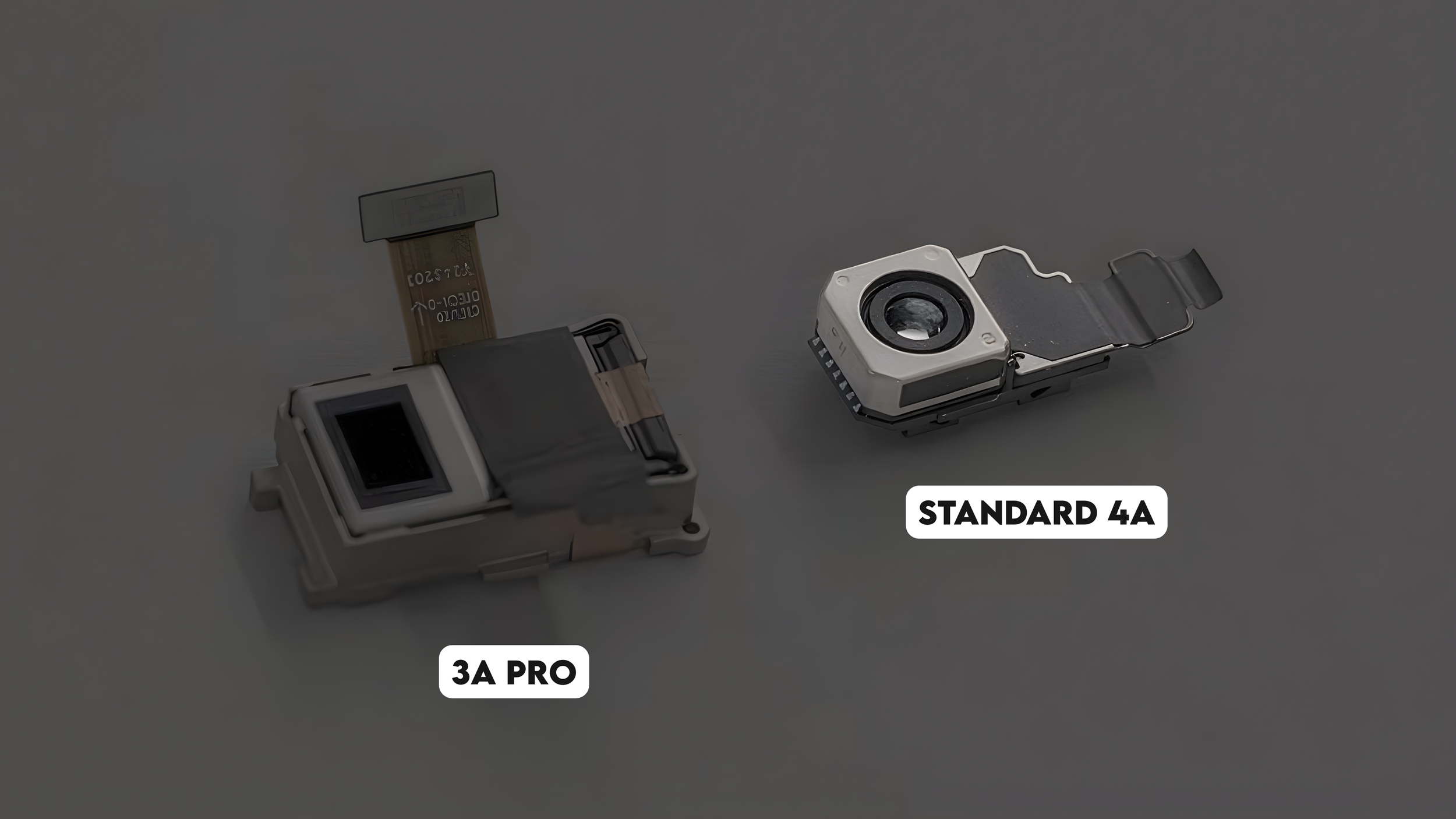
Shrinking that assembly while keeping the device balanced from a design perspective is not a small task. Bringing periscope zoom to the base model is a meaningful upgrade.
Engineering as Aesthetic
Nothing continues to lean into “engineering as design.” The back panel does not just show fake components. The design lines are aligned closer to where the actual PCB ends inside the device.
They are visually representing:
Battery placement
FPC connectors
Coil alignment
Structural brackets
It is not a teardown-level transparent phone, but it tells a story about what’s inside.
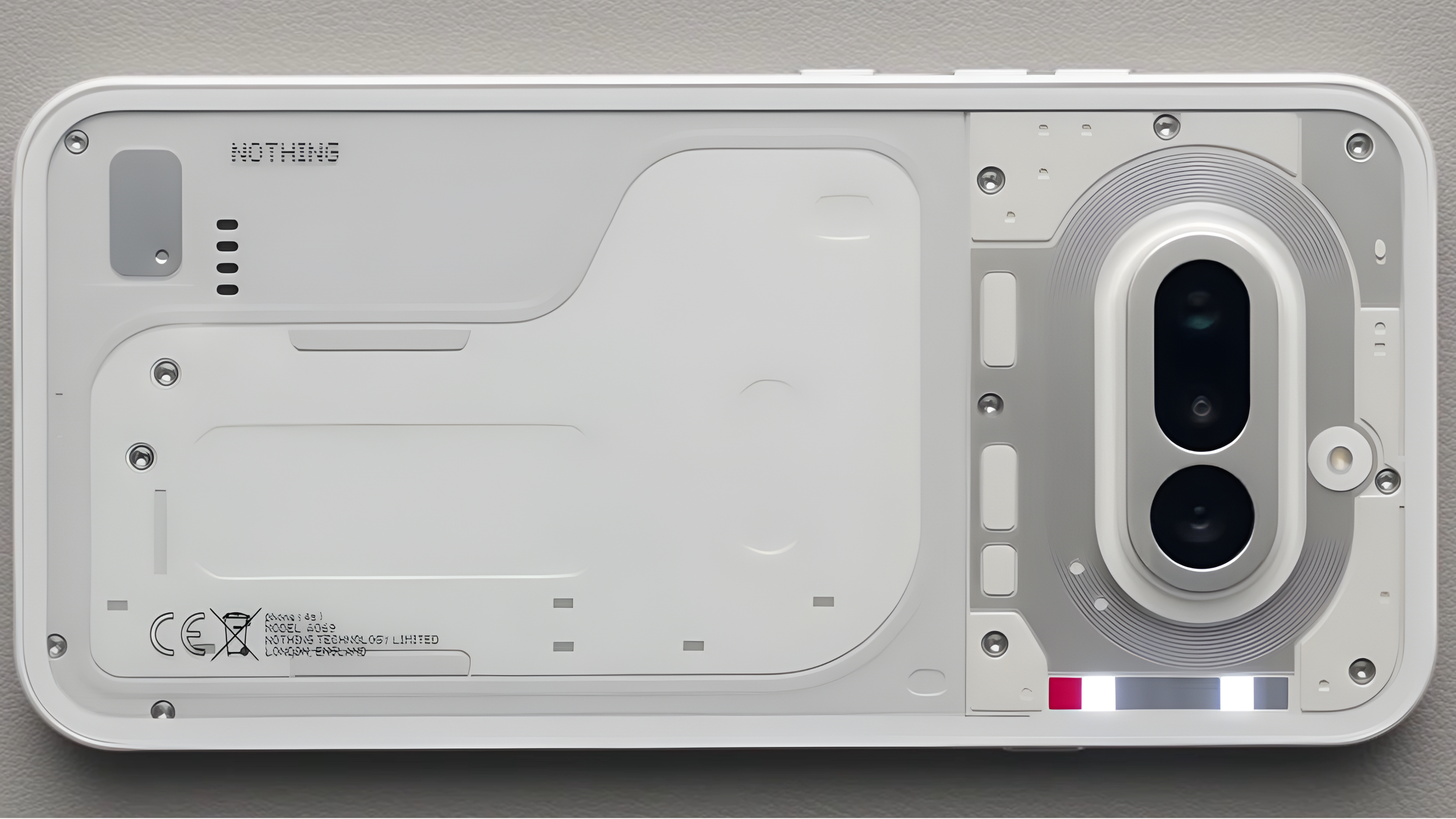
There is also more relief and dimensionality across the back panel this year. It is not a completely flat slab. Small shifts in height and panel division lines elongate the device visually and make it feel more elegant.
They also carried over their racetrack-style shapes from their audio products, creating a consistent language across their ecosystem.
That kind of cross-product harmony usually only shows up in brands that are thinking long term.
Final Thoughts
Nothing is clearly doubling down on what makes it different instead of chasing what everyone else is doing. They are not optimizing for trends or copying camera layouts. They are building a visual identity around transparency, light, and engineering honesty.
As someone who tears phones apart for a living, I respect any brand confident enough to design around its internals.
Now the real question is how this translates once it hits the bench.
Transparent back. Periscope camera. Seven LEDs. Yeah, I’m opening it!
See you in the next article!
