
This Cheap Battery Just Fooled Apple’s System…
Apple has been tightening control over repairs for years, and a big part of that is its Parts and Service History system.
With newer iOS versions, your iPhone can tell if a component is original, replaced, or unknown. That information shows up right in settings, including under Battery Health.
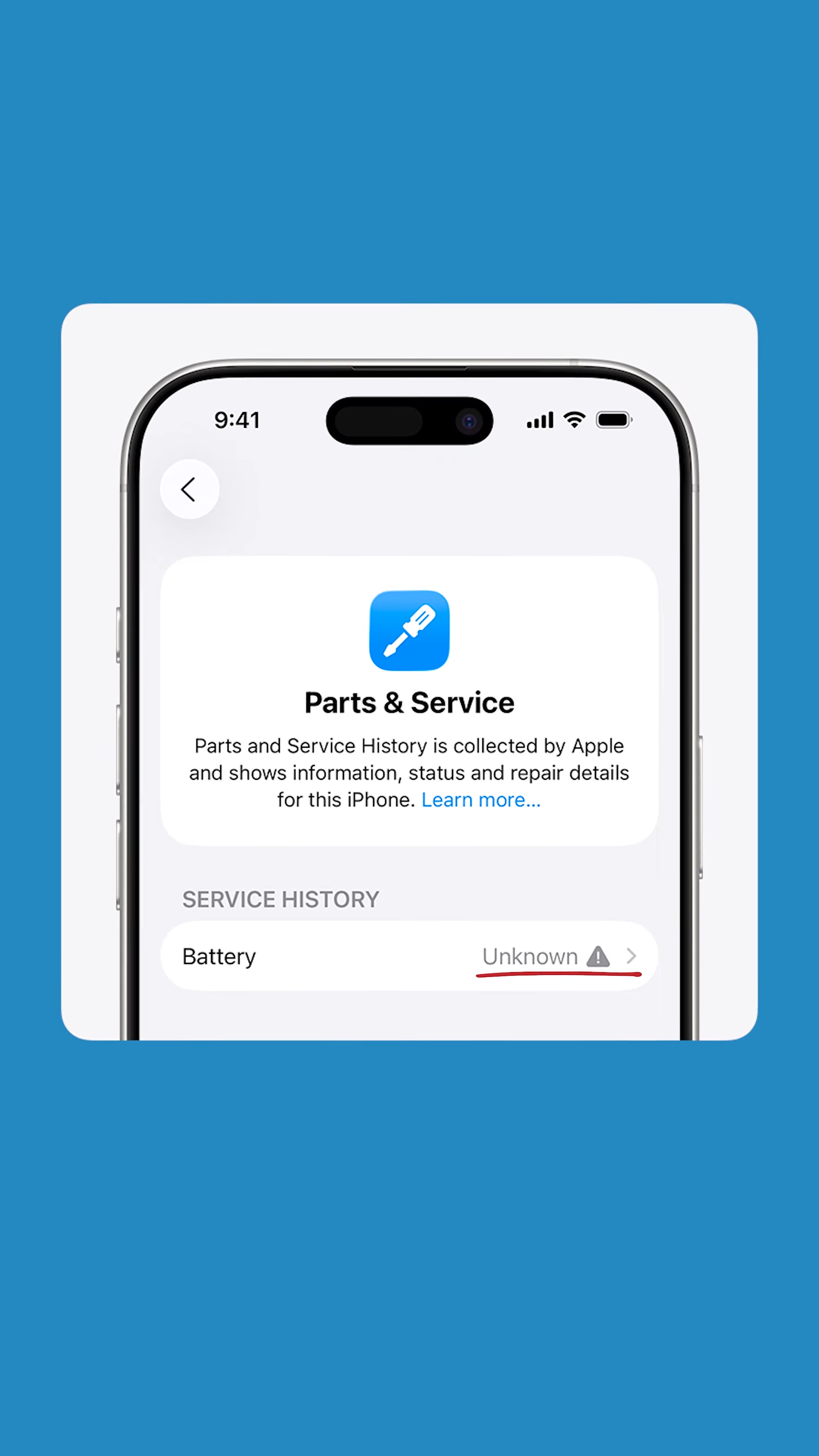
If it’s not genuine, the phone should tell you.
The AliExpress Battery Test…
So I wanted to test that.
What happens if you take a random battery from AliExpress and drop it into the system? Not a refurbished original or a pulled part, just a cheap aftermarket replacement.
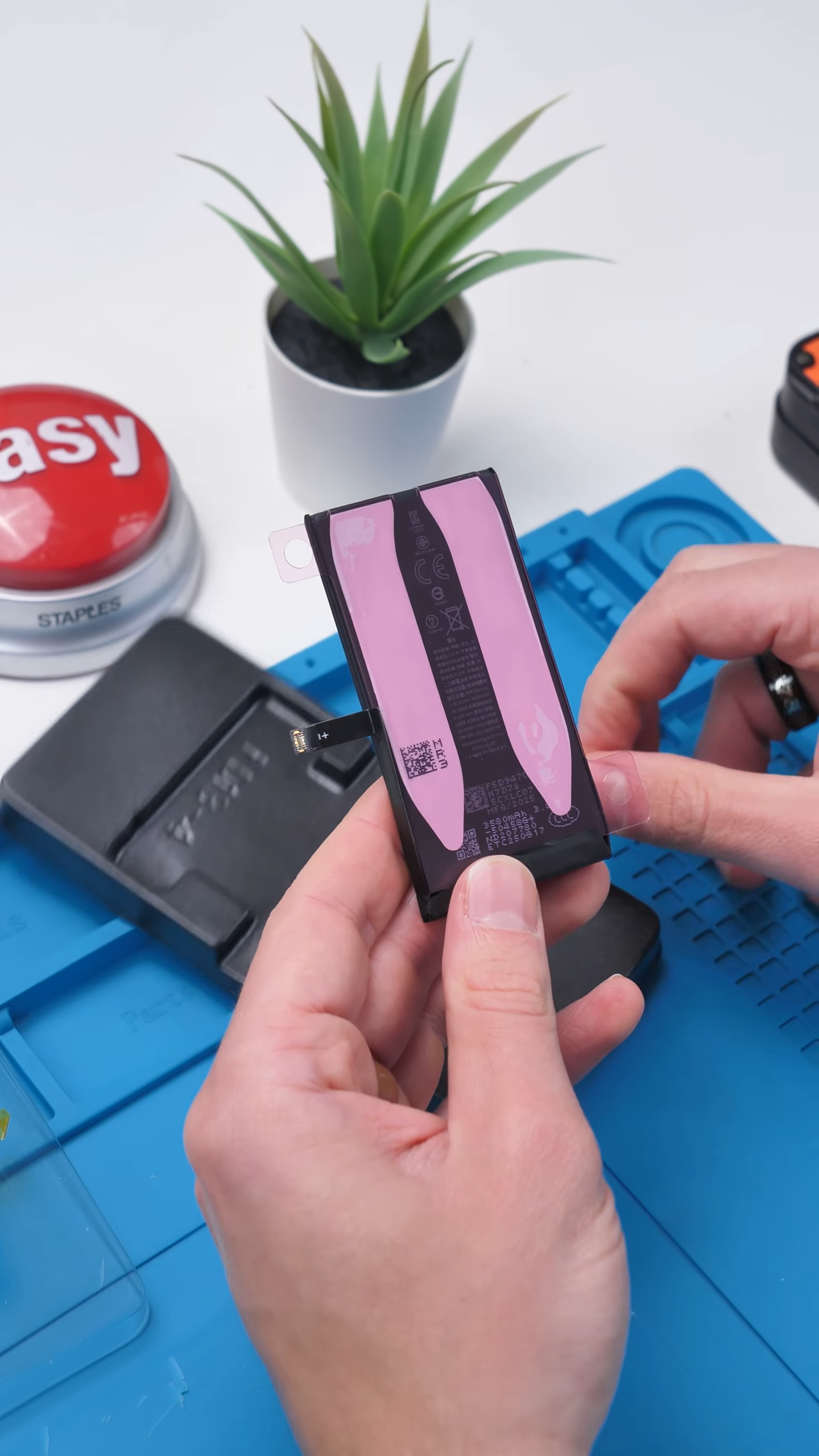
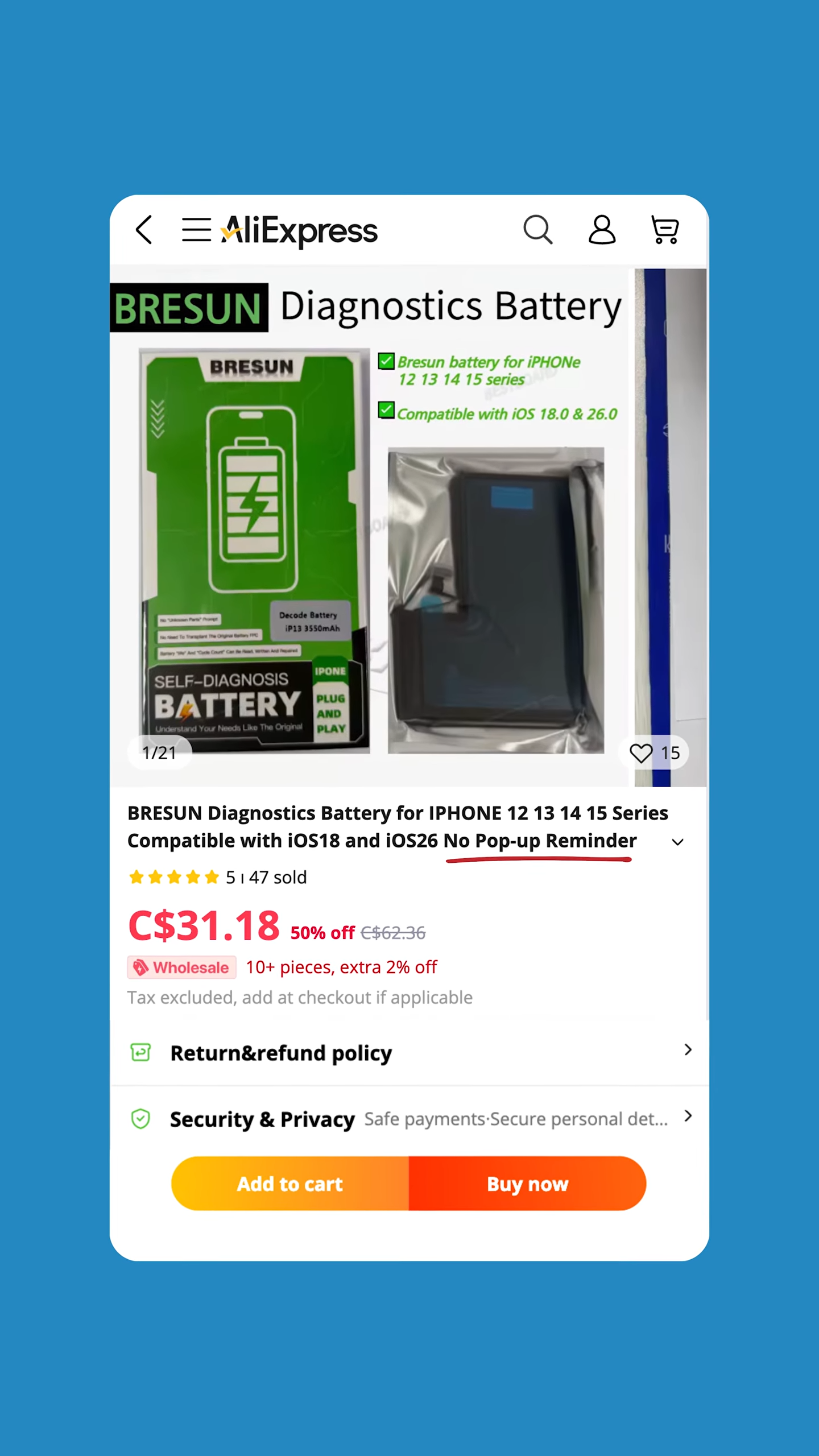
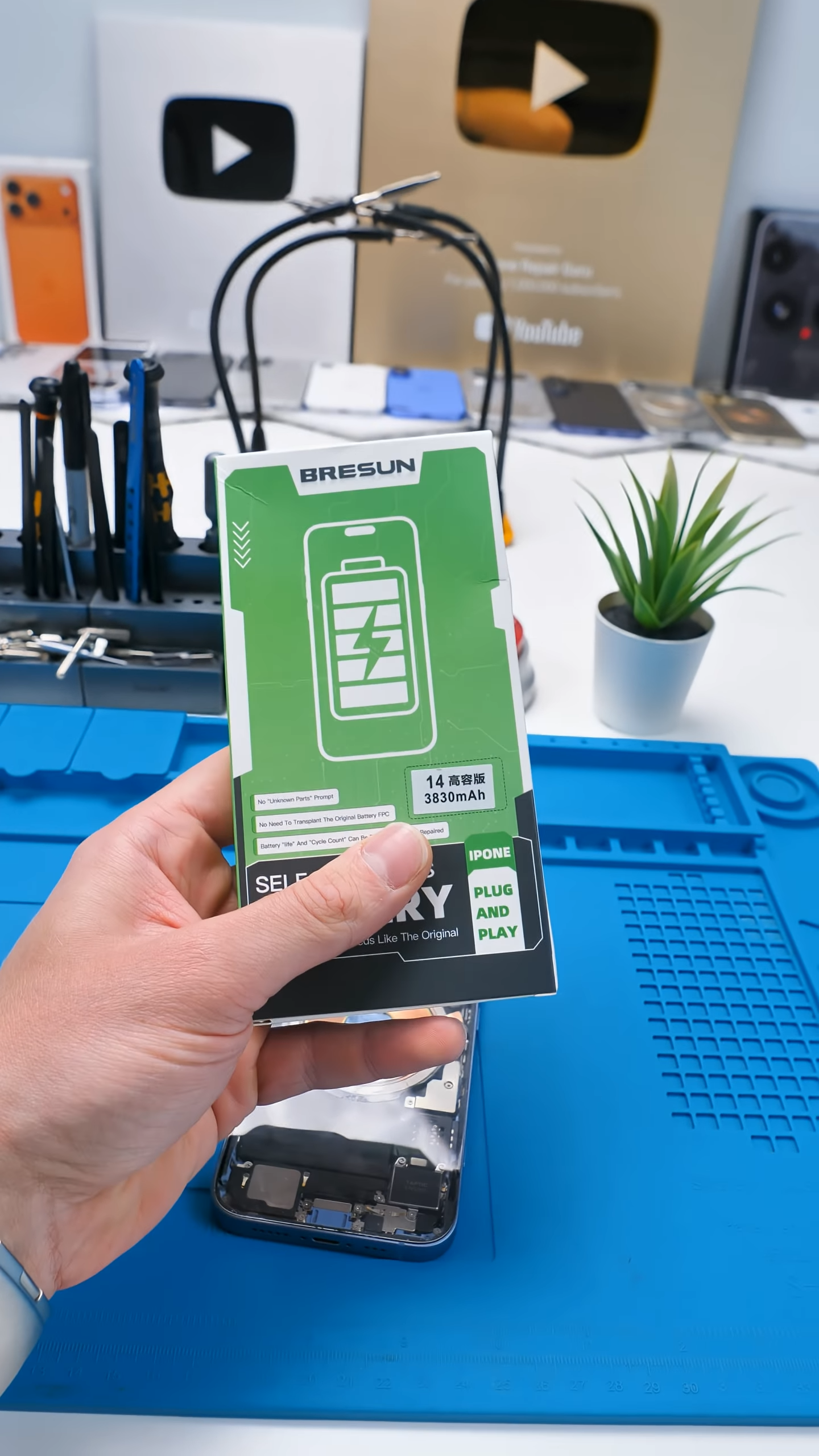
In this case, it’s one of those generic batteries you’ll find all over AliExpress. Honestly, nothing about it should be able to pass as genuine. If Apple’s system works the way it’s supposed to, this should get flagged instantly.
First Impression
But before even installing it, something already felt off. The sealing on this battery looked rough. Definitely not what you’d expect from something trying to pass as a genuine Apple part. Which made this even more interesting.
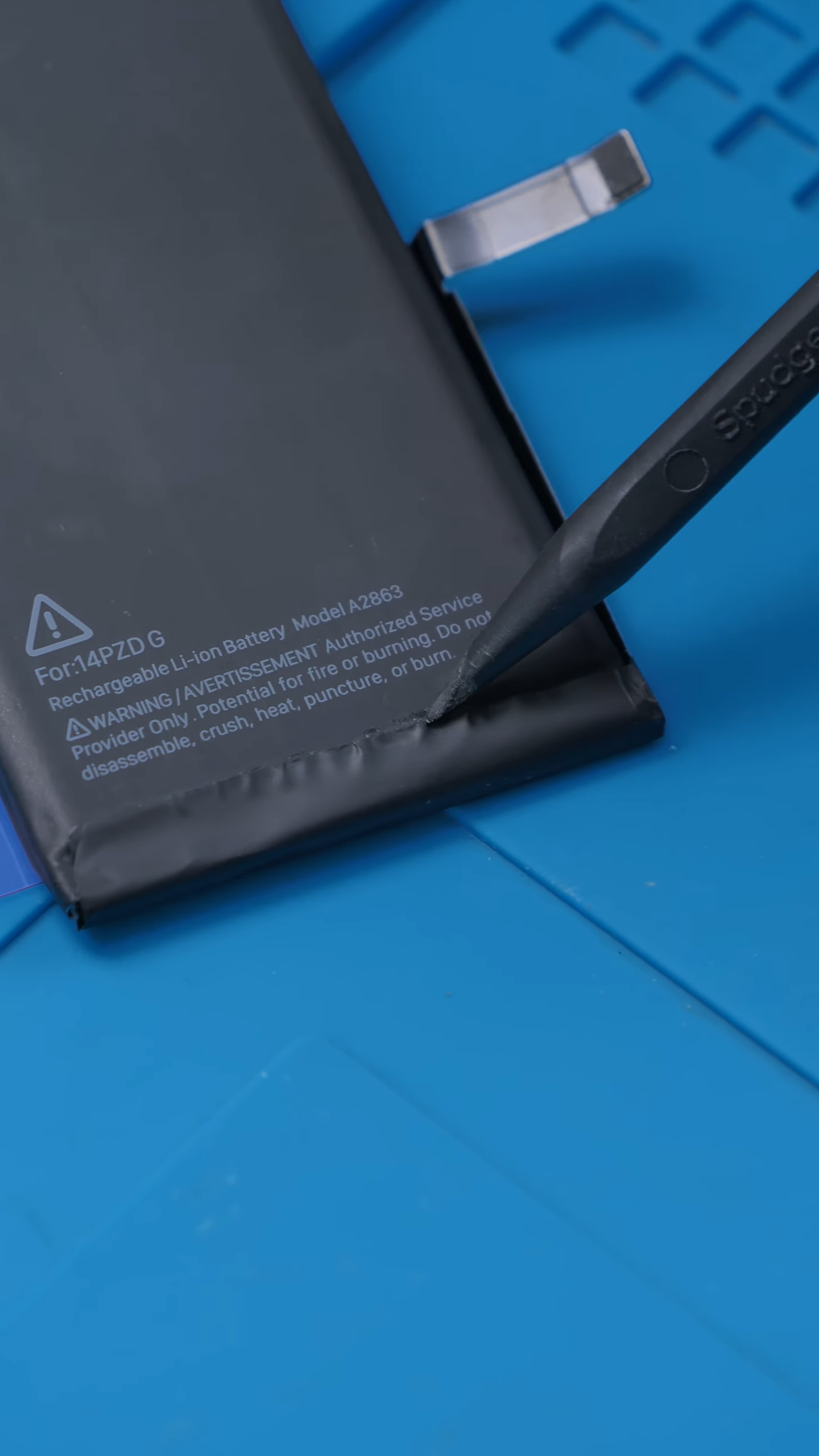
Because if this thing works, then clearly looks aren’t what matter here. So I installed it.
Installation and the Moment of Truth
The install itself was completely normal. No tricks, no extra steps, just a standard battery swap. Once everything was back together, I went straight into Settings → Battery → Battery Health, expecting some kind of warning to show up.
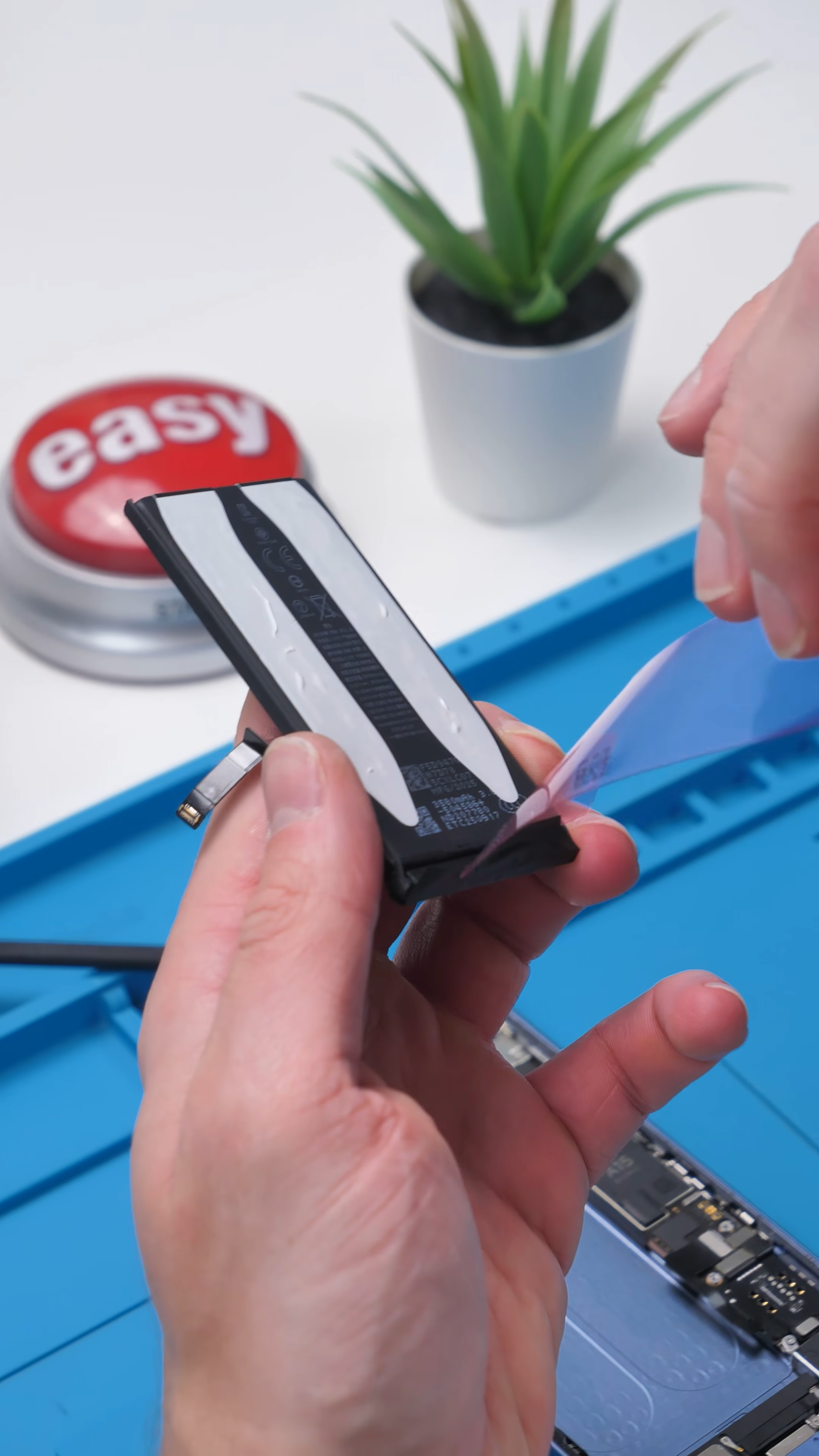
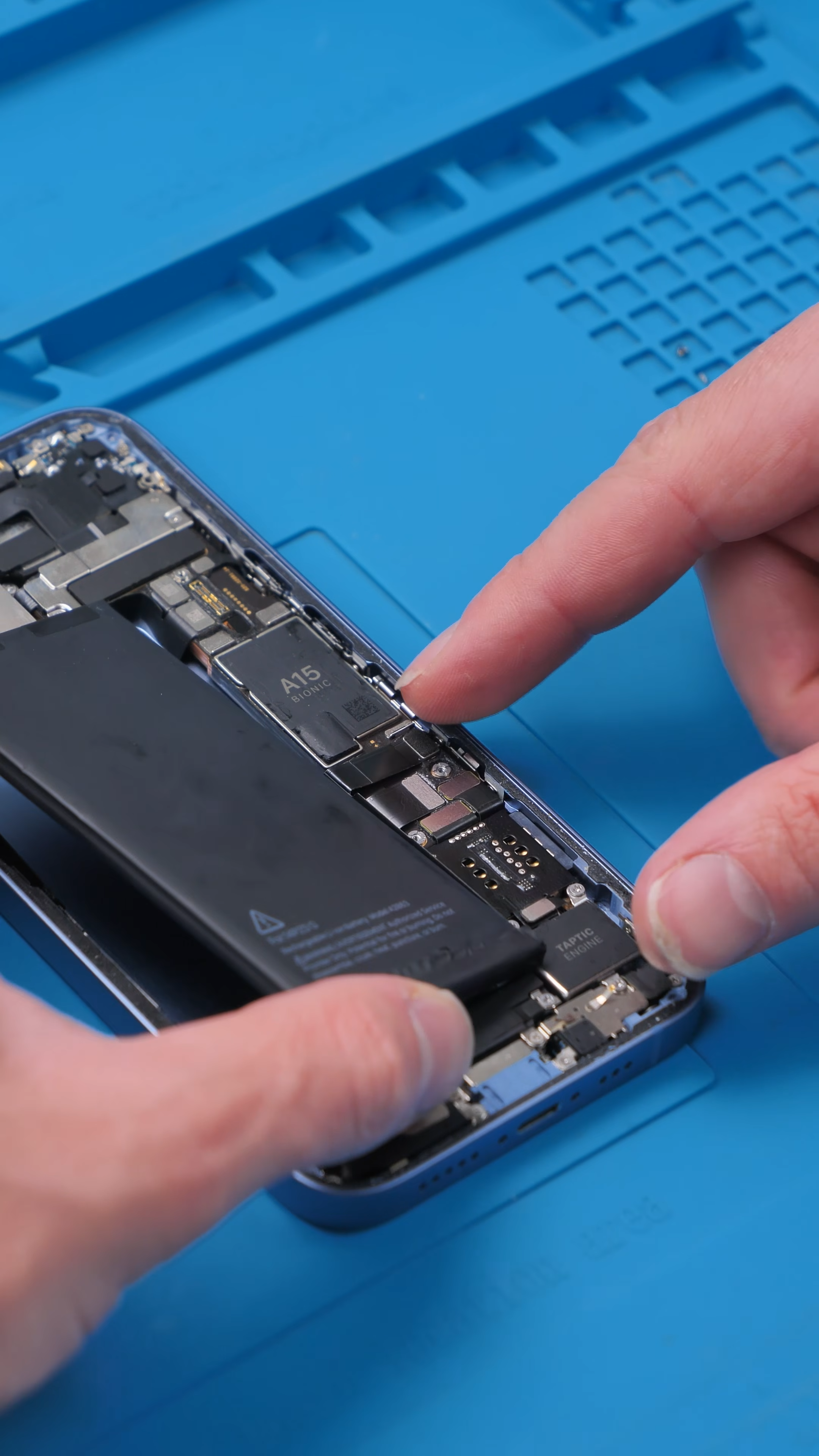
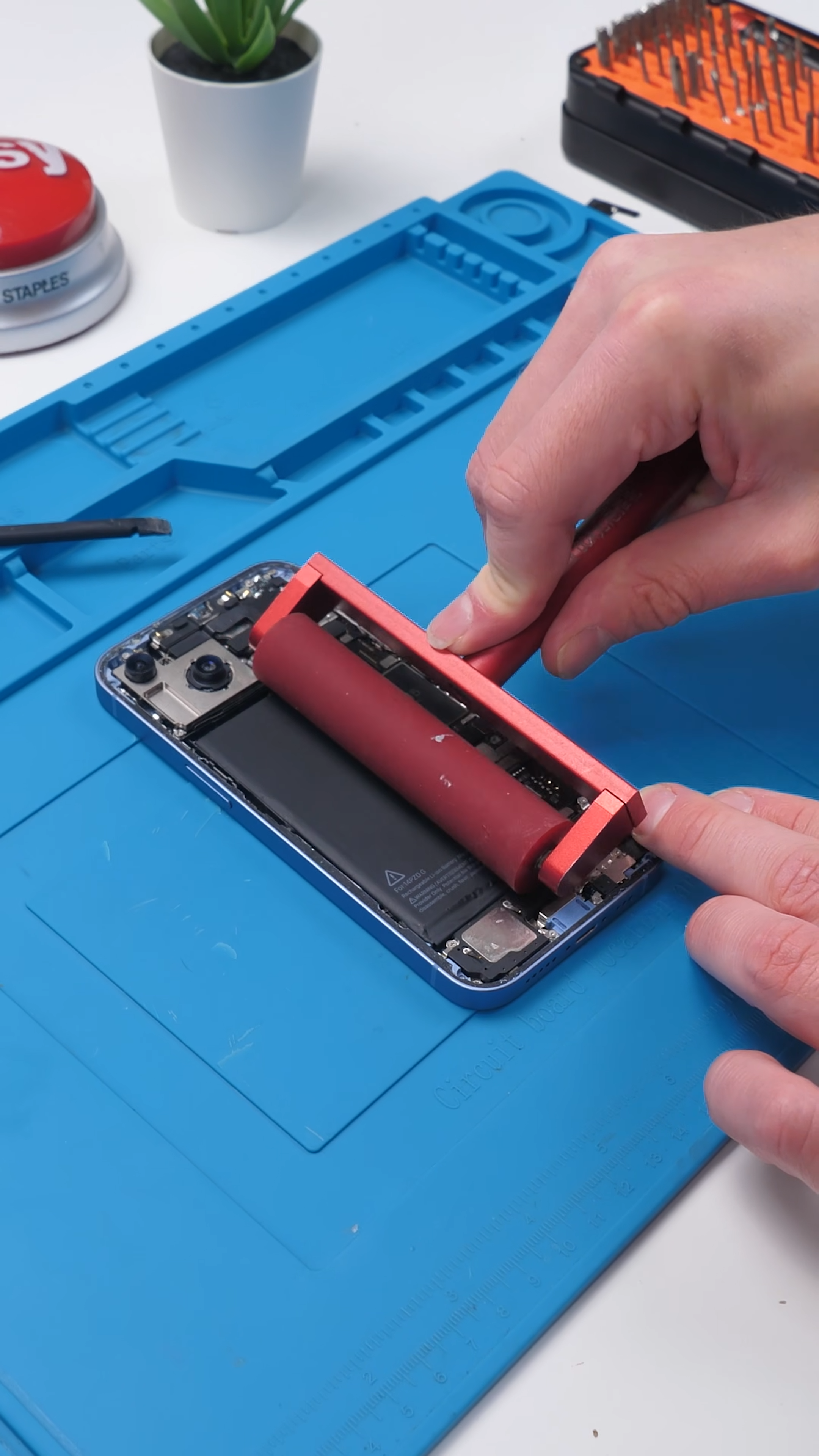
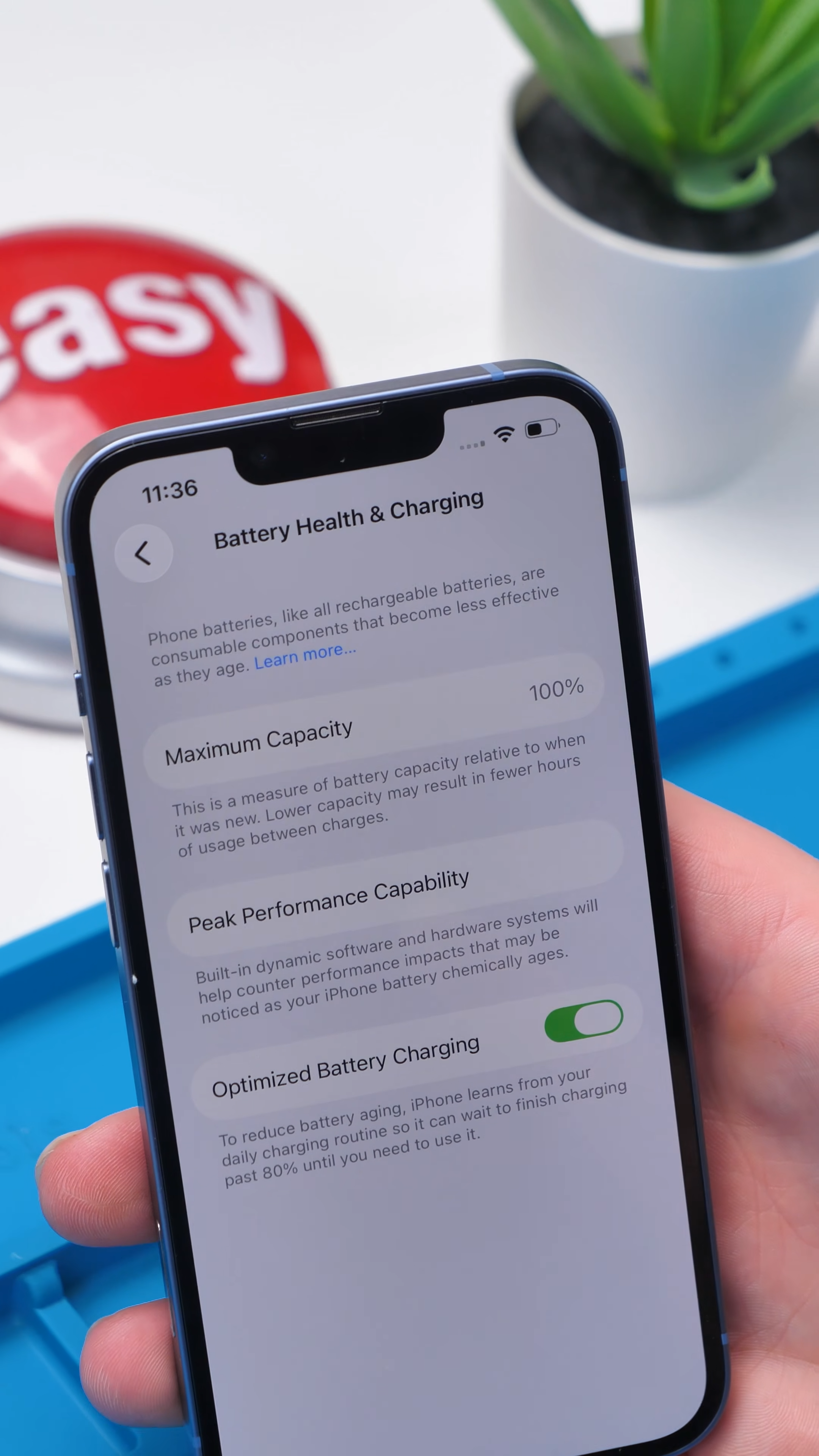
Instead, it instantly showed 100%. No “Unknown Part” message, no alerts, nothing. At that point, it already didn’t make much sense.
It Actually Passed as Genuine
But this is where it gets worse.
The phone didn’t just accept the battery, it actually recognized it as a used genuine Apple battery. That means whatever chip or data is inside this thing is convincing enough to pass Apple’s verification.
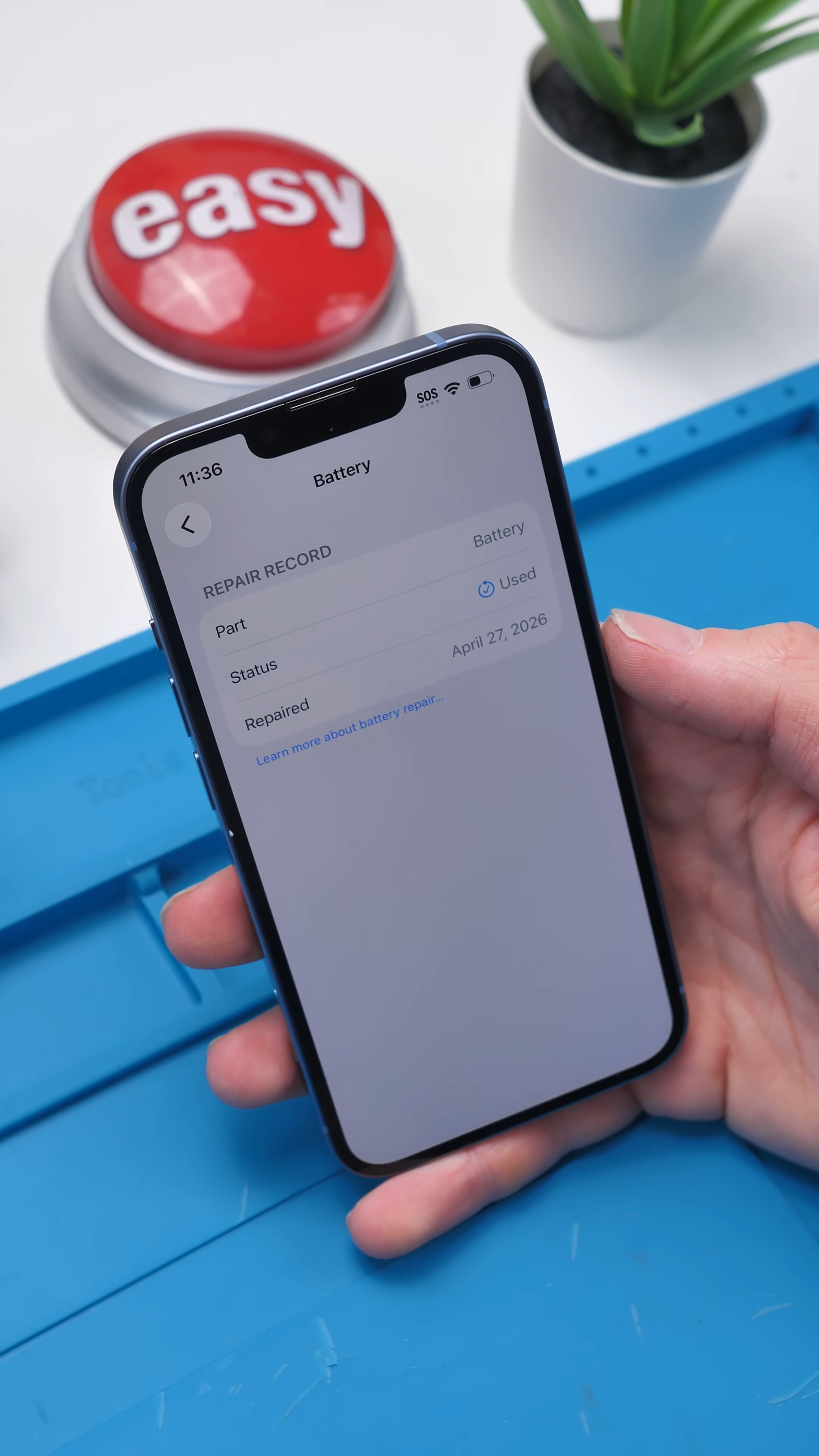
From the outside, it looks cheap, but from the phone’s perspective, it’s completely legit.
And that gap is where things start to break.
Why This Actually Matters
This isn’t just a weird one-off result. Apple’s entire Parts and Service History system is built on the idea that it can reliably verify components, which is what separates official repairs from third-party ones in the software.
But if aftermarket parts can now mimic that identity, the system starts to lose its purpose. We’ve already seen this happen with displays, and now batteries are starting to follow.
Once more parts start doing this, Apple’s control over repair verification gets a lot weaker. Not gone, but definitely challenged. For repair shops, this could change how replacements are handled, and for users, it means your phone might not always be telling the full story anymore.
Final Thoughts
This feels like one of those small tests that exposes a much bigger gap.
A random AliExpress battery just convinced an iPhone it was genuine. That shouldn’t happen, but it did. And if this becomes more common, Apple’s whole verification system starts to look a lot less reliable.
If your iPhone starts trusting everything it sees, it might need a second opinion.
See you in the next article!
