
Samsung Hid a Major Compromise Inside the Galaxy Z Fold8…
Samsung somehow put a bigger 4,800mAh battery inside the lightest Galaxy Z Fold it has ever made. That sounds like exactly the upgrade foldable owners have been waiting for, but we wanted to know how Samsung actually pulled it off.
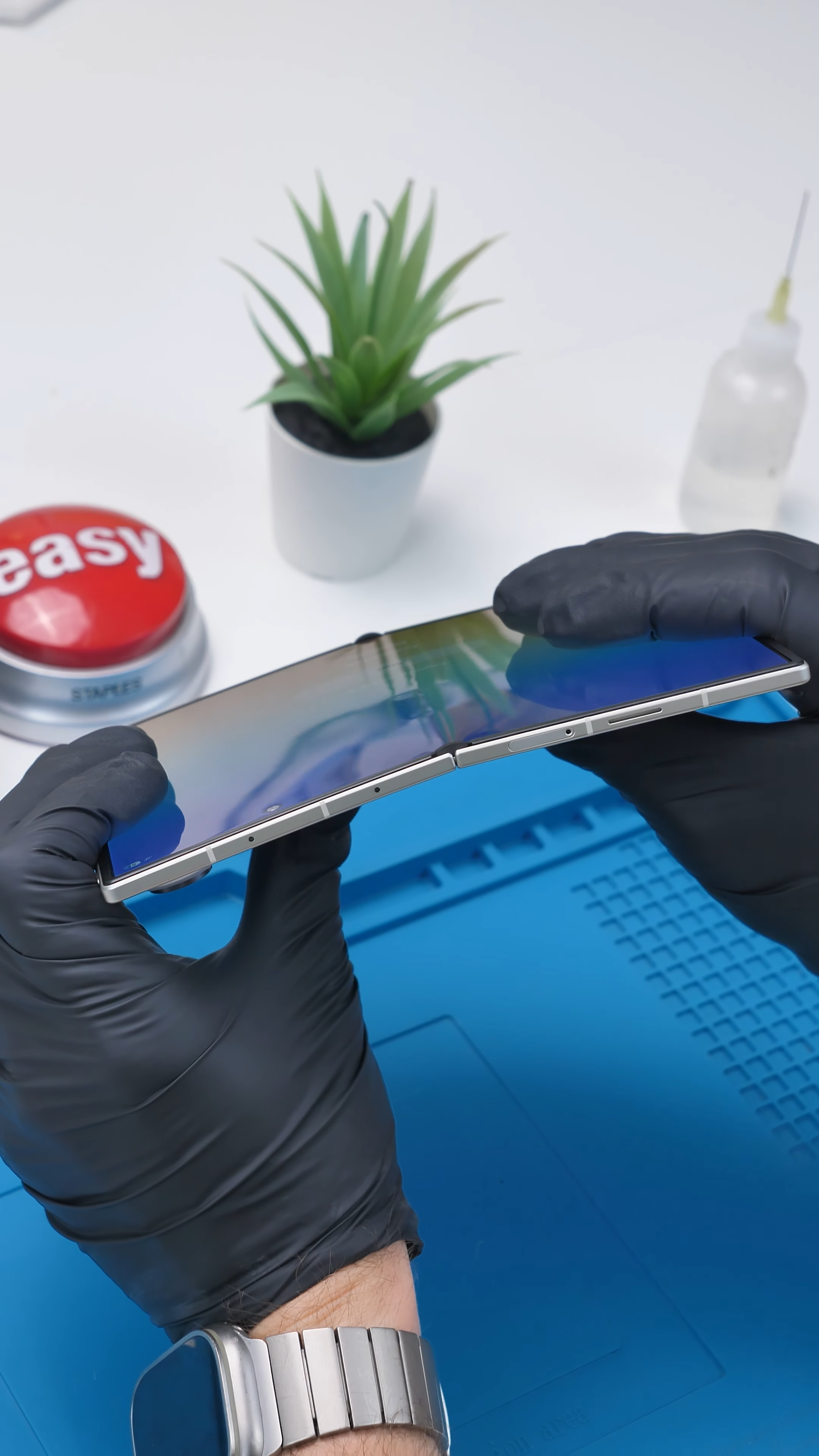
Since this is a brand-new device, this may also be one of the first Galaxy Z Fold8 teardowns. Unfortunately, I had already managed to bend it before getting inside.
The Back Panel Had Me Fooled
Like nearly every foldable, the Galaxy Z Fold8 opens from the back across two separate halves.
While I was prying into the first panel, the way it bent made me think Samsung had used plastic. Once it came off, however, it became clear that it was still glass. That amount of flex made removing it feel even riskier than expected.
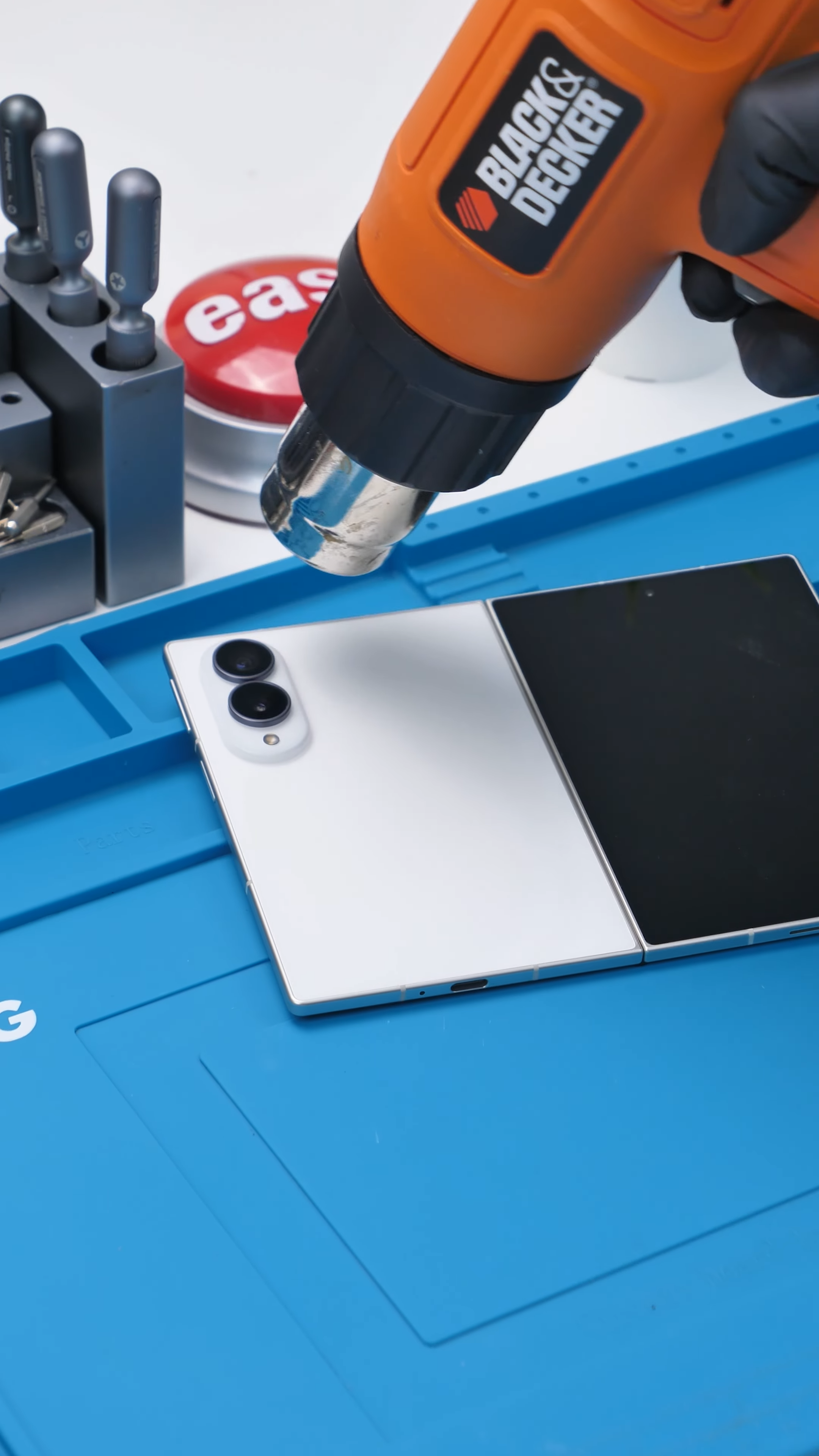
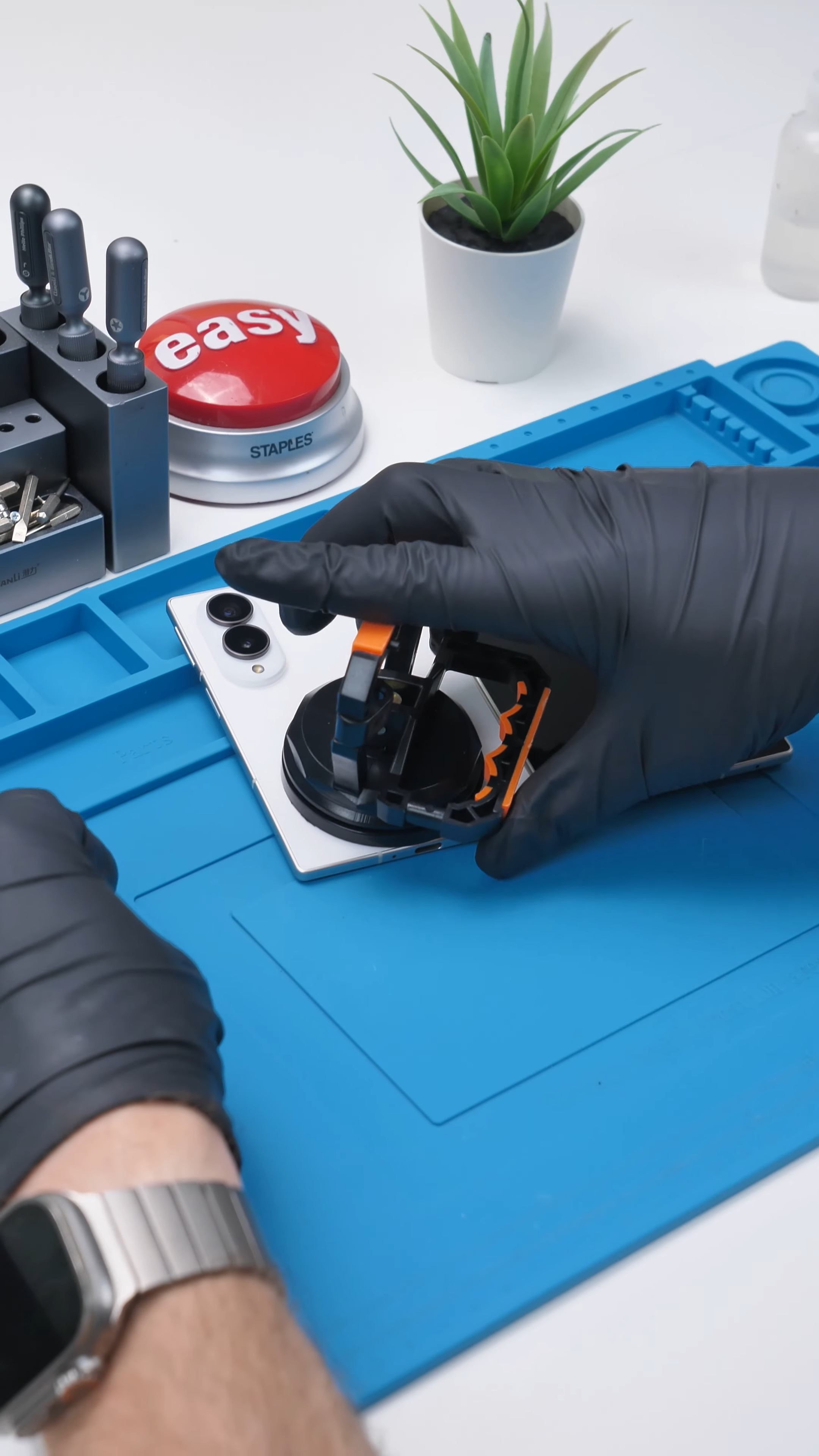
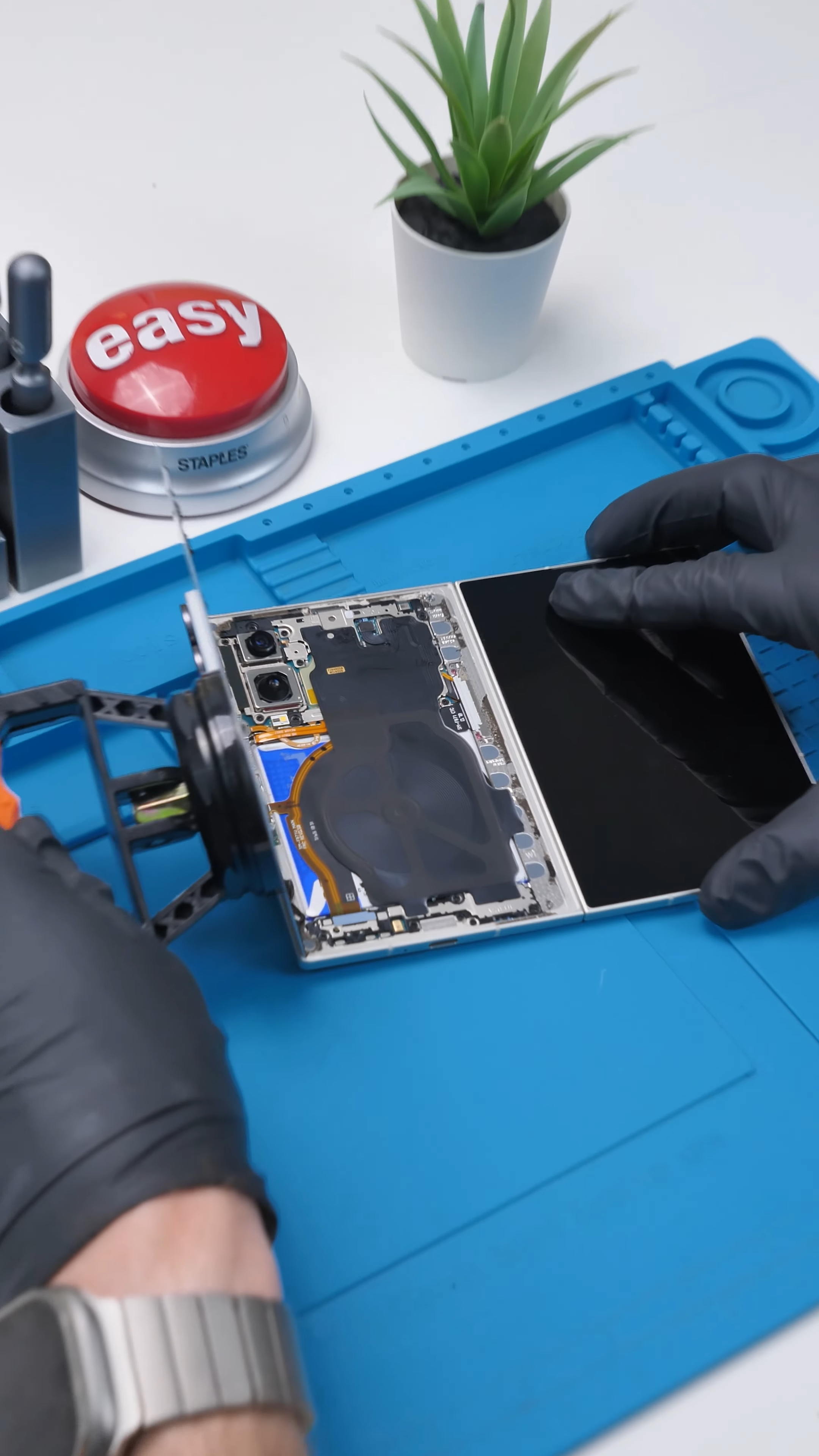
Underneath, I removed the wireless charging assembly and found the first major clue behind Samsung’s larger battery: a silicon-carbon cell.
Silicon-carbon batteries can store more capacity in less space, making them especially useful inside a foldable where the hinge and two displays leave very little room. It sounds like the perfect solution, but there is a major downside we’ll get to later.
Samsung Used Every Bit of Space
With the wireless charging assembly out of the way, we reached the main cameras and motherboard.
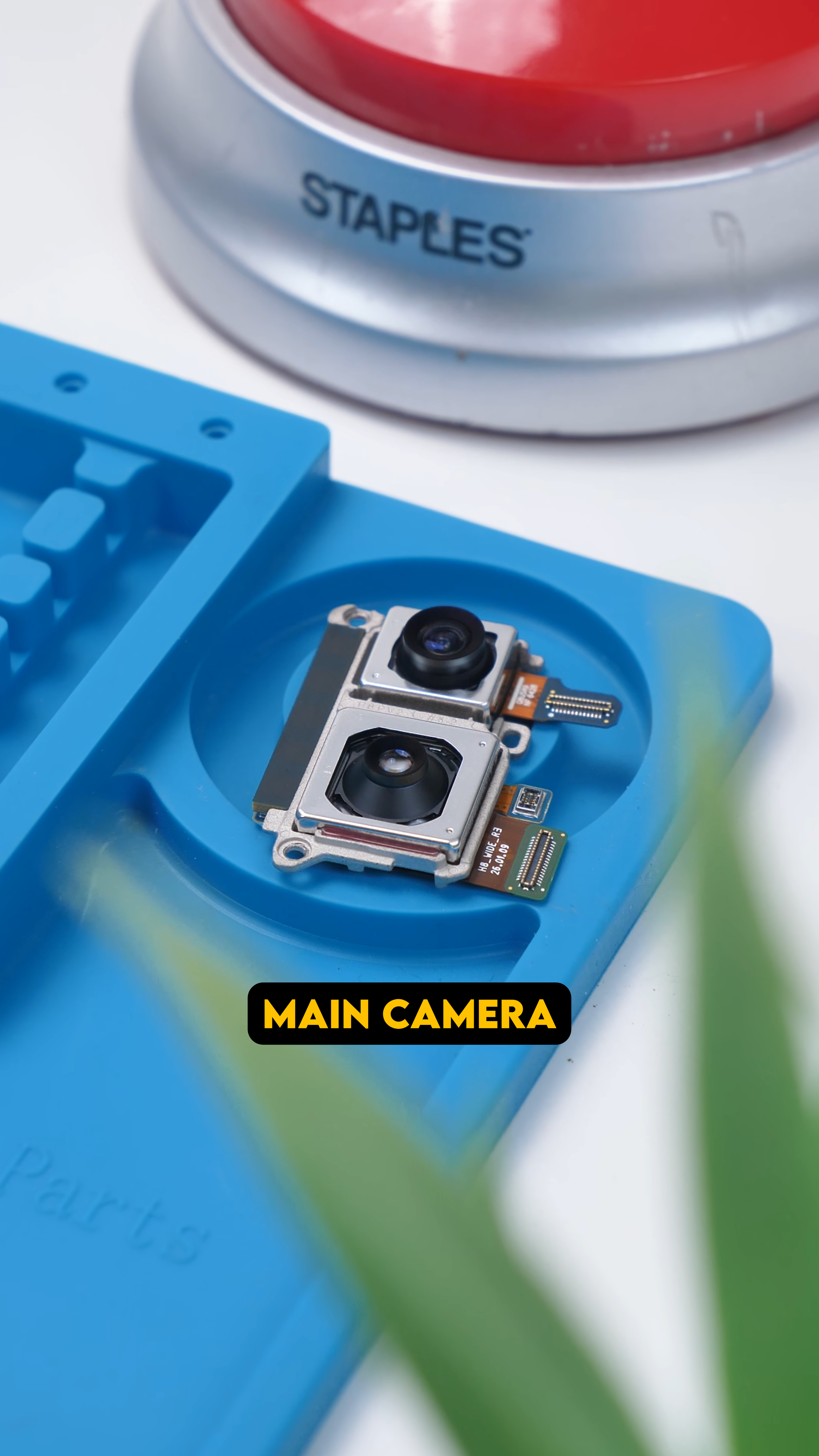
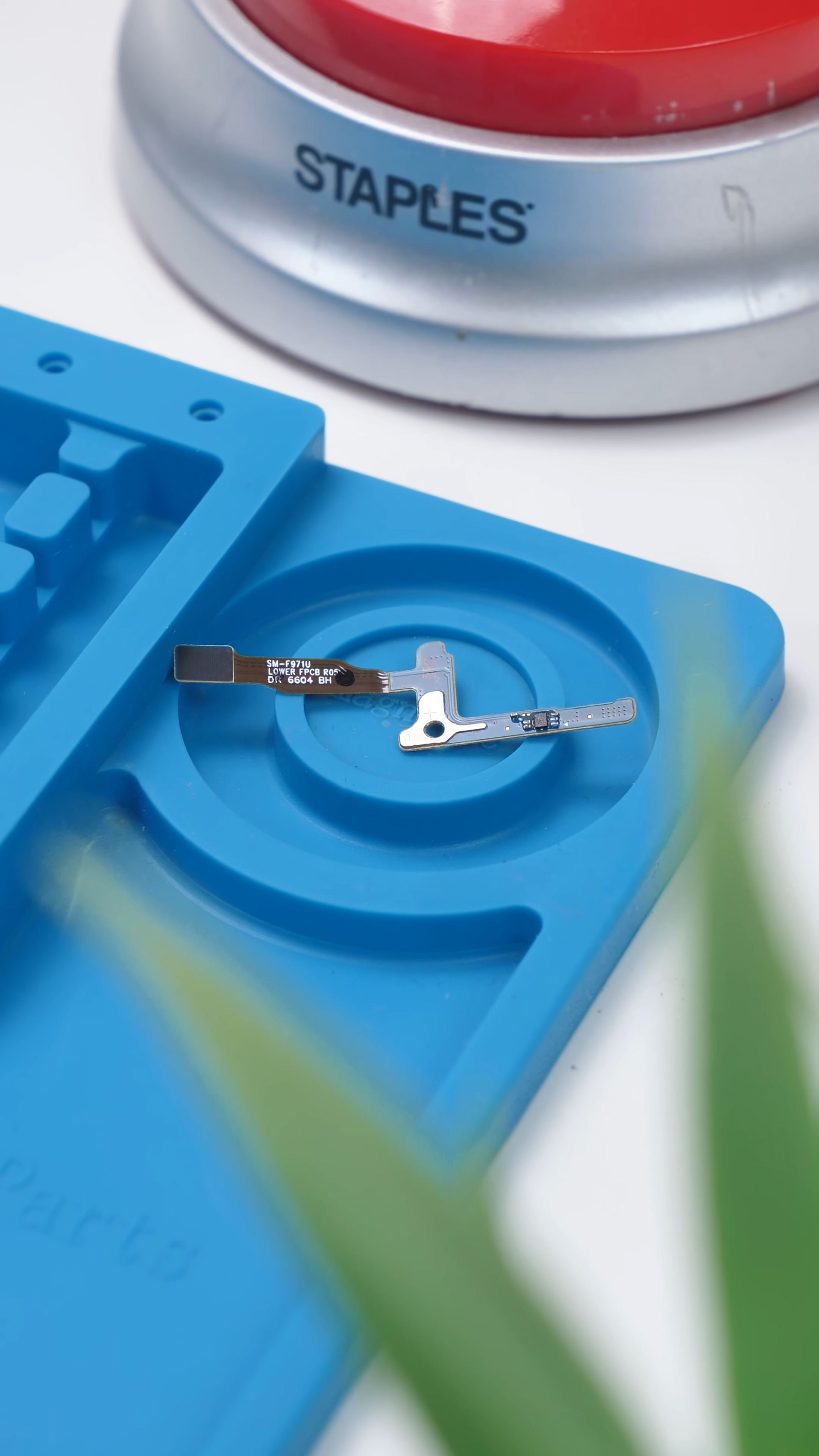
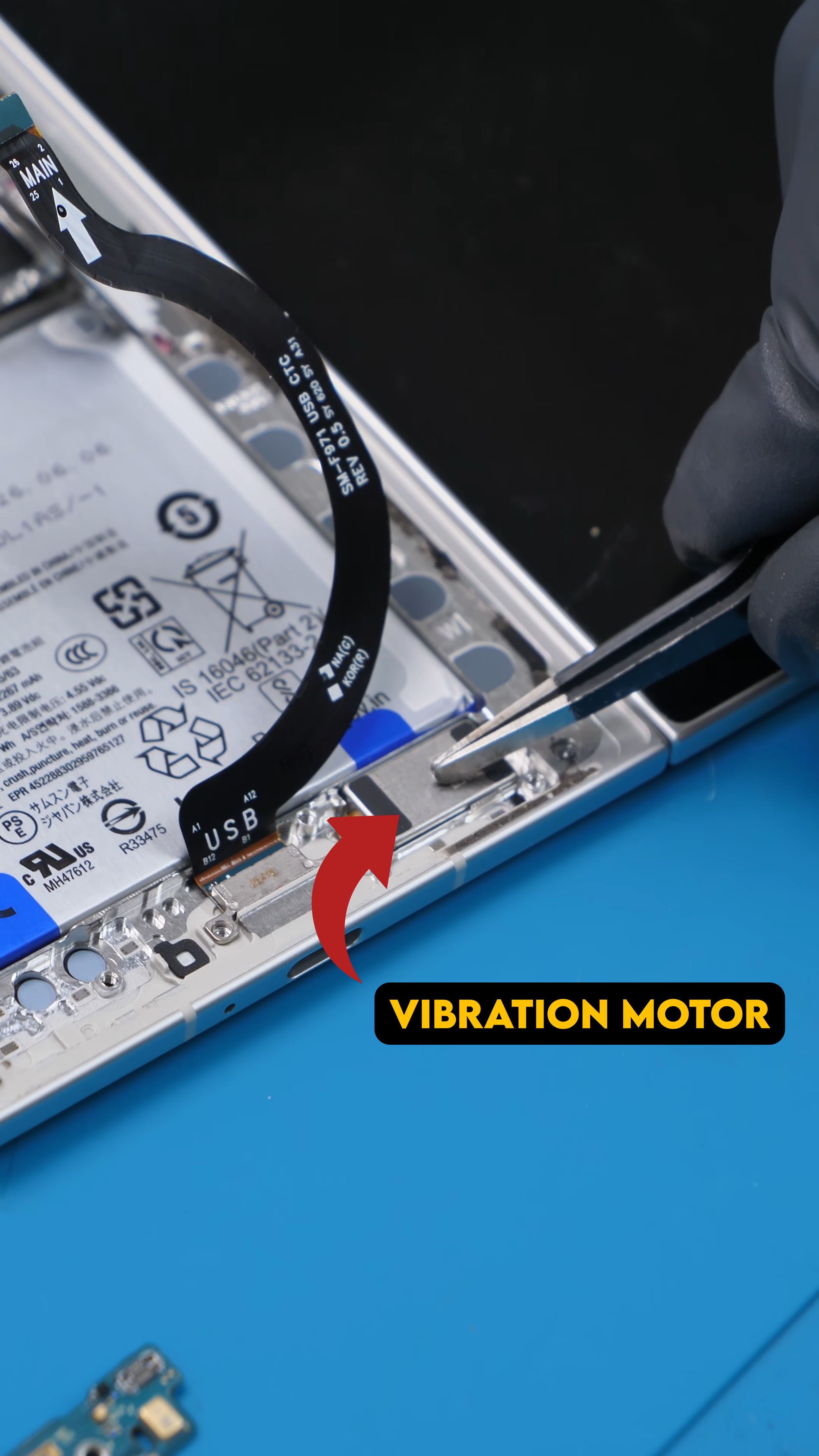
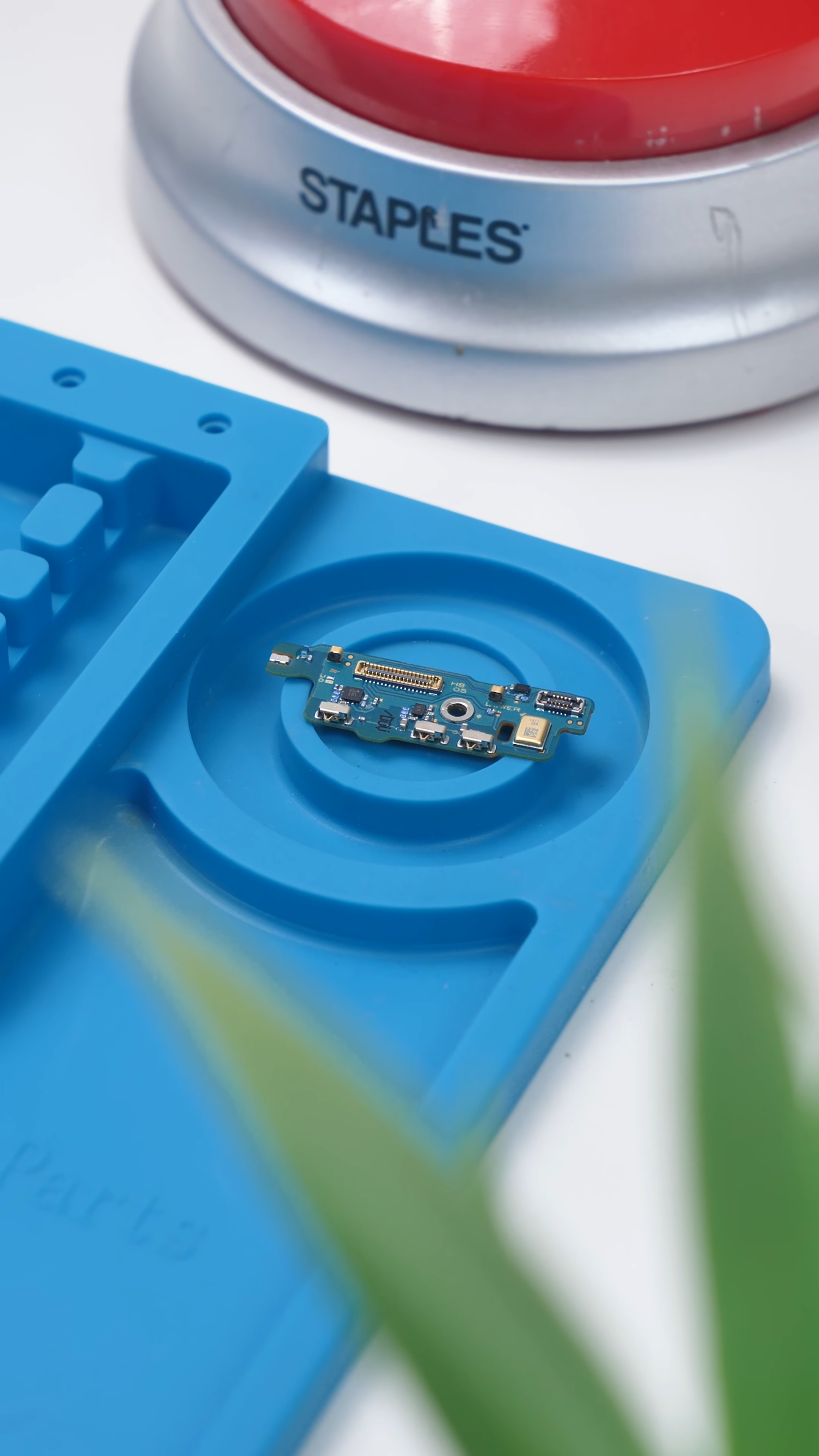
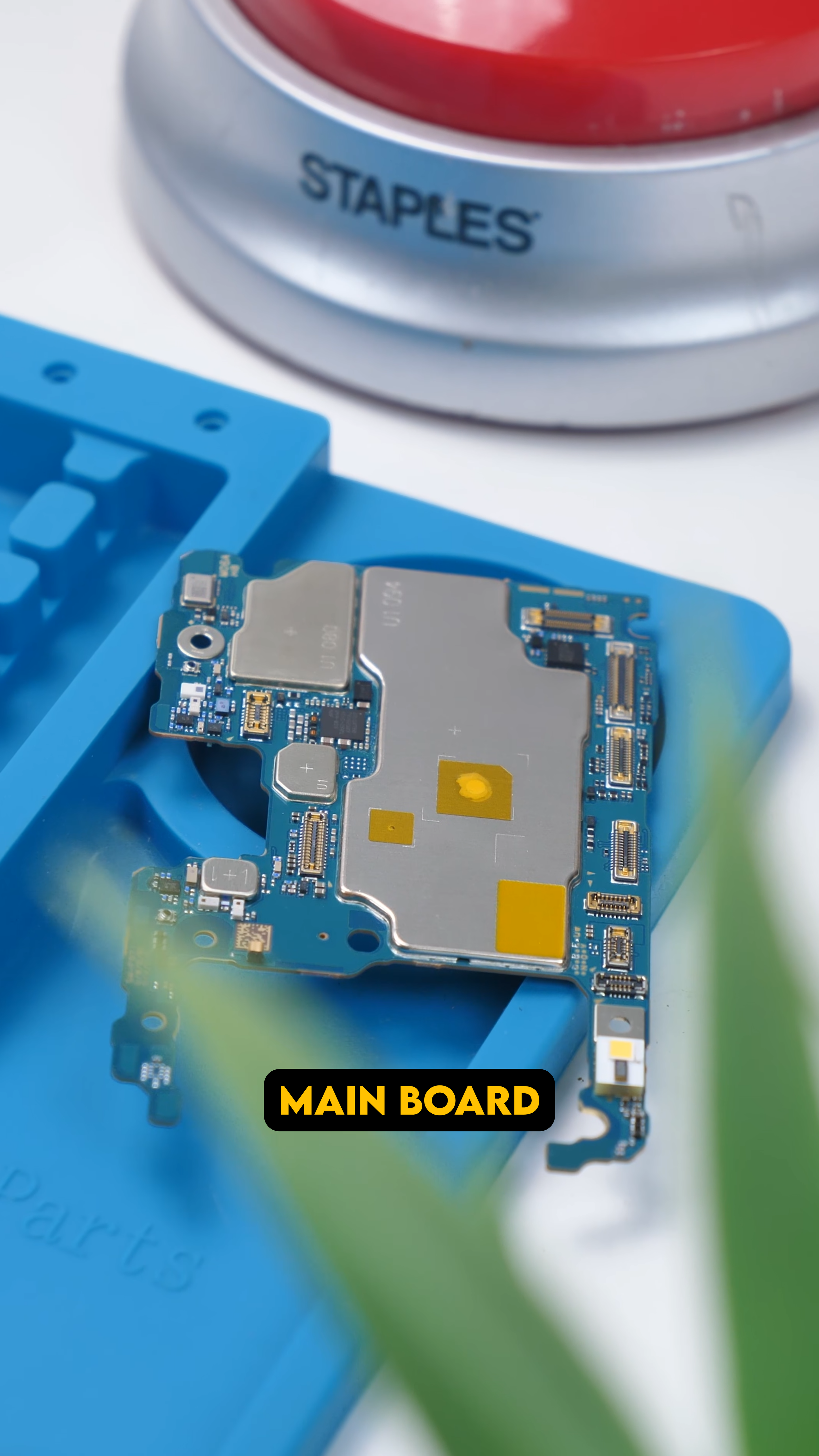
This half also contained several tiny circuit boards, the vibration motor and a 2,335mAh battery. Samsung had packed components into nearly every available space, but this was still only half of the phone’s total battery capacity.
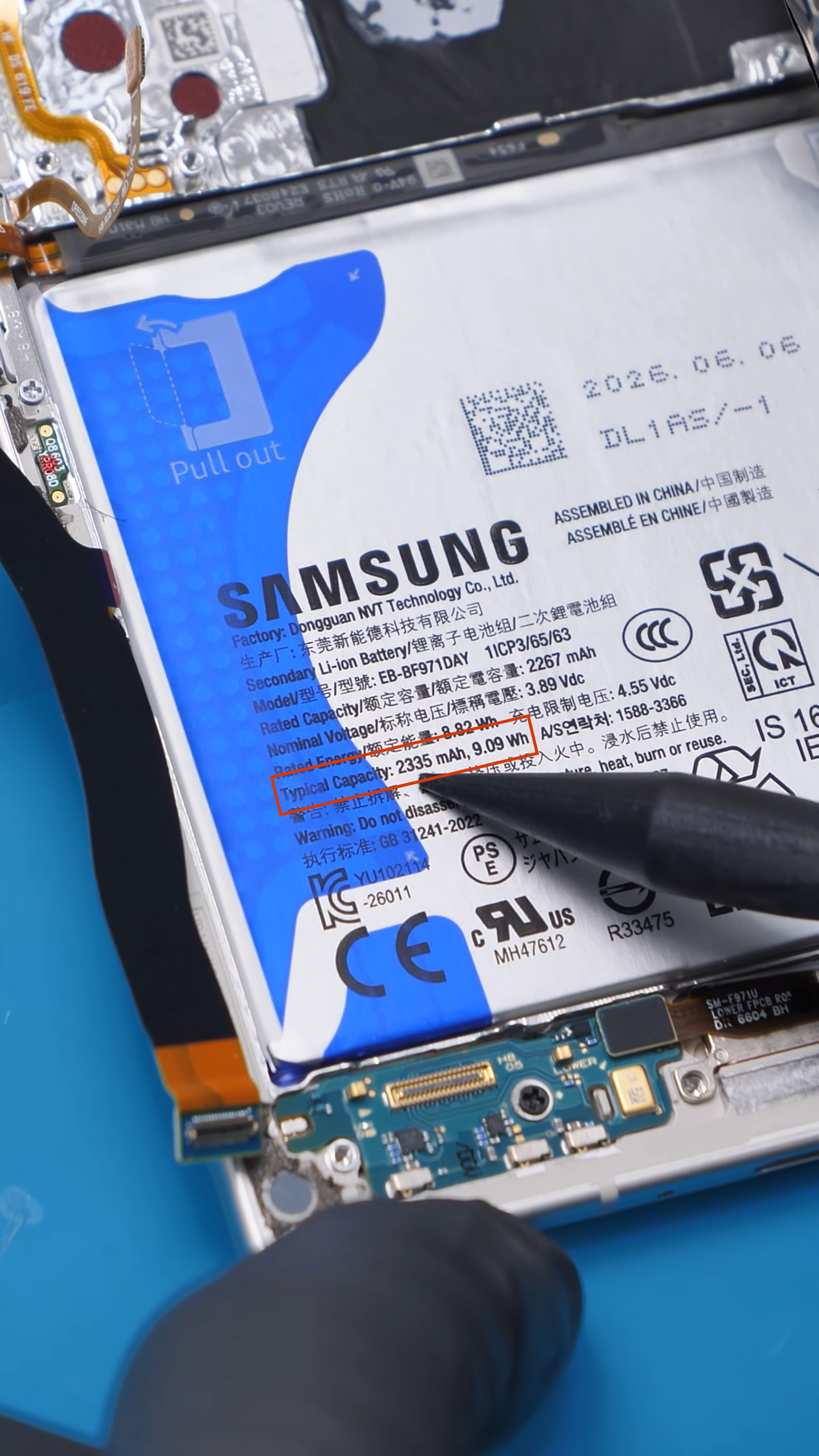
The larger cell was hiding on the other side, and getting to it was considerably more difficult.
Why This Half Was So Hard to Get Into
Opening the second half took 42 minutes and 12 seconds. Even after the panel finally came off, I still didn’t know whether the display had survived. We would only find that out once everything was reassembled.
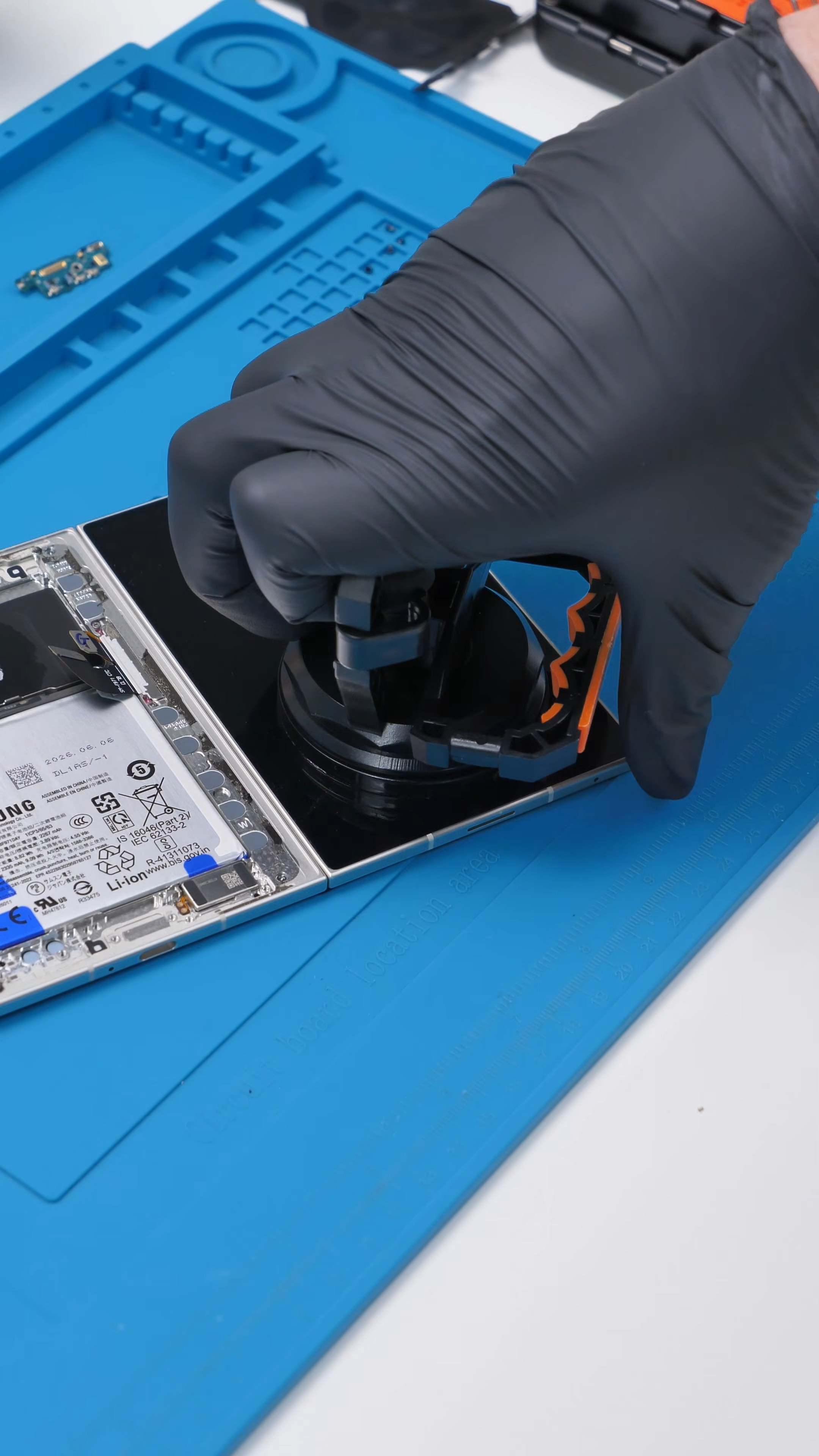
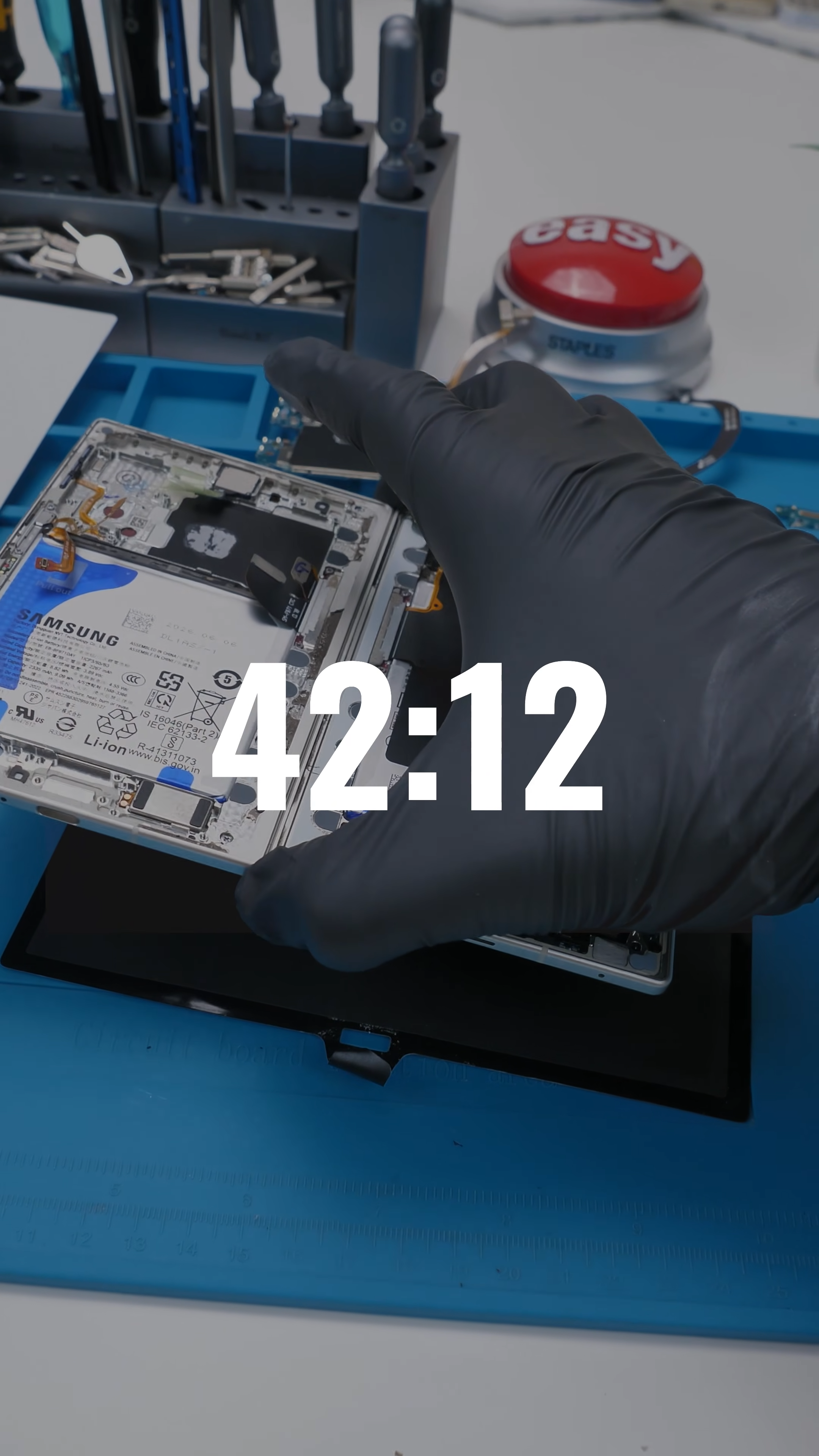
If you’re wondering why I didn’t approach it from the screen side, a replacement display costs around $950 CAD. So, no.
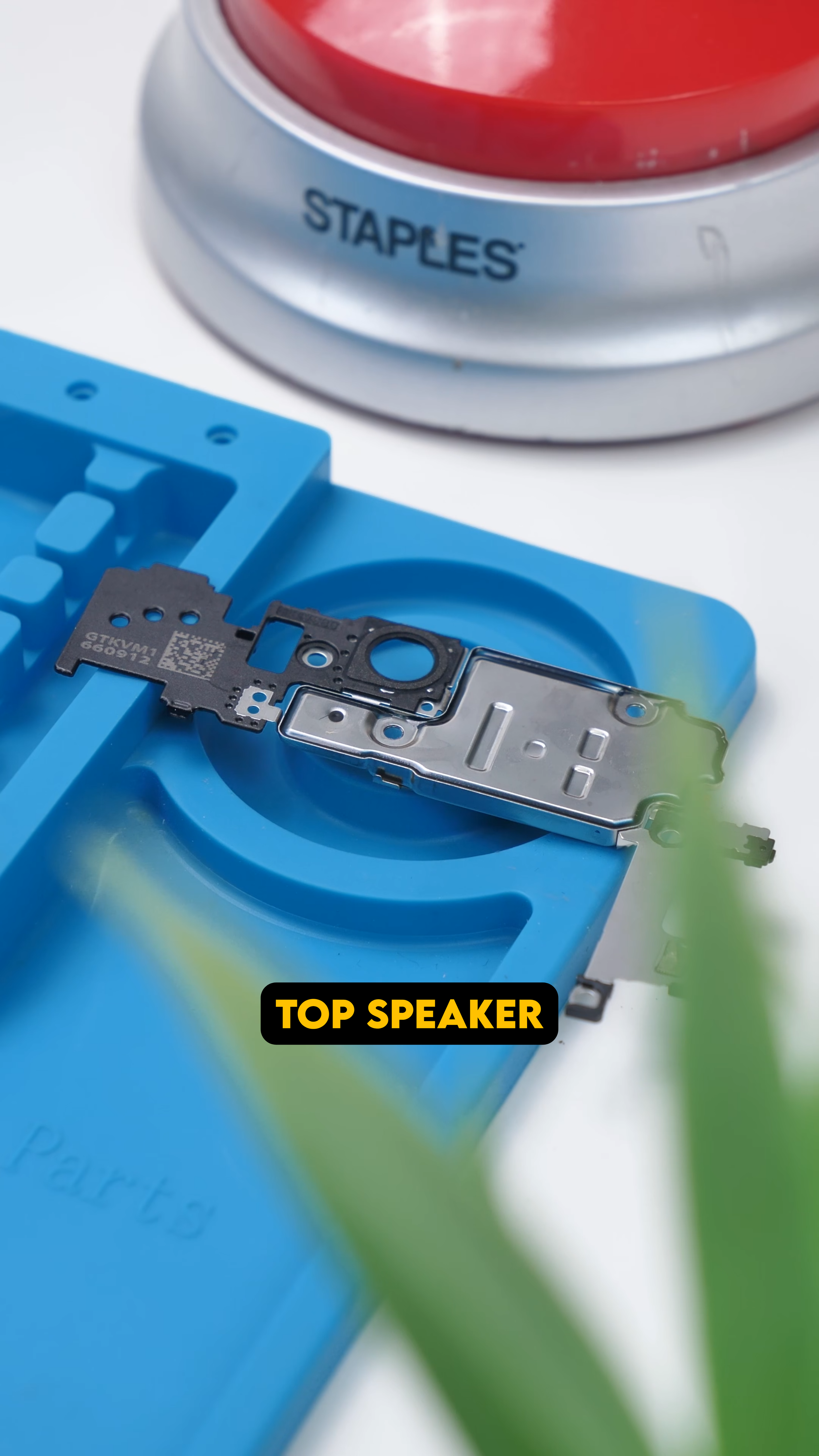
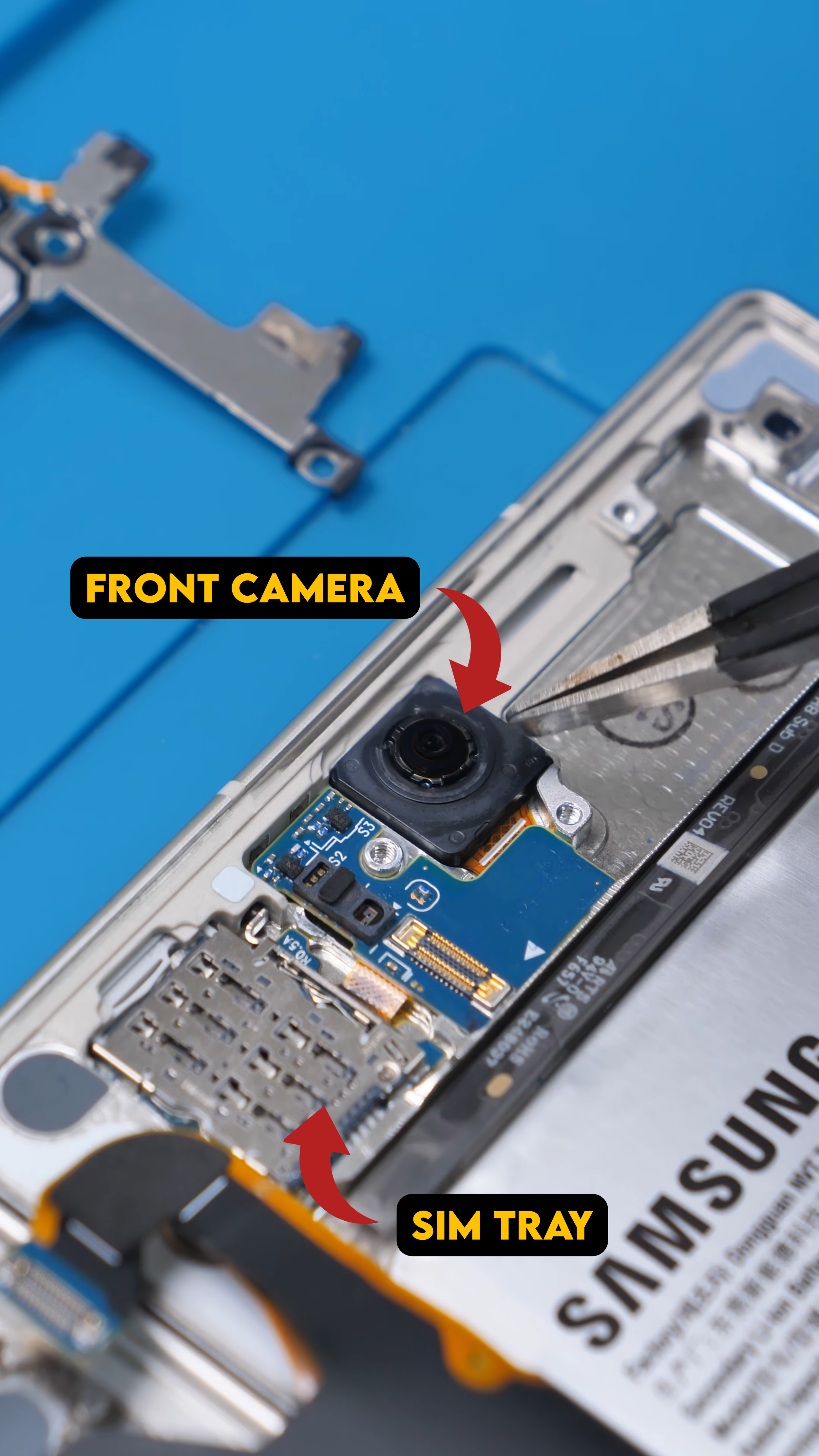
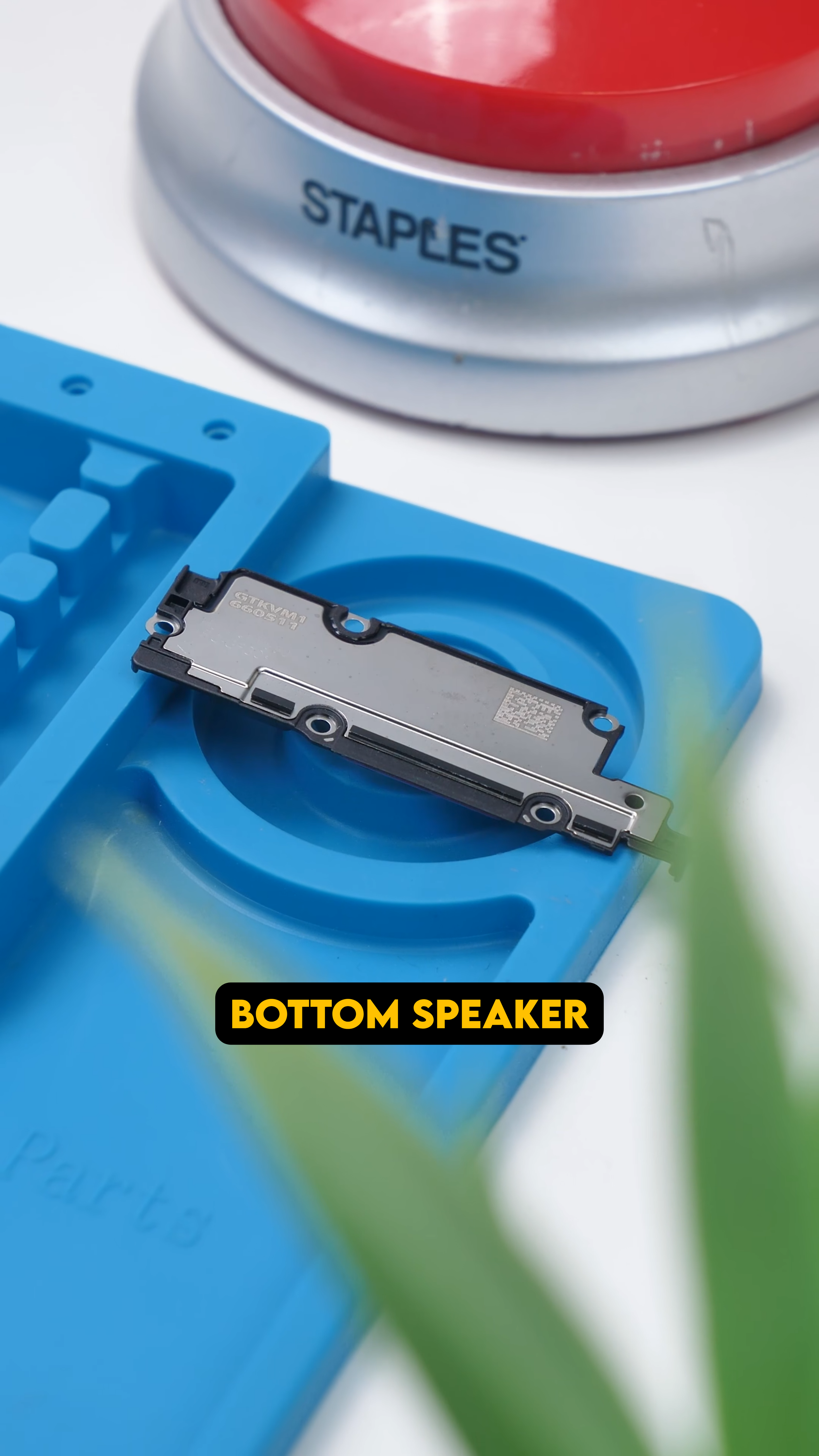
Inside this half, we found speakers at the top and bottom, the SIM card tray, a front-facing camera, the inner display connection and a much larger 2,465mAh battery.
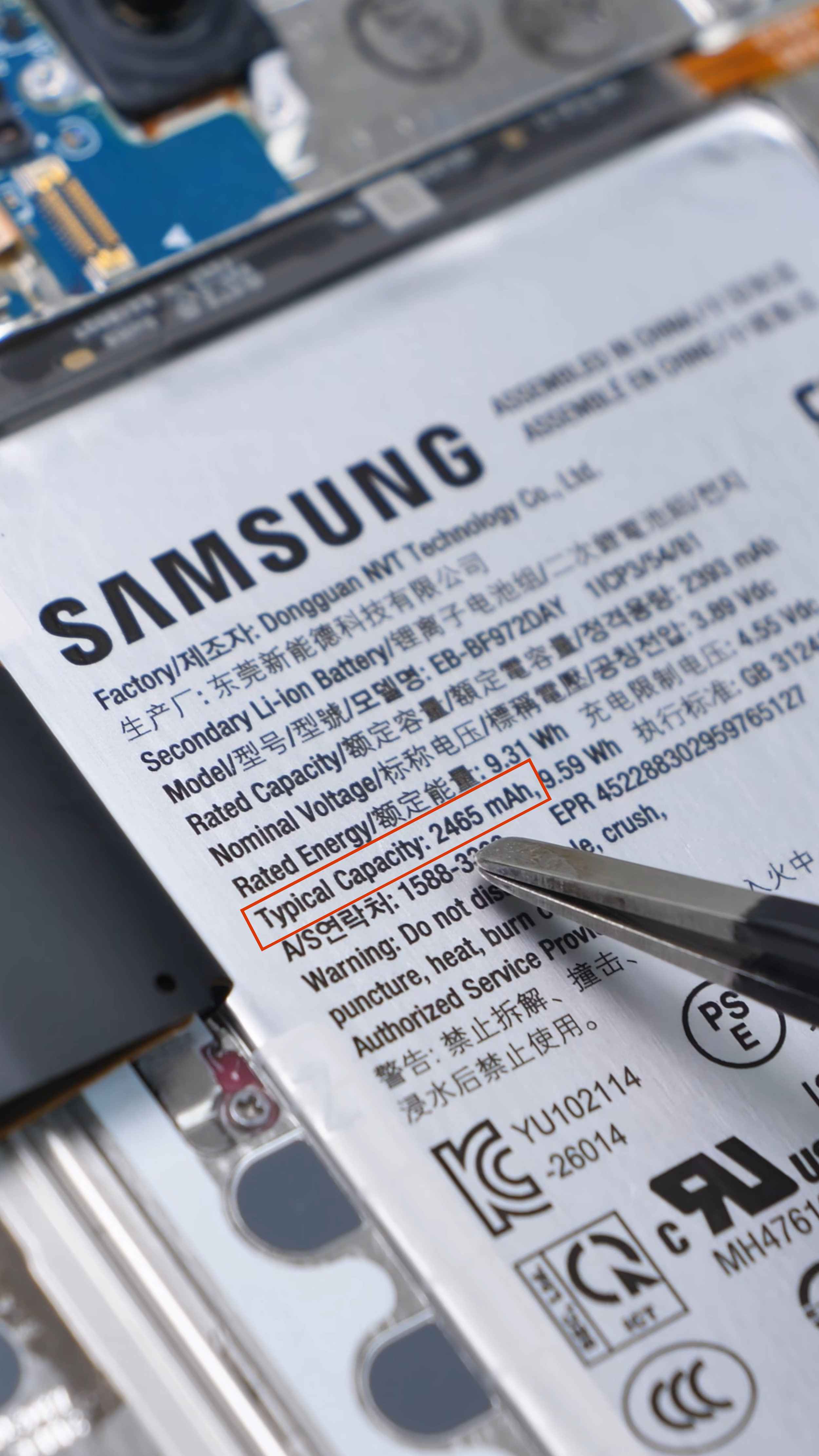
Combined with the 2,335mAh cell from the other half, the two batteries give the Galaxy Z Fold8 a total typical capacity of 4,800mAh. That explains how Samsung increased the capacity without making the phone heavier, but it doesn’t tell the entire story.
What Samsung’s EU Filing Says
Samsung’s EU filing rates the Galaxy Z Fold8 battery for 1,200 charge cycles. By comparison, the Galaxy Z Fold7 was listed at 2,000 cycles.
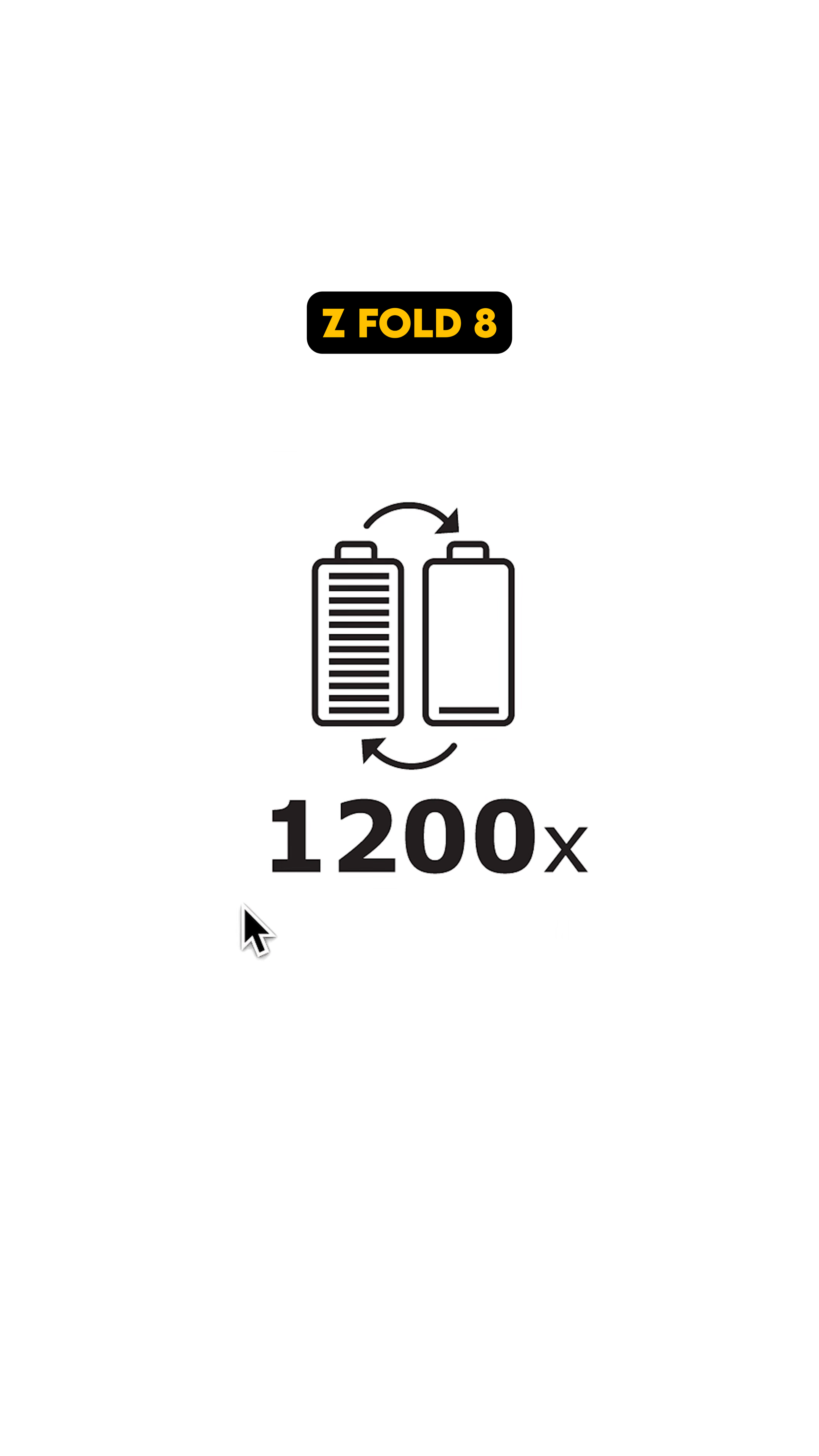
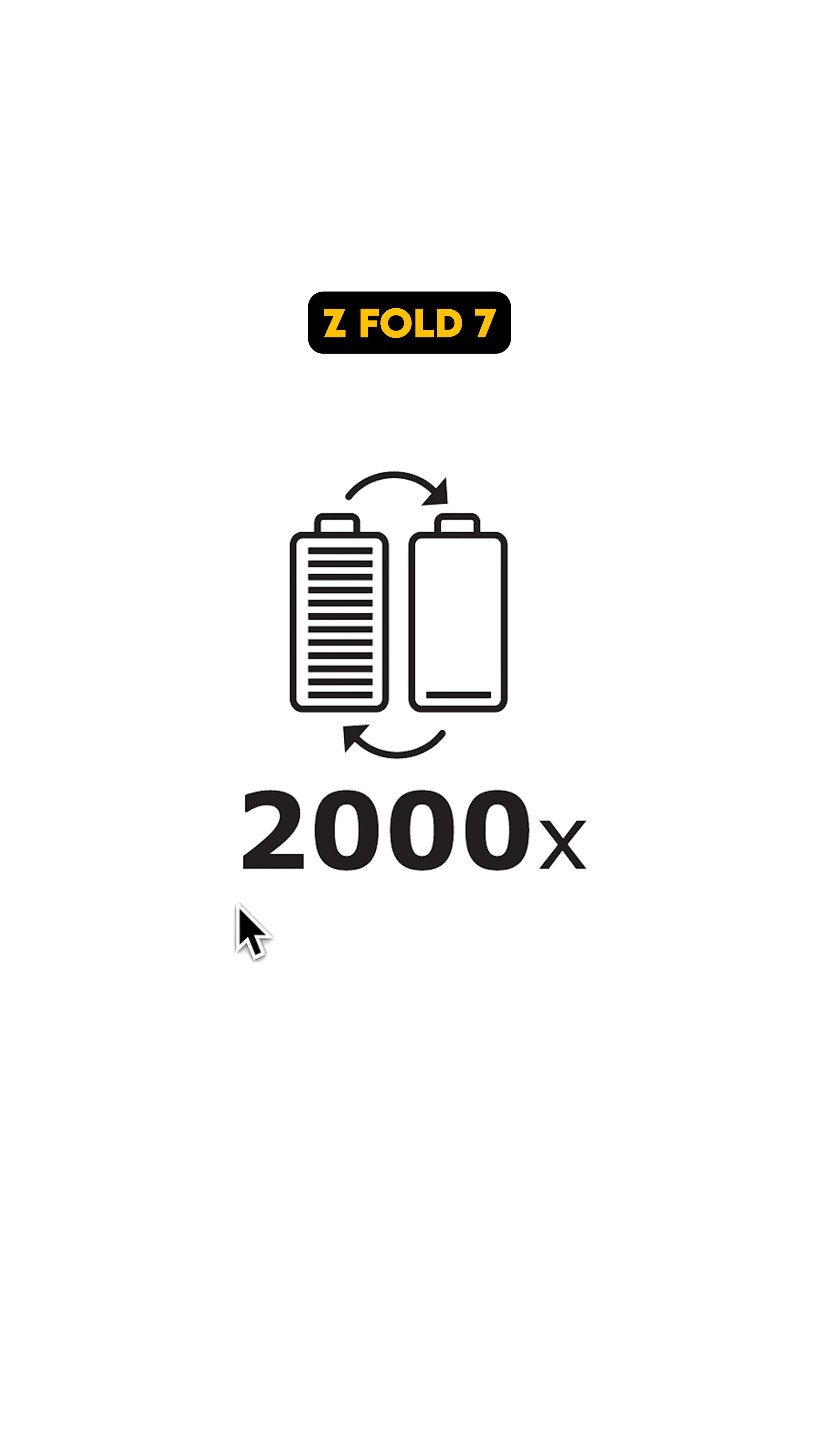
That is a lower published cycle rating for the Fold8, but it does not tell us exactly how the battery will perform or age in real-world use. Charging habits, heat, software management, and daily use all affect battery health over time.
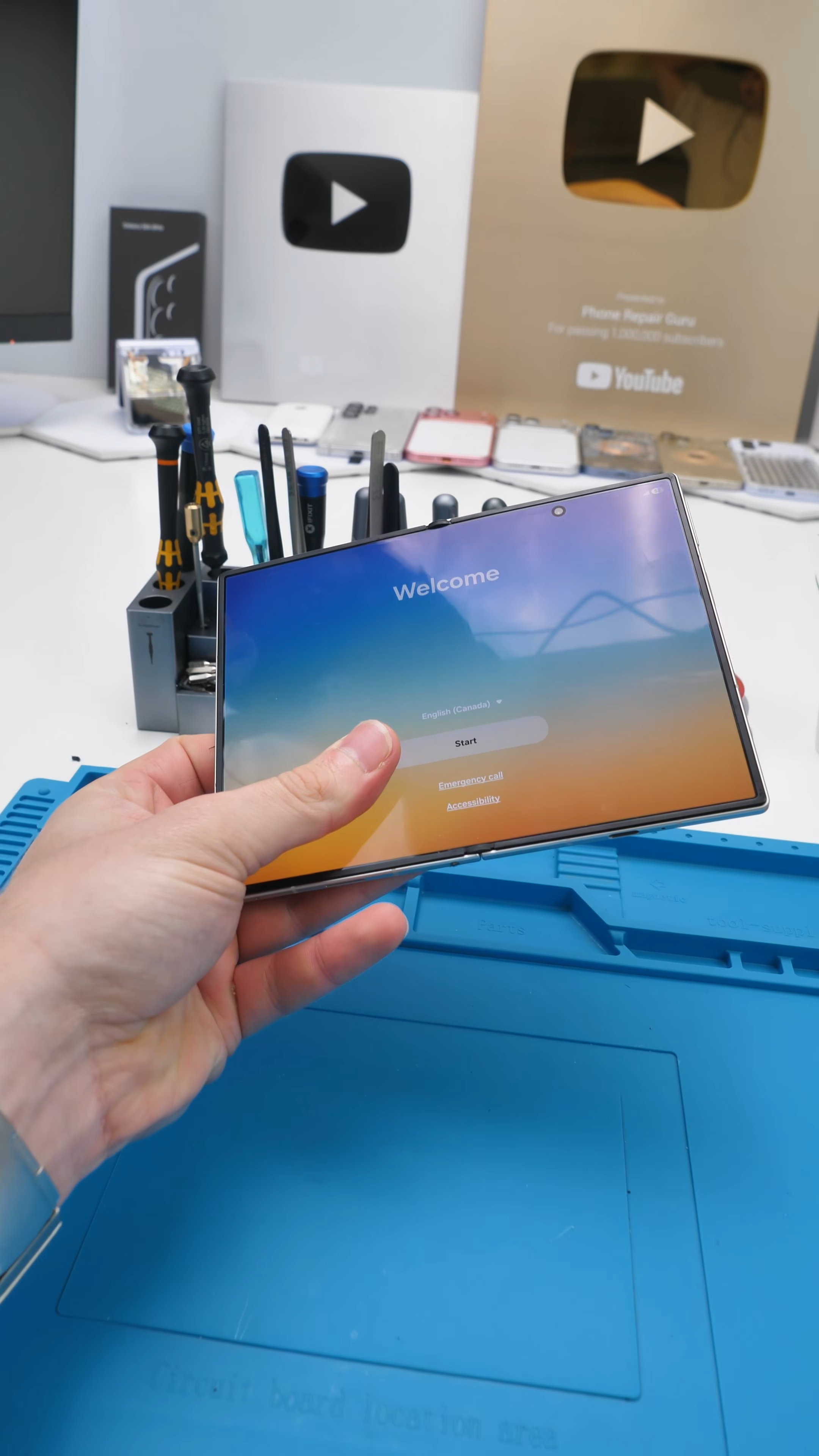
After putting everything back together, the Fold 8 powered on and the display still worked. That was especially reassuring after spending more than 42 minutes opening the second half without knowing whether the screen had survived.
Final Thoughts
Samsung finally made the Fold feel lighter without making the battery smaller. The 1,200-cycle rating is worth watching, but it will take real-world use to see what that actually means.
For now, the silicon-carbon battery is one of the most interesting changes hiding inside the Fold8.
See you in the next article!
