
I Built a MacBook Entirely From AliExpress Parts. Was It Actually Cheaper?
I wanted to find out if you could build a MacBook completely from scratch using nothing but AliExpress parts. More importantly, could it actually cost less than buying a refurbished one?
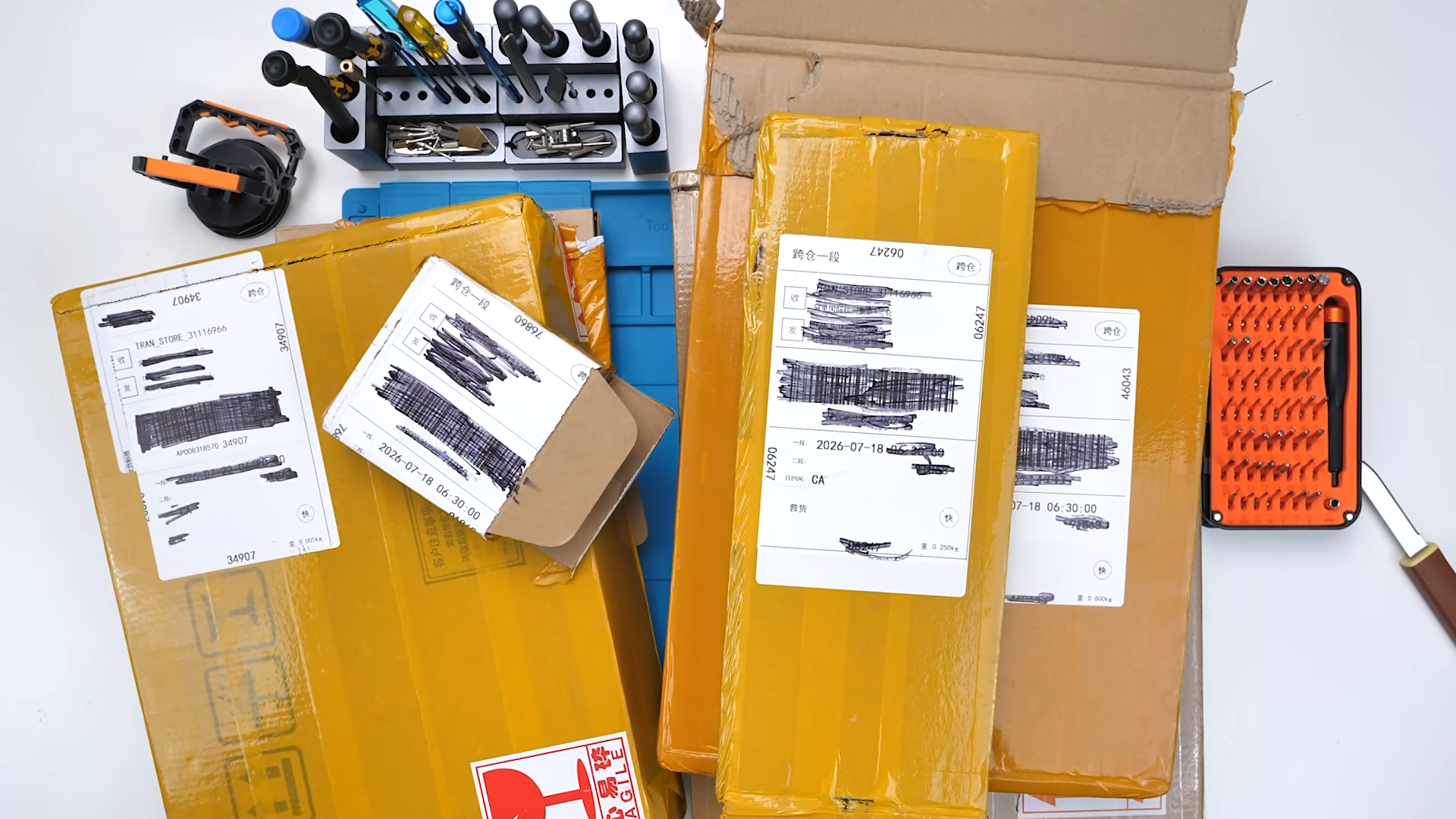
Inside the packages was everything needed to assemble an M1 MacBook Air, or at least that was the idea. With this many used, refurbished, and aftermarket parts involved, one bad component could take down the entire build.
But we’d have to build the entire MacBook to find out.
A MacBook in Pieces
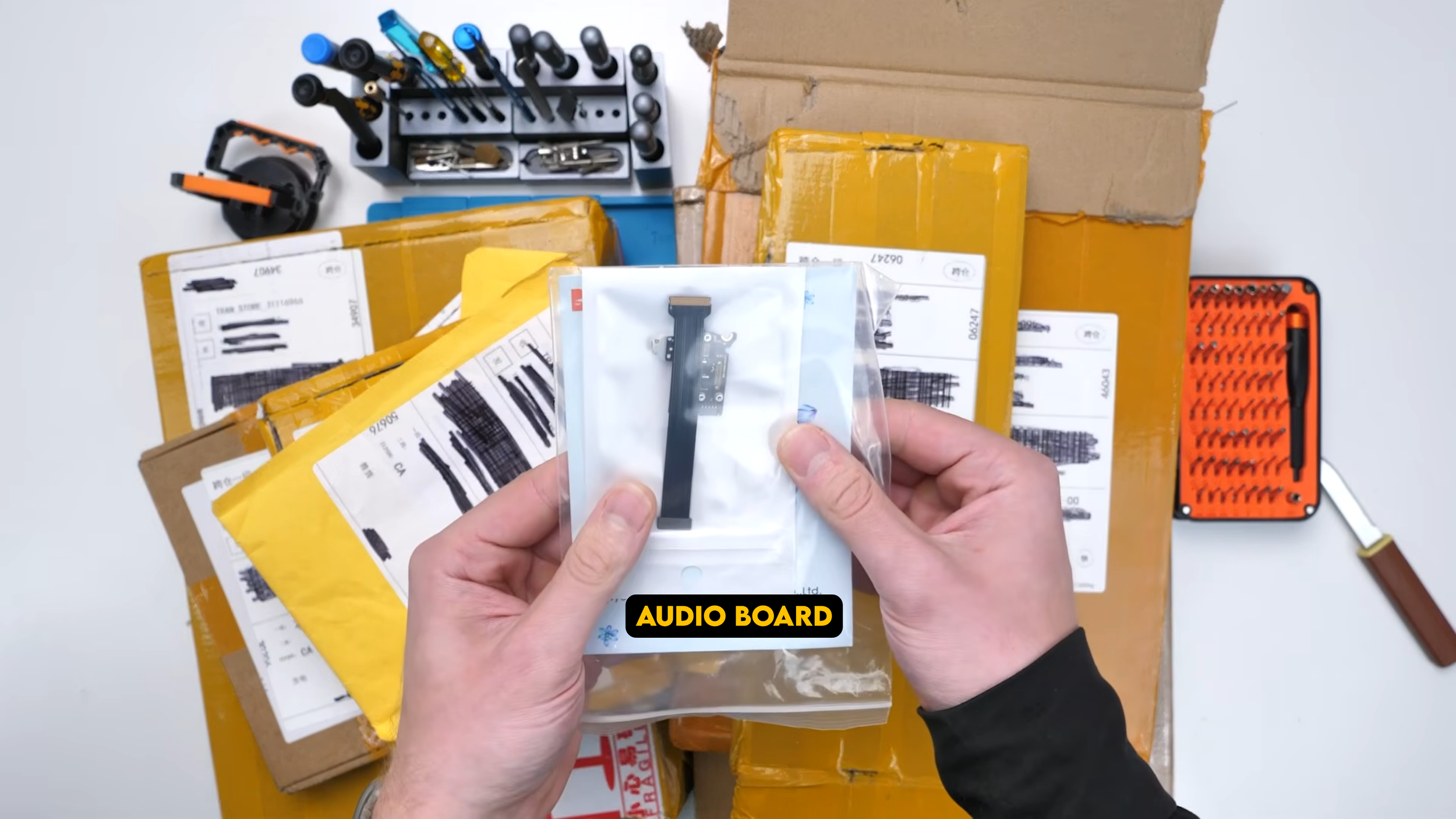
I tried to find the cheapest parts possible without buying complete garbage. The smaller packages contained the audio board, flex cables, trackpad, microphones, speakers, and what was advertised as a complete screw kit.
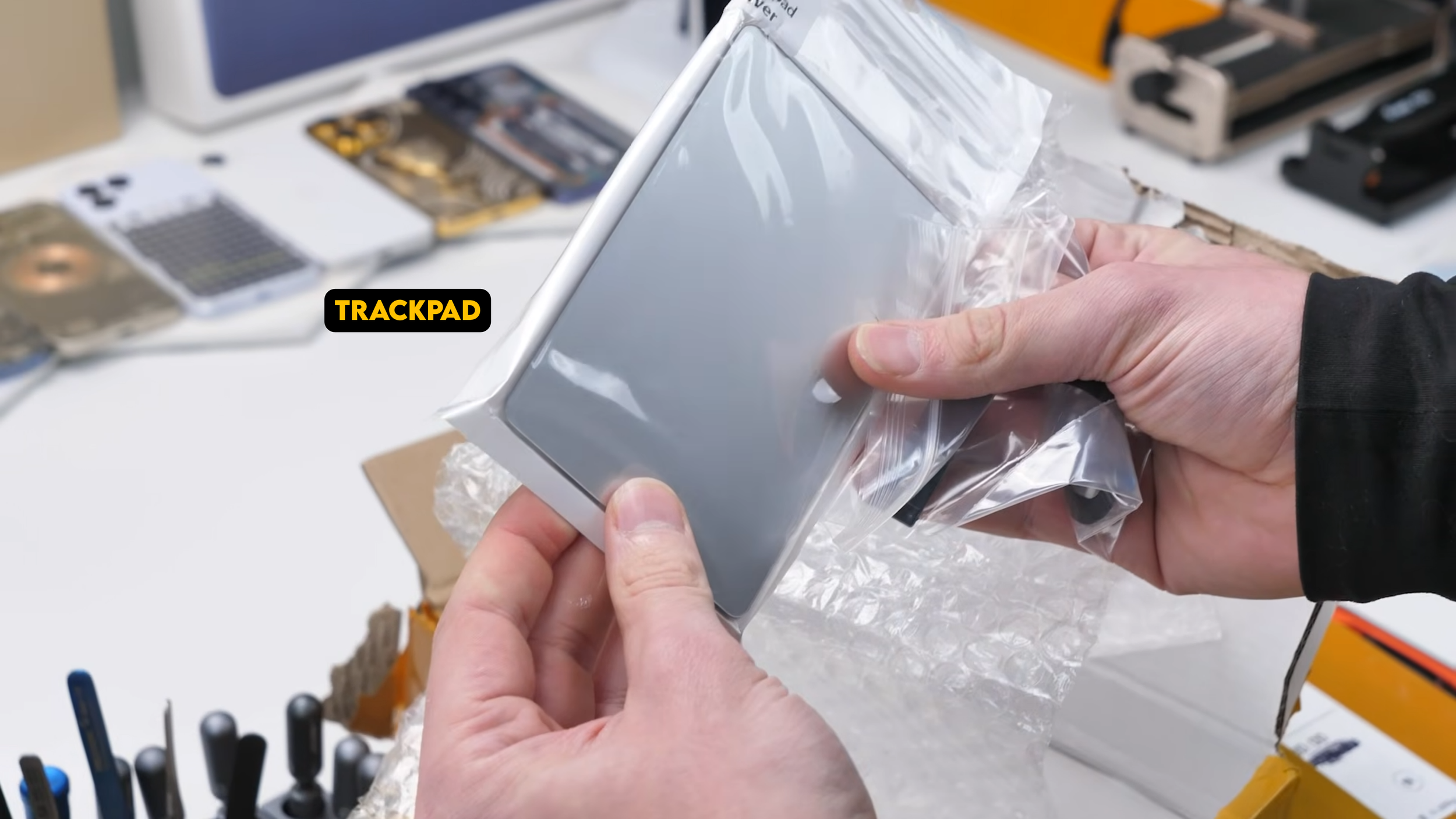
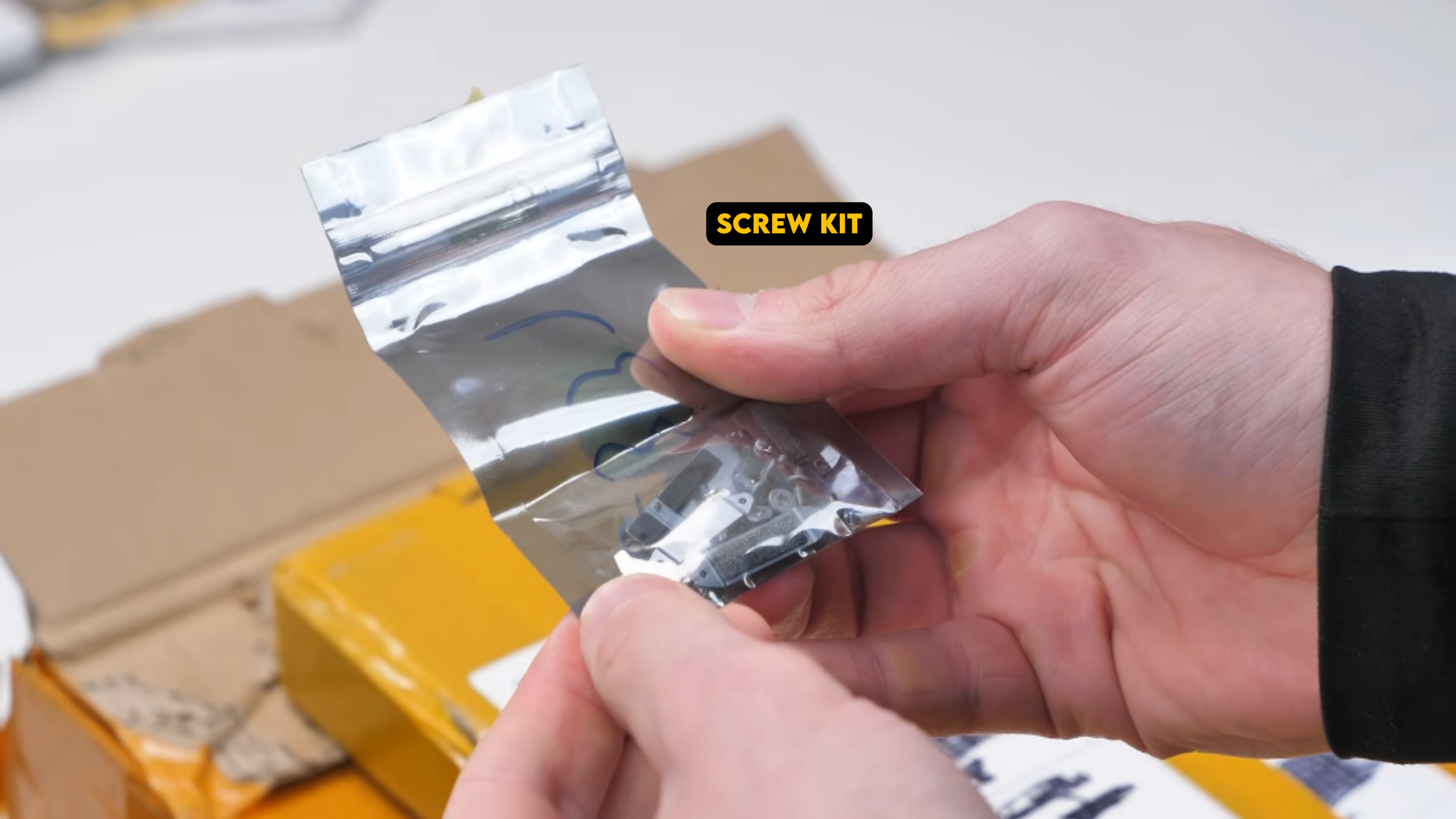
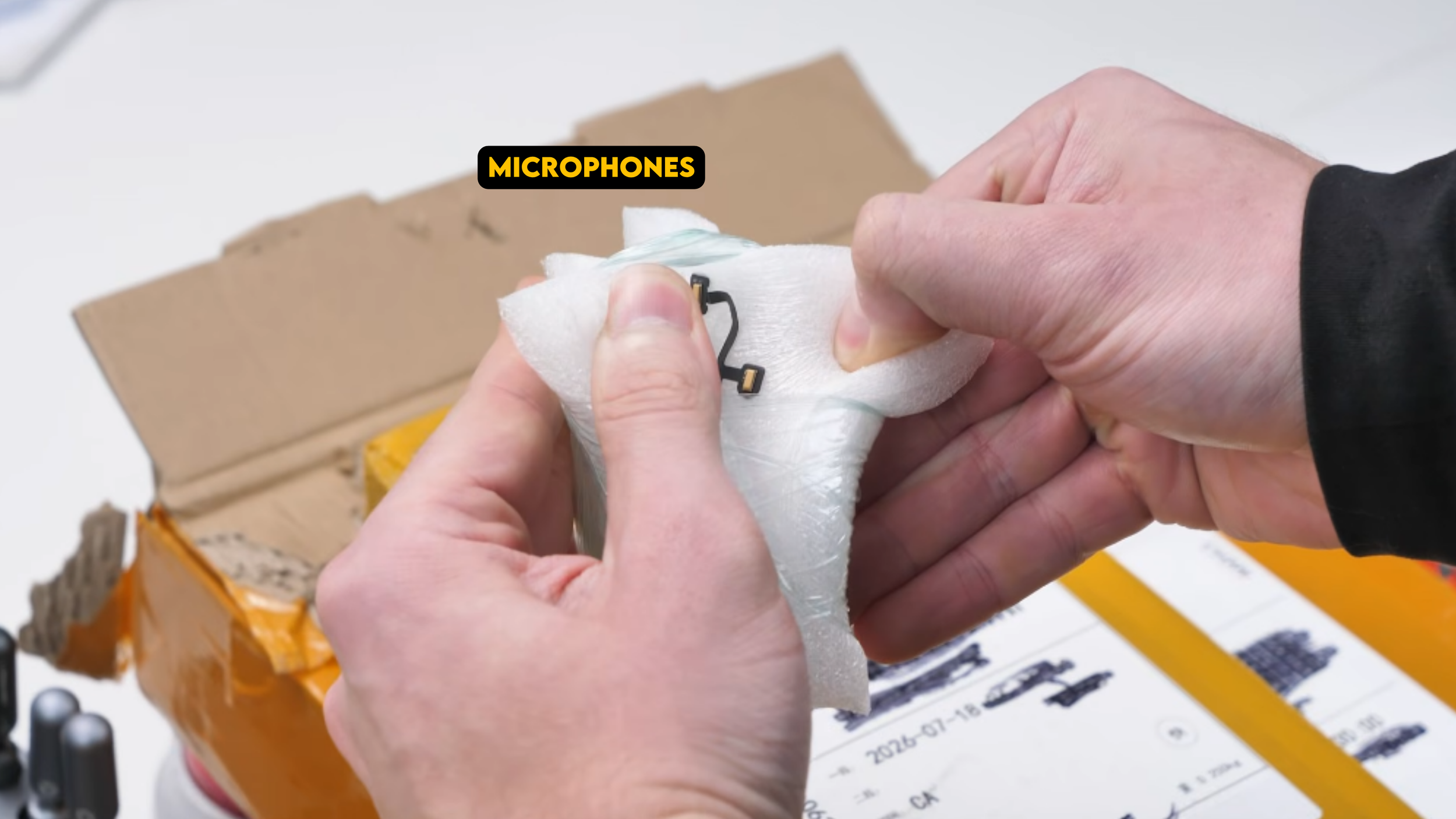
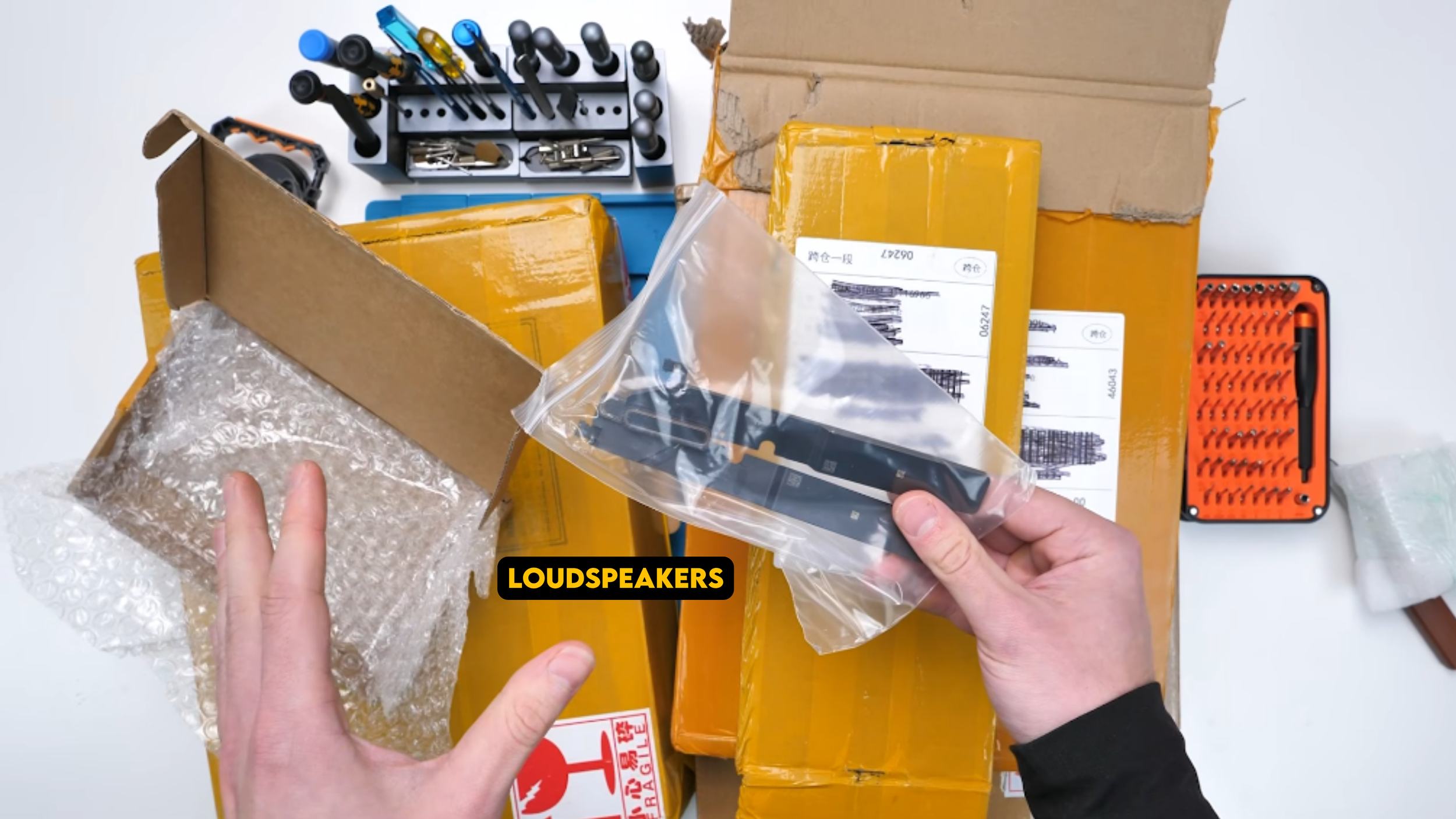
Then came the expensive parts.
The motherboard was pulled from an M1 MacBook Air and included 128GB of storage. It also came with its original Touch ID module, giving us a chance of keeping fingerprint recognition functional.
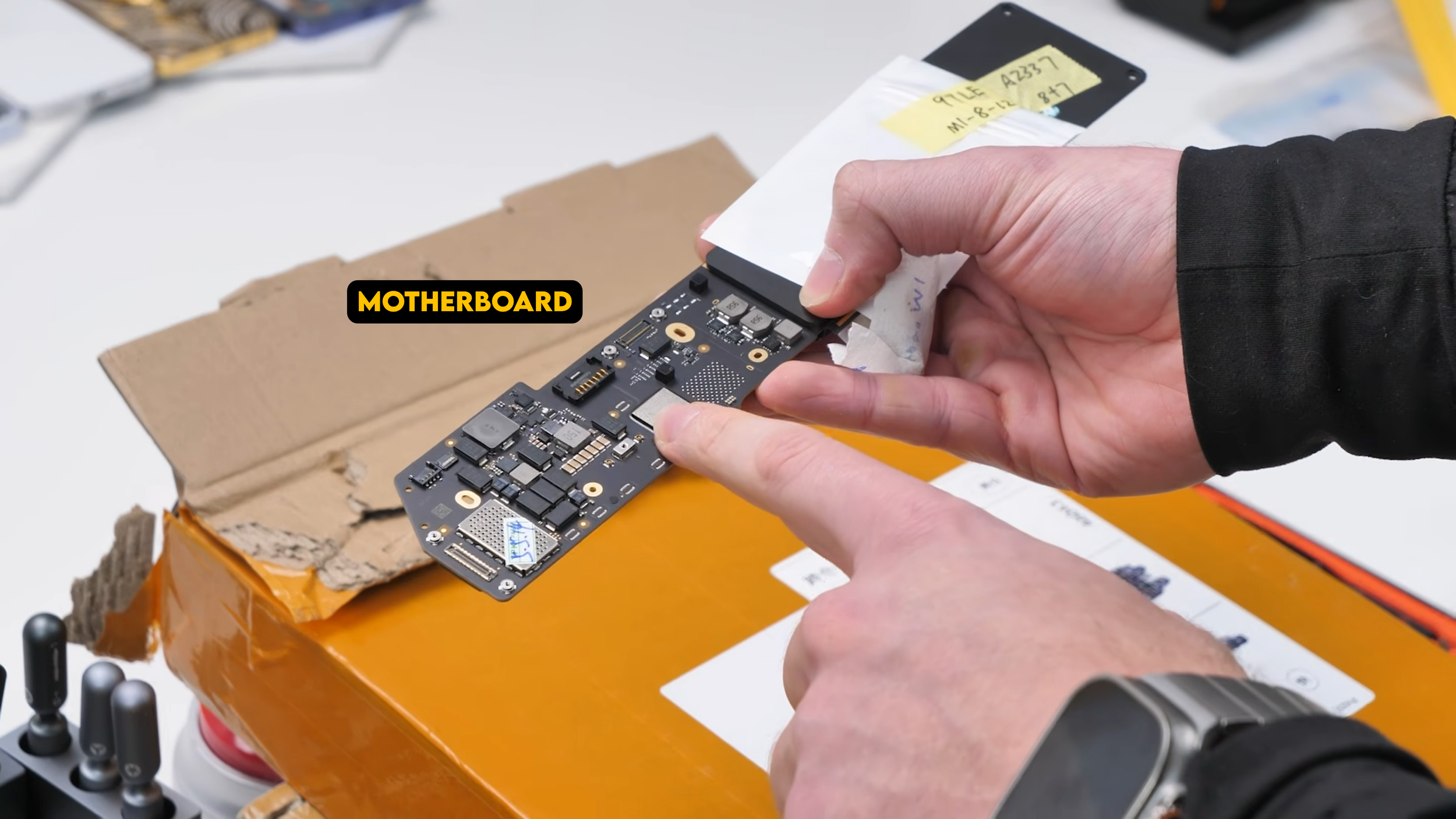
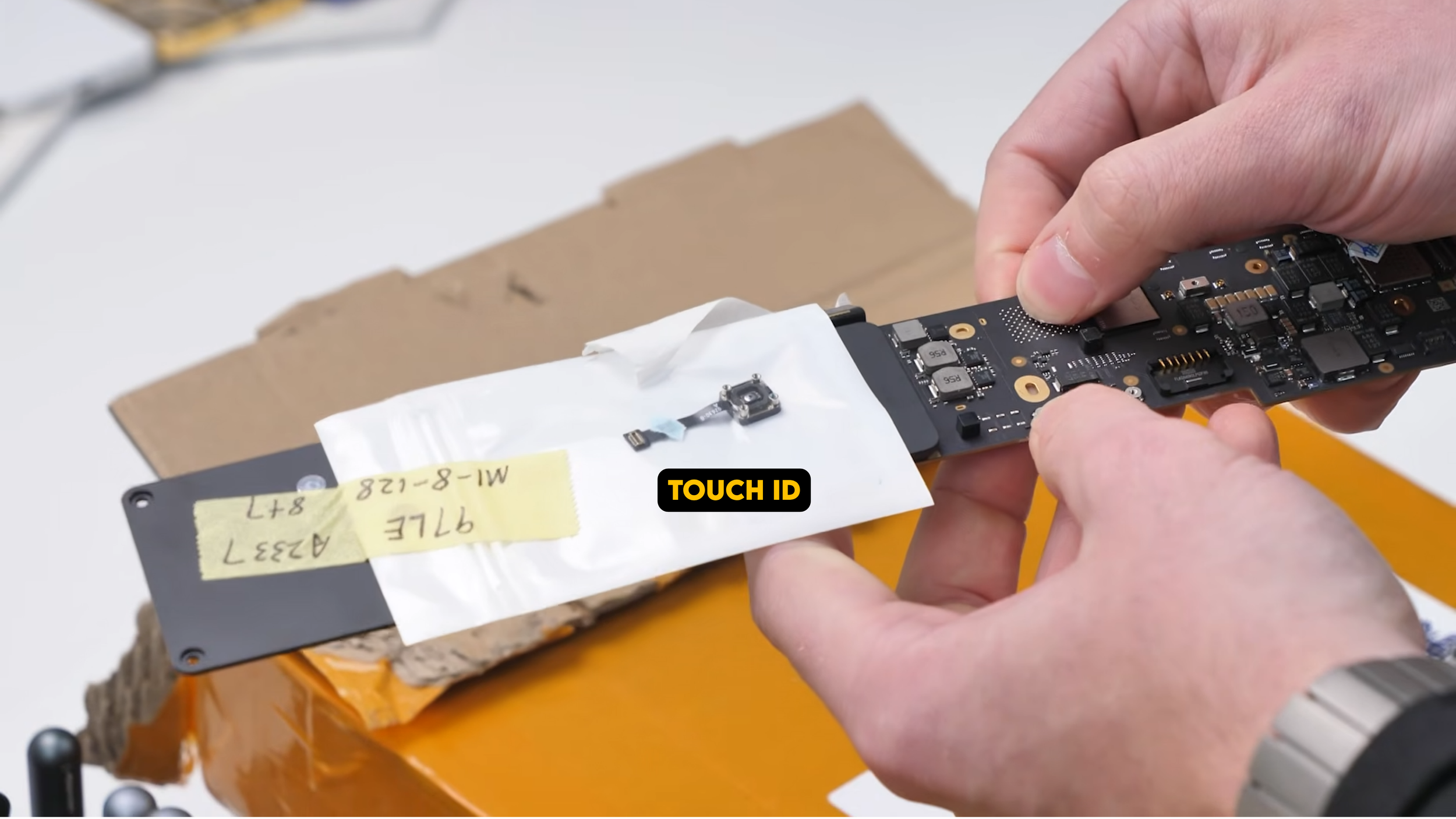
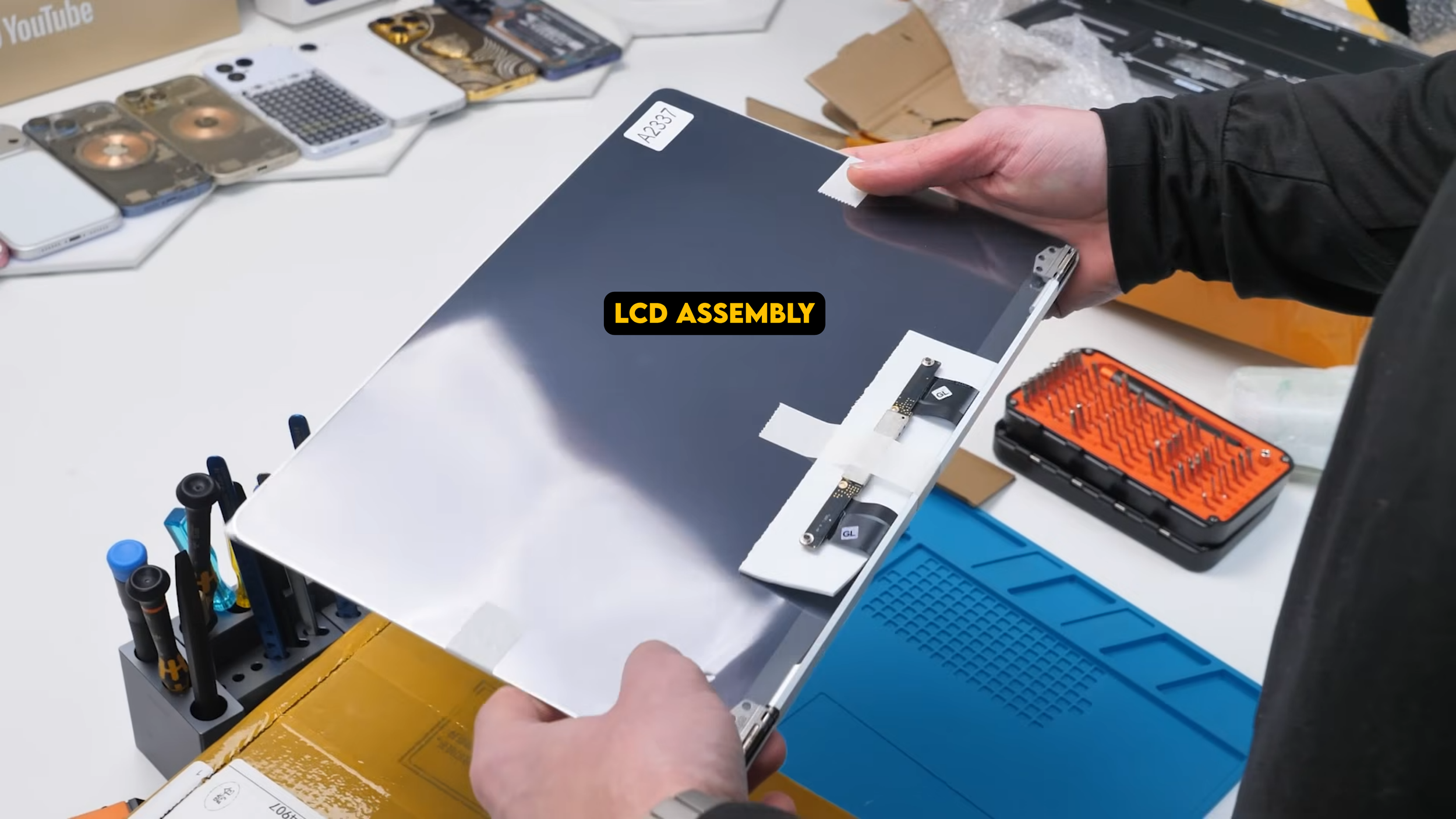
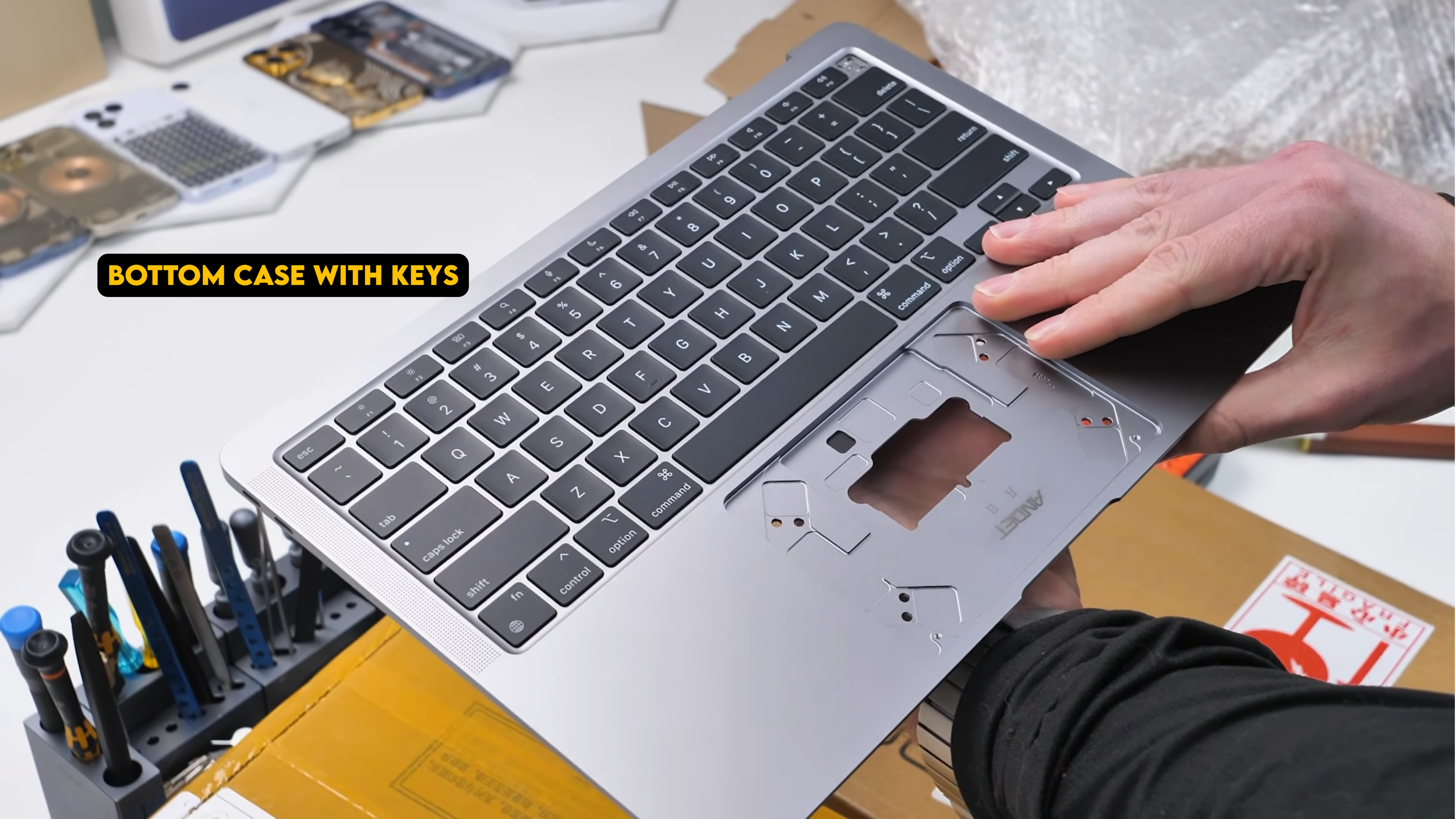
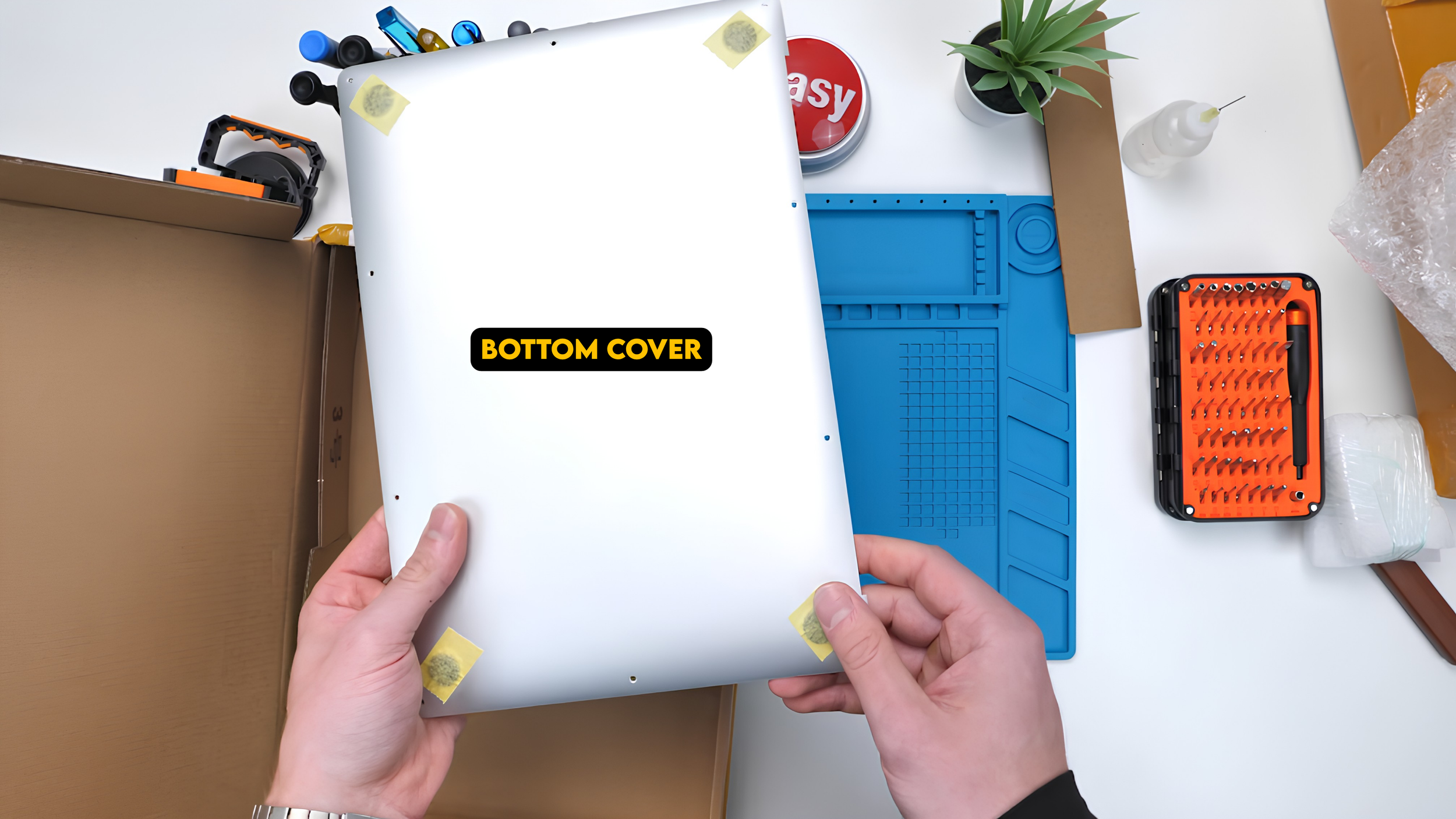
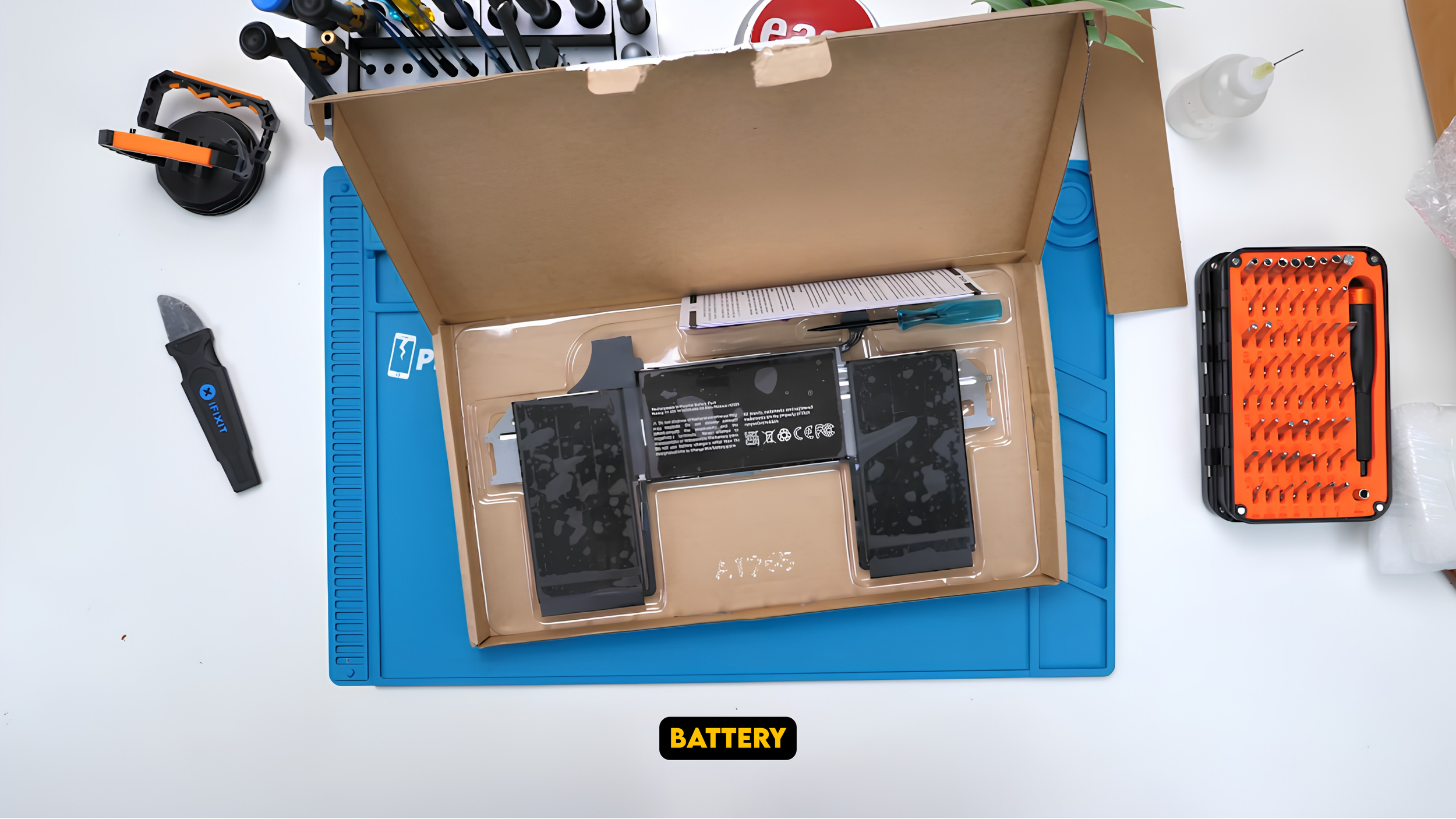
The bottom case already had the keys installed, while the display appeared to be refurbished. The Apple logo had even been covered with a sticker, likely to prevent the part from being seized during shipping.
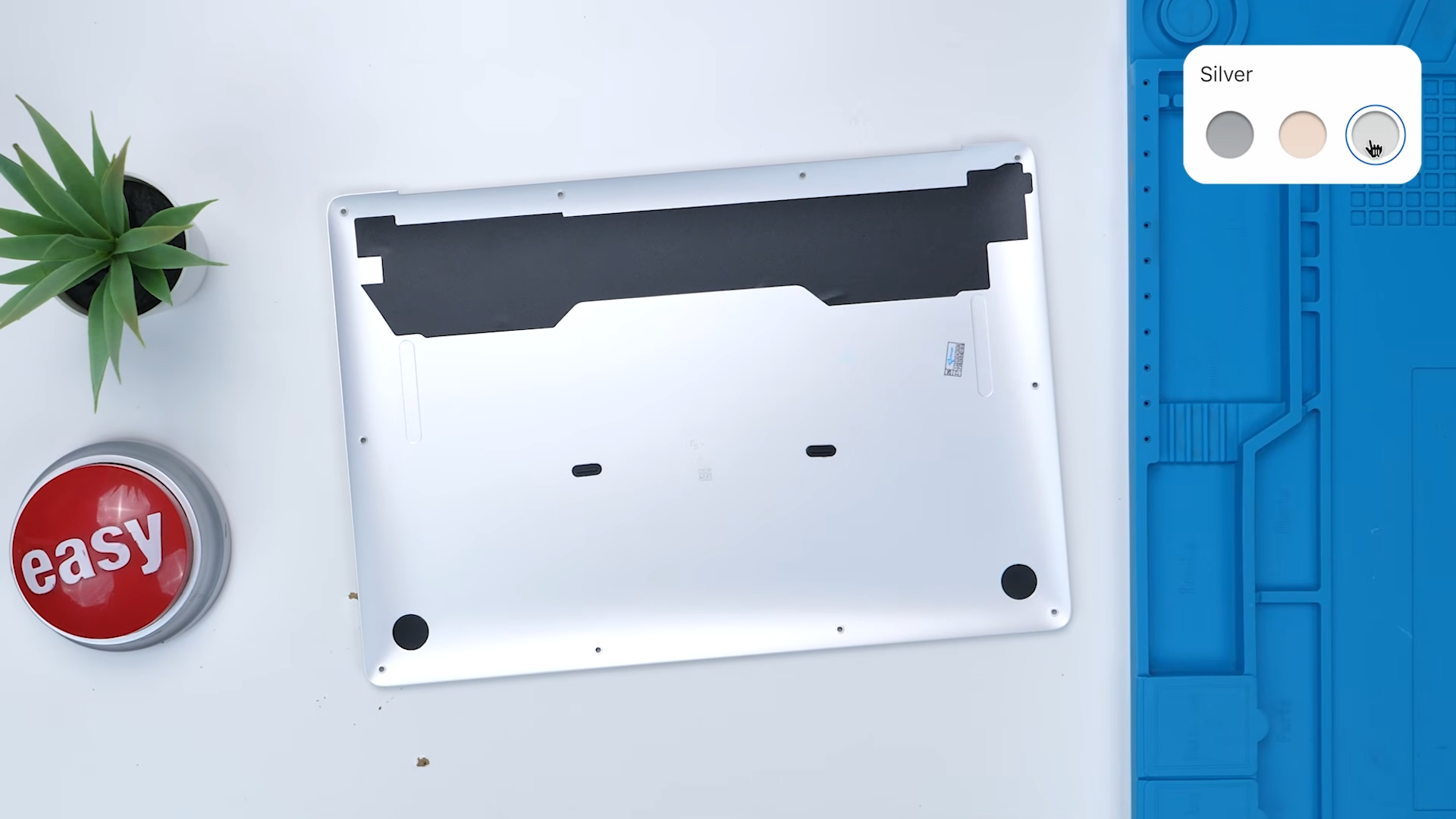
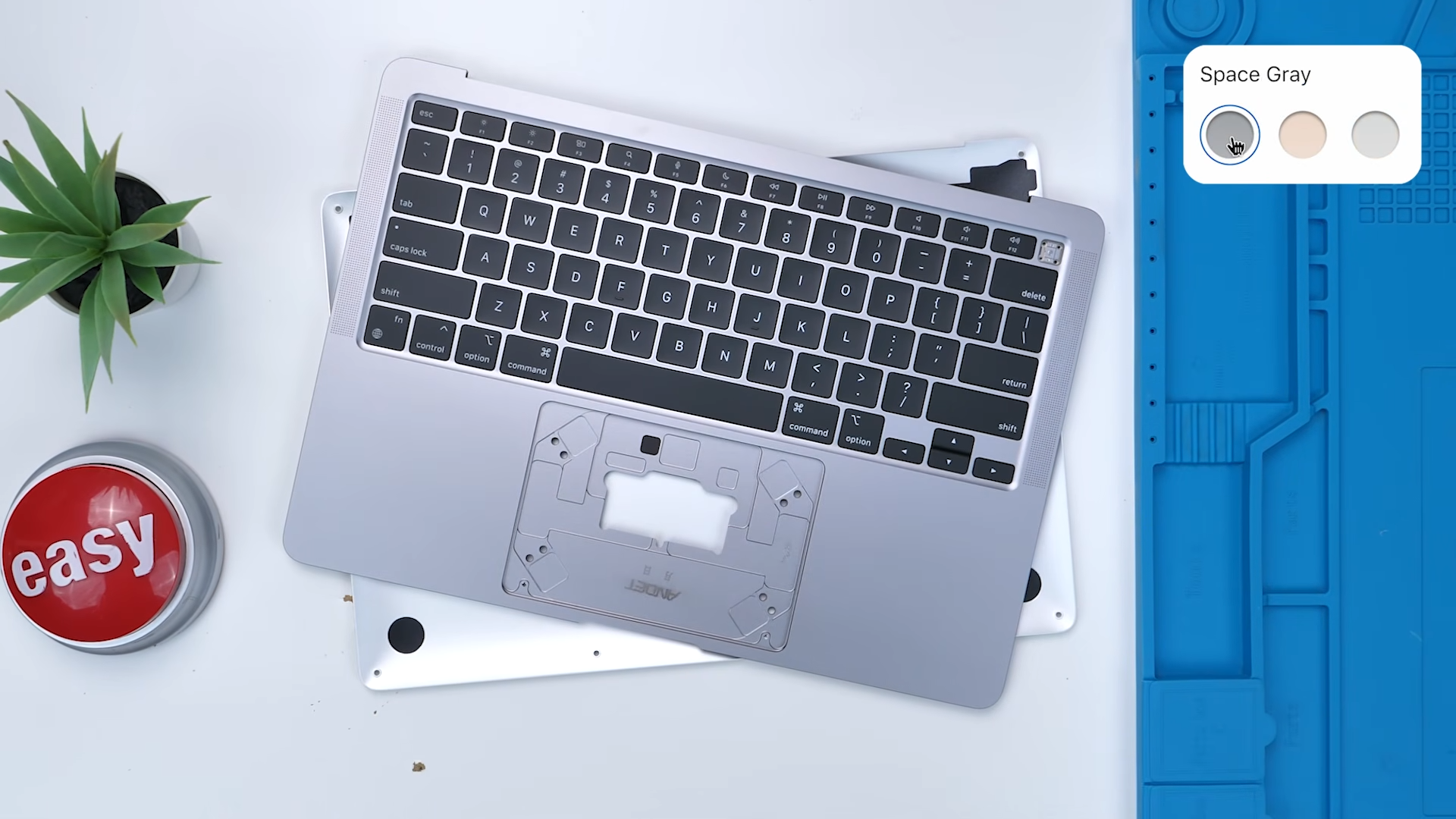
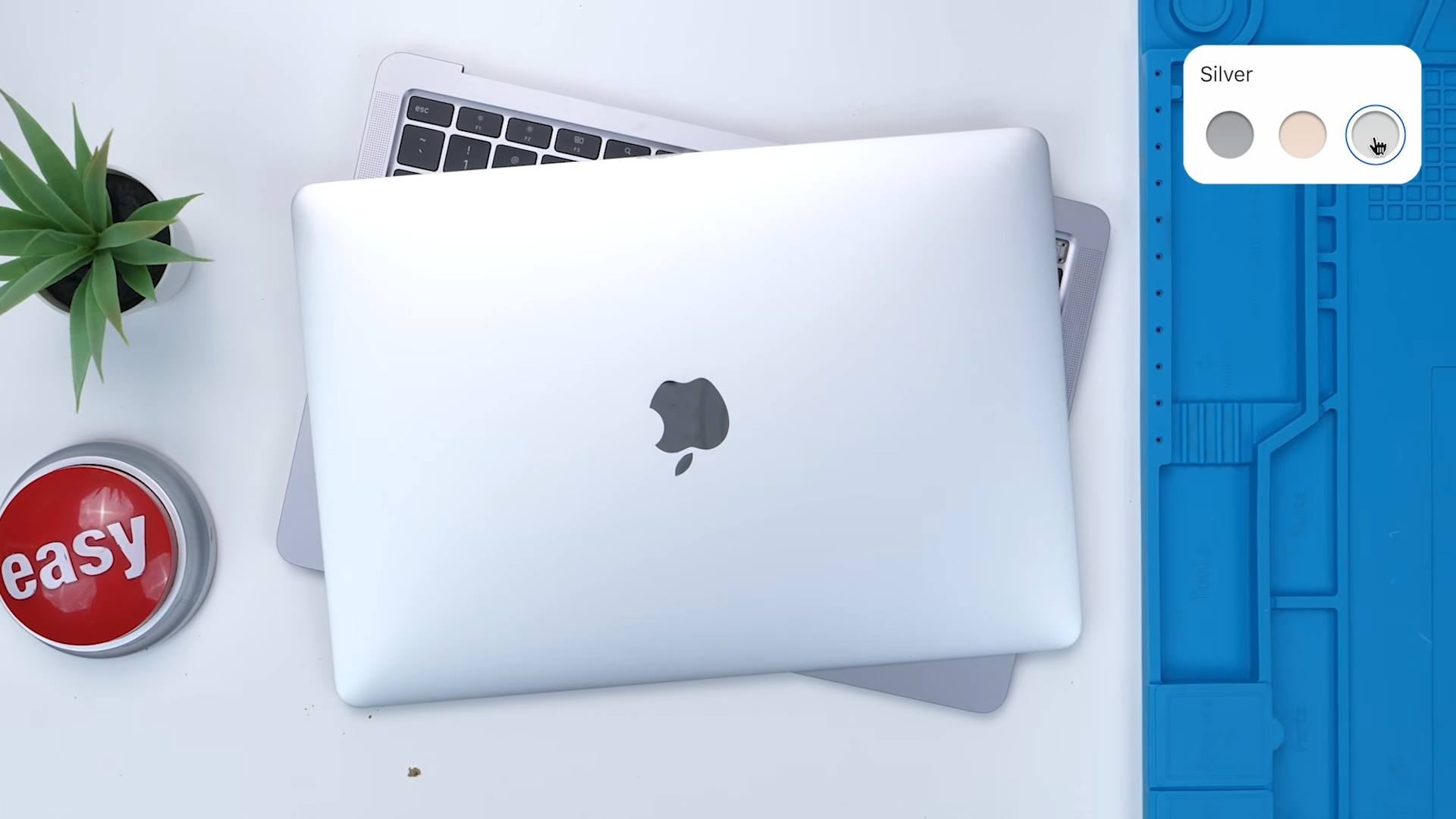
Not every part matched, either. The bottom case, bottom cover, and top case were slightly different colors because certain finishes were cheaper than others. This was supposed to be the least expensive M1 MacBook possible, so matching colors became optional.
The Build Begins
I started with the display, followed by the trackpad. That is when the first problem appeared: the “complete” screw kit was missing several screws.
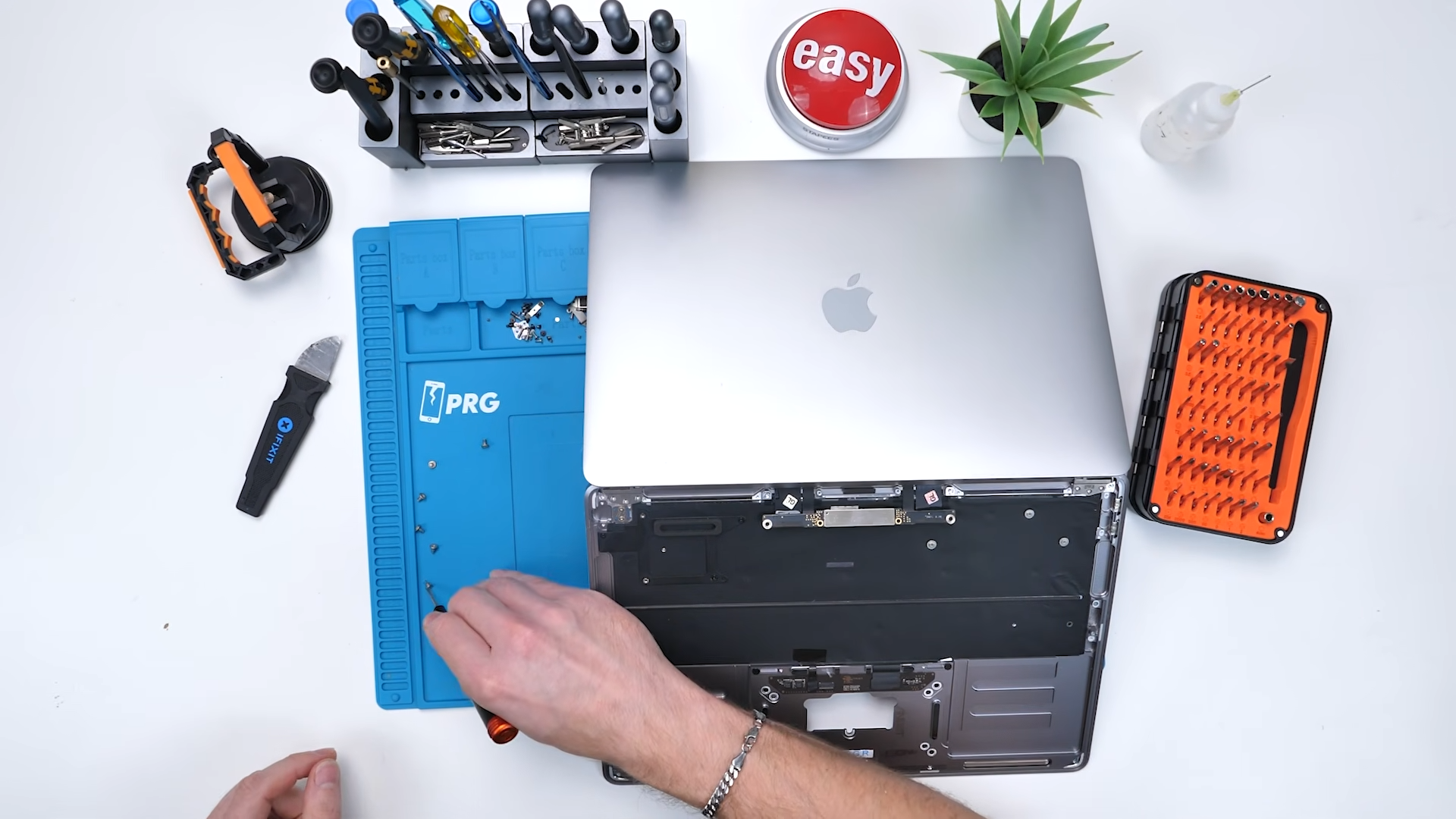
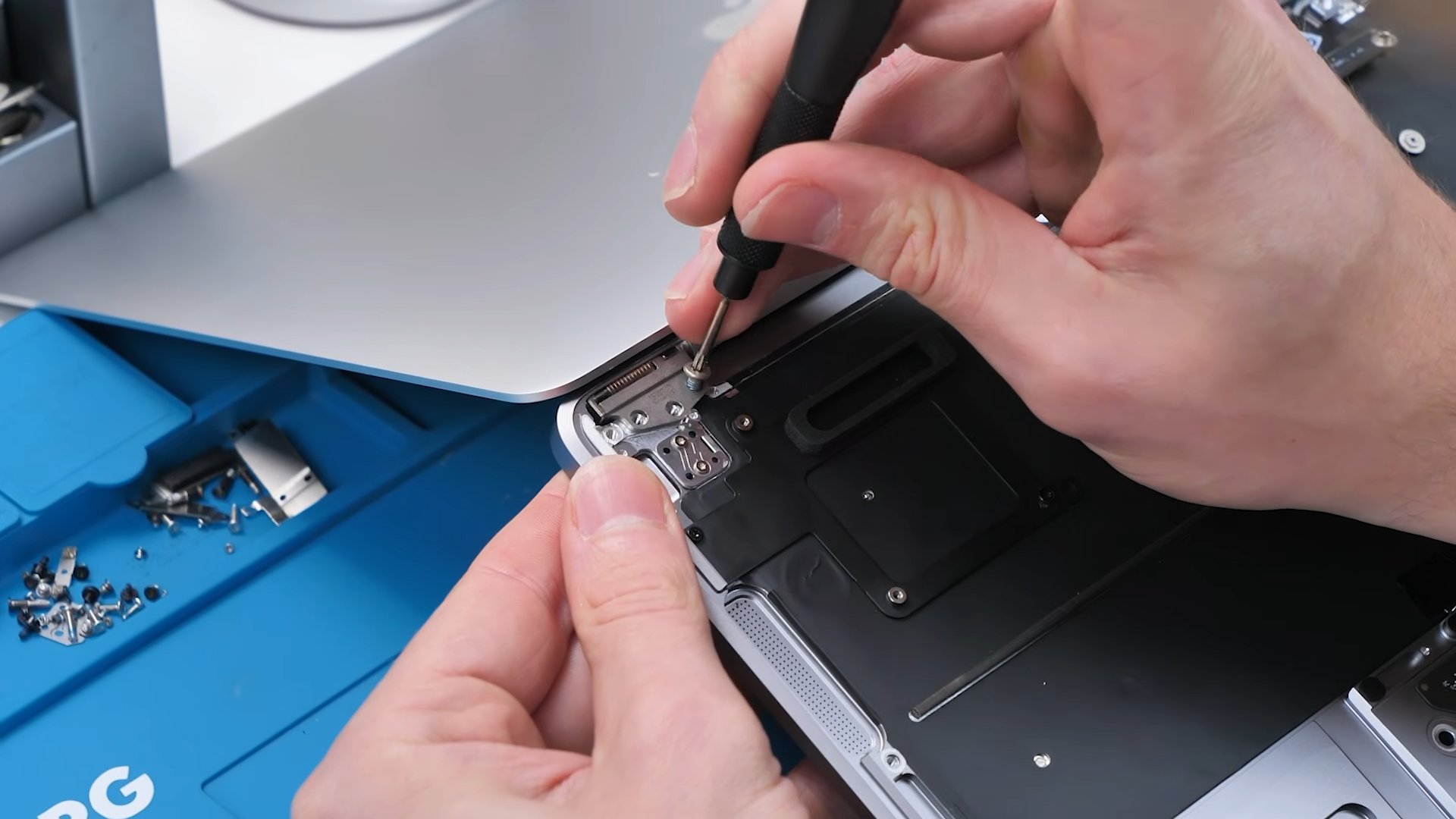
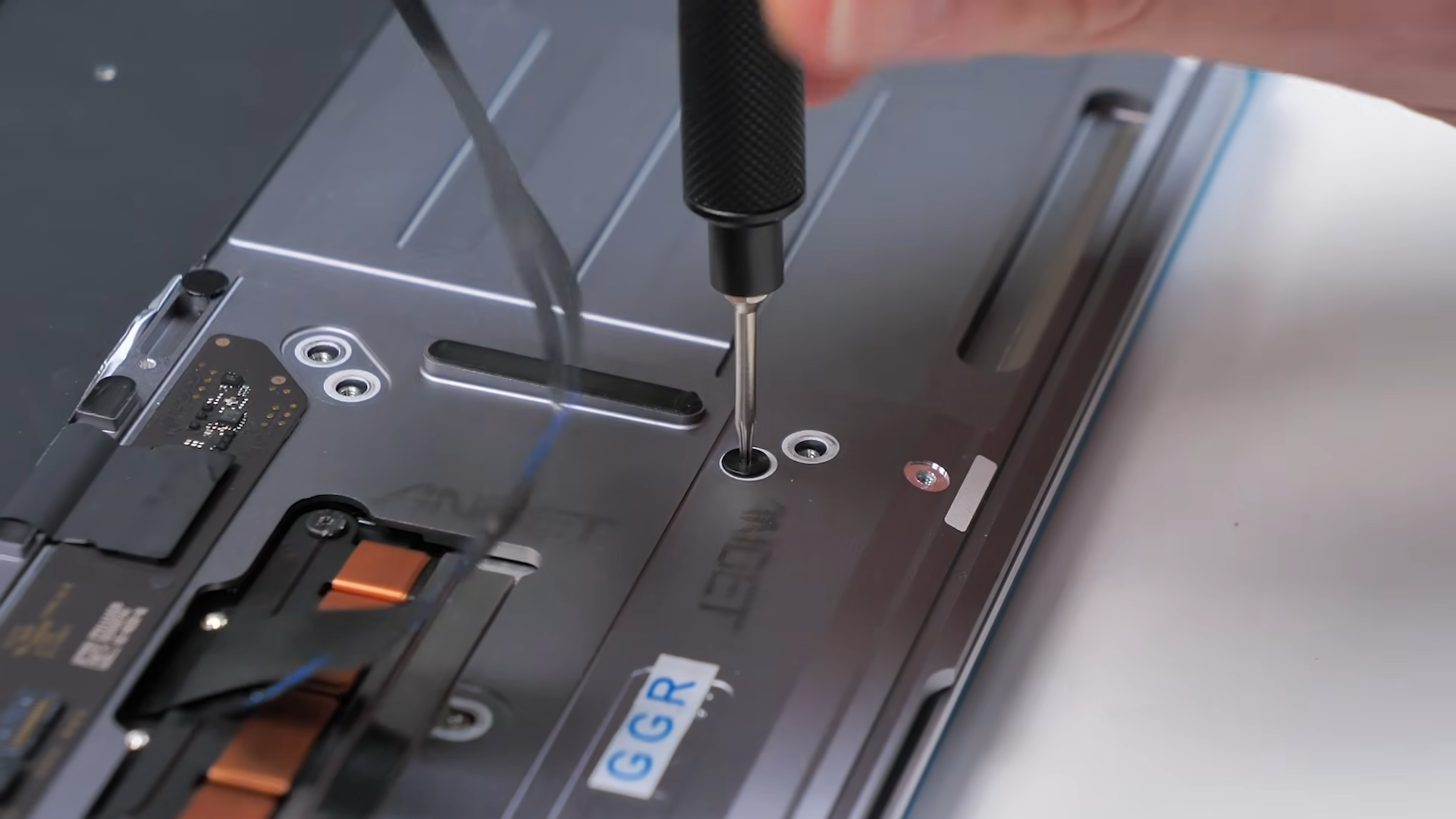
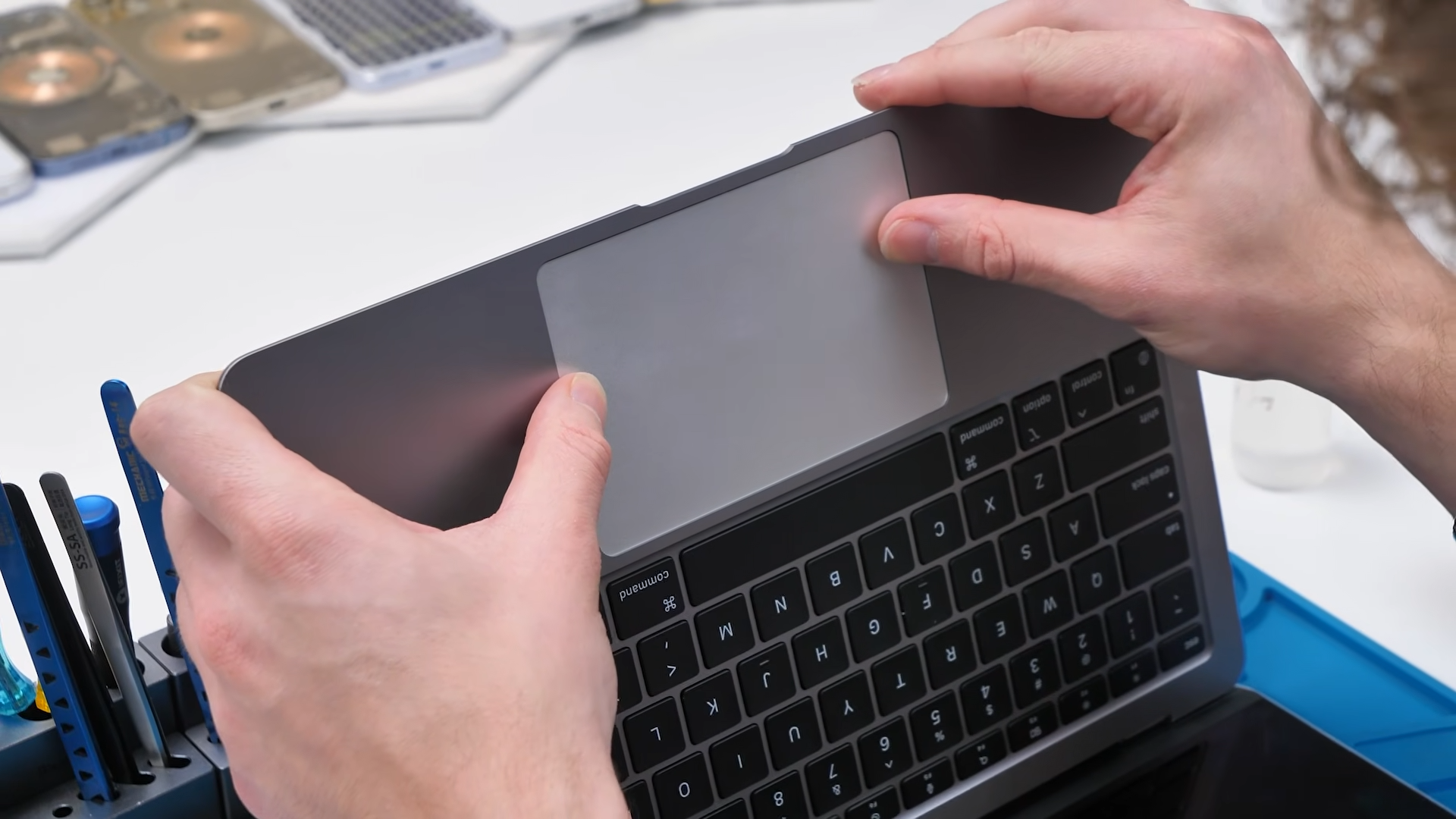
Two other parts were also missing, forcing me to place another order before the build could continue. The price was already creeping upward, and we still had no idea if the motherboard even worked.
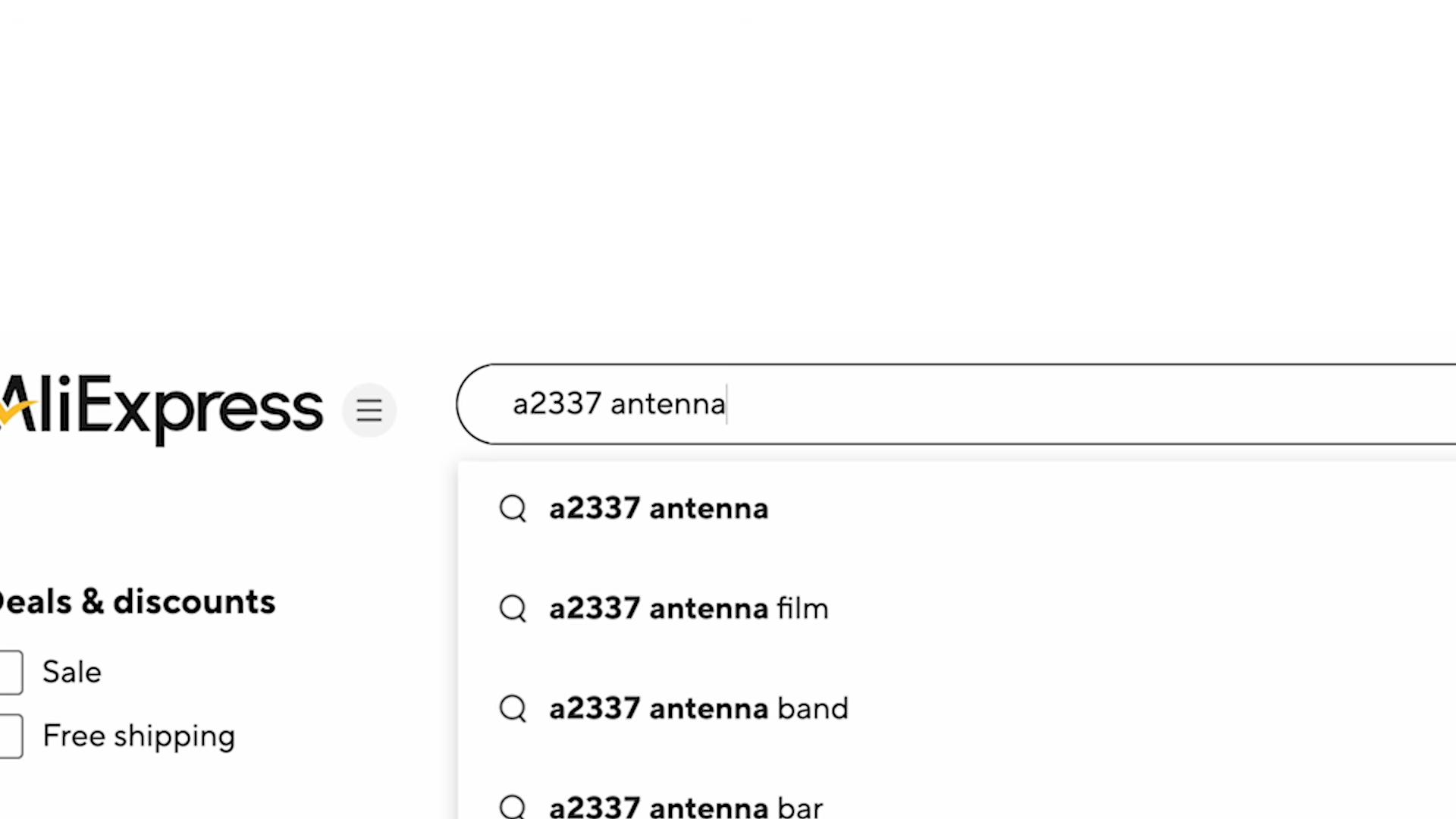
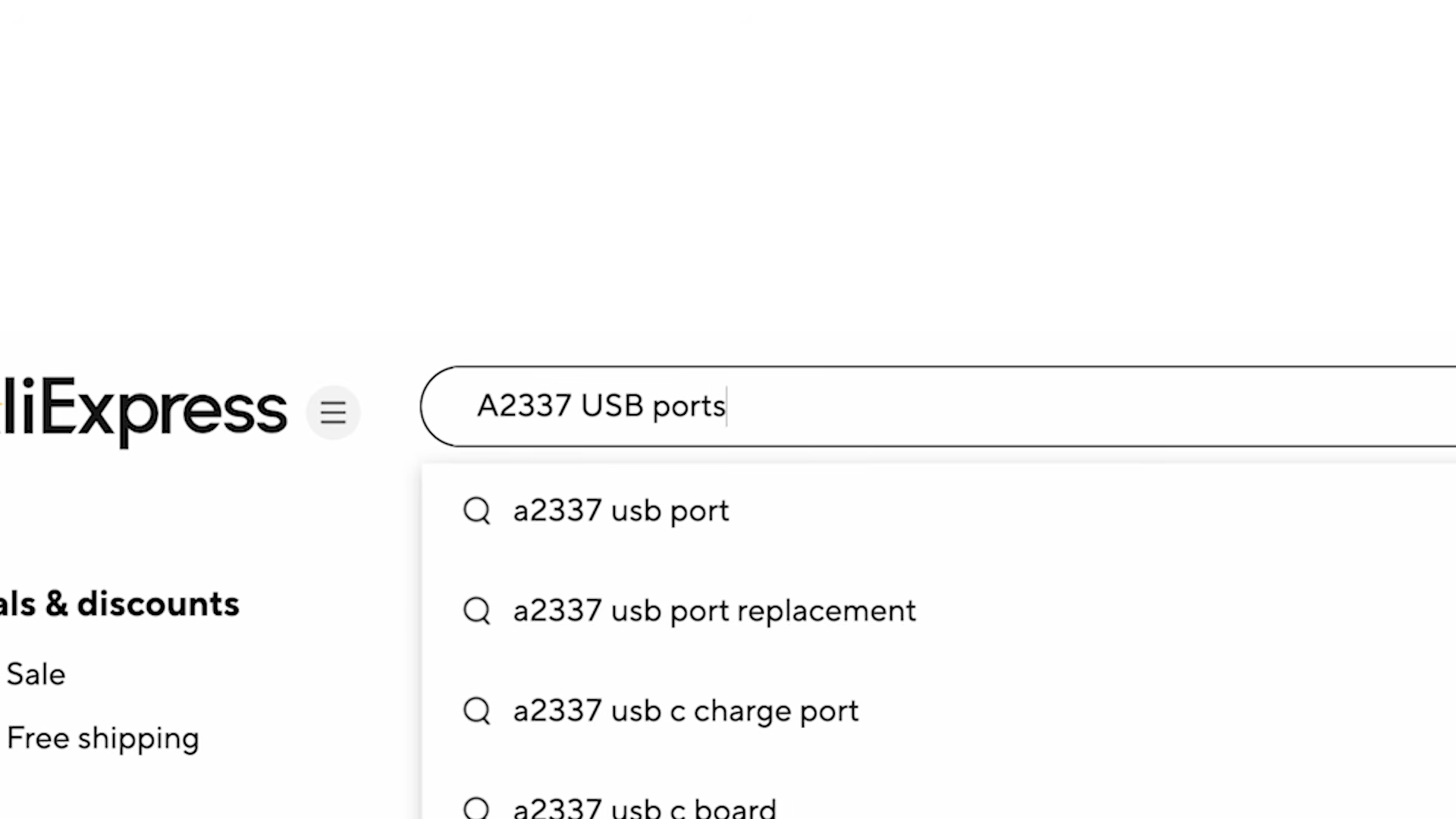
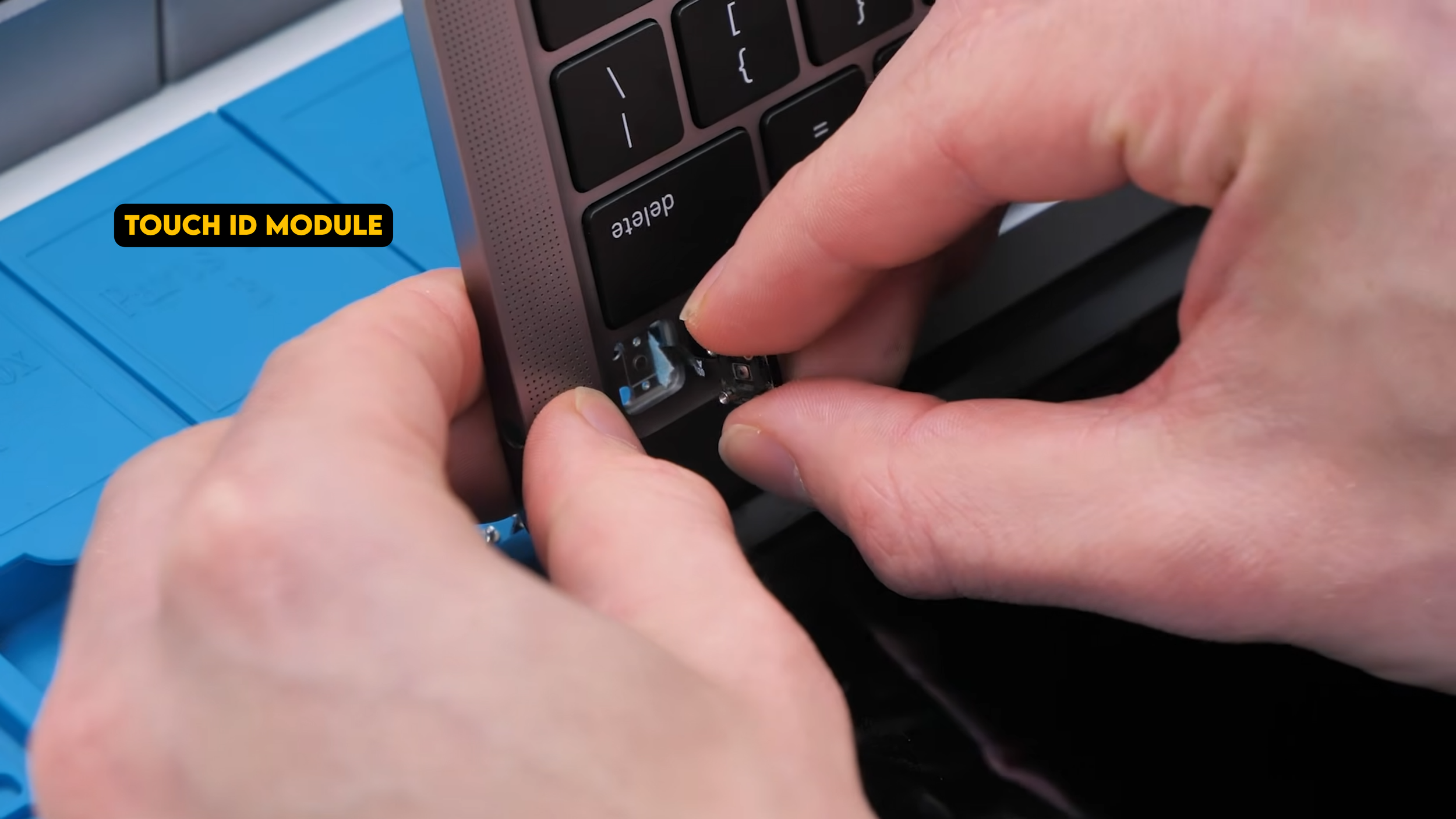
Once the missing parts arrived, I installed the Touch ID module. These sensors can be tricky because they are paired with the motherboard, but having the original sensor gave us the best chance of keeping it functional.
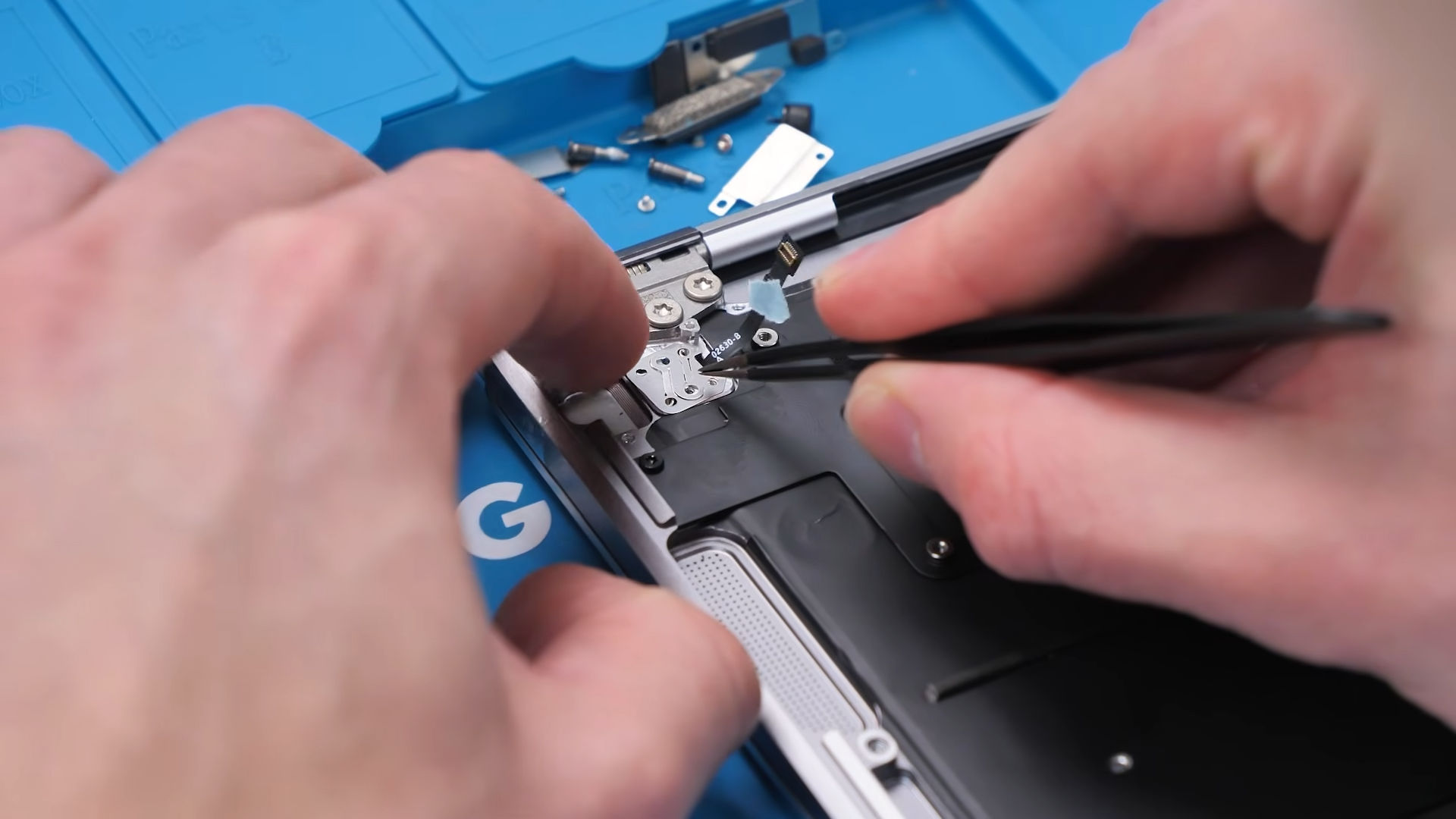
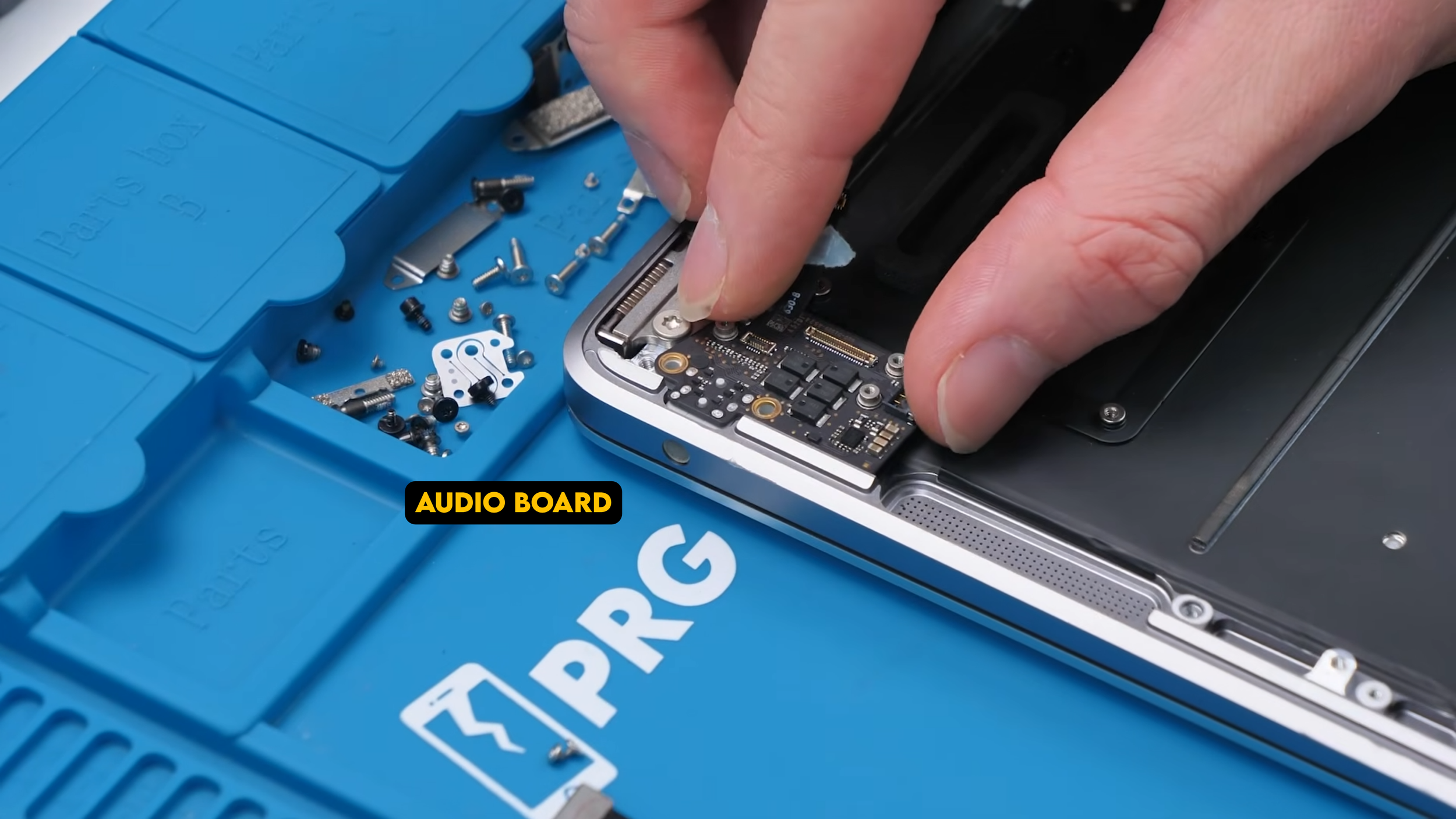
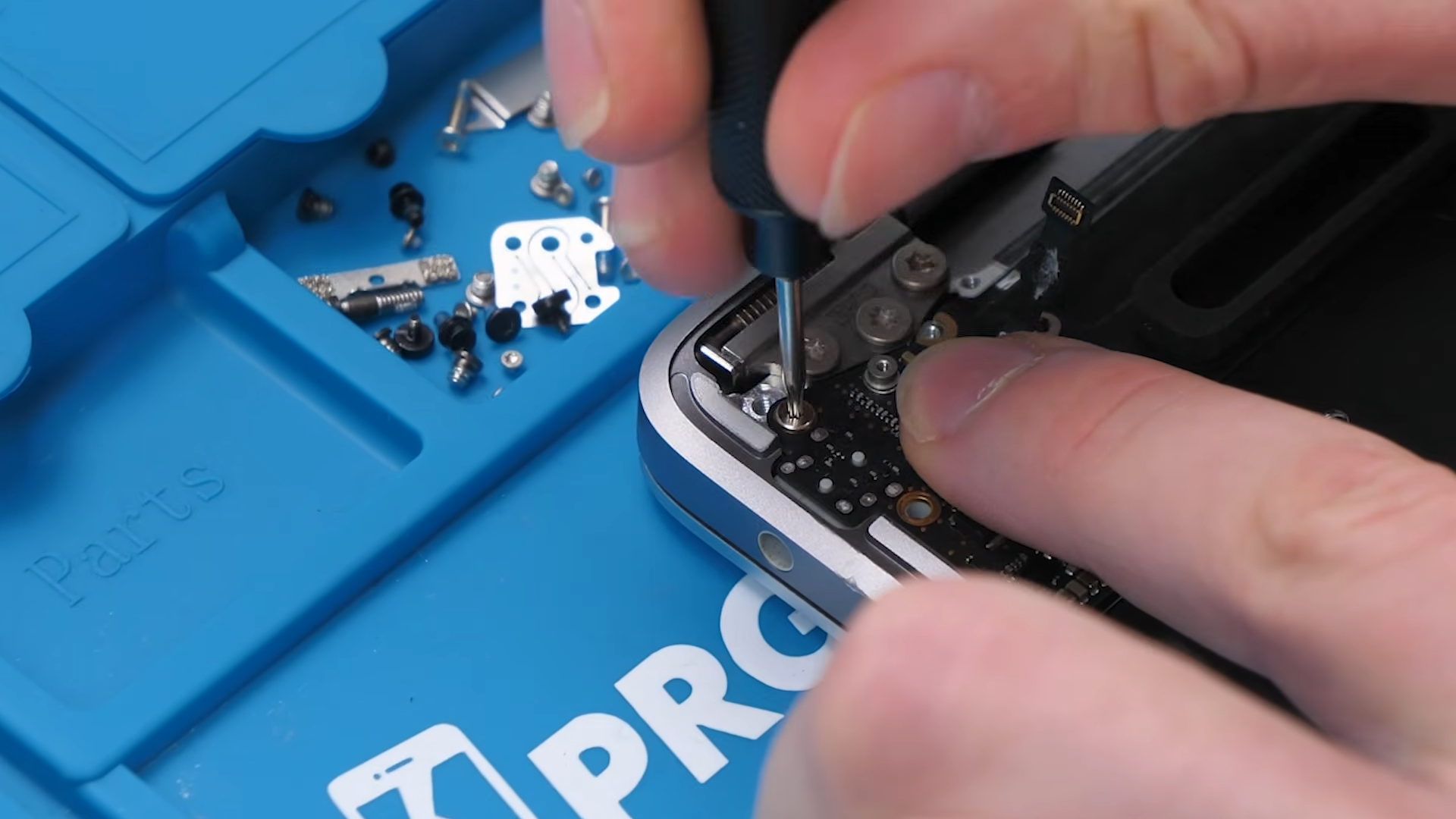
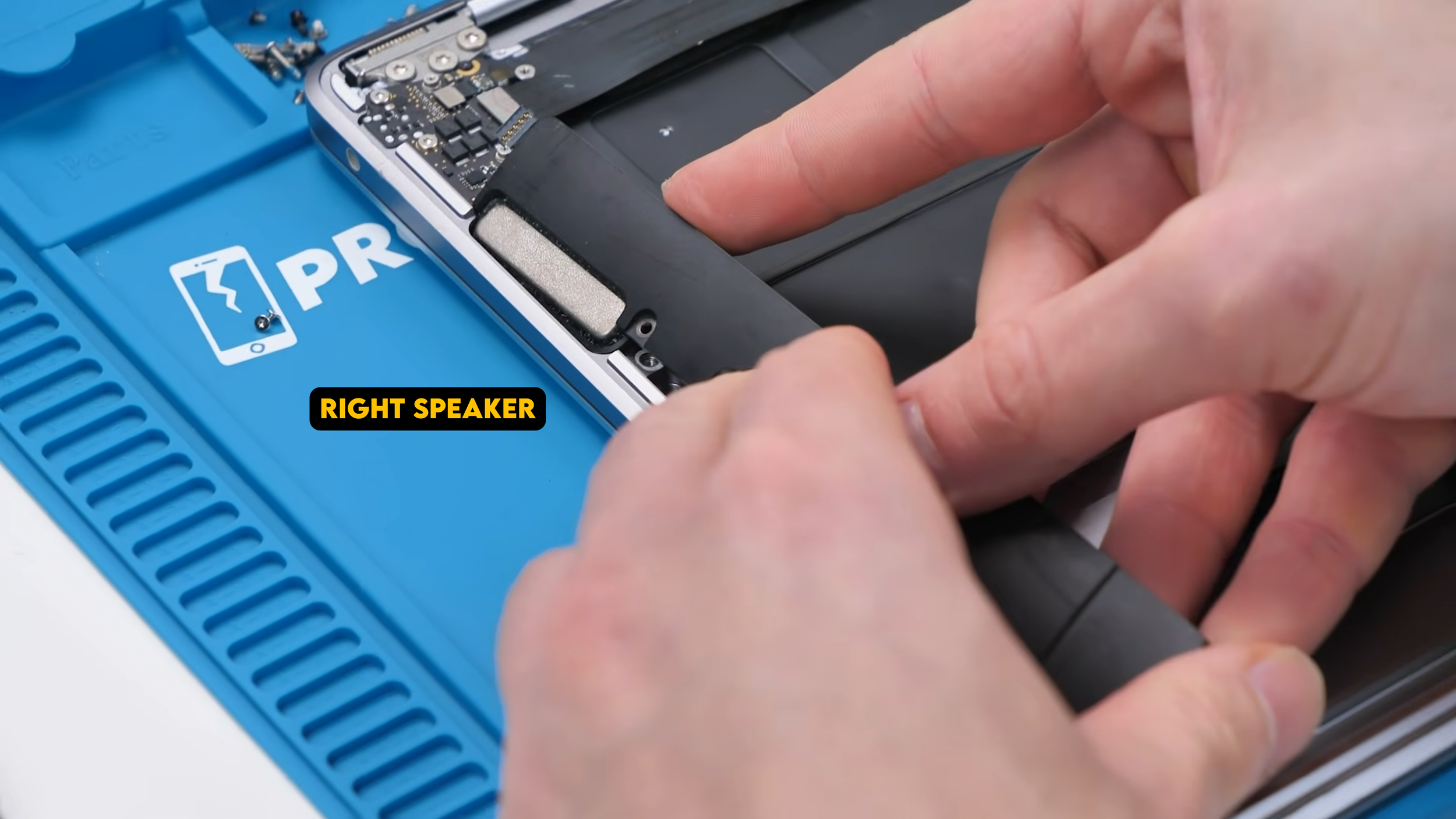
Next came the audio board, microphones, aftermarket battery, USB-C ports, antenna, and speakers. The speakers were missing their usual adhesive pull tabs, while the battery had no adhesive at all. Both could potentially rattle inside the chassis, but there was no way to know until the MacBook was running.
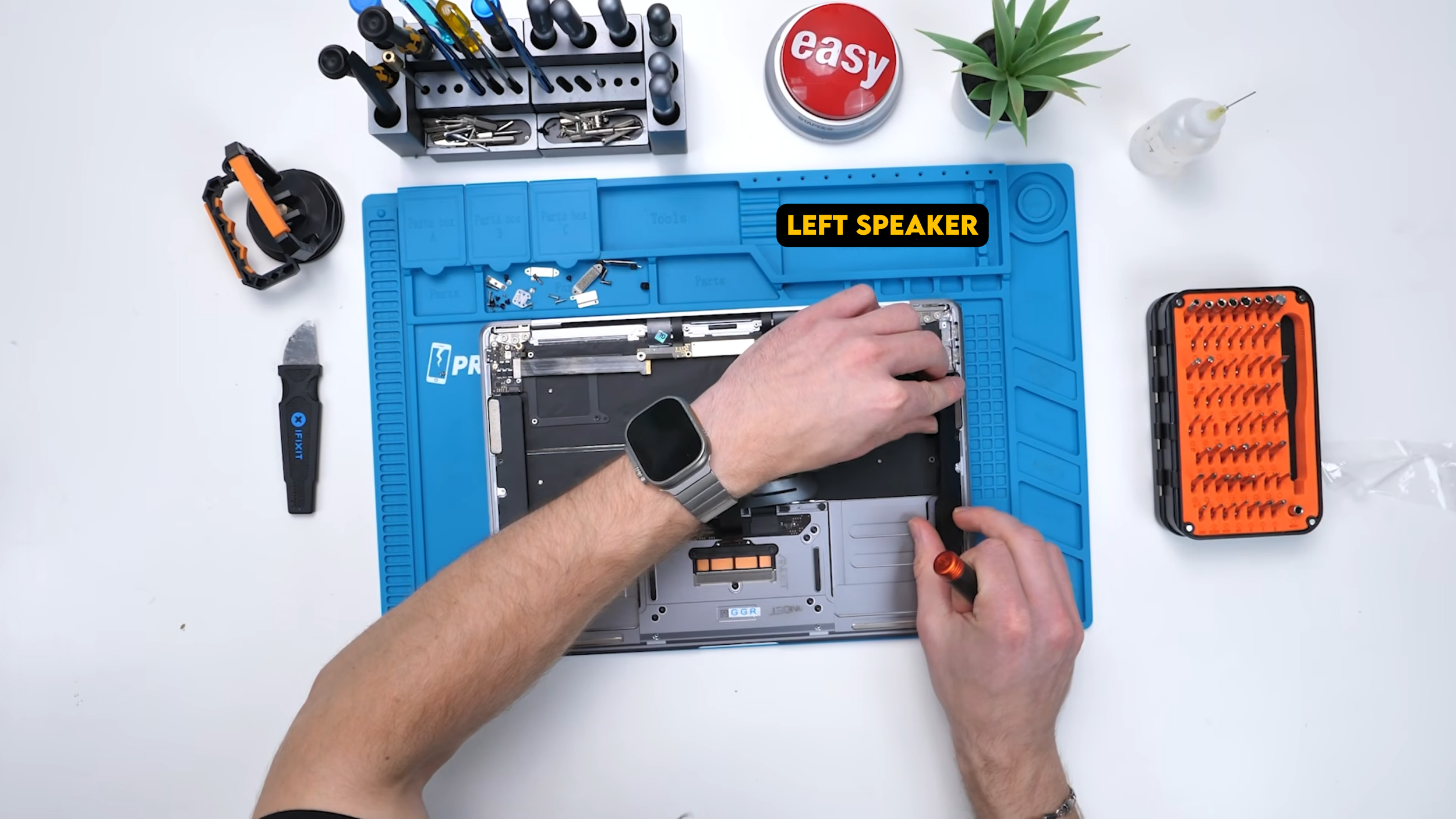
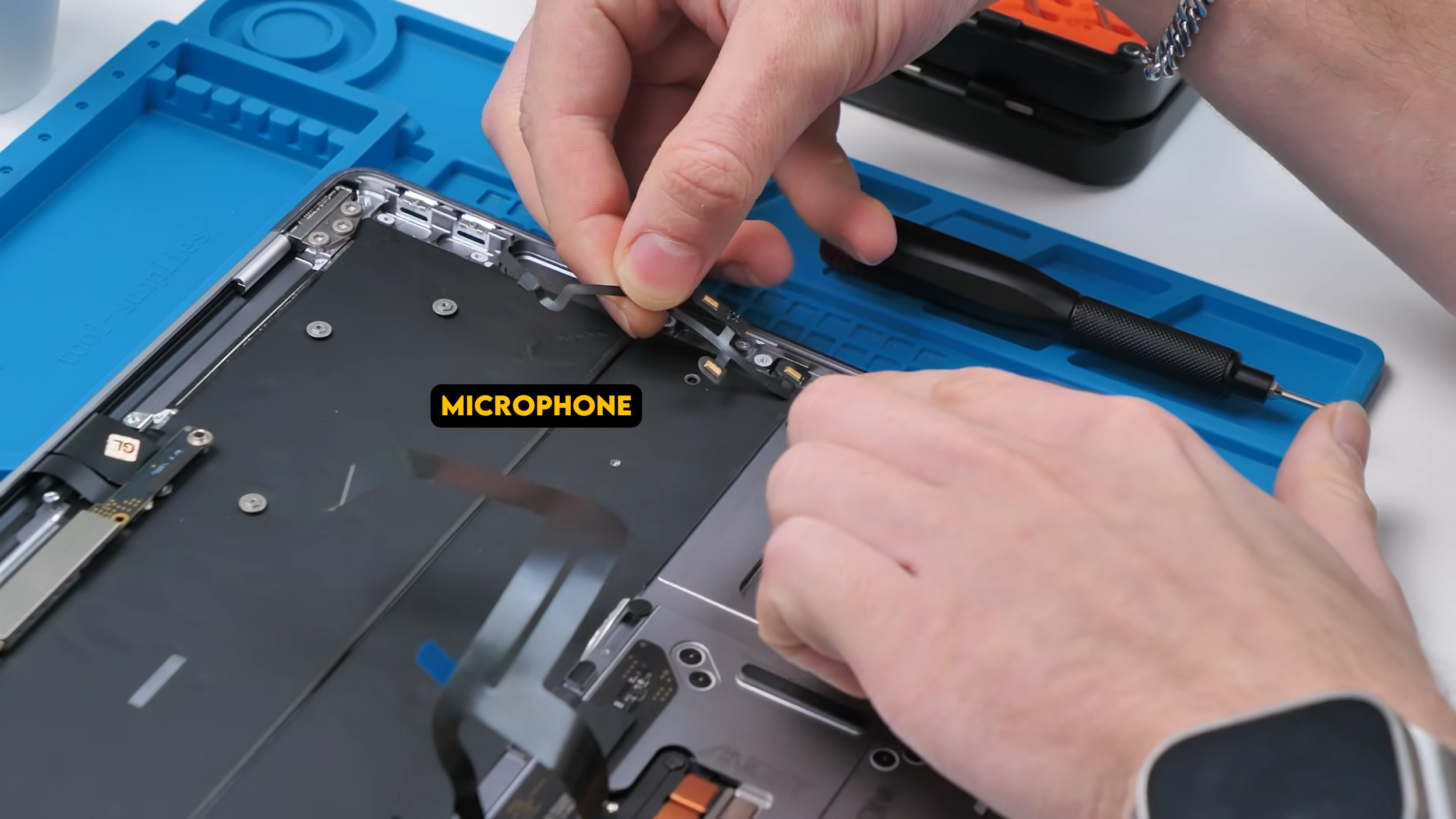
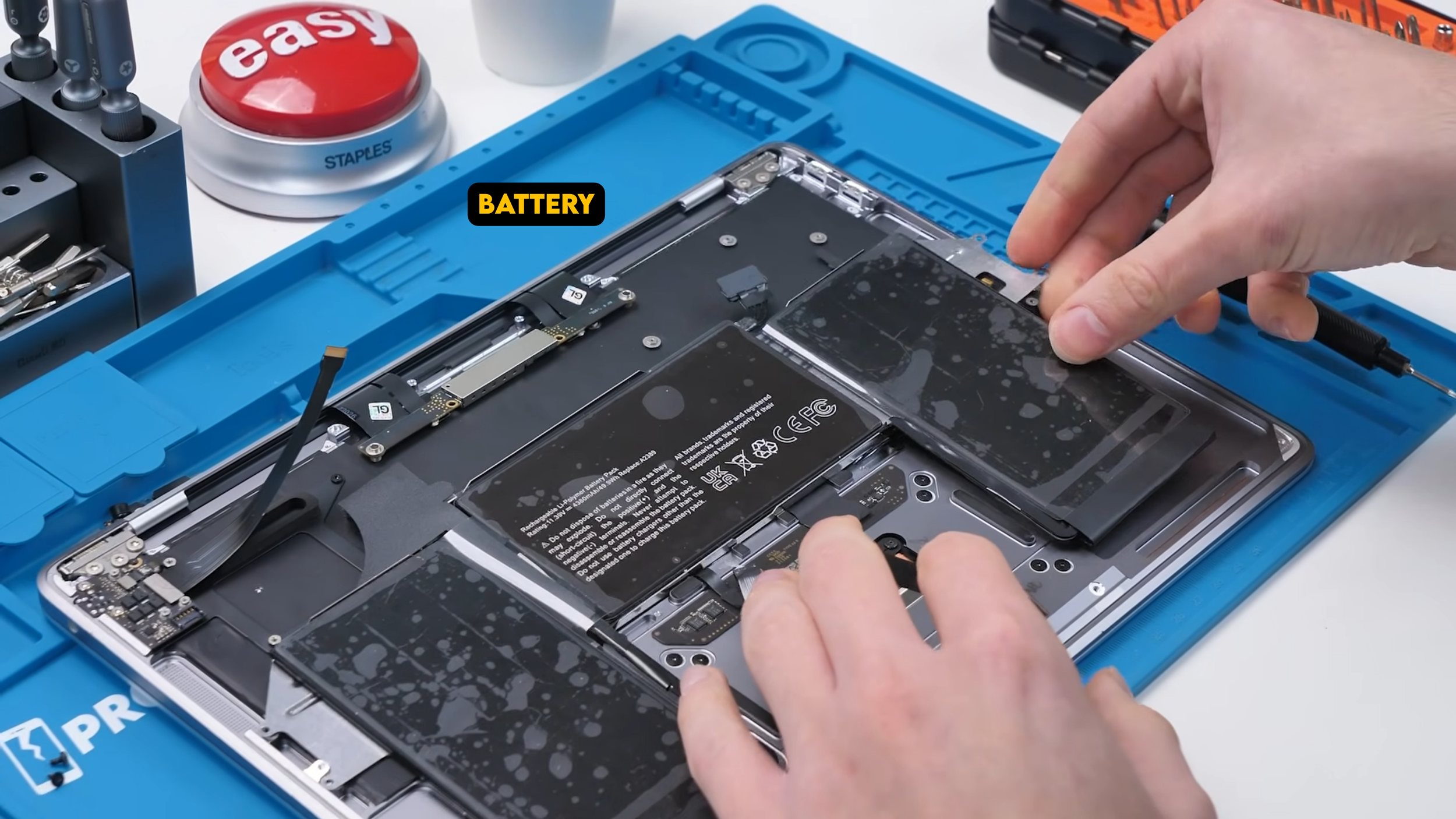
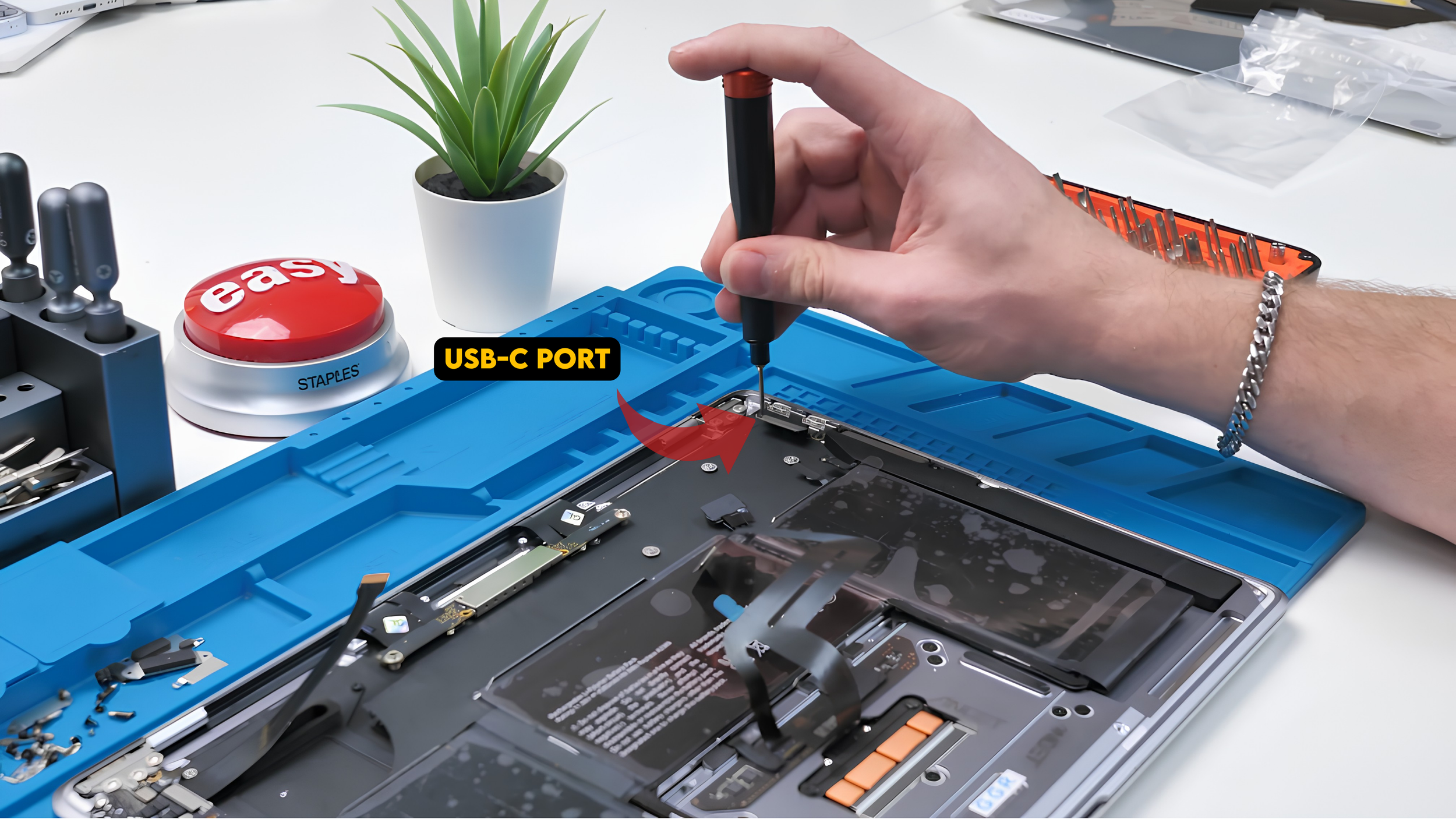
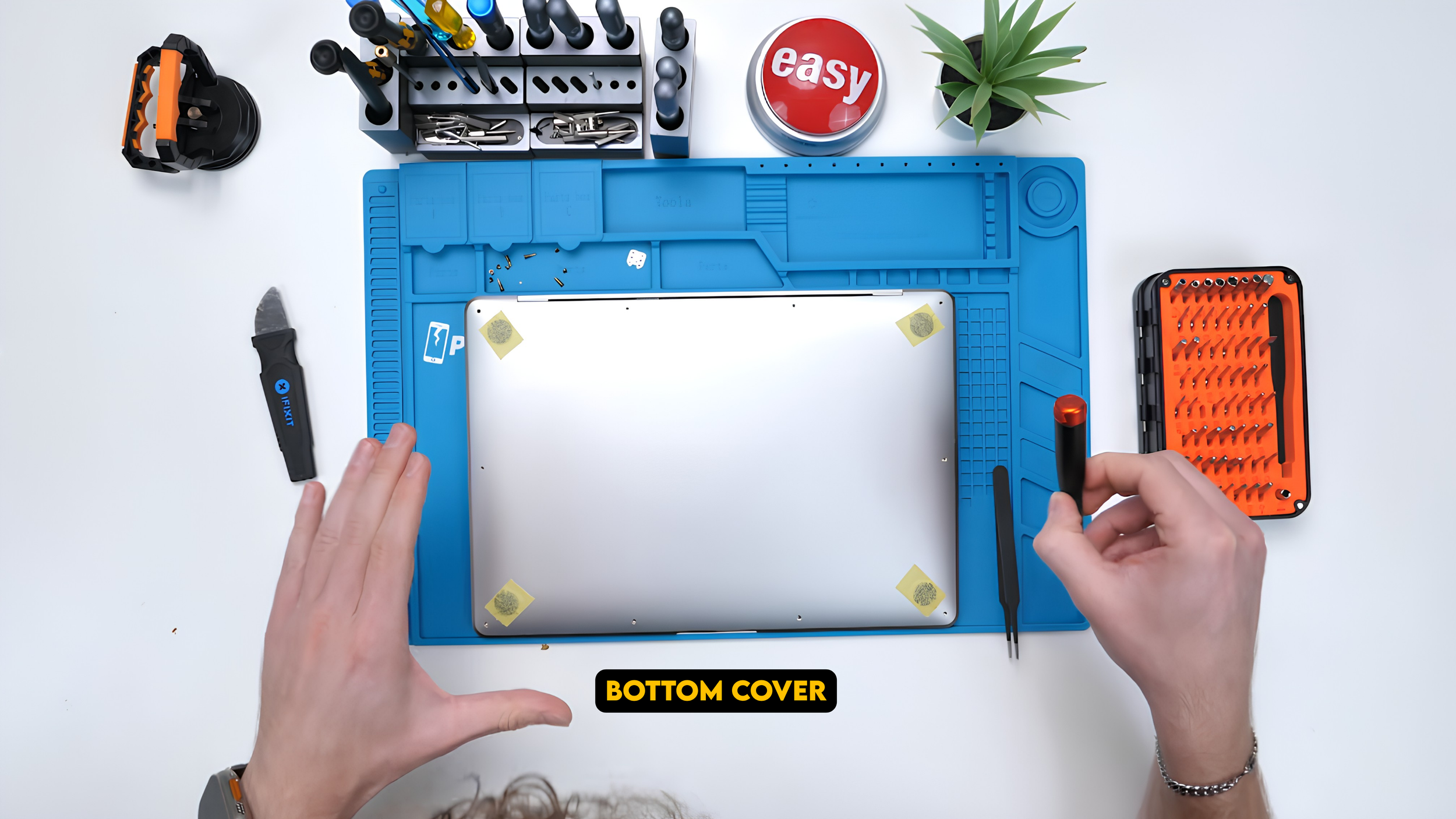
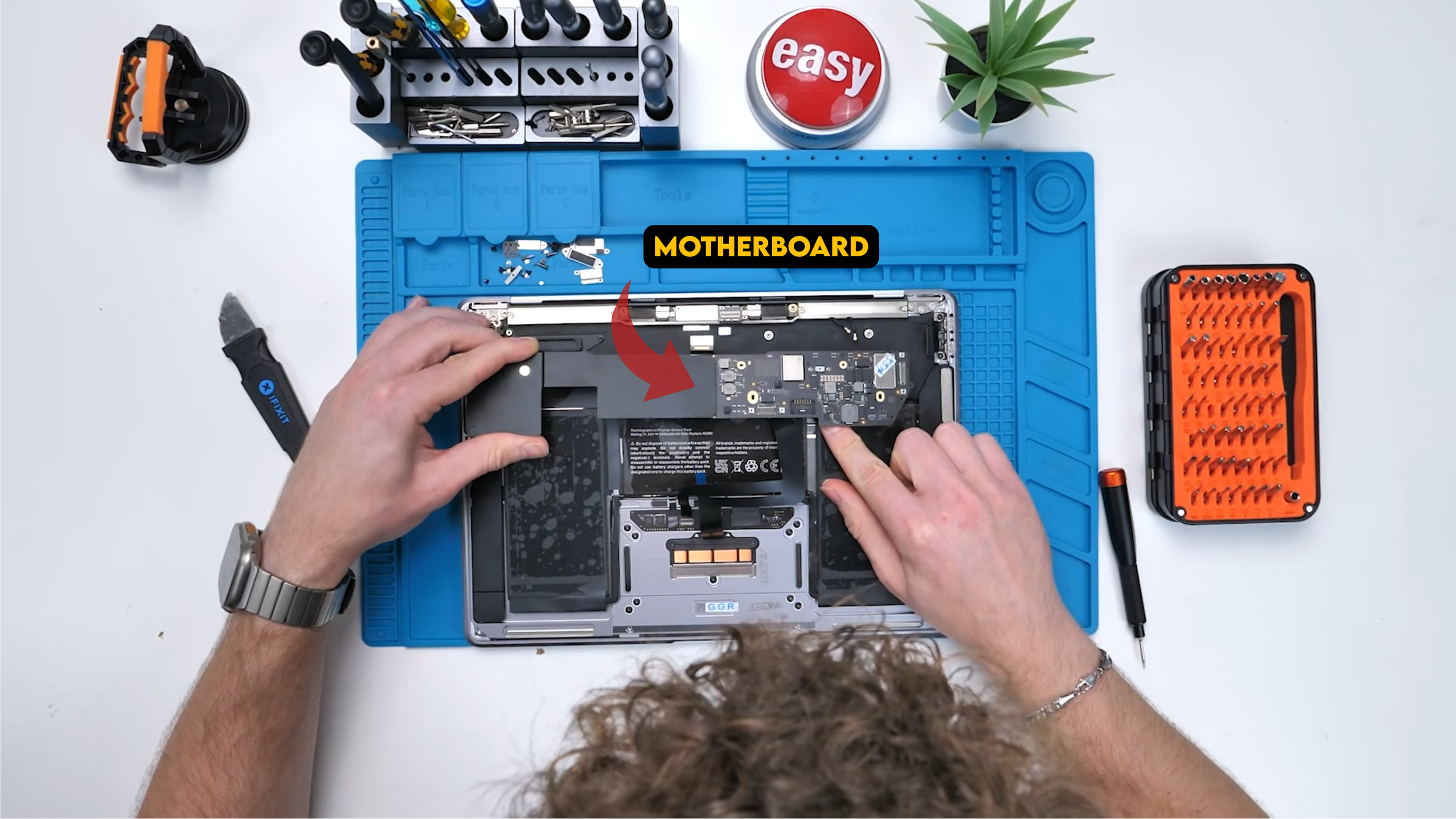
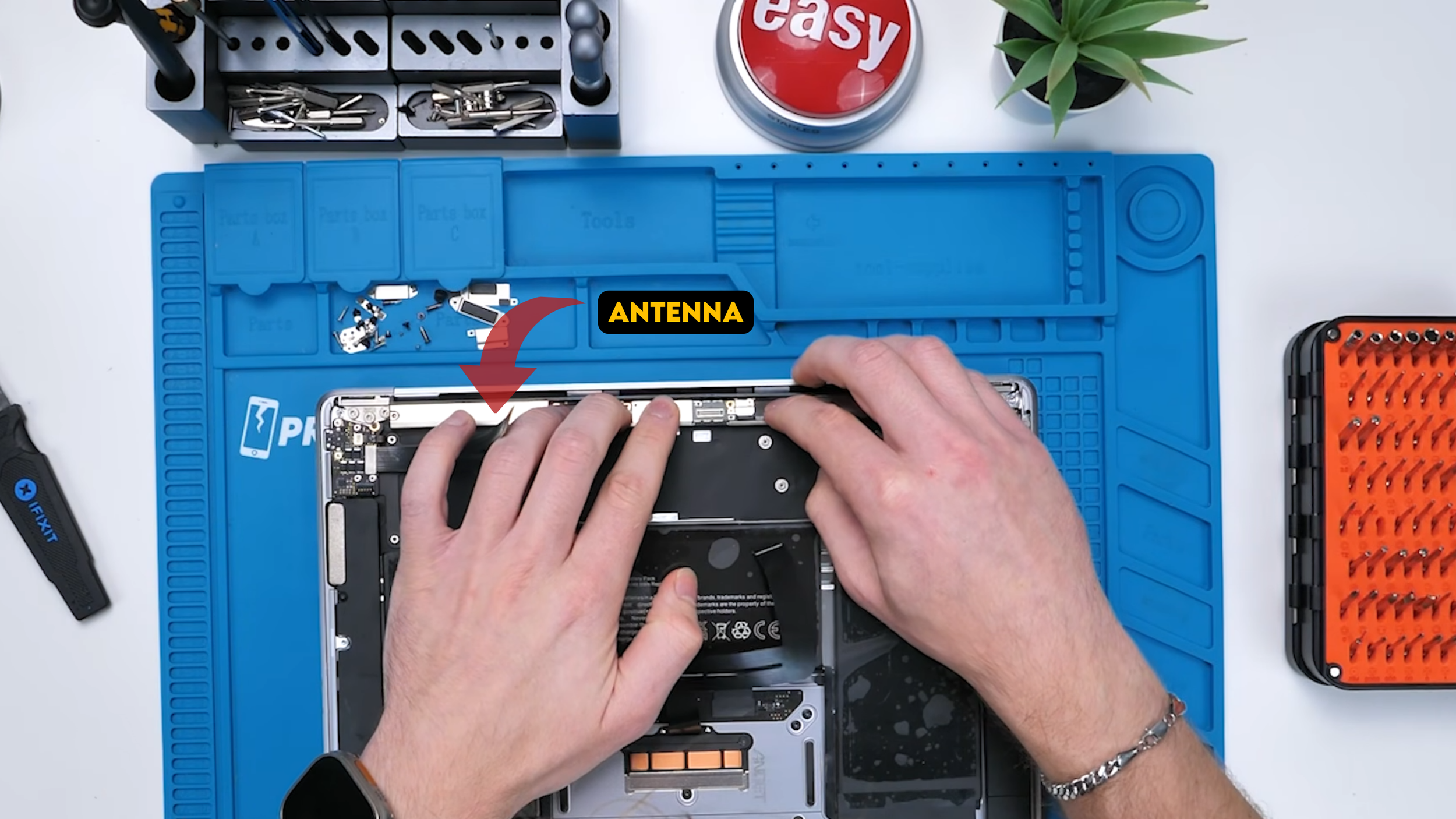
Finally, I installed the motherboard, connected the remaining cables, and closed the bottom cover. It looked like a real MacBook. Now it just needed to behave like one.
Absolutely Nothing Happened
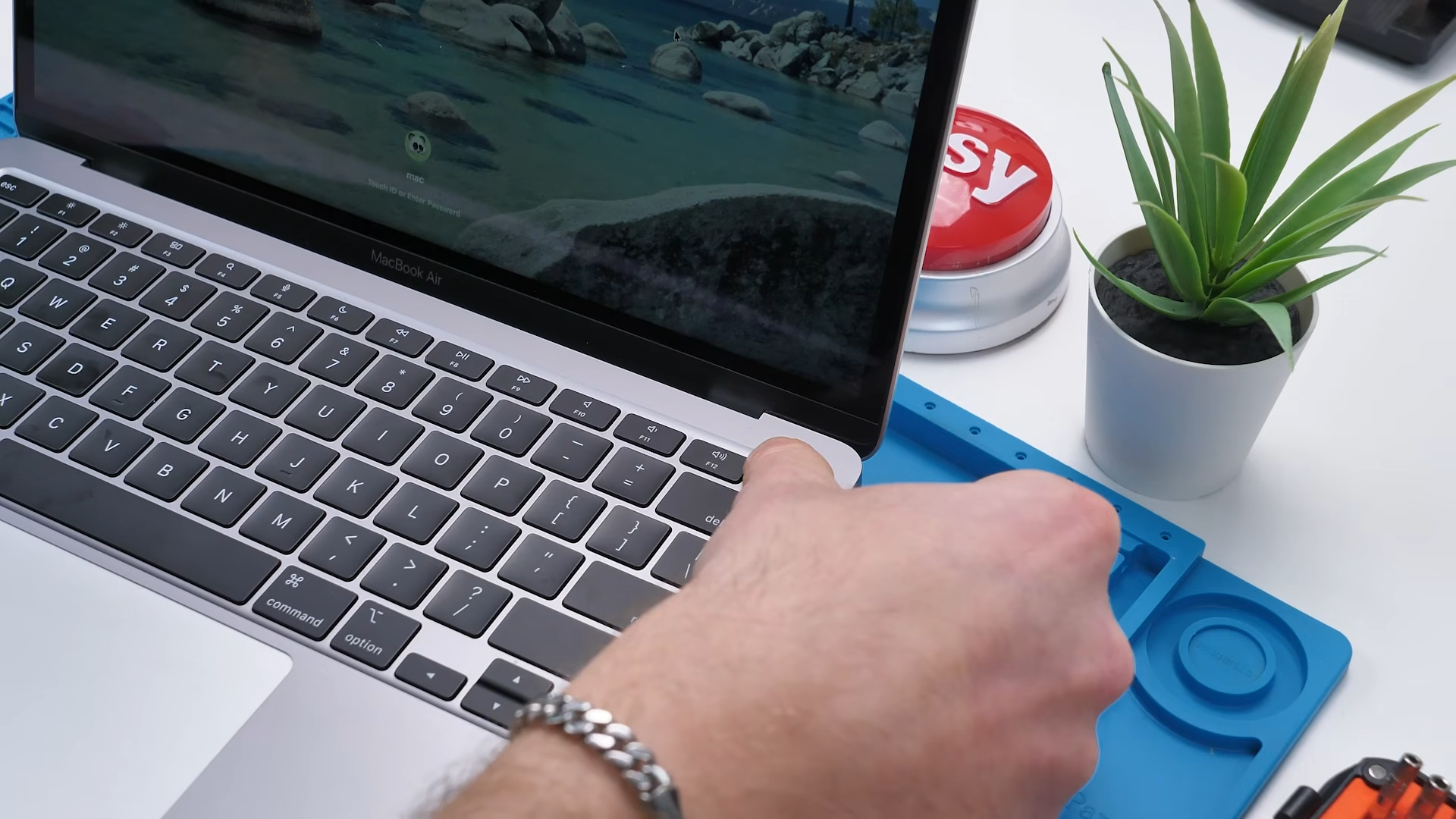
I pressed the power button and got nothing. Connecting the charger made no difference. The MacBook would not turn on, and it did not appear to be charging.
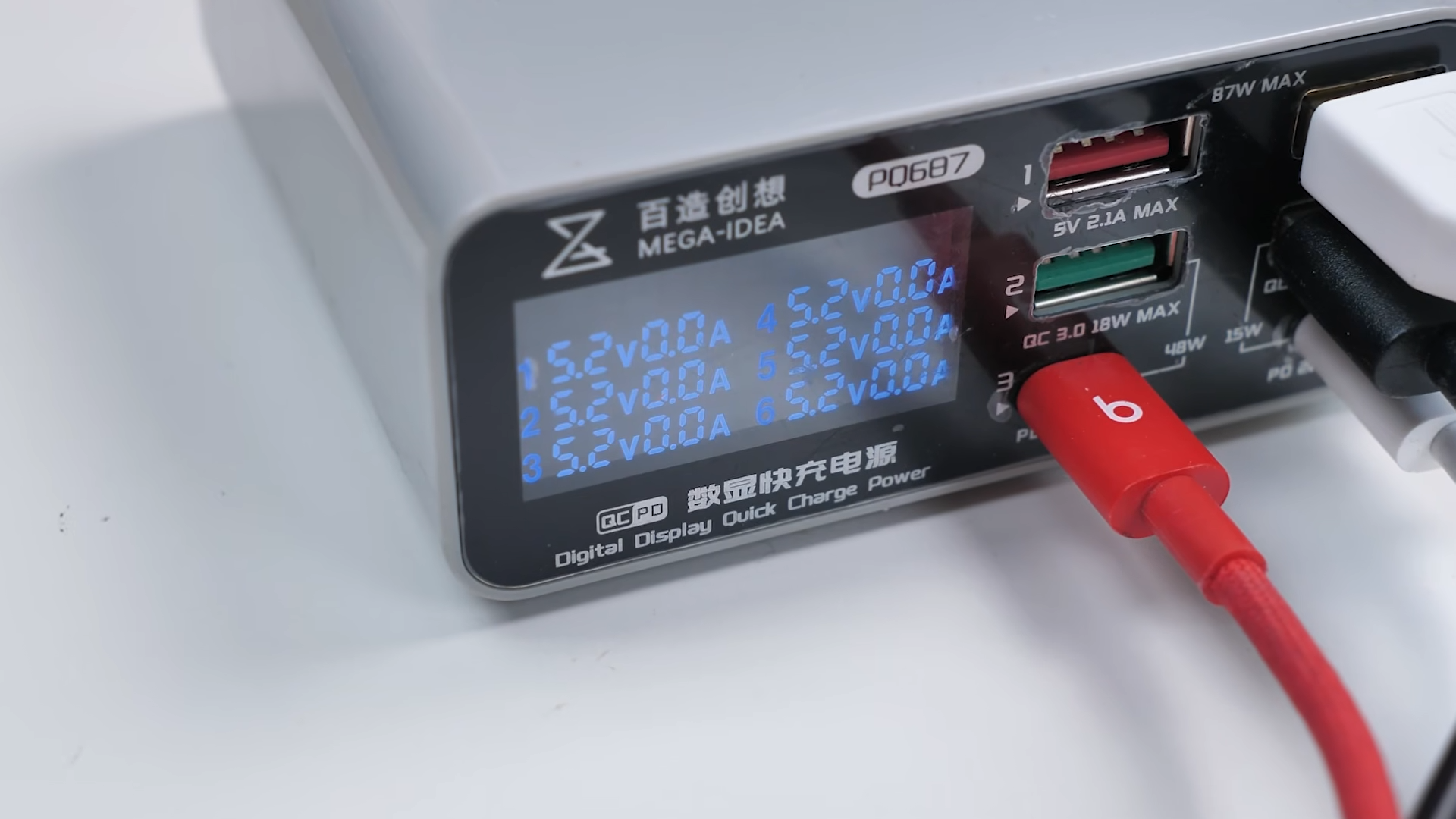
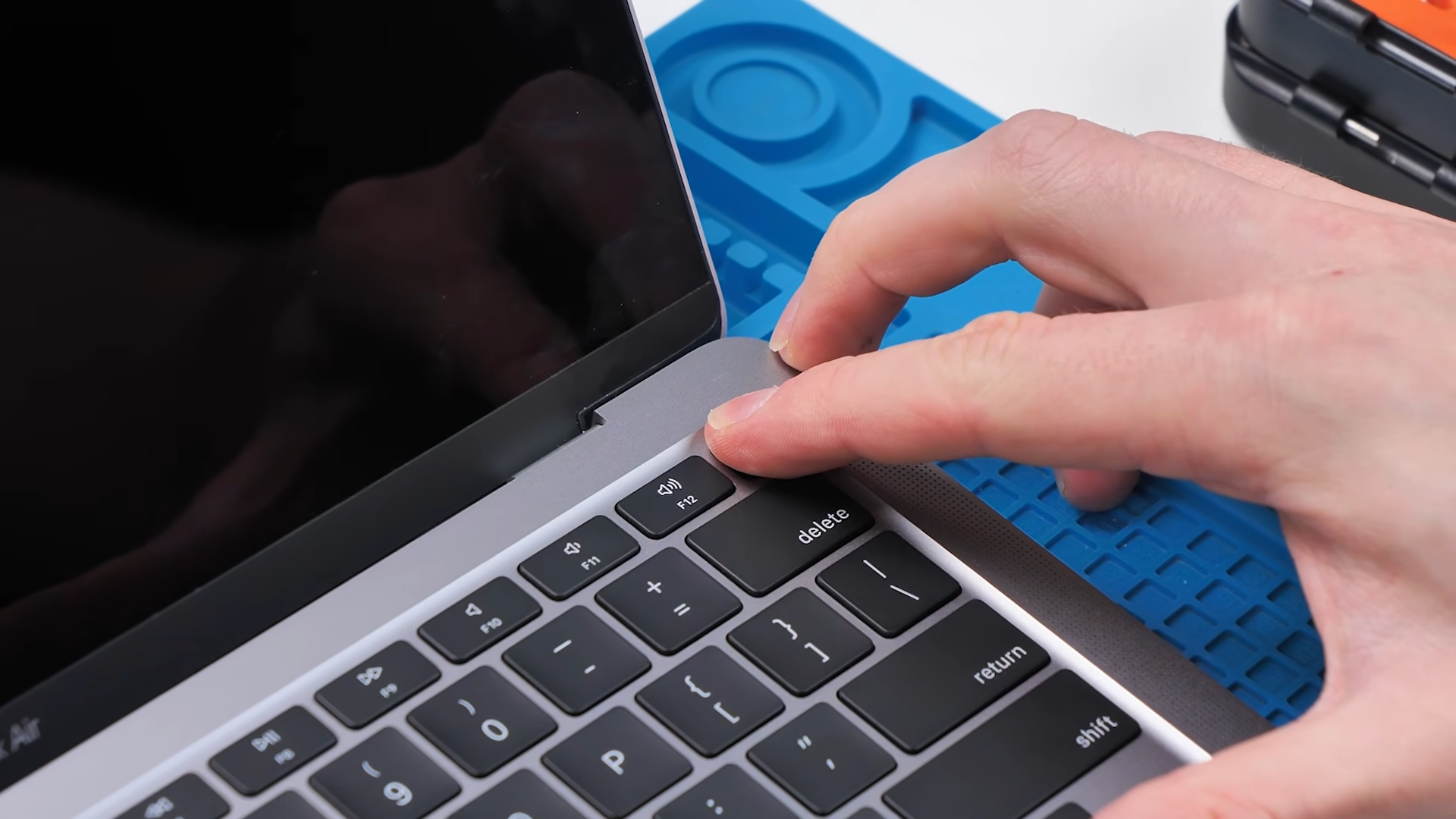
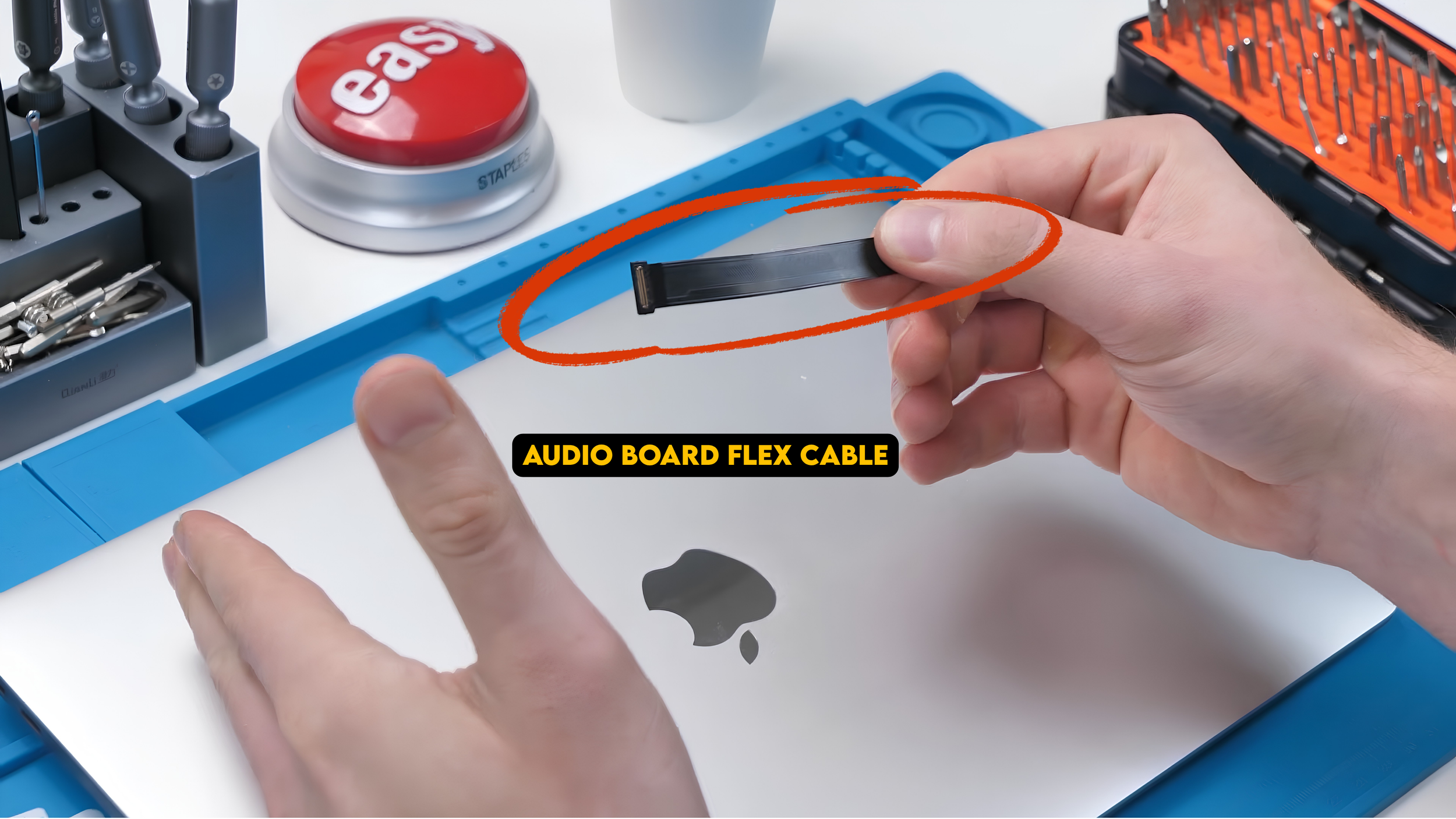
I started troubleshooting every part individually until I found the culprit. It was a small flex cable connecting the audio board to the motherboard. That single defective cable was shorting the entire MacBook. The motherboard became hot, charging did not work correctly, and the laptop showed no signs of life. Once I disconnected it, everything started looking normal again.
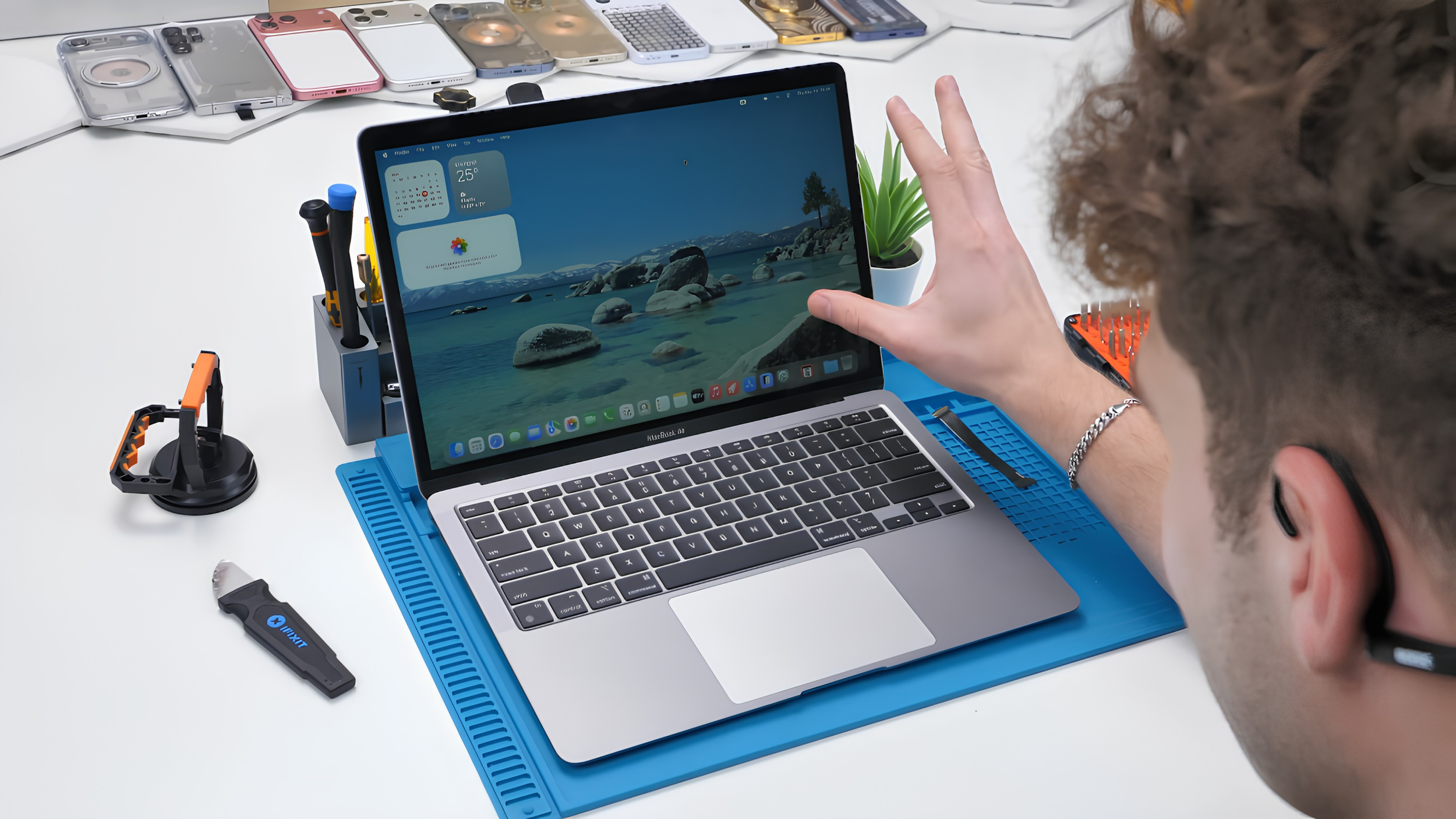
I ordered another cable and received a partial refund for the defective one. With the replacement installed, the AliExpress MacBook finally turned on.
It Worked, But Something Looked Off
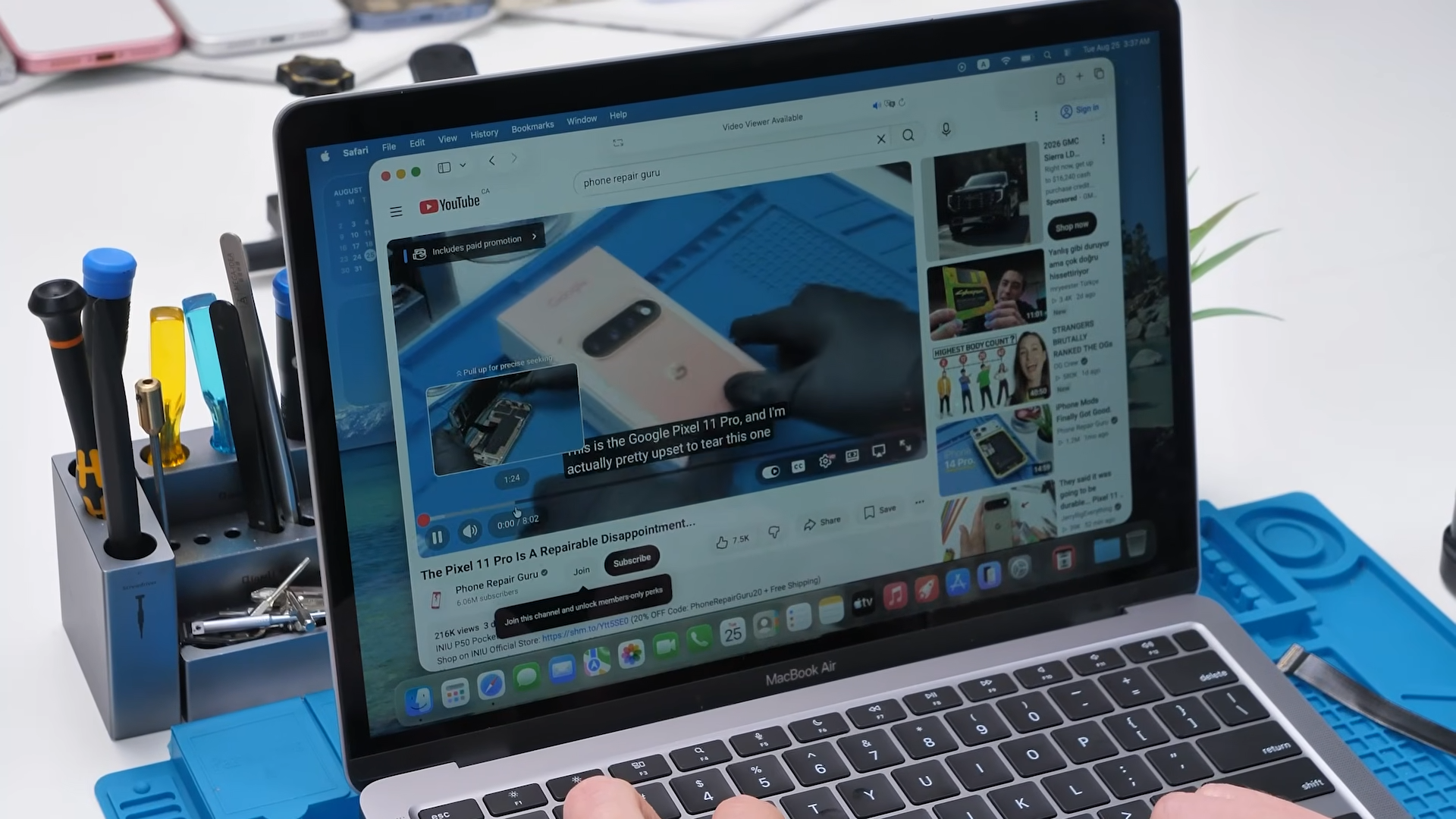
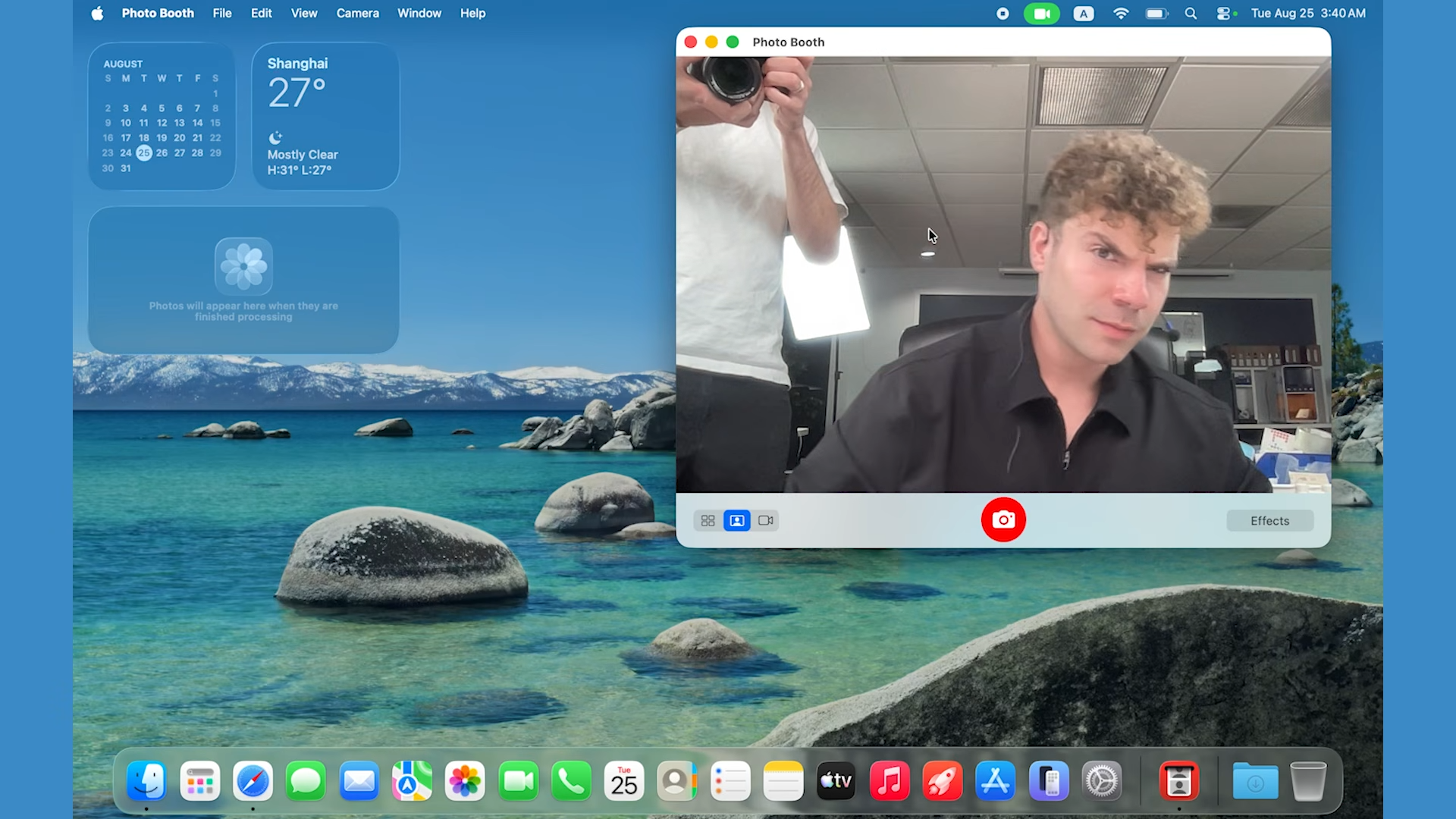
The MacBook booted to a setup screen that still showed Shanghai as its location, suggesting at least one major part had recently come from China. More importantly, the display did not look great. It was dimmer than expected, and the colors lacked the vivid appearance of an original MacBook screen.
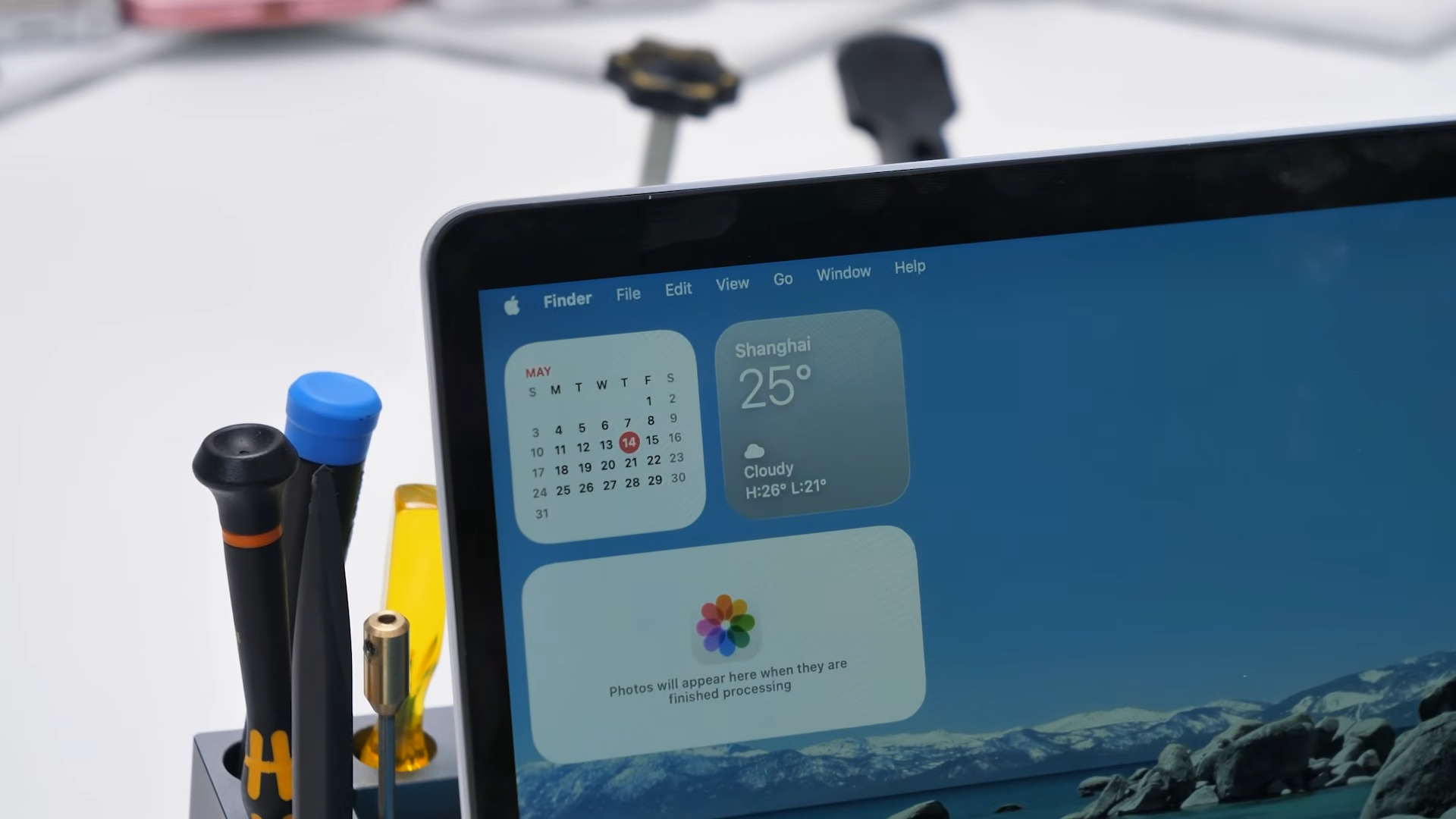
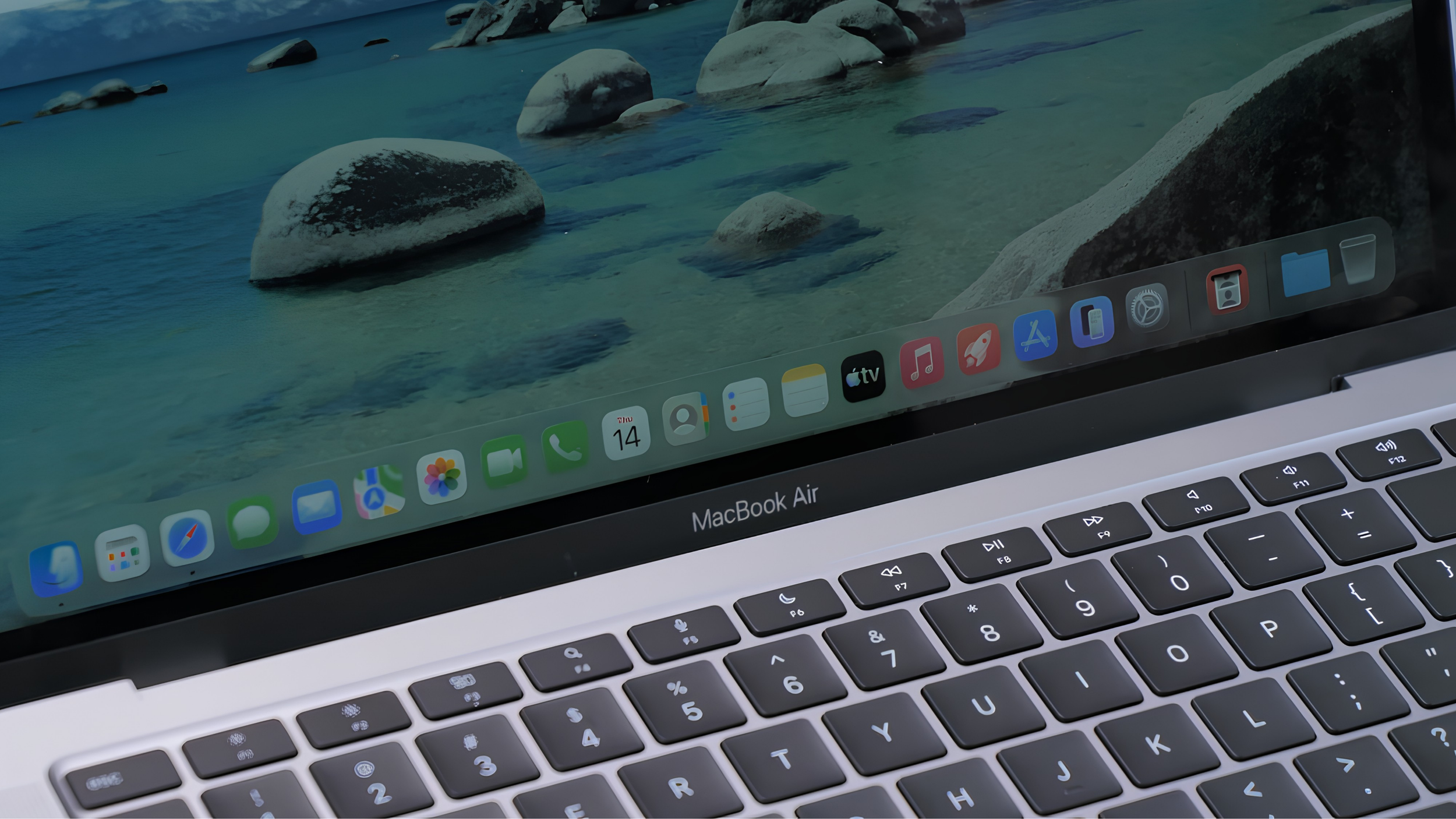
To find out what else might be wrong, I ran Apple’s diagnostic tools. Apple provides dedicated troubleshooting procedures for the M1 MacBook Air, covering components such as the display, camera, Touch ID, keyboard, trackpad, speakers, and USB-C ports.
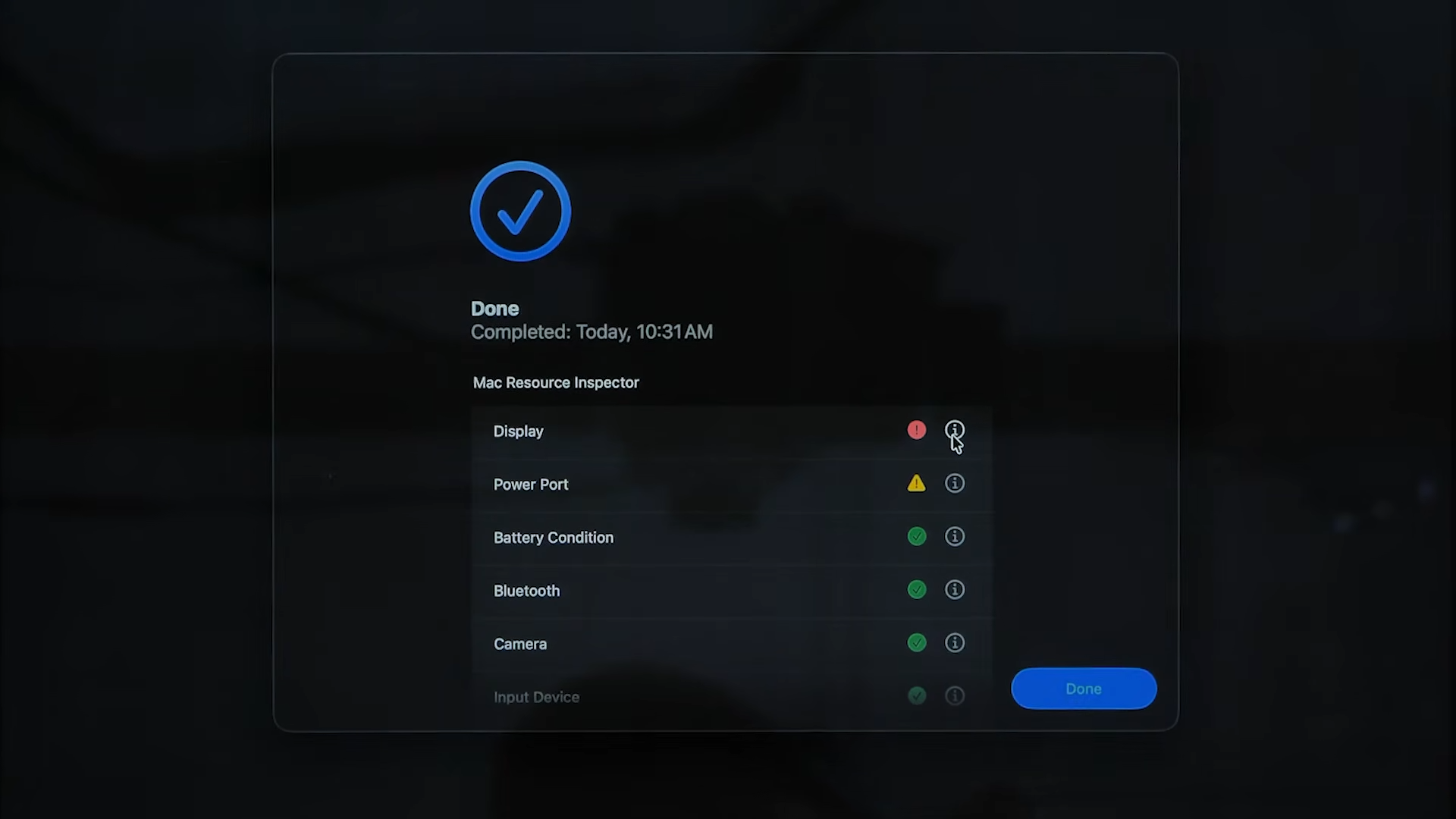
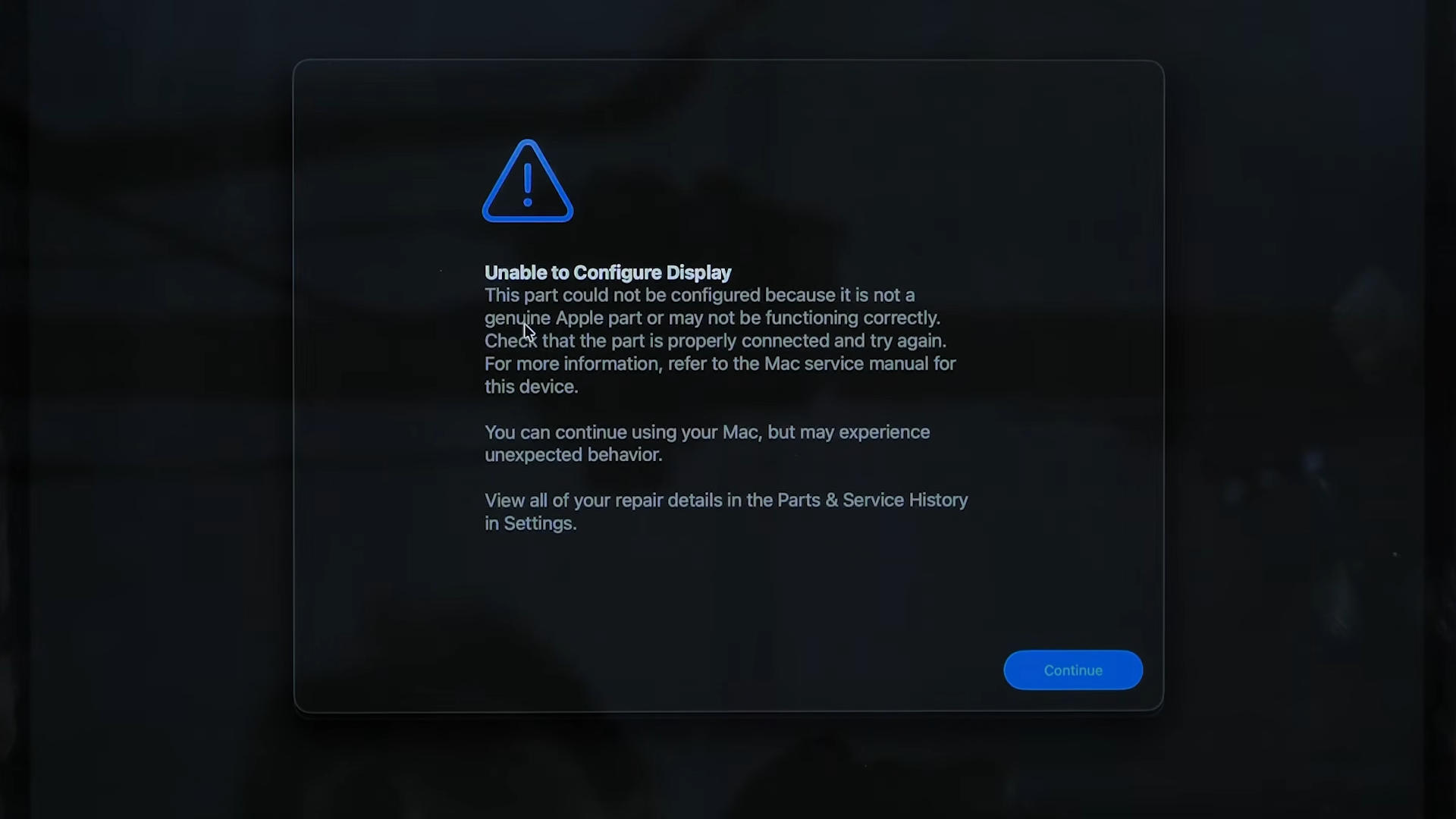
The results were better than expected. Touch ID worked. The speakers, front camera, trackpad, keyboard, and ports all worked too. The only major issue was the display. Apple’s diagnostics could not calibrate it with the motherboard, confirming that it was not an original Apple screen.
Was It Actually Cheaper?
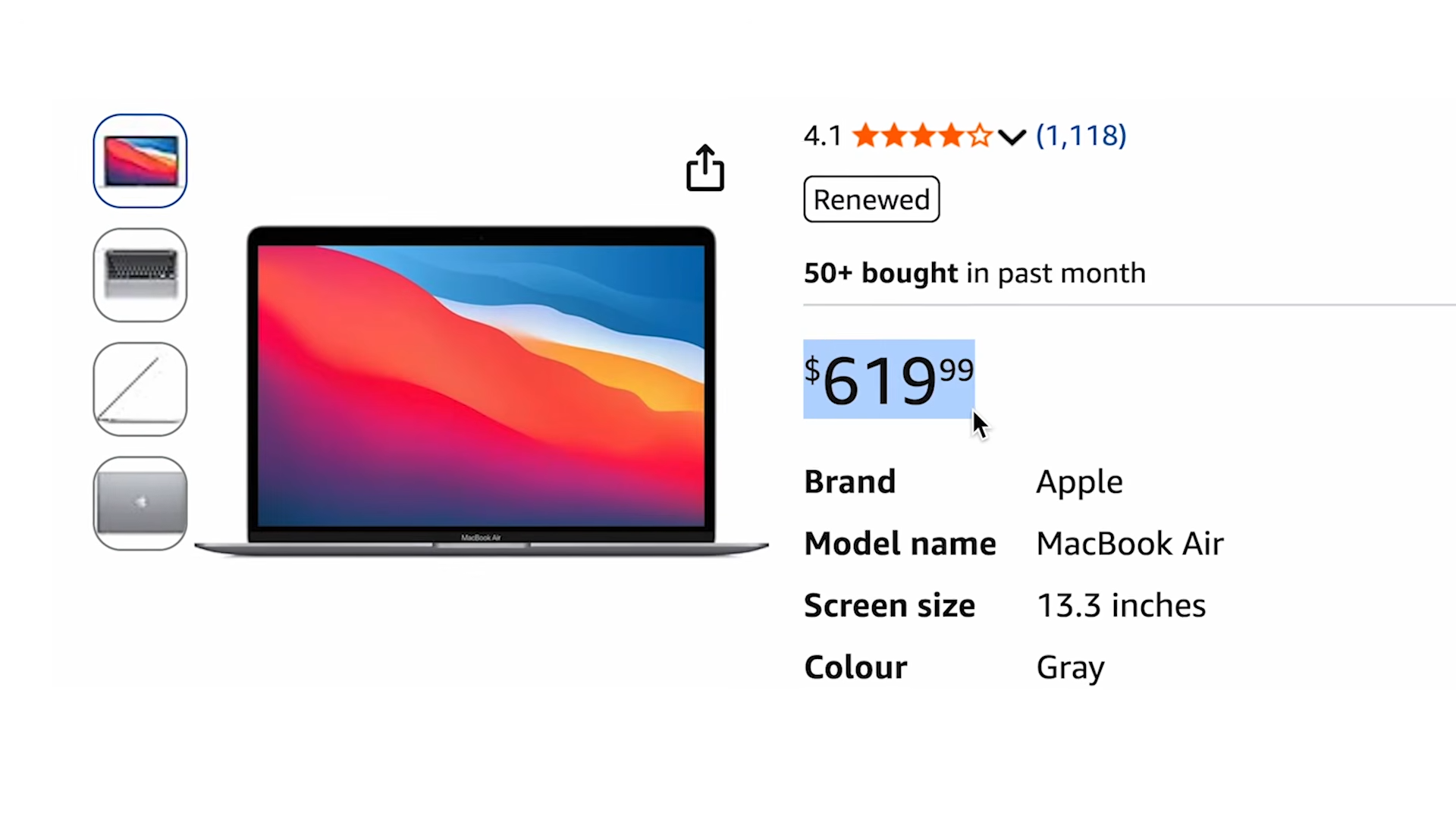
A refurbished M1 MacBook Air could be purchased for around $620 CAD.
After adding every AliExpress part, including the extra components needed to finish the build and accounting for the partial refund, this MacBook cost approximately $939.60 CAD.
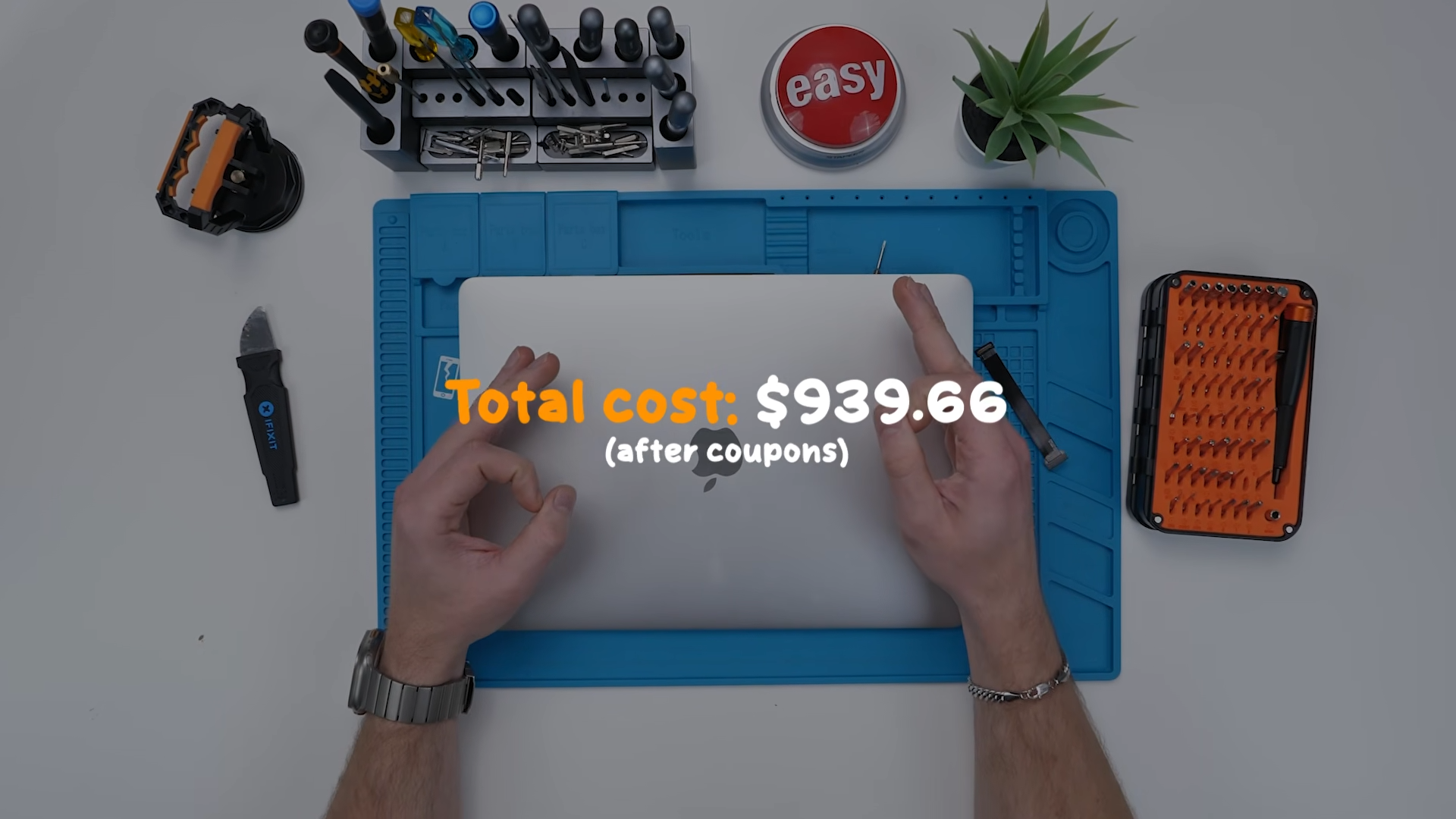
That is nearly $320 more than simply buying a refurbished one. And with the refurbished MacBook, you would likely get matching colors, a properly calibrated display, and far less troubleshooting.
Final Thoughts
The AliExpress MacBook worked, which is honestly more than I expected after that defective cable left it completely dead. Even Touch ID survived the build.
But if the goal is saving money, this makes absolutely no sense. It cost more than a refurbished M1 MacBook Air and came with an inferior display, missing screws, absent adhesive, mismatched colors, and a cable that nearly convinced me the motherboard was dead.
It was a great way to learn the M1 MacBook Air inside and out. It was just a terrible way to buy one.
See you in the next article!
