
The iPhone 18 Pro Max Has a Hidden Face ID Secret…
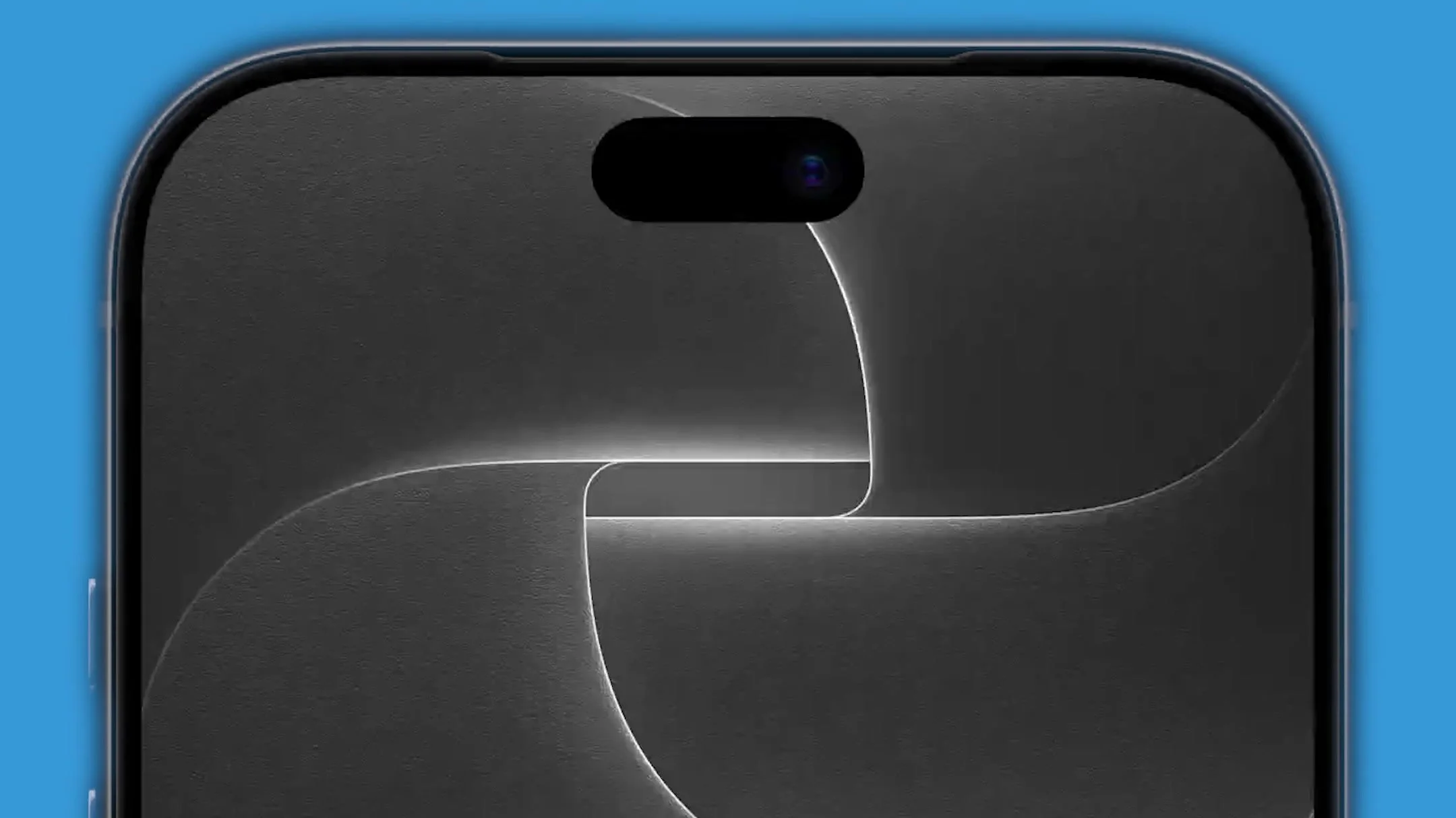
Apple managed to shrink the Dynamic Island on the iPhone 18 Pro Max, but how it pulled that off is much more interesting than the smaller cutout itself.
At first glance, it looks like a simple display change. But after tearing down the iPhone 18 Pro Max and comparing its screen with the previous generation, we noticed something unusual.
One of the Face ID sensors isn't where you'd expect it to be. And finding out where Apple moved it reveals what's really happening beneath the display.
Something Is Different About the Display
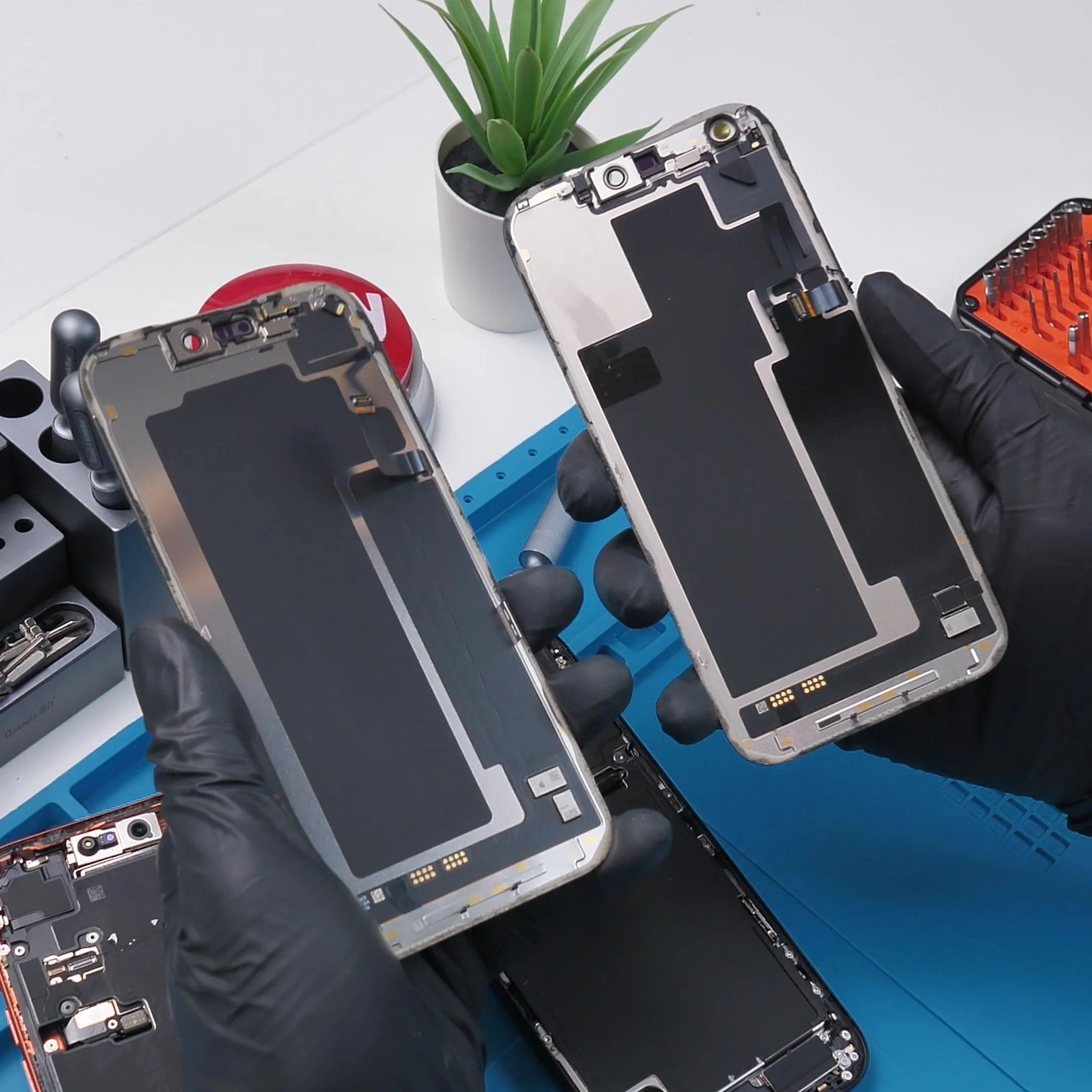
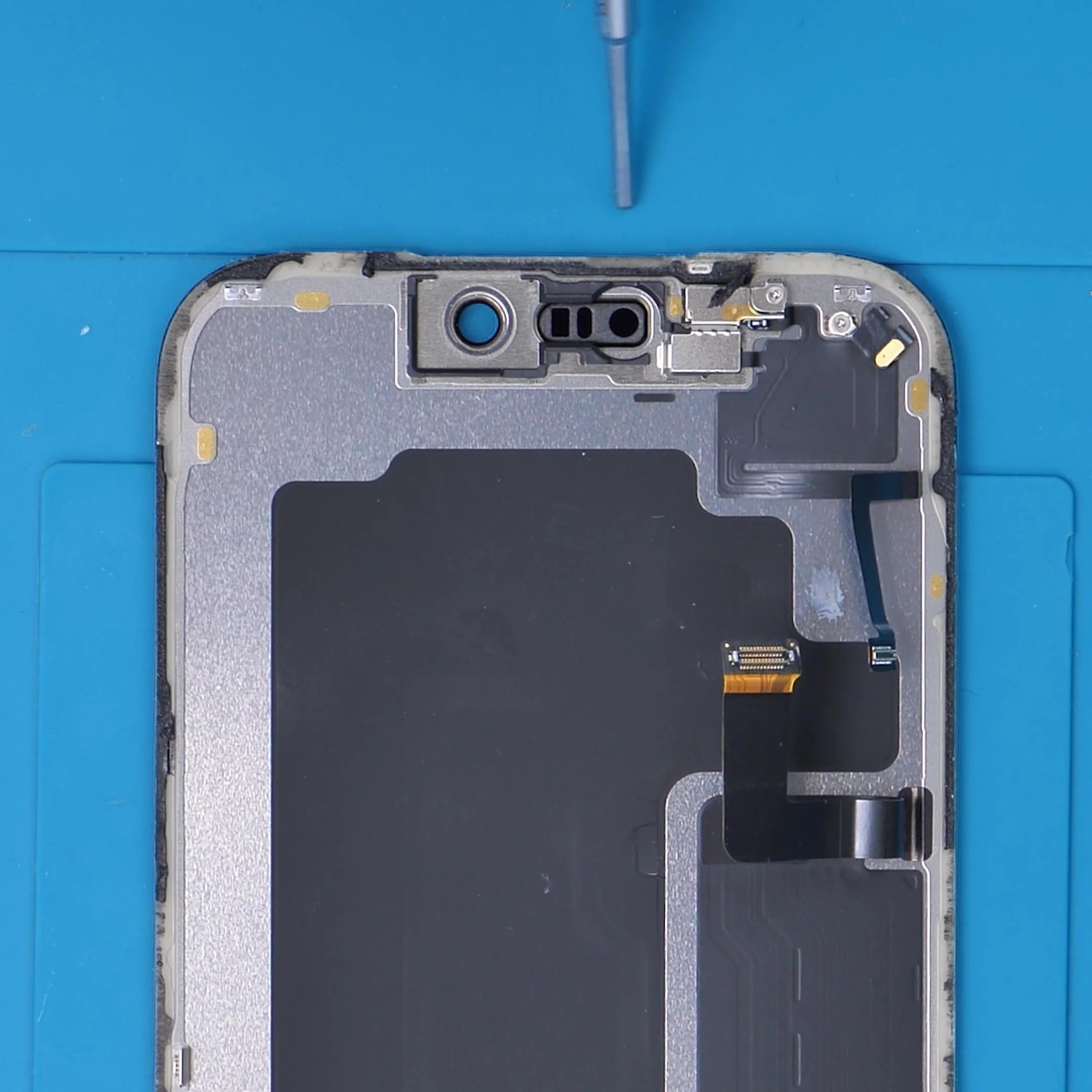
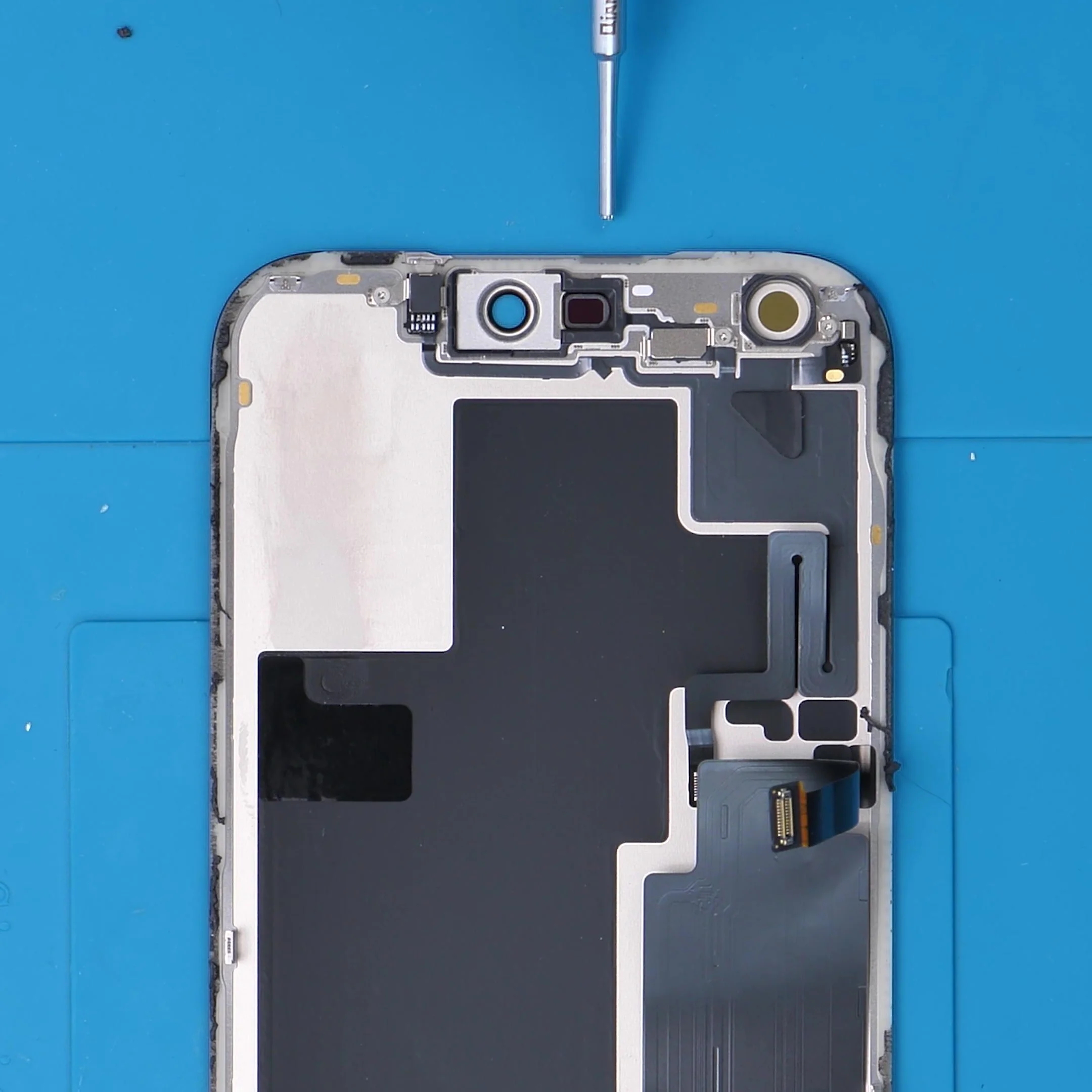
We placed the iPhone 17 Pro Max and iPhone 18 Pro Max displays side by side to compare their internal layouts.
Looking at the top of the iPhone 17 Pro Max screen, you can see three openings associated with the front-facing sensor system.
But the iPhone 18 Pro Max is different. There are only two openings grouped together at the top, while a third sits much farther away.
That third opening is the interesting part.
| Display | What We Found |
|---|---|
| iPhone 17 Pro Max | Three openings grouped near the top of the display. |
| iPhone 18 Pro Max | Two openings at the top, with a third relocated toward the corner. |
Instead of keeping all the components in the same area, Apple has changed the layout of the front sensor system.
And that leads us to the biggest discovery.
Apple Moved a Face ID Sensor Beneath the Display
The relocated opening belongs to an infrared sensor used by Face ID.
Rather than keeping it inside the main Dynamic Island area, Apple has moved it toward the corner of the screen, where it operates beneath the display.
That's how Apple was able to reduce the space occupied by the Dynamic Island without removing Face ID.
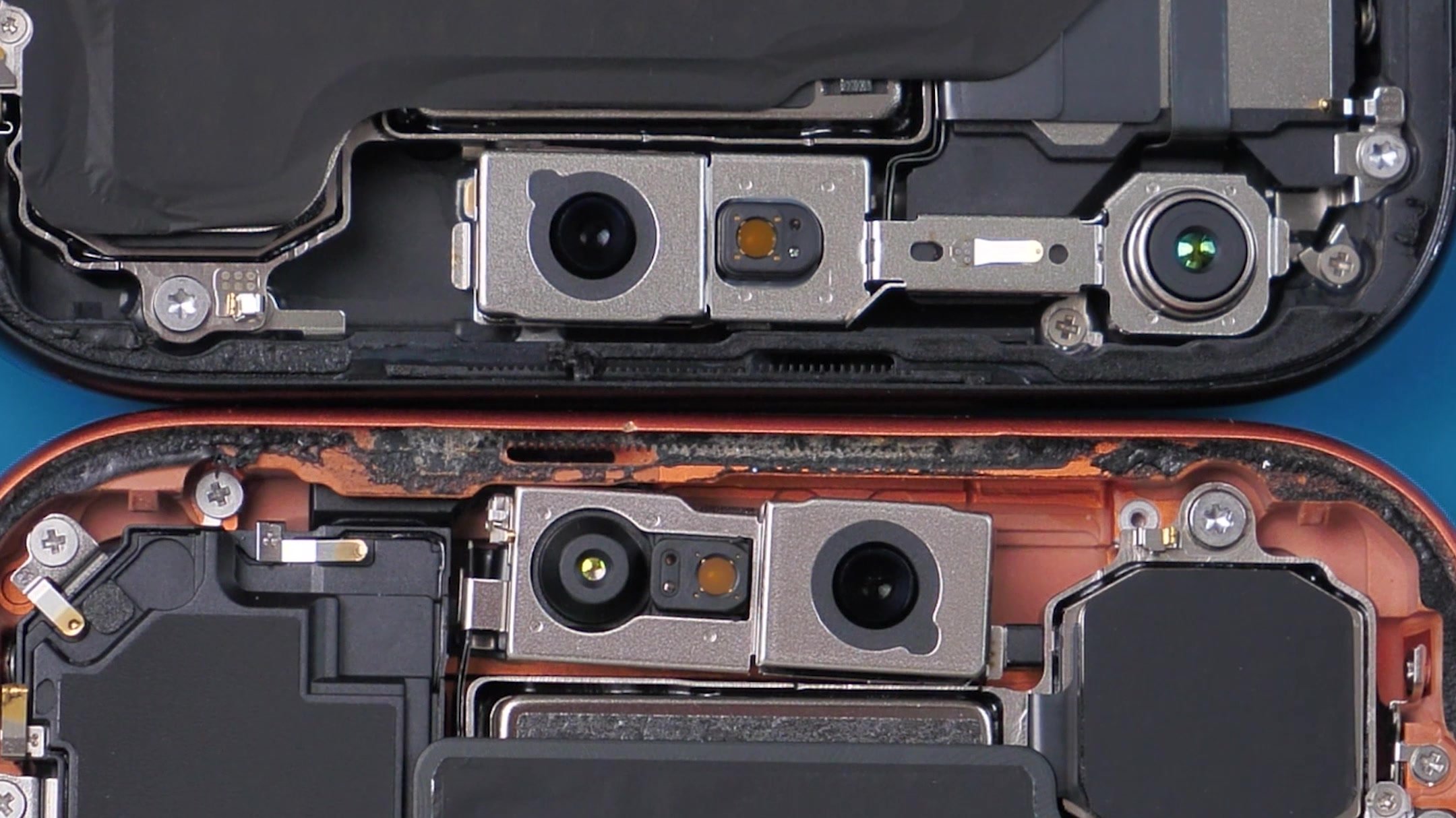 iPhone 18 Pro MaxiPhone 17 Pro Max
What's impressive is that Face ID still works despite the sensor being moved away from the main cluster.
Apple hasn't simply hidden an unused component. The relocated sensor remains part of the facial recognition system.
Wait, Is This an Under-Display Camera?
Not in the way you might think.
When people hear about an under-display camera, they usually imagine the selfie camera disappearing beneath the screen, leaving an uninterrupted display.
That's not what we're looking at here.
The component identified in our teardown is an infrared sensor for Face ID, not the regular front-facing camera used for selfies and video calls.
Face ID relies on infrared technology to recognize your face. Moving one of its sensors beneath the display allows Apple to change the arrangement of the system without placing every component inside the same visible cutout.
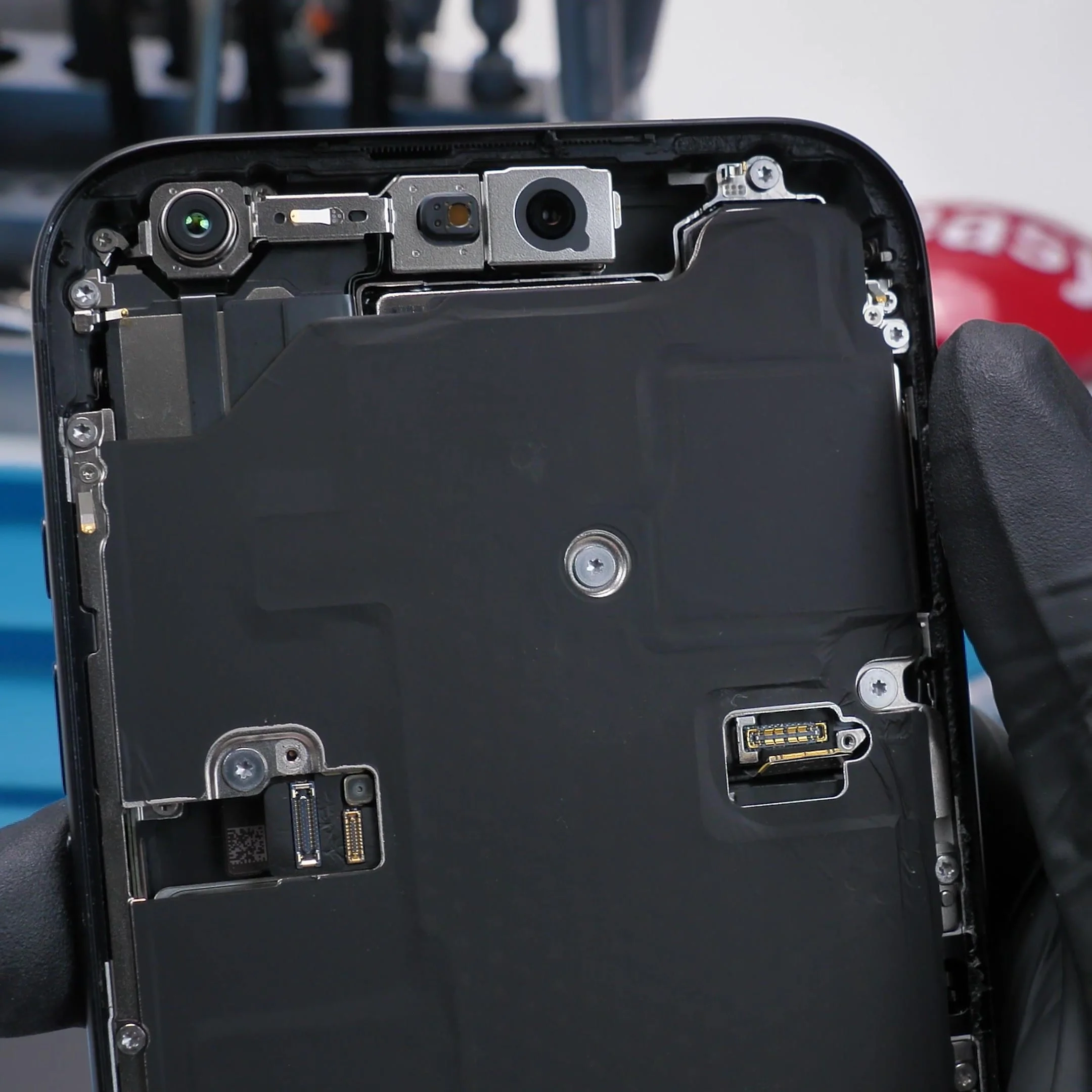
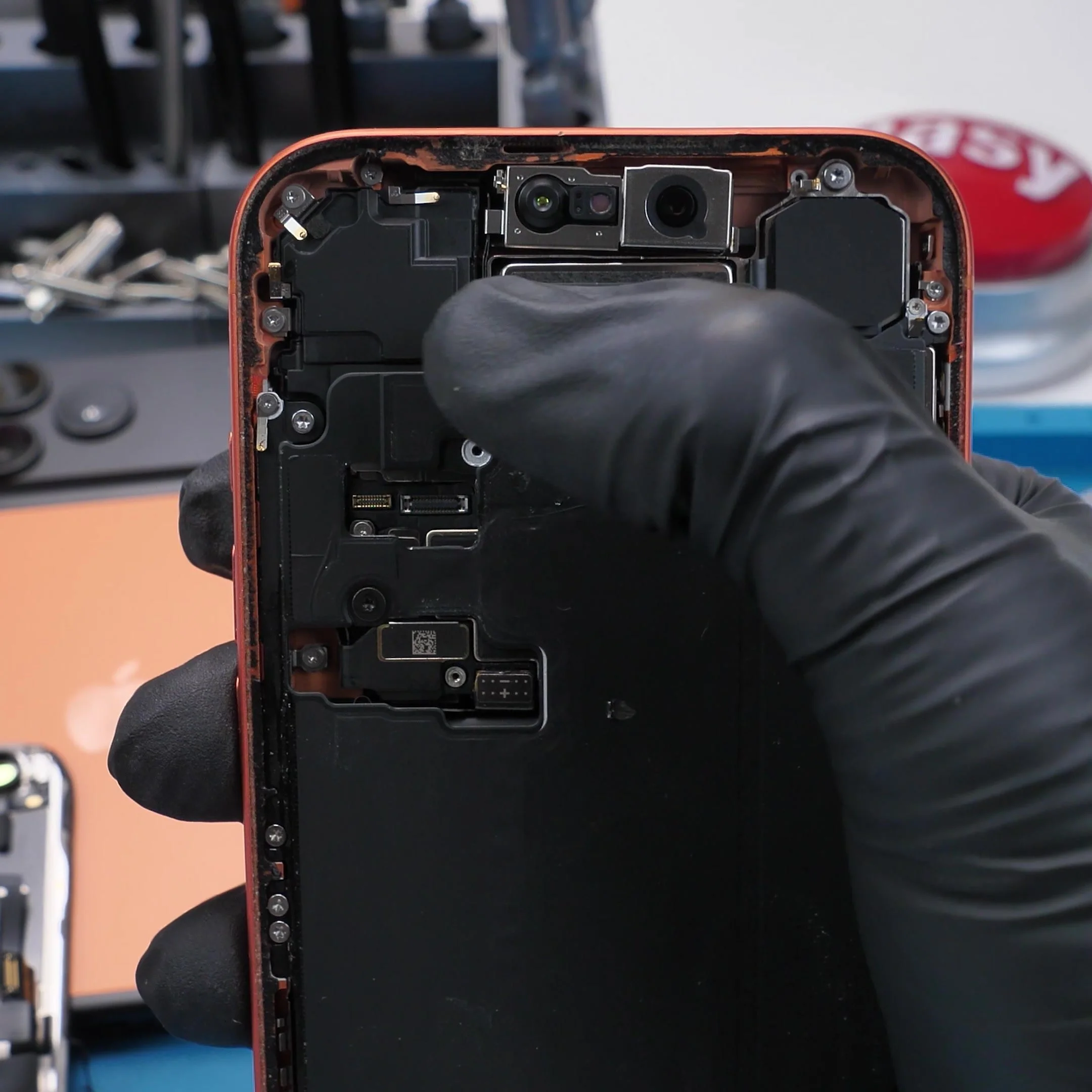
The discovery concerns the location of a Face ID infrared sensor. It does not mean the iPhone 18 Pro Max has moved its entire selfie camera system beneath the display or eliminated the Dynamic Island.
You Can Actually See Where Apple Hid It
Here's the clever part. Although the relocated sensor isn't obvious when looking at the phone normally, we were able to reveal its position using a flashlight.
By shining light through the display, the opening becomes visible on the other side.
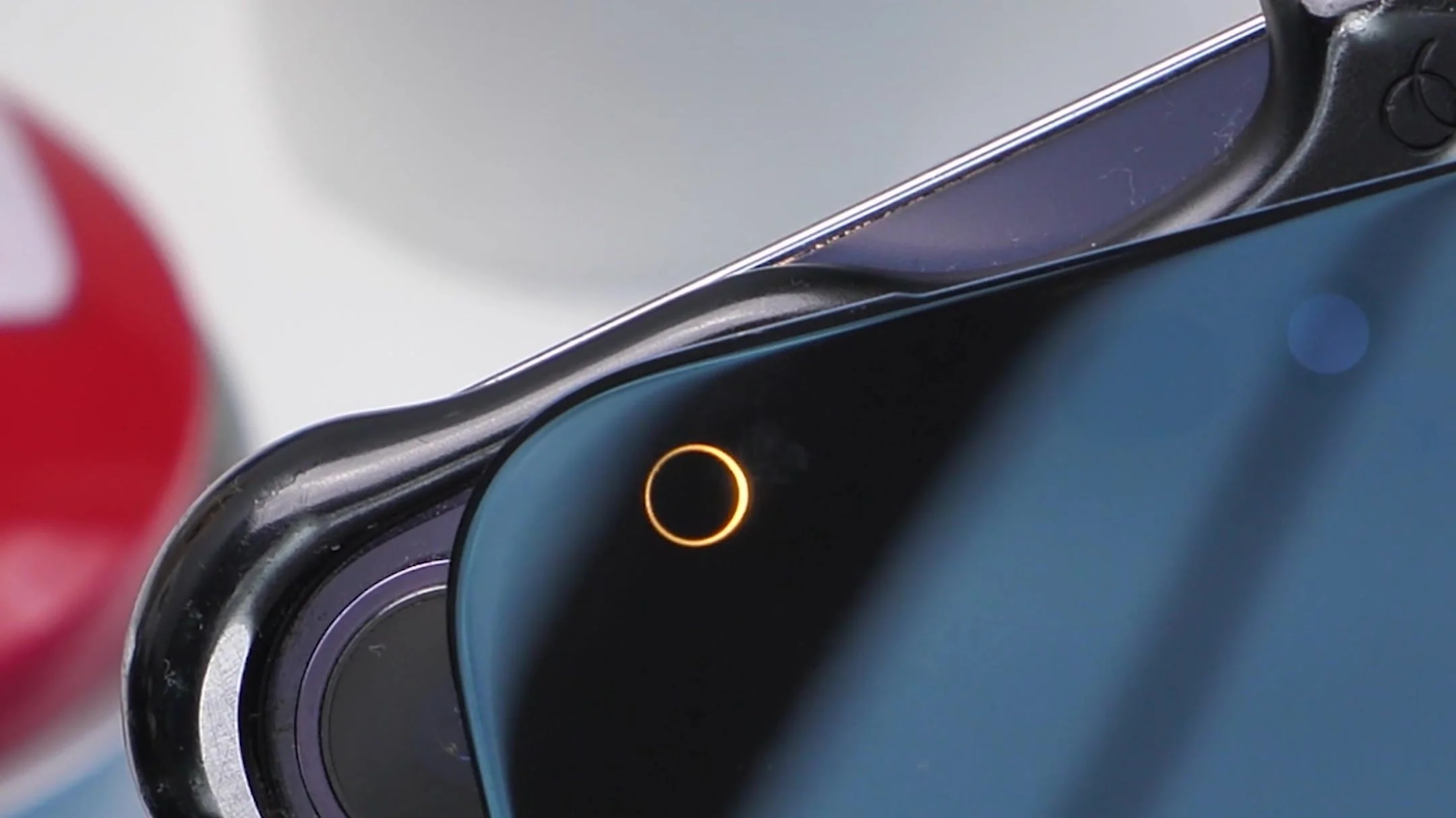
It's a small detail, but it makes the change much easier to understand. What appears to be a cleaner display from the outside is actually the result of a different component arrangement underneath.
And considering how important Face ID is to everyday iPhone use, it's fascinating to see Apple move part of the system so far from its original position while keeping it functional.
Final Thoughts
A smaller Dynamic Island might not sound like a major upgrade on paper, but seeing how Apple achieved it makes the change much more interesting.
It's not just about making a hole smaller. Apple has rearranged part of the Face ID hardware and managed to keep the system working.
Sometimes the most interesting changes to a phone are the ones you can't see until you take it apart.
