
Google’s New Pixel Light Is Hiding Something…
This is the Google Pixel 11 Pro, and I was actually a little upset to tear it down. It costs more than the Pixel 10 Pro, yet some of its specifications are worse than last year. That combination of higher prices and smaller upgrades is something we will probably continue seeing from phone manufacturers.
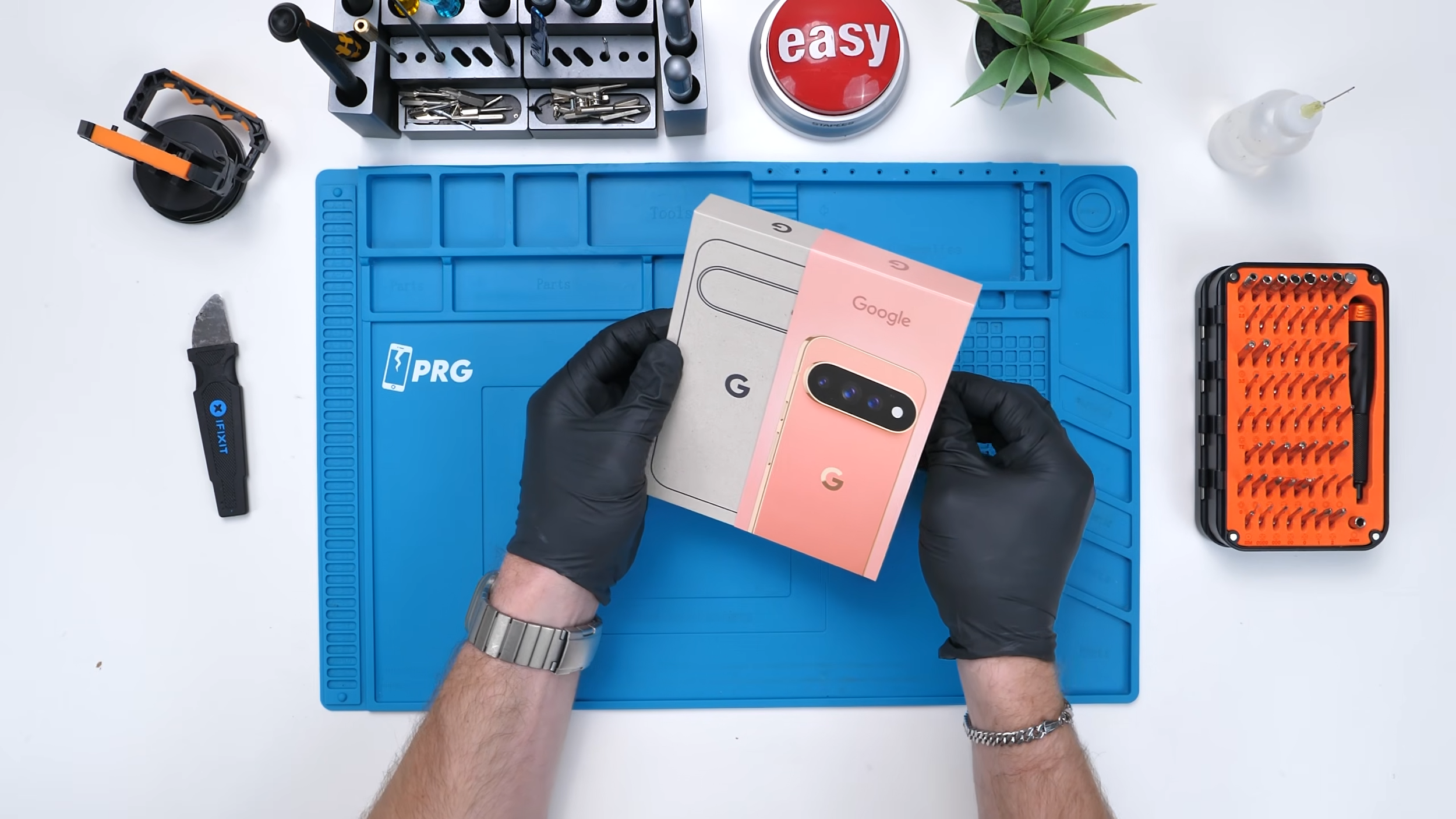
But Google did add one feature I wanted to see from the inside. The temperature sensor found on the last few Pixel generations is gone. In its place is Hilight, a small light that activates during phone calls when the phone is face down or while using Gemini.
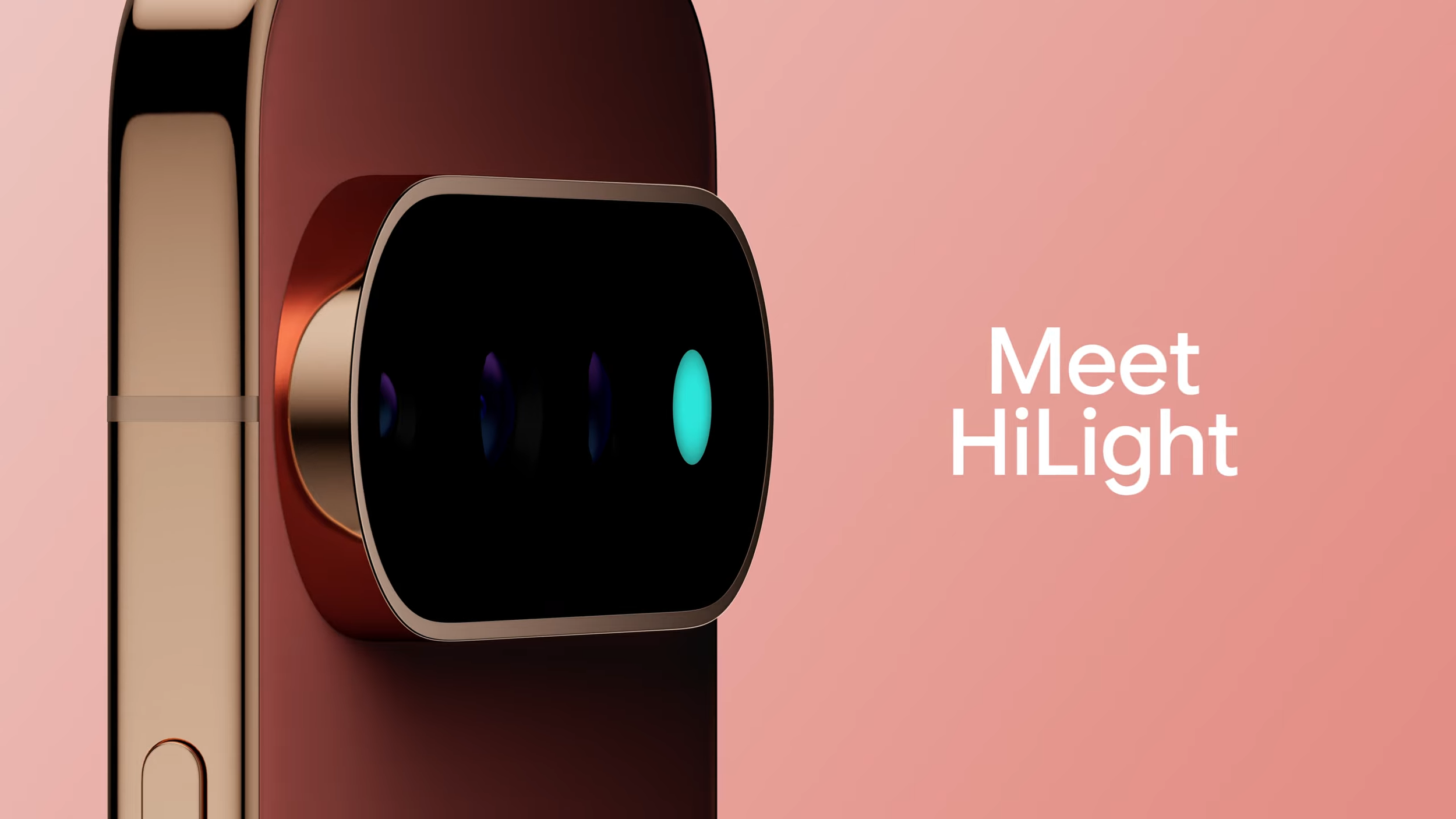
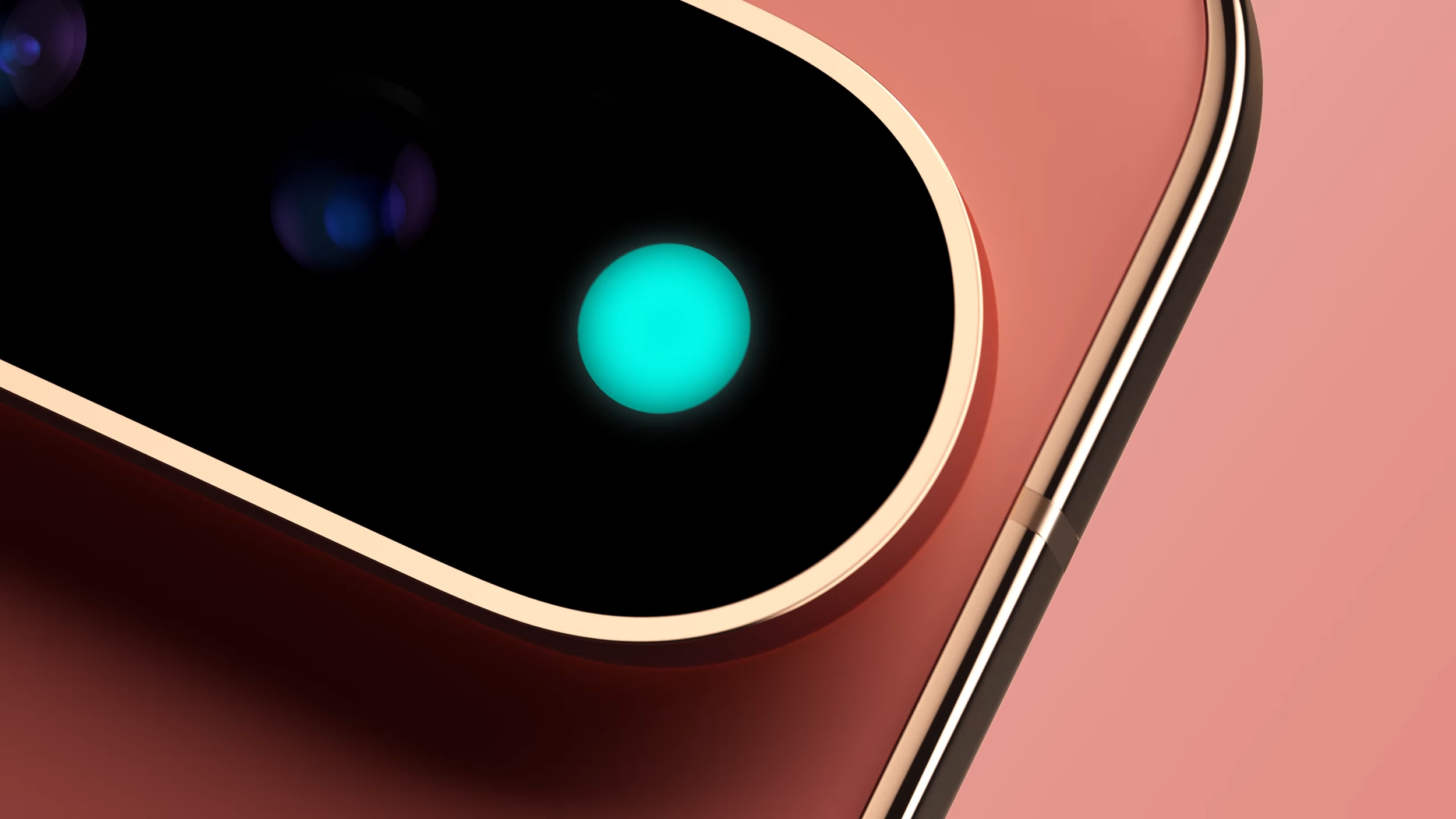
Somehow, Google integrated it into the same circle as the camera flash. The stranger part is that users can only choose between five colors, which raised an obvious question: what is actually hiding underneath it?
Opening the Pixel 11 Pro
The phone came in Google’s new Canyon color. It is bold, and while I do not love it, I do not completely hate it either. The teardown starts with the 6.3-inch Super Actua LTPO OLED display. It is the same size as last year’s, but peak brightness has increased to 3,600 nits.
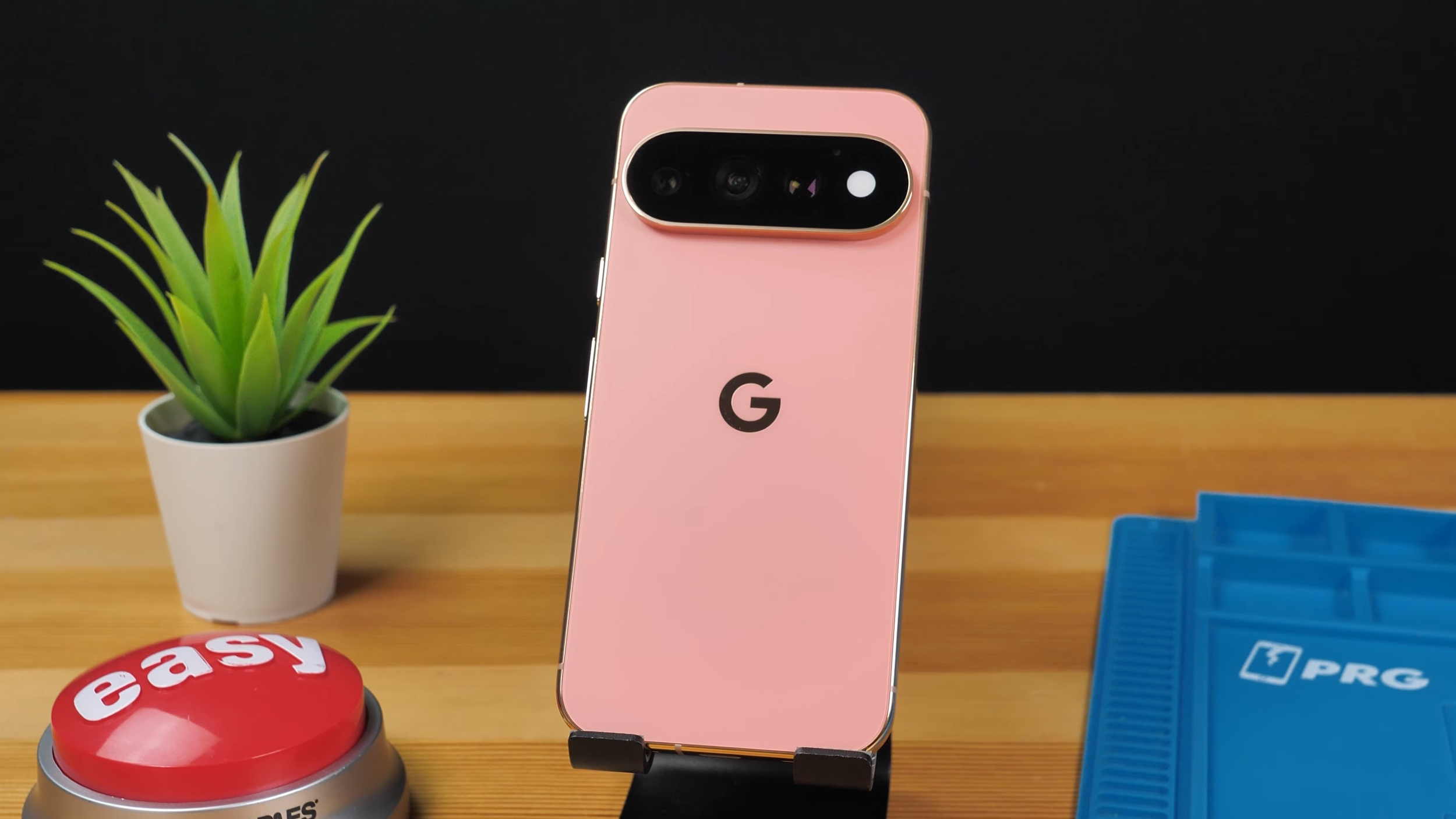
Google also added an anti-scratch shield over the Gorilla Glass Victus 2. According to the company, it gives the Pro display more than twice the scratch resistance of the previous generation.
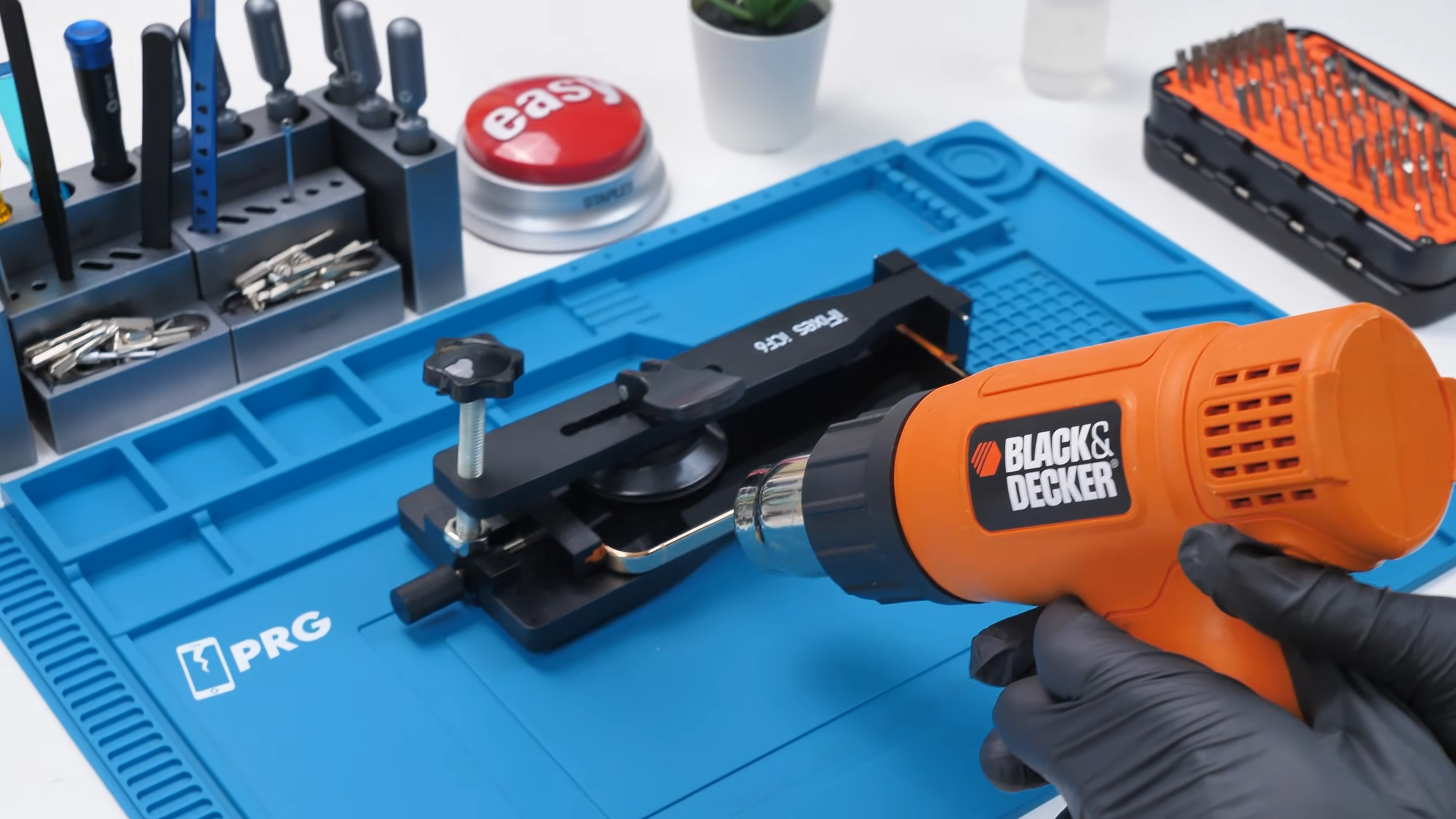
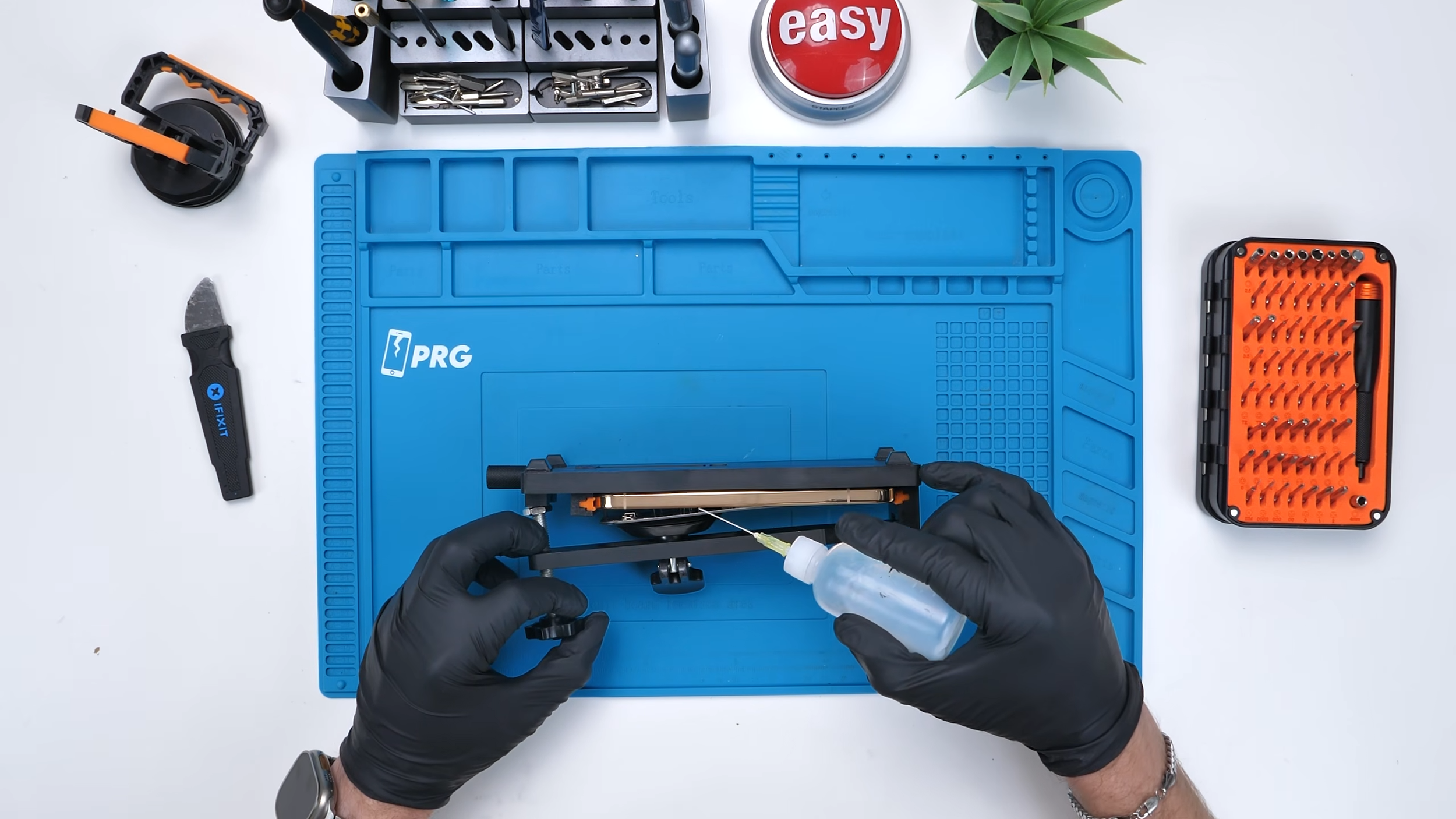
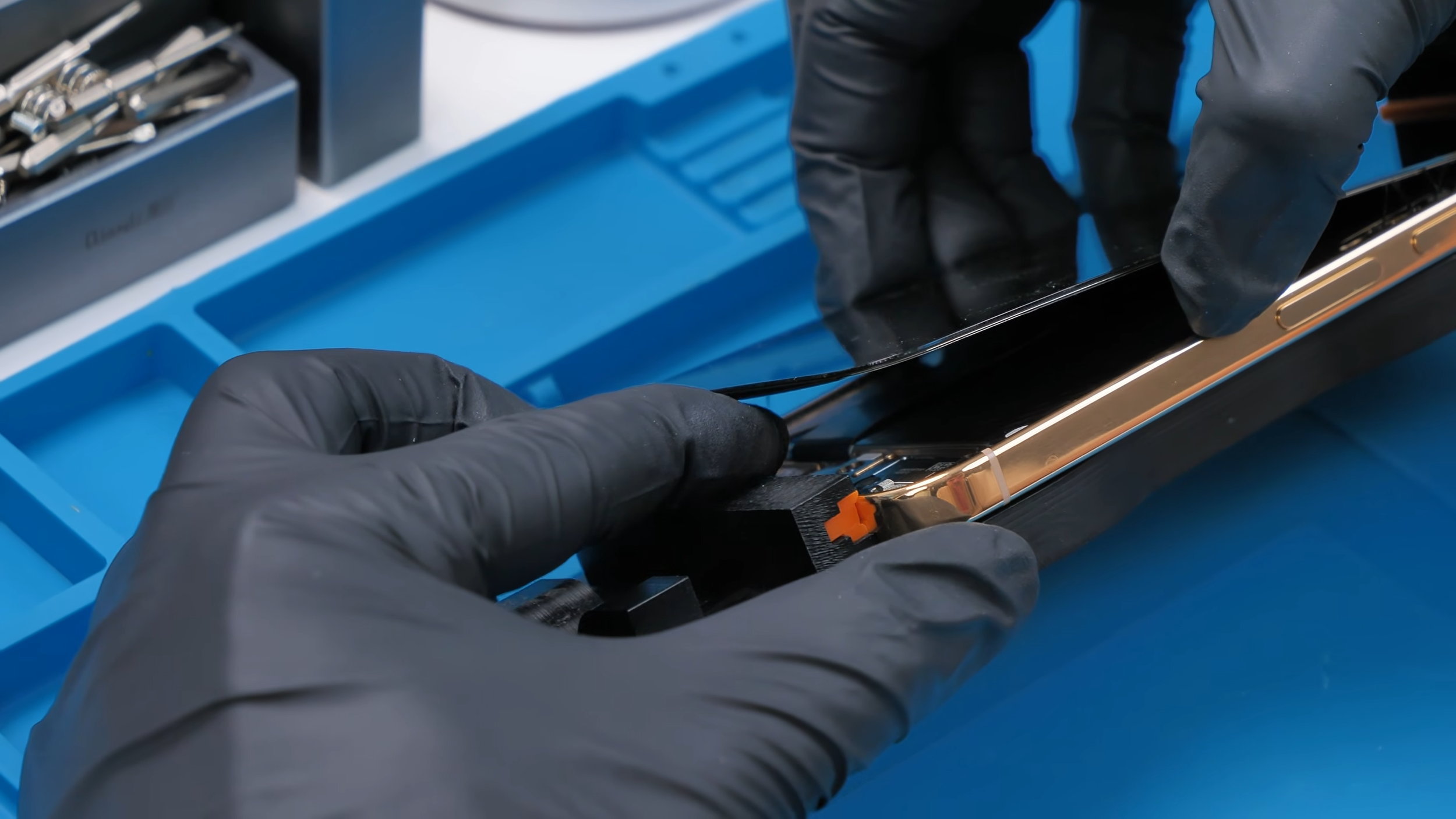
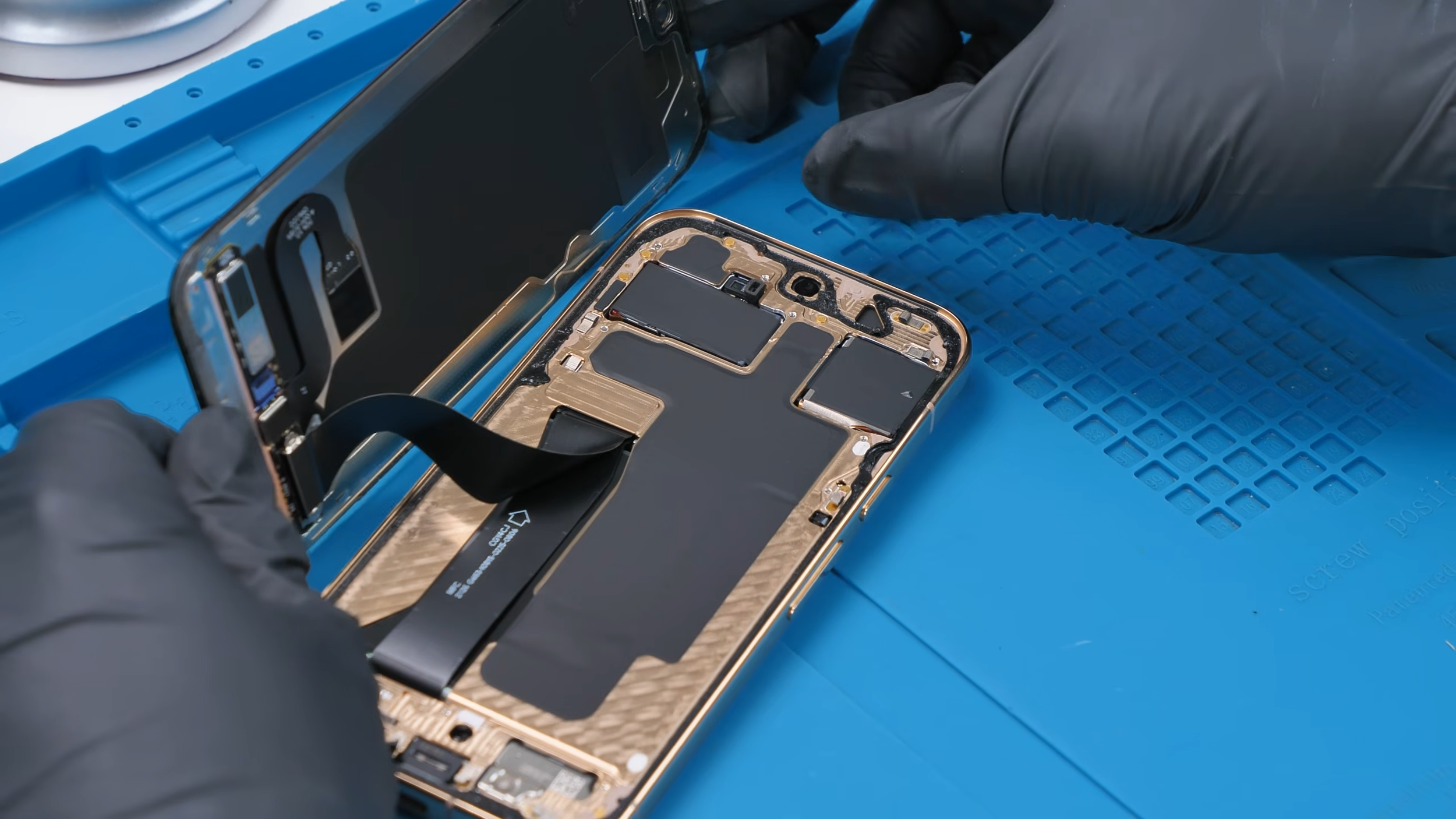
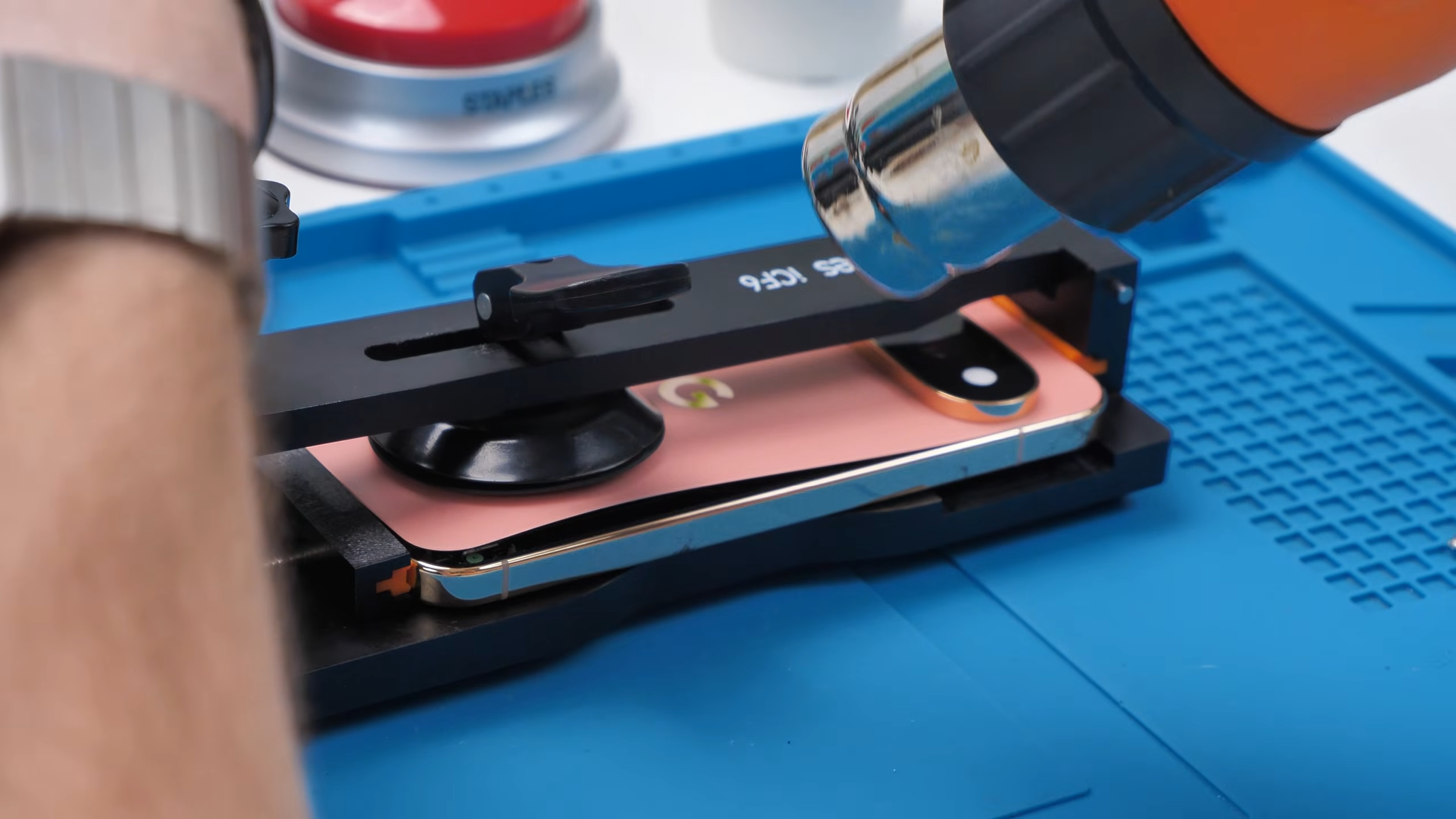
After heating the phone, the screen lifted away from the frame and disconnected without much trouble. There are no screws holding the display itself in place, making this one of the easiest screen replacements on an Android phone.
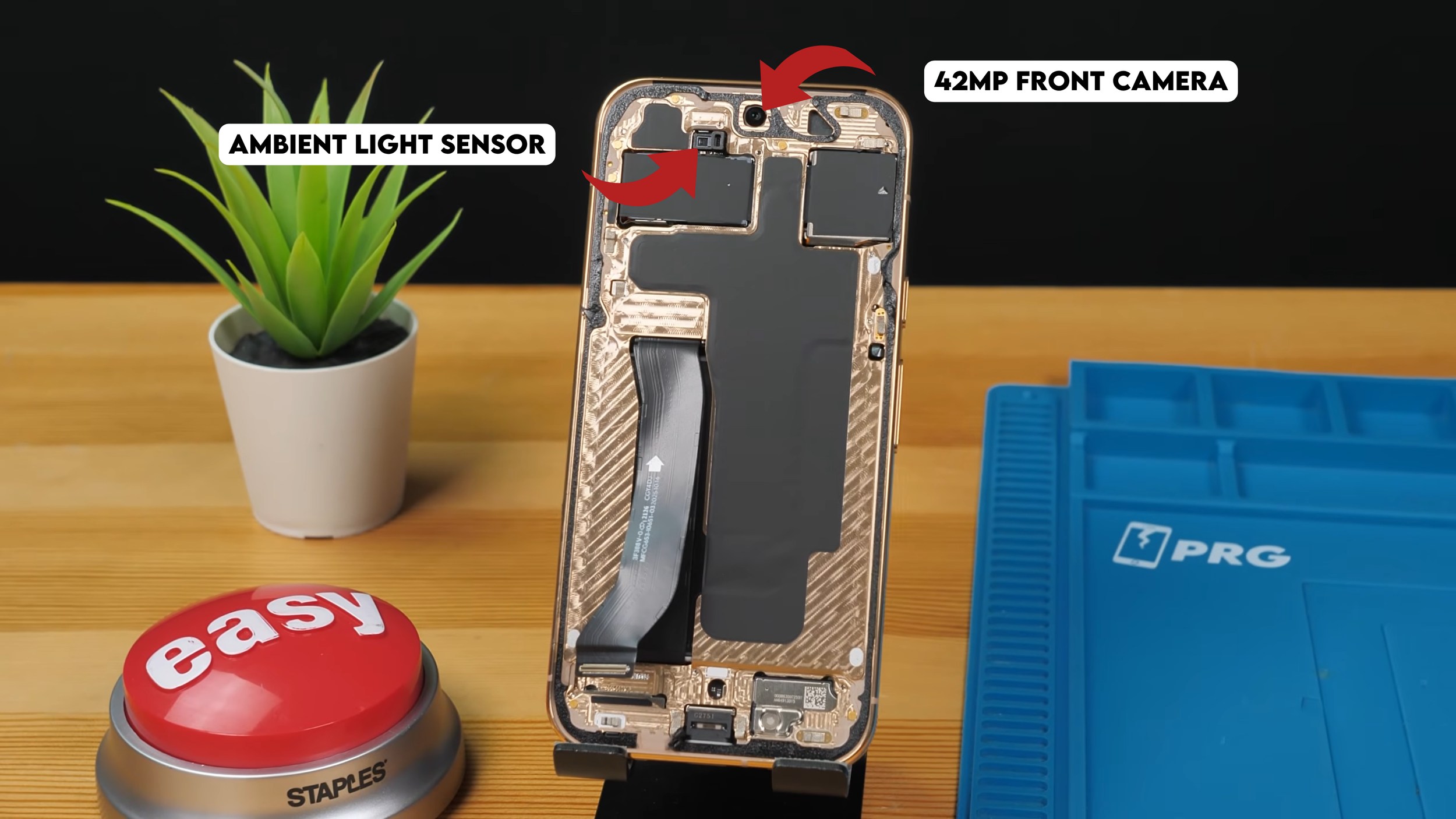
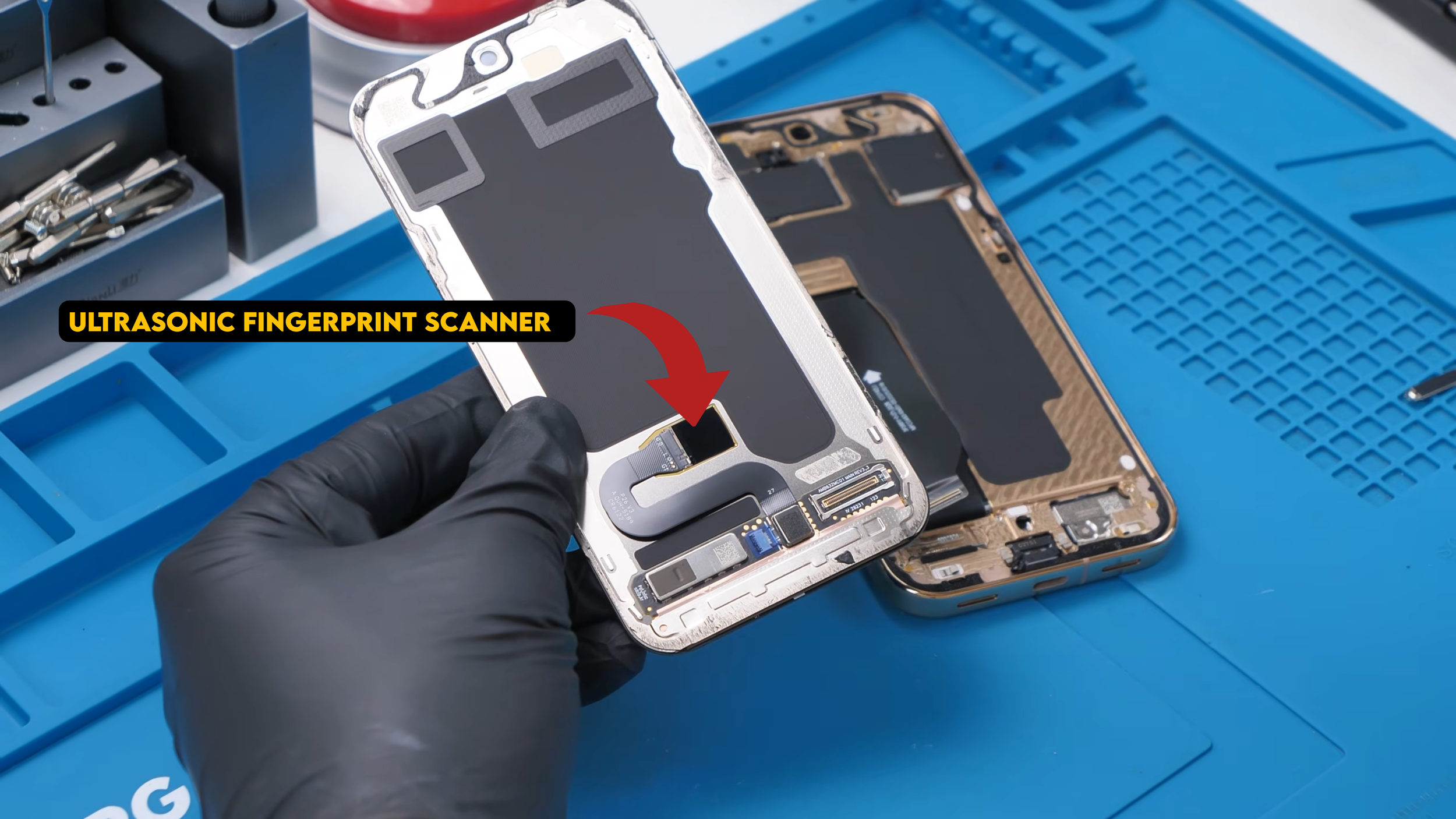
The display carries the ultrasonic fingerprint scanner, while the frame houses the ambient light sensor and the same 42MP front camera used in the Pixel 10 Pro.
Google Makes Repairs Easier to Follow
The Gorilla Glass Victus 2 back panel also came off fairly easily, revealing a collection of bright green screws.
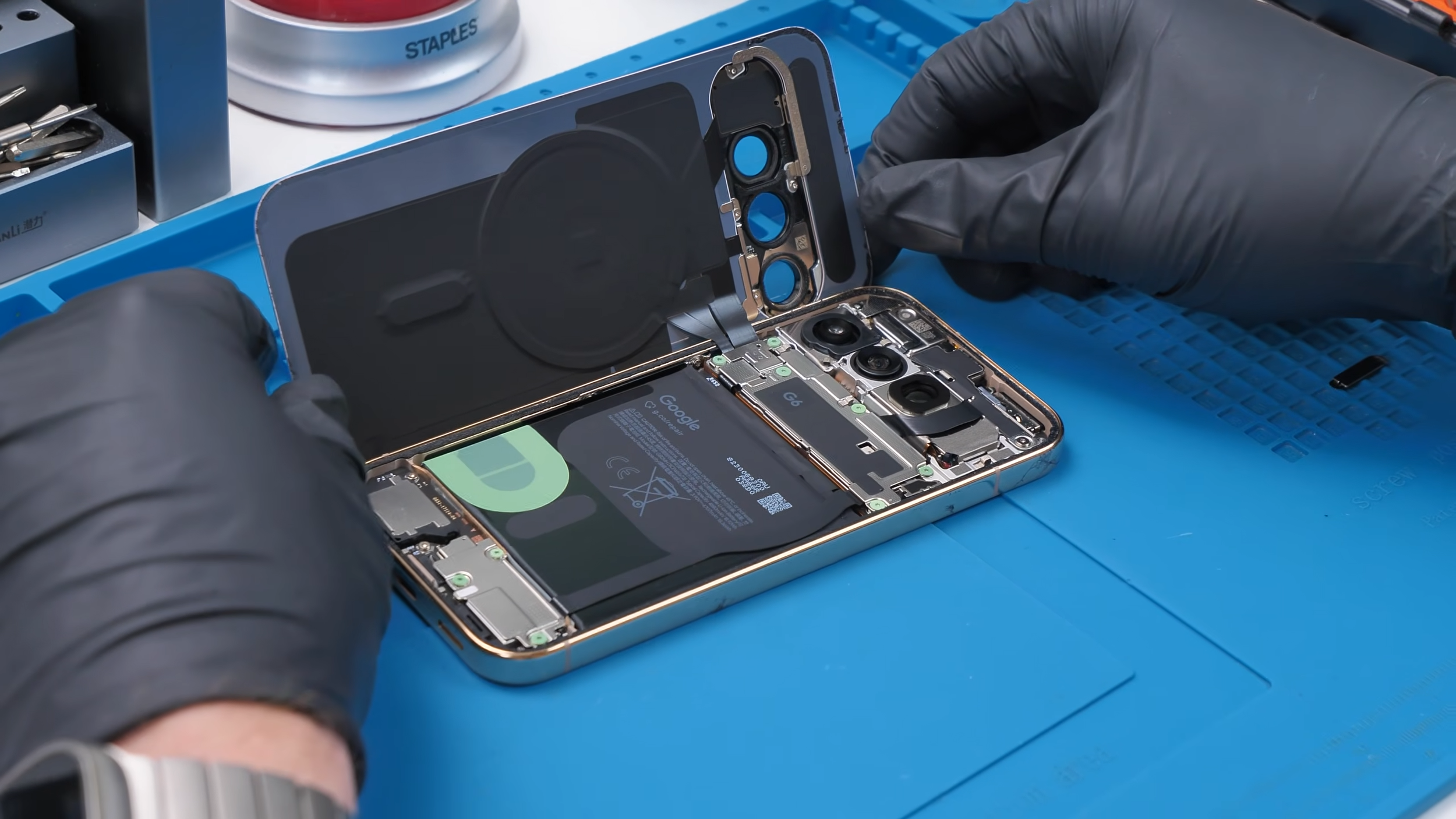
Google added these to show which screws need to be removed during common repairs. The screws around the phone are different sizes, so this simple color coding makes the process much easier to follow.
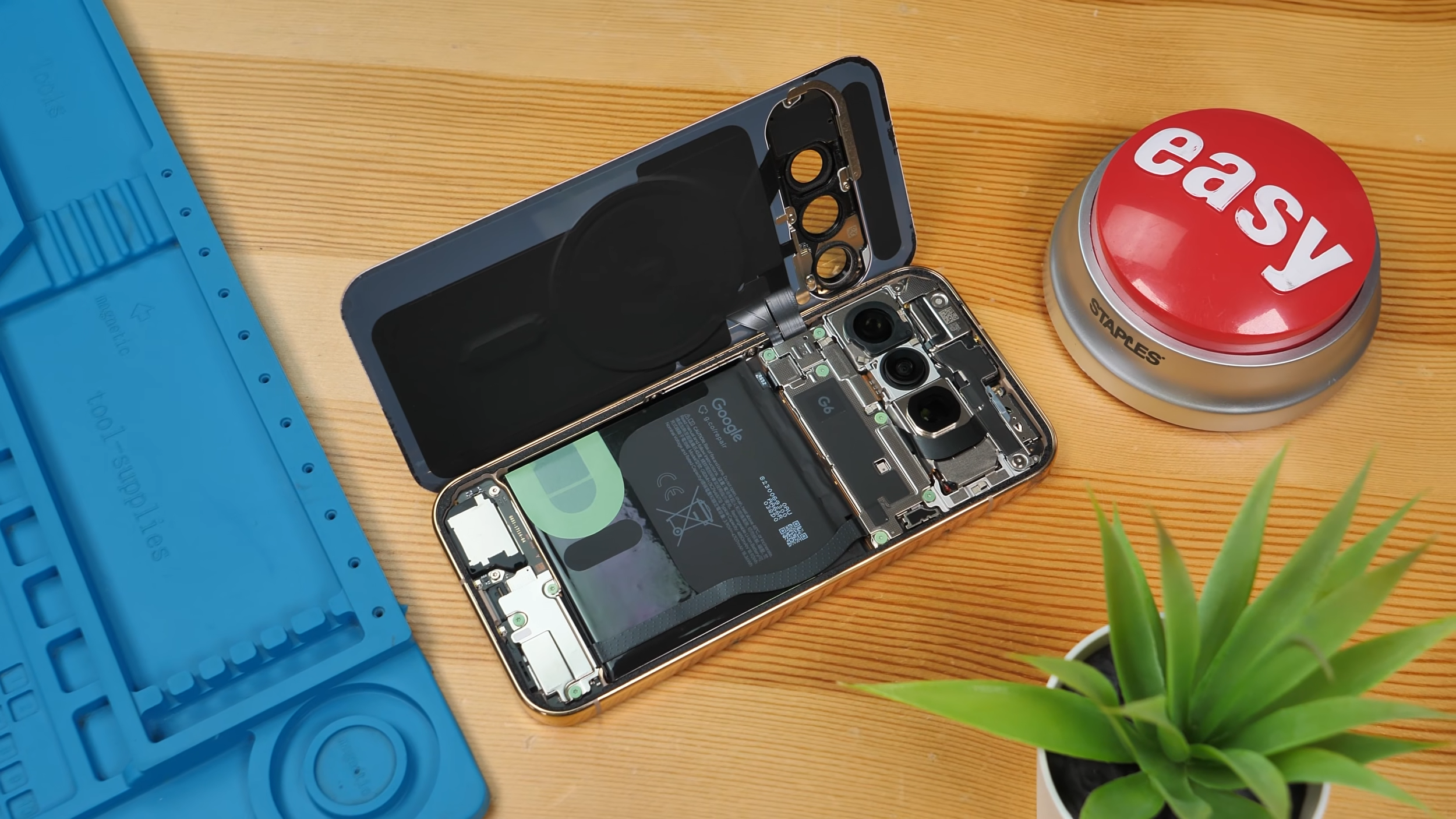
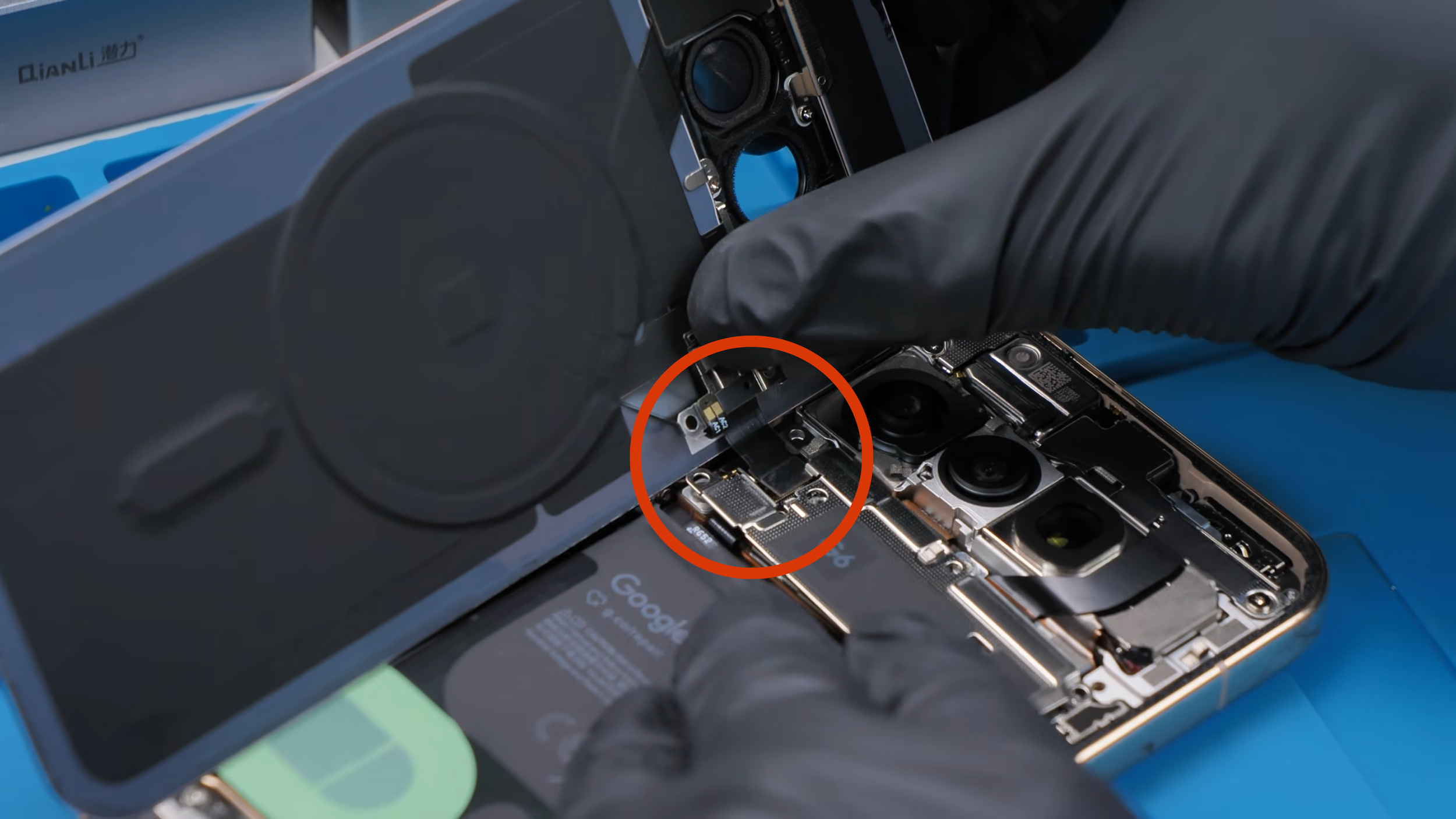
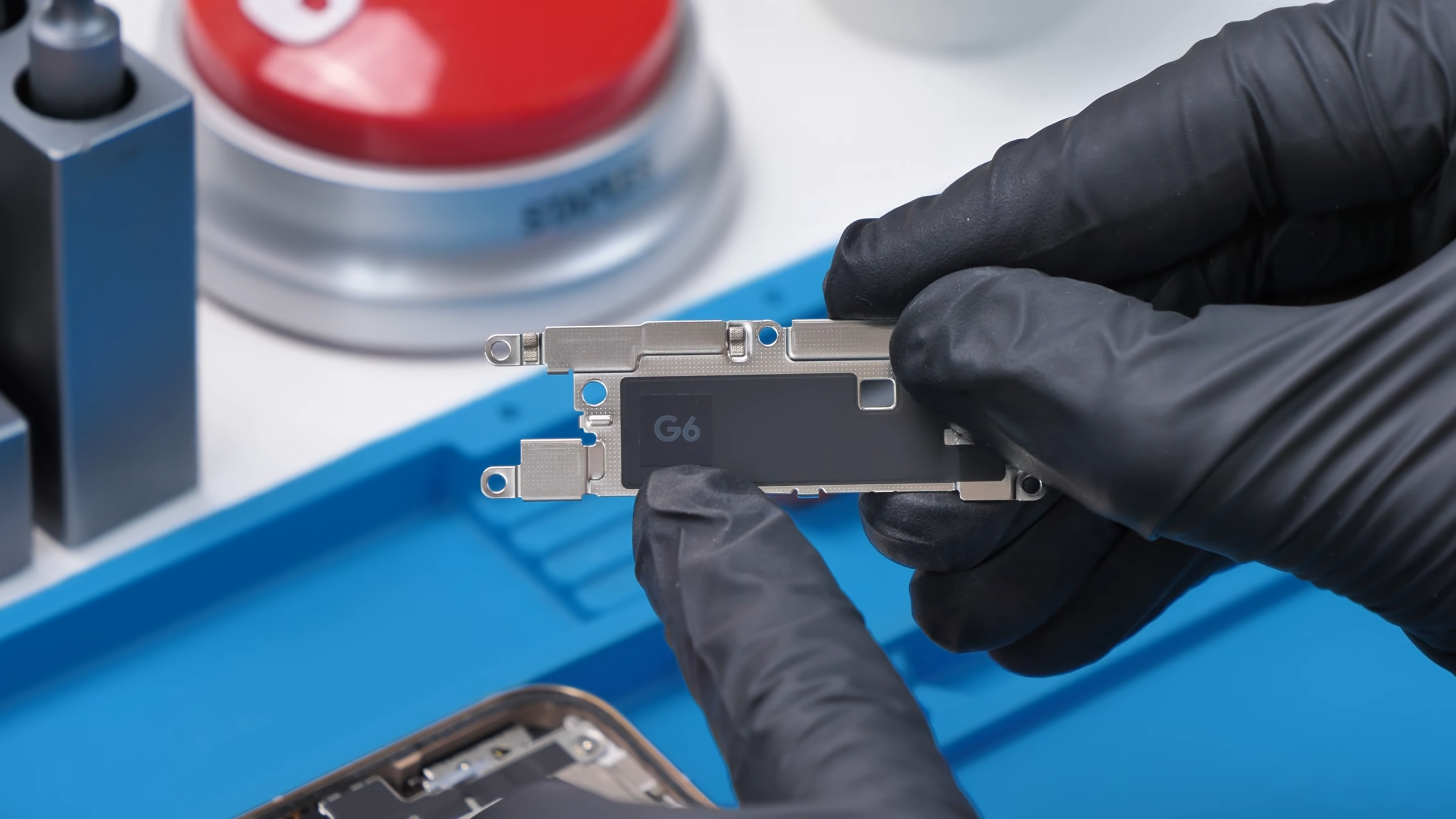
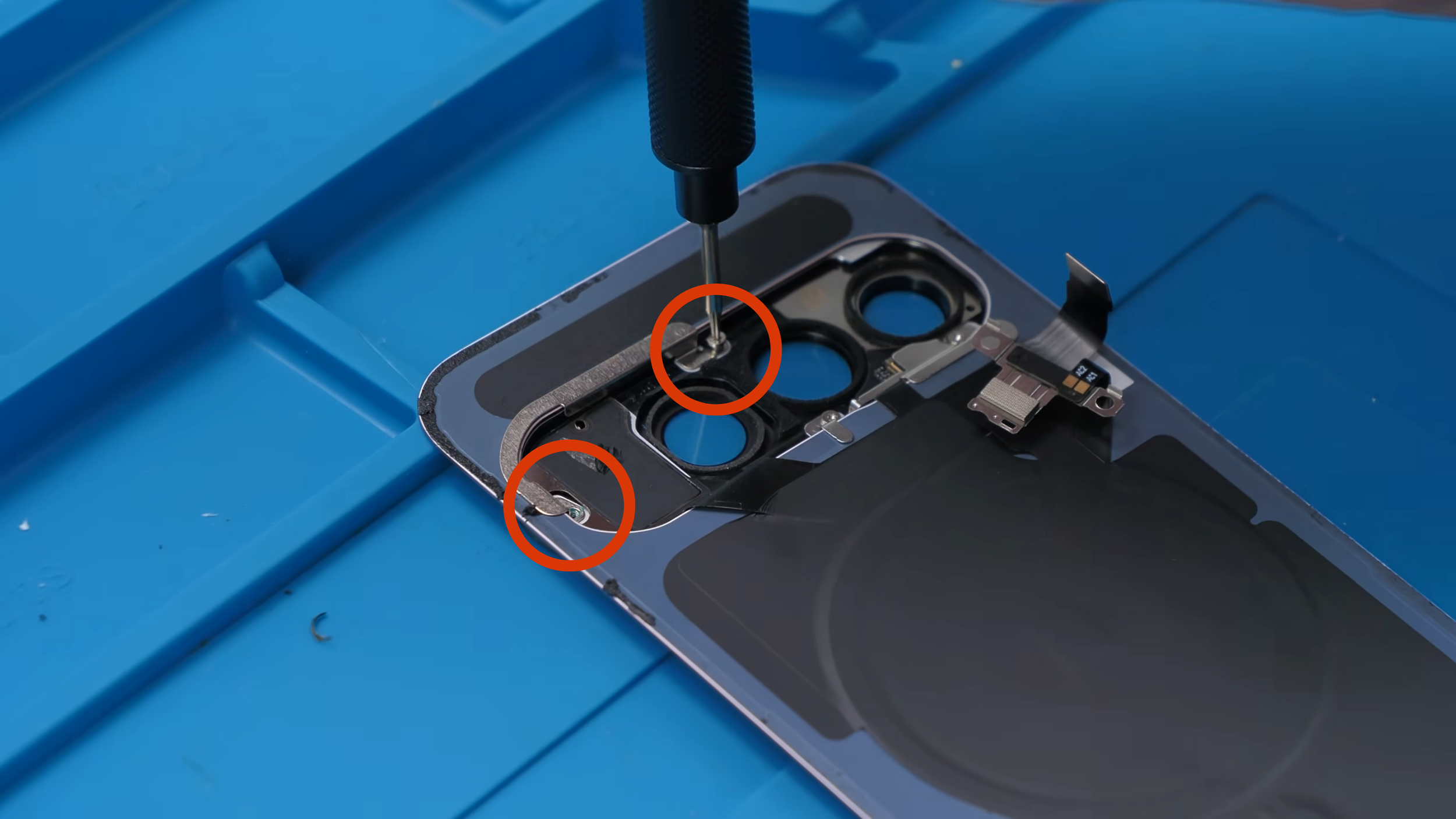
Under the upper plate, the back glass connects through a flex cable and two additional contact pads. They looked like they could be related to Hilight, but I left that question for later. After removing another metal cover marked with a small G6 logo, we could disconnect the battery and move down to the charging port.
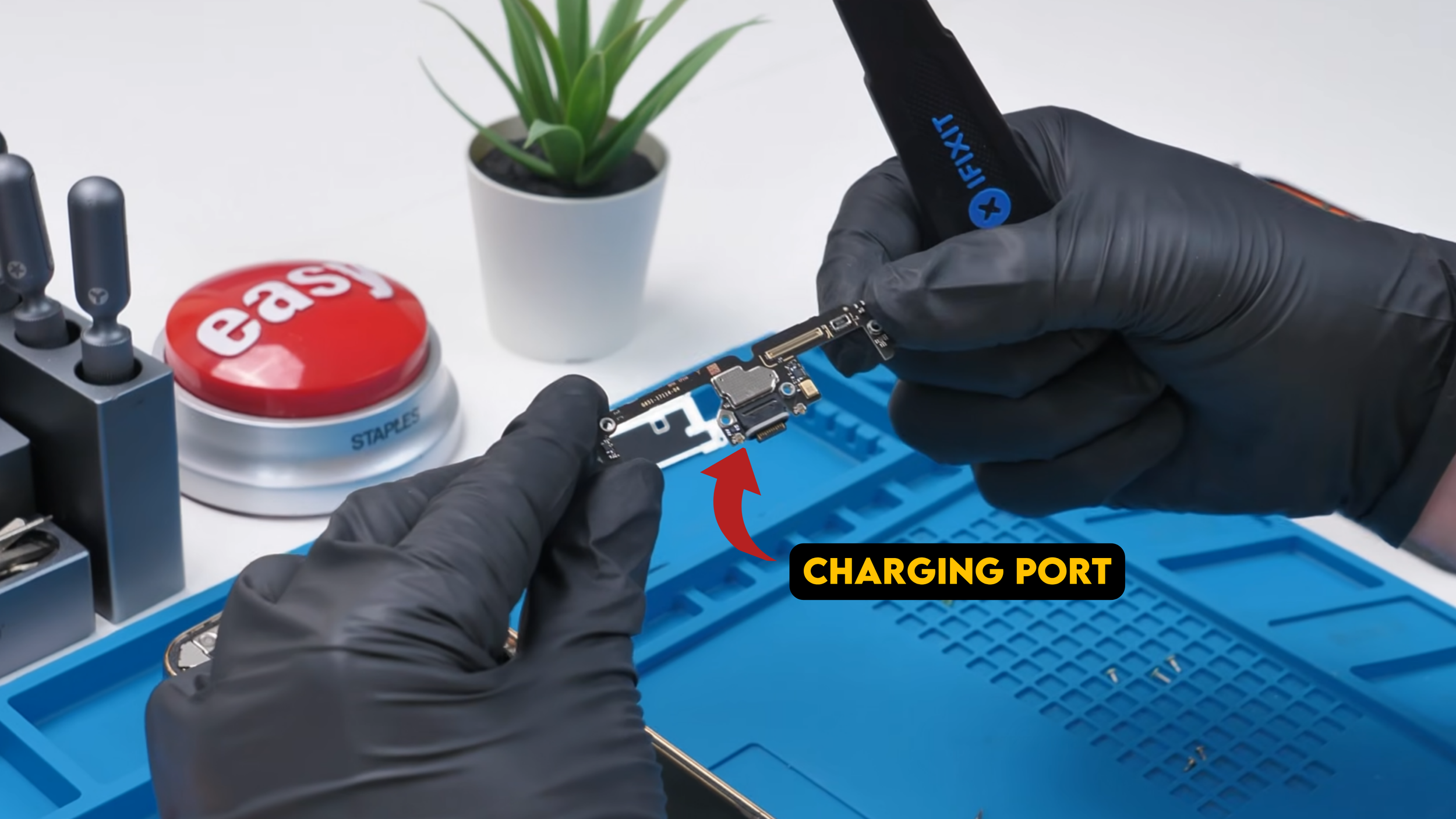
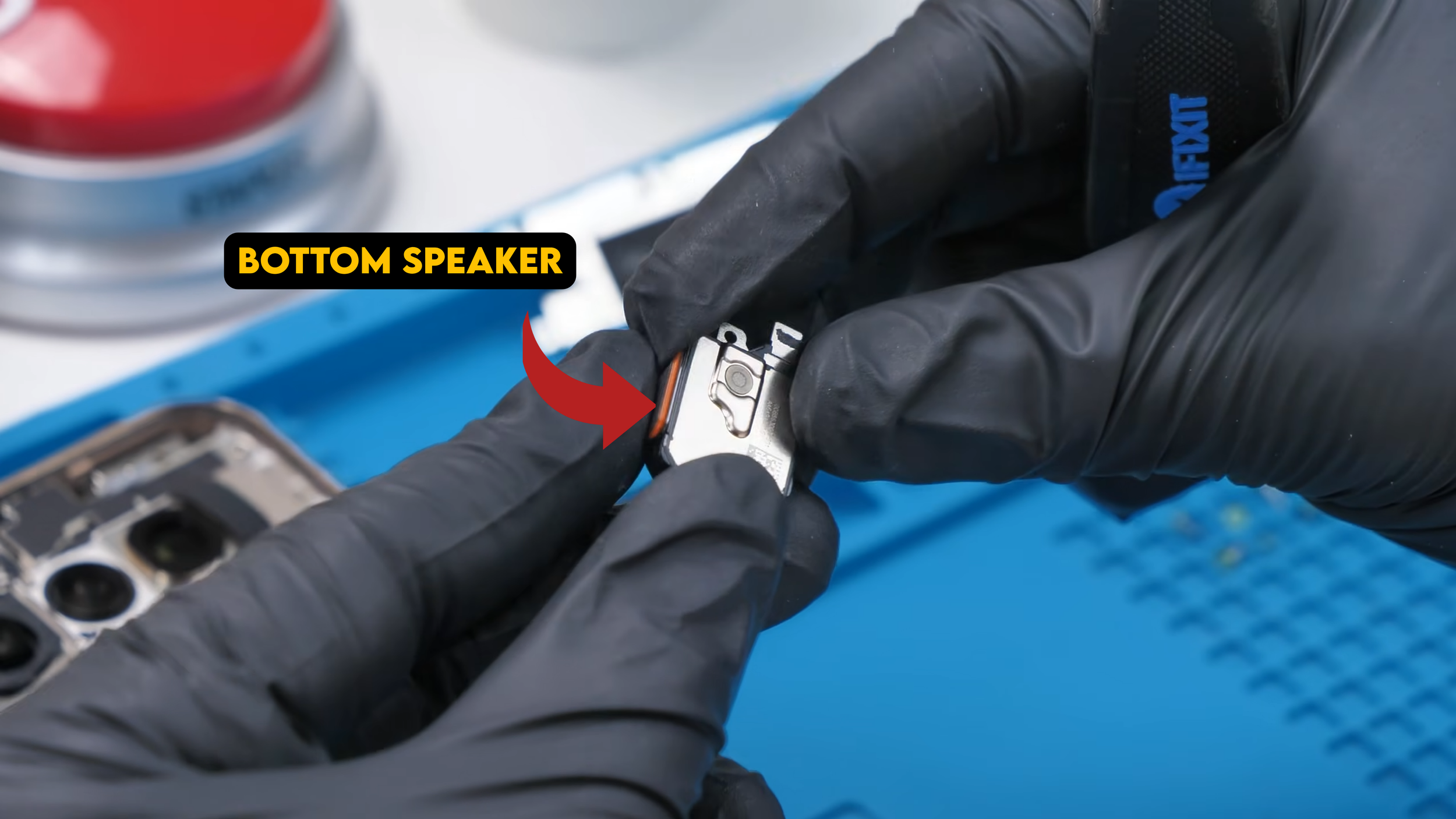
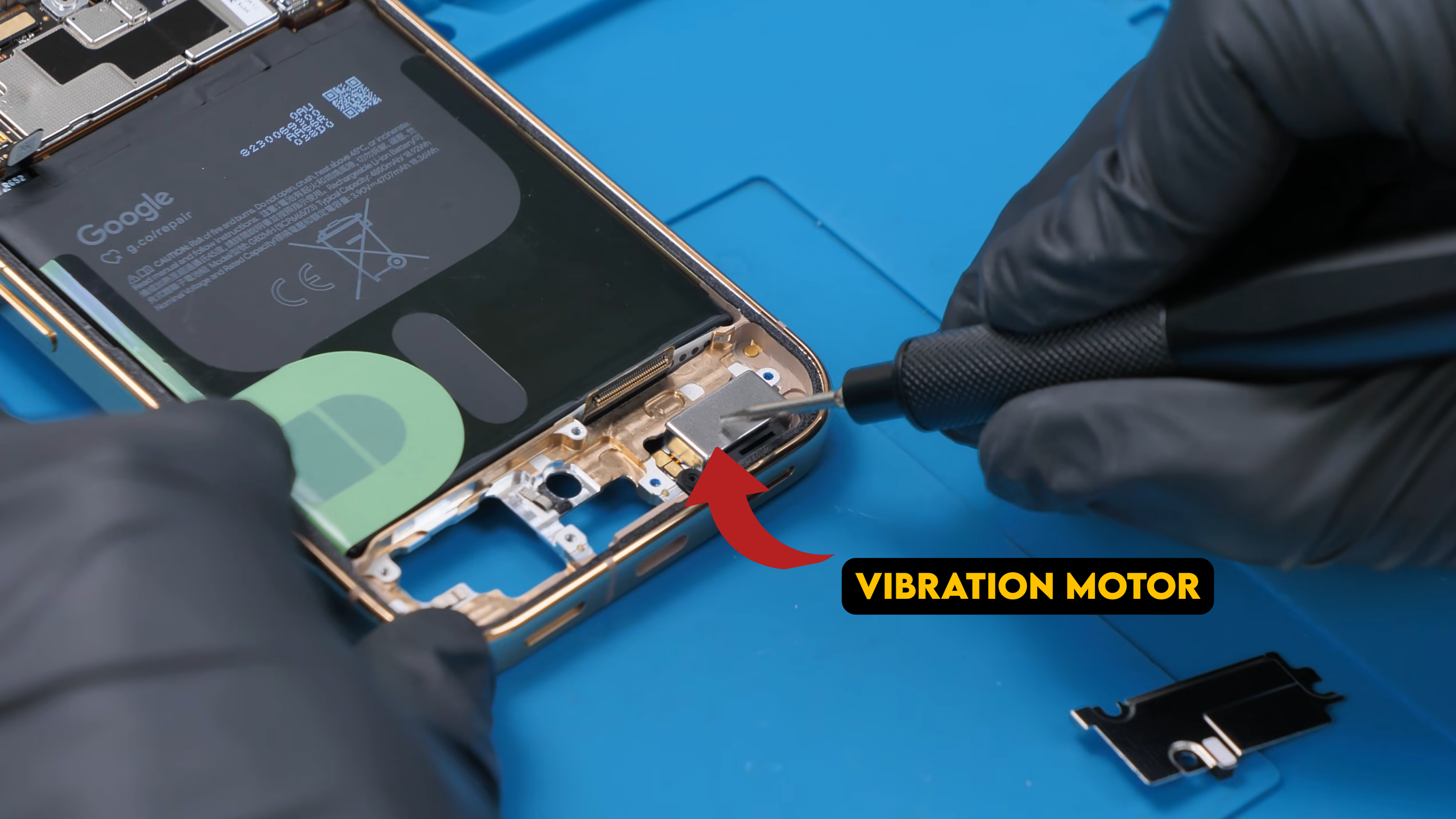
The Pixel 11 Pro still charges at 30W, although Google added an Extreme Charging mode that allows it to maintain higher charging power before thermal limits bring the speed back down.
A Smaller Battery and Familiar Cameras
Despite the higher price, the battery is 20mAh smaller than the one inside the Pixel 10 Pro.
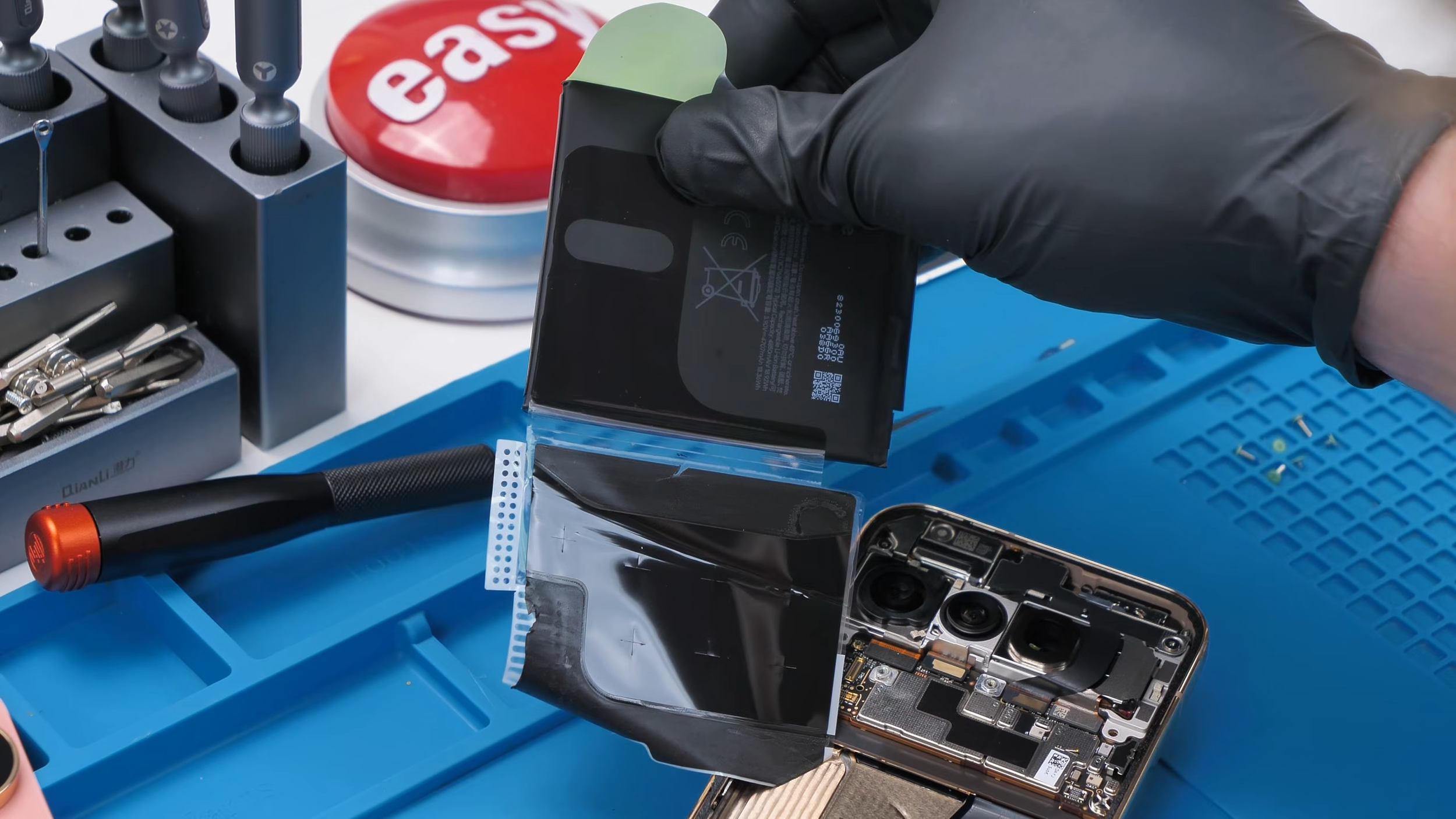
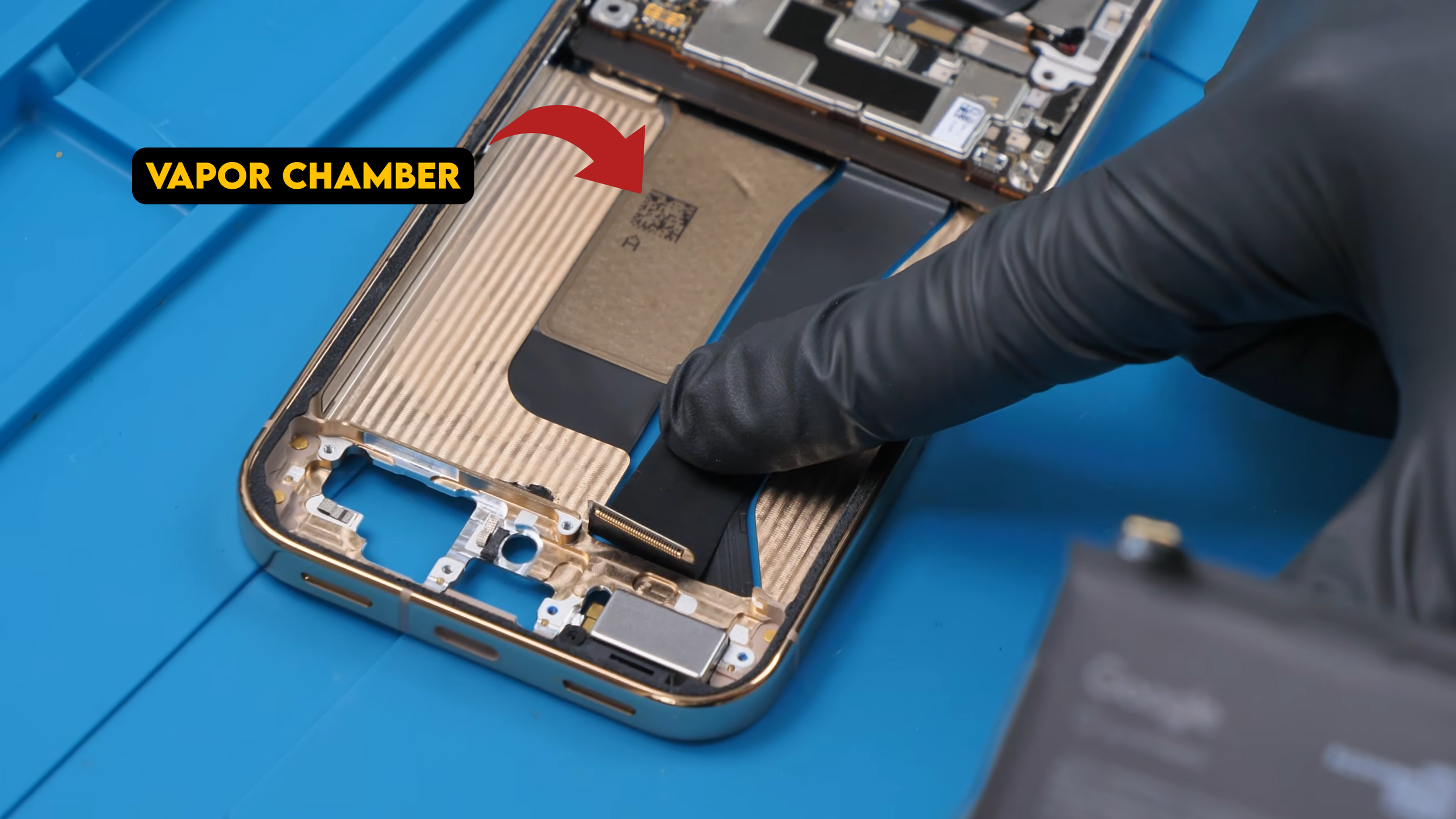
Google continues to use pull tabs, and this time the battery came out without much trouble. However, a flex cable and part of the vapor chamber sit directly underneath it, so the removal still feels riskier than it needs to be.
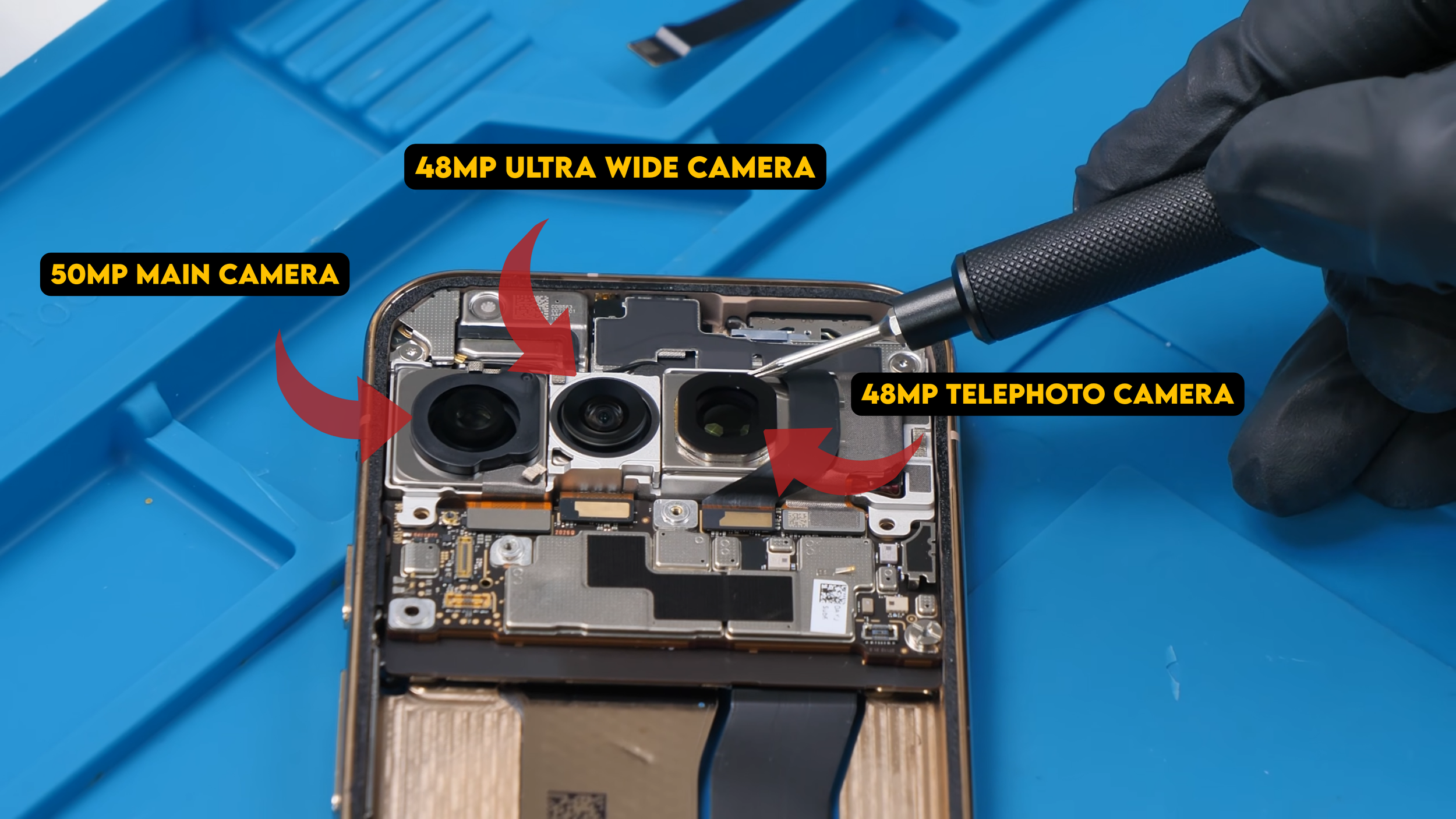
The camera system includes a 50MP main camera, a 48MP ultrawide and a 48MP telephoto with 5x optical zoom. Google advertises up to 120x zoom compared to 100x on the Pixel 10 Pro, but that does not mean the phone has 120x optical zoom. Most of that range comes from software, AI and computational photography.
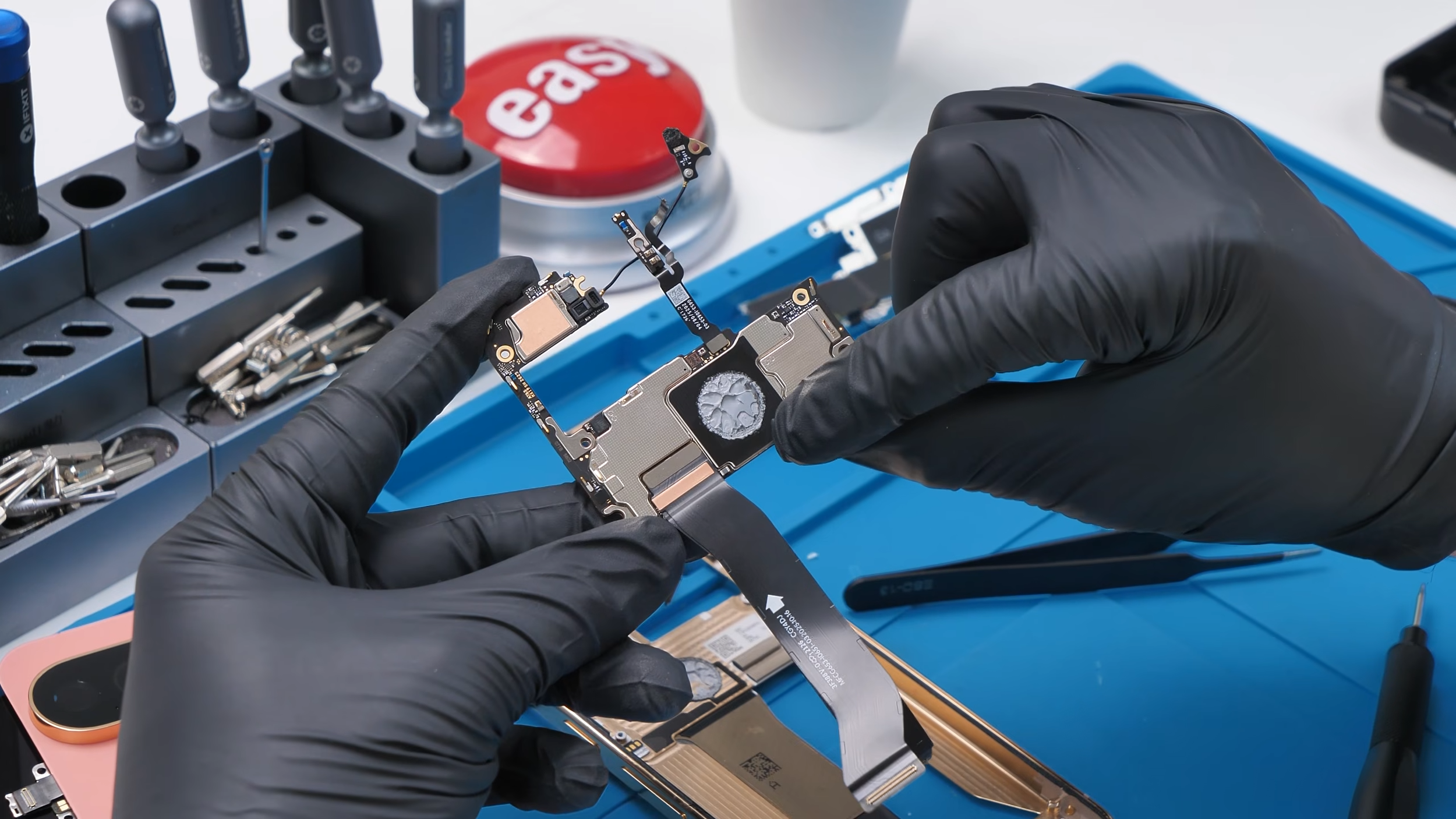
The phone remains fairly easy to repair until you reach the motherboard. Several layers need to come out before the board can be removed. Thermal paste on the housing lines up with the vapor chamber and reveals where the Tensor G6 chip sits.
Testing the Mystery Contacts
Once the main teardown was complete, I put the phone back together but left the two contact pads on the back glass disconnected. The phone powered on, but wireless charging did nothing. As soon as the contacts were reconnected, charging worked.
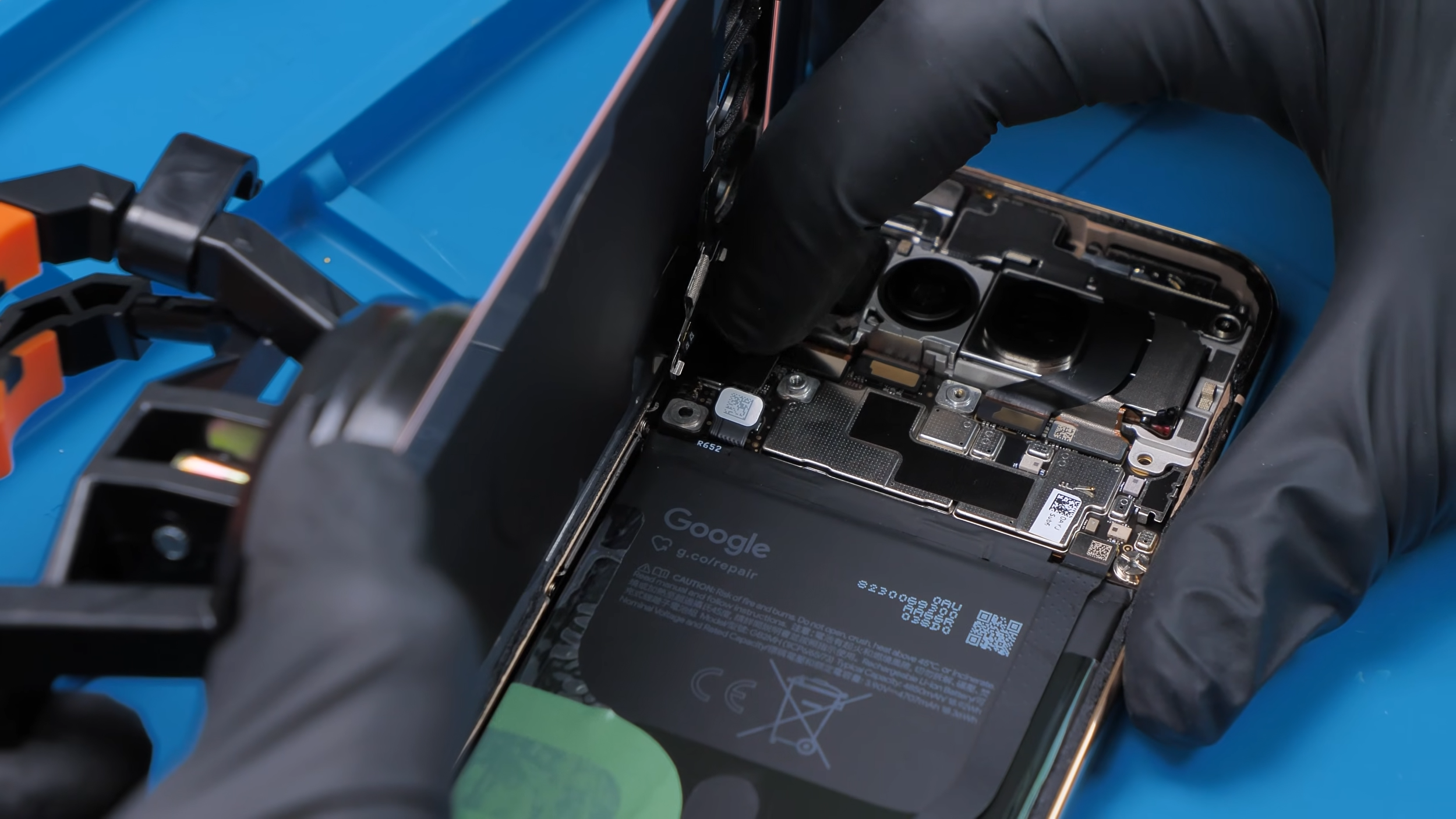
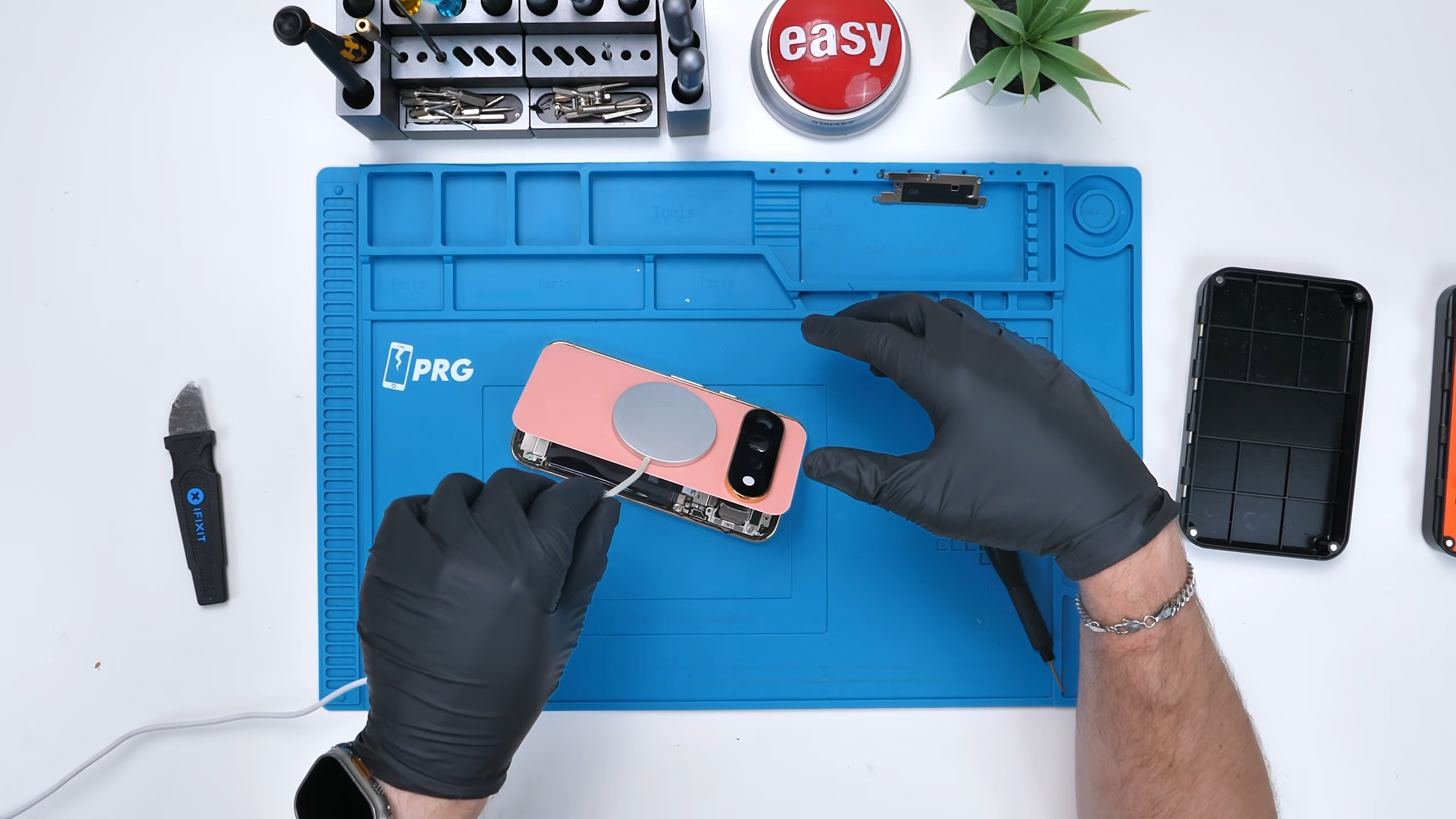
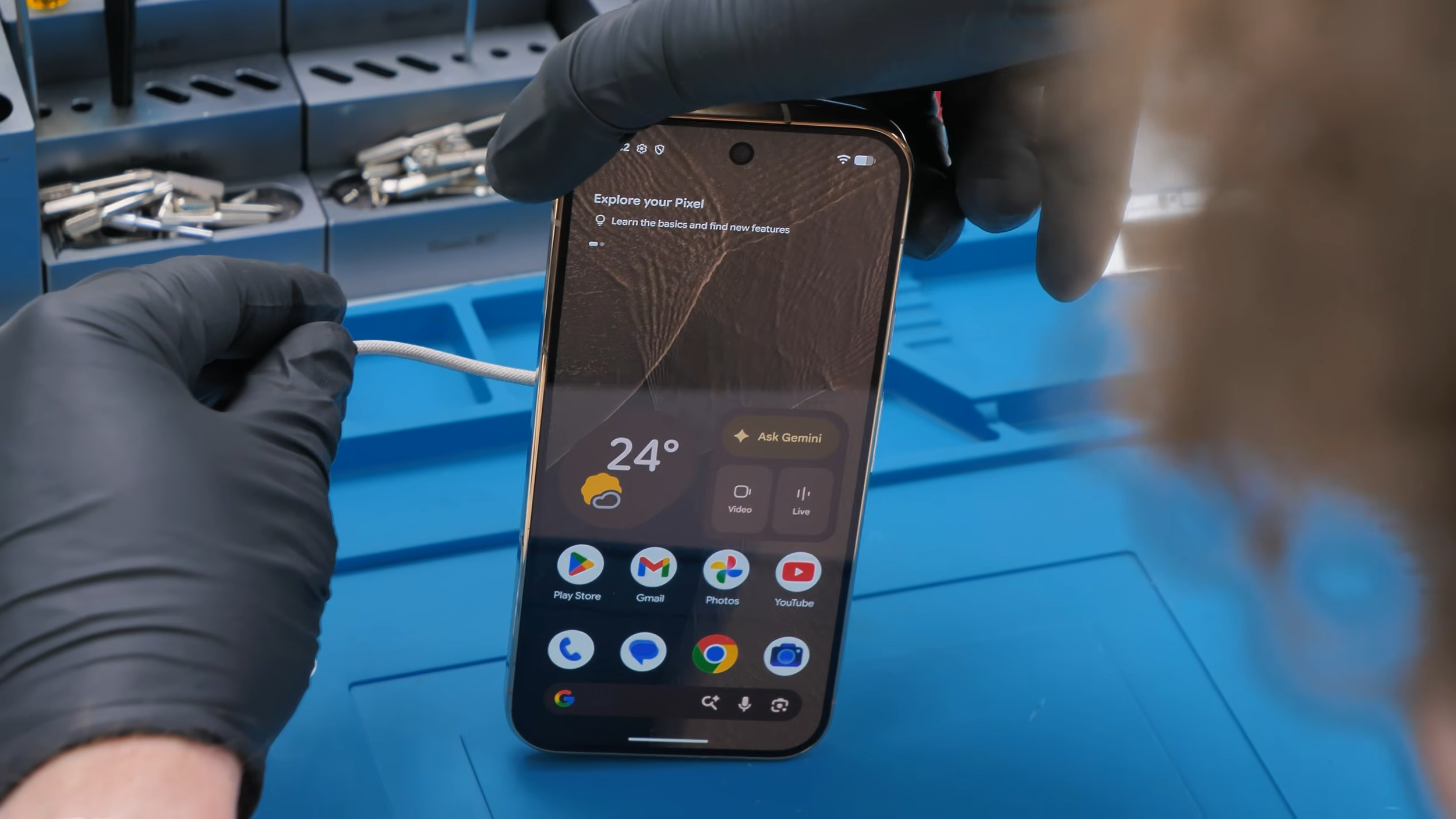
Those two pads simply connect the Pixelsnap wireless charging hardware in the back glass to the motherboard. They had nothing to do with Hilight.
To solve that mystery, the light itself had to come apart.
What Is Inside Hilight?
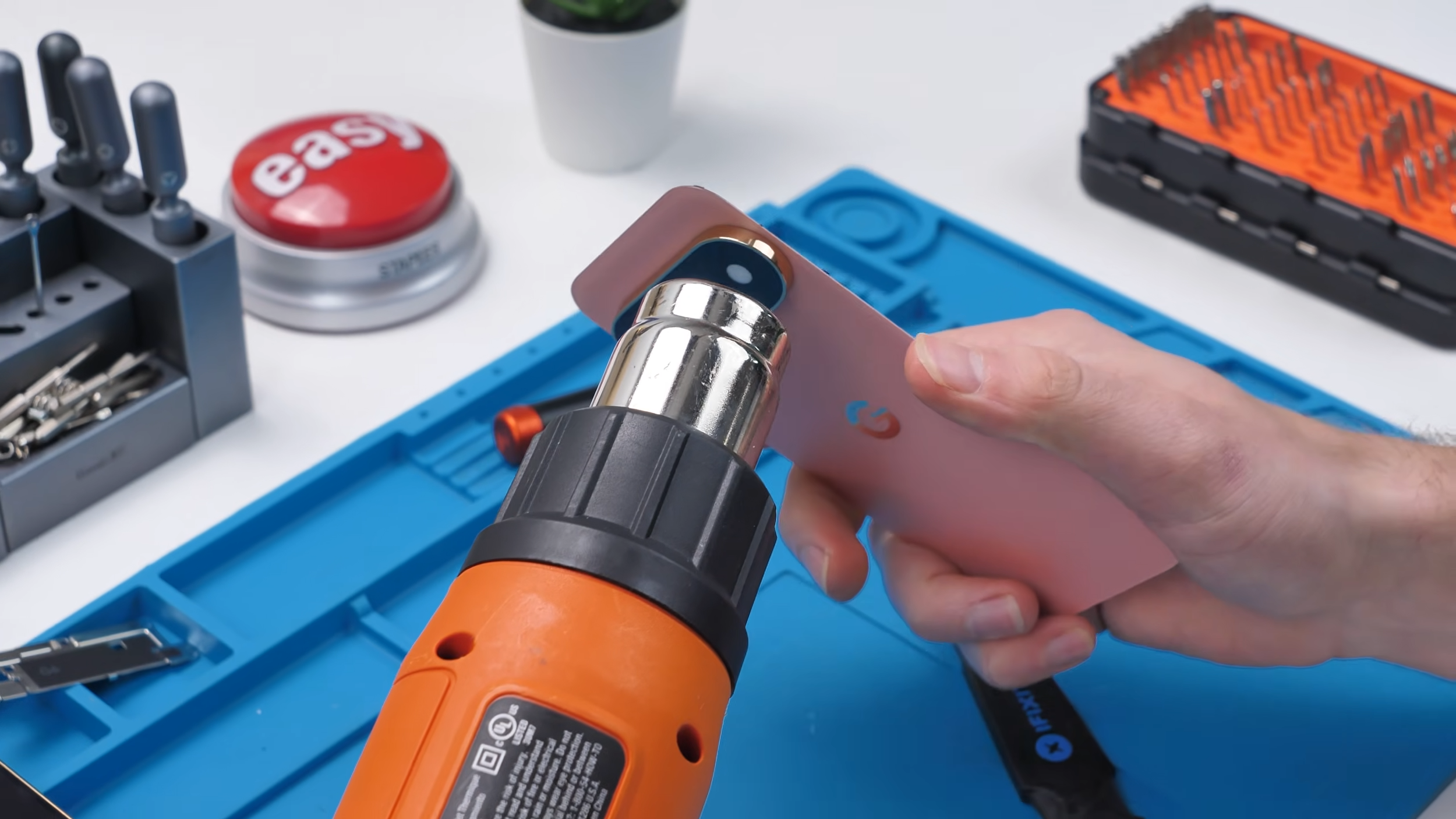
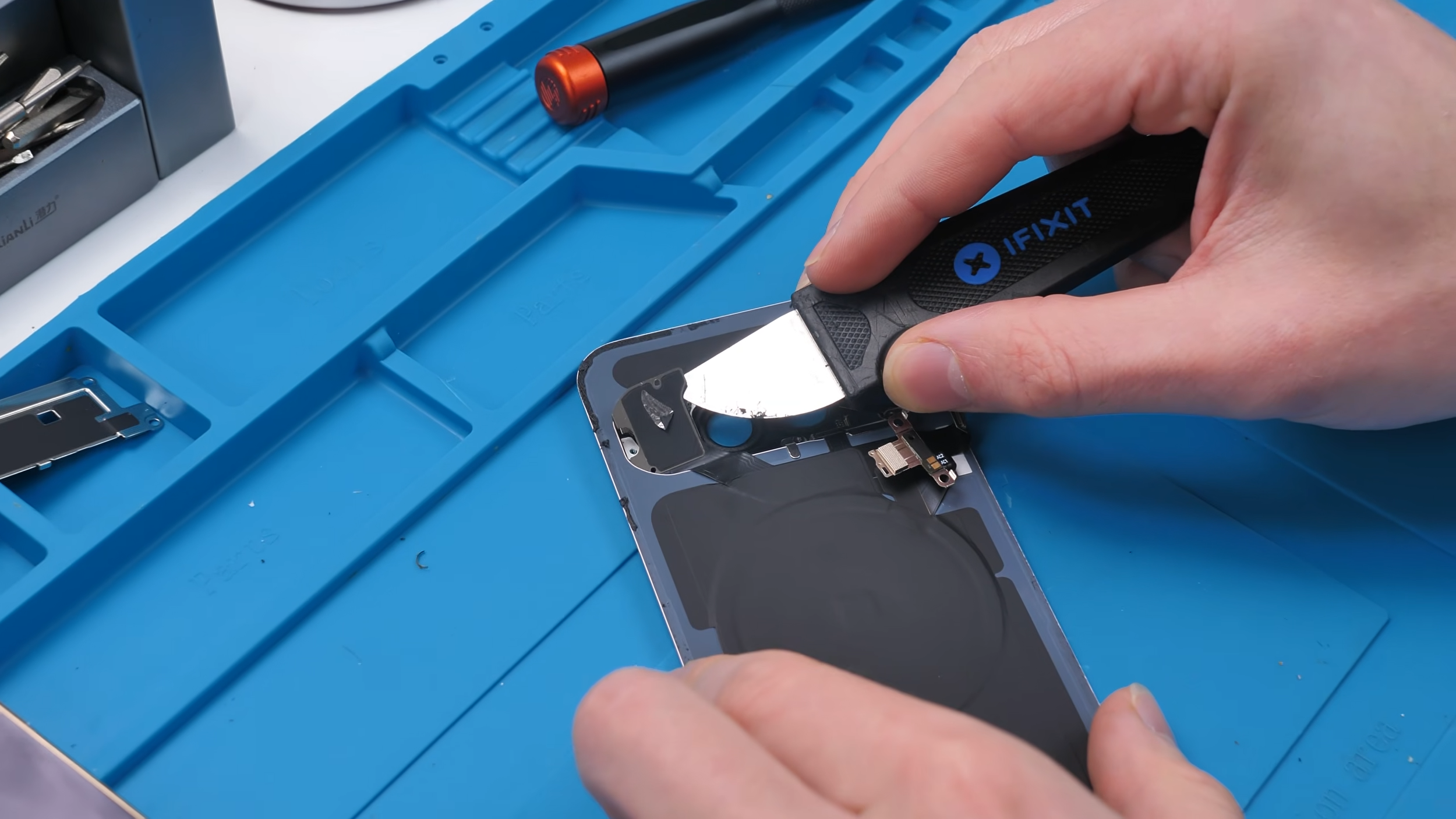
Hilight is held down by two screws and adhesive. After applying some heat, I lifted it away and removed the diffuser covering the lights. Underneath is a ring of eight tiny LEDs surrounding the regular camera flash.
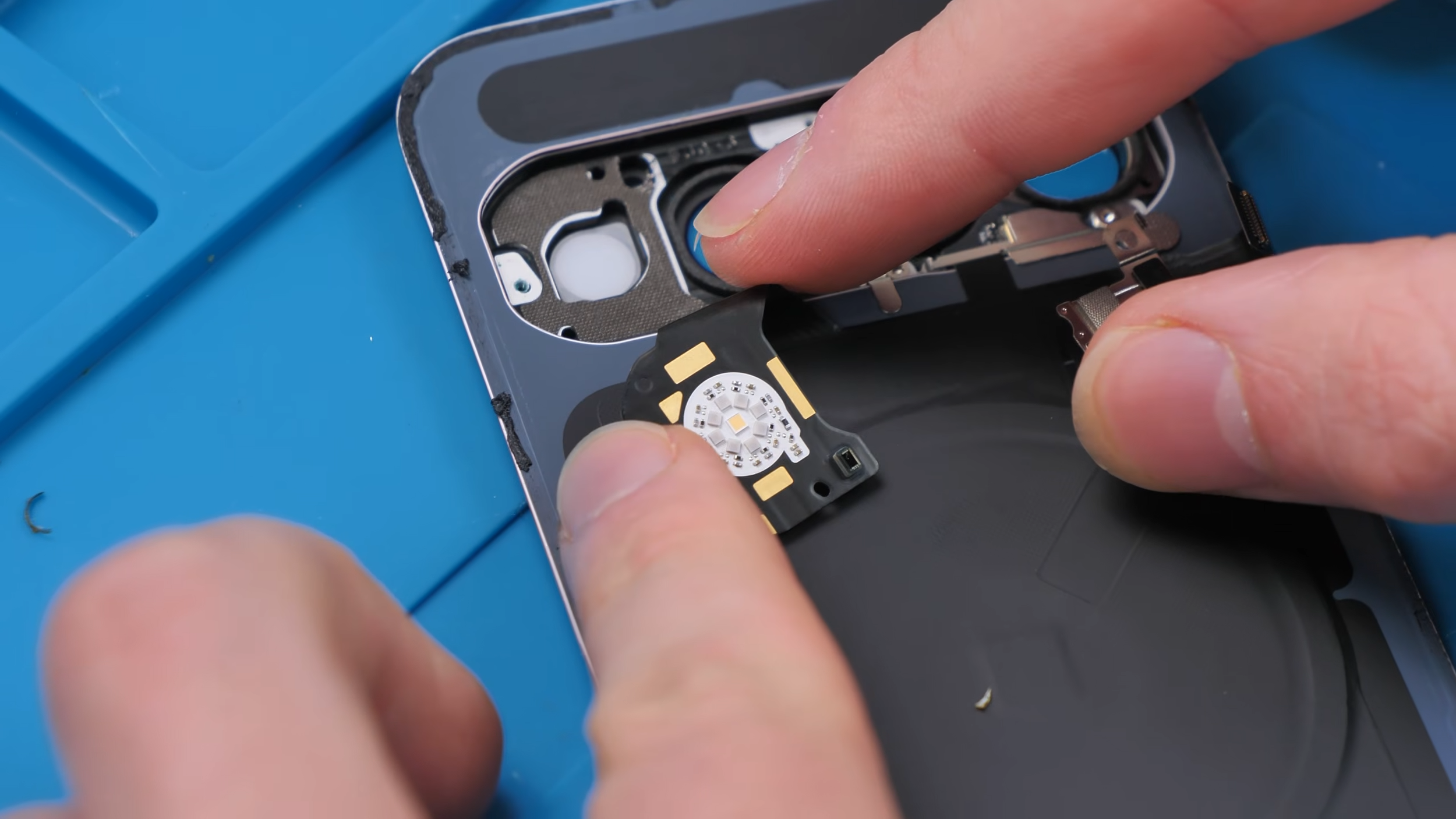
With the diffuser removed, the individual LEDs looked surprisingly cool while Gemini was active. They also appeared to be capable of more than the five colors Google currently offers.
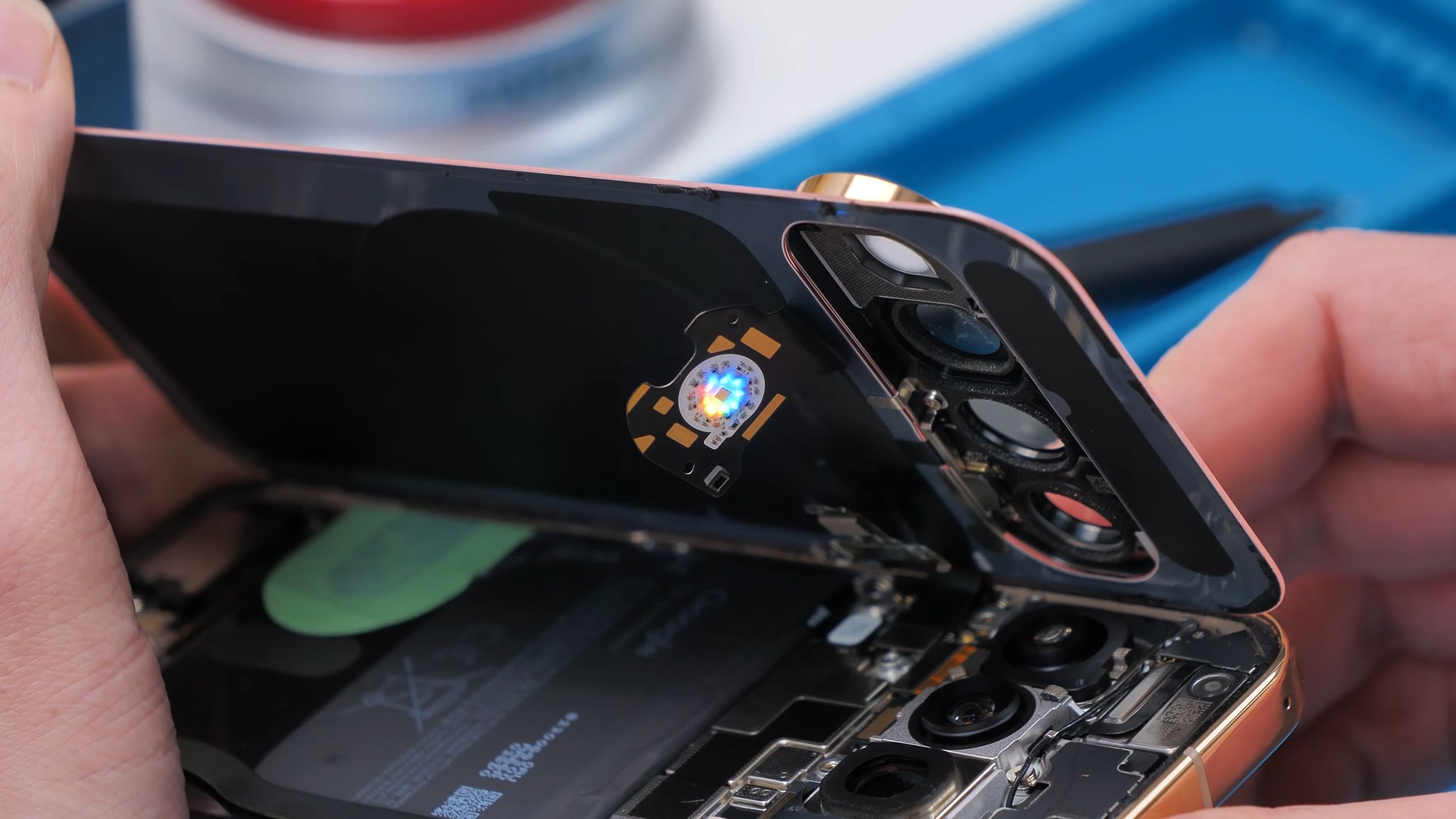
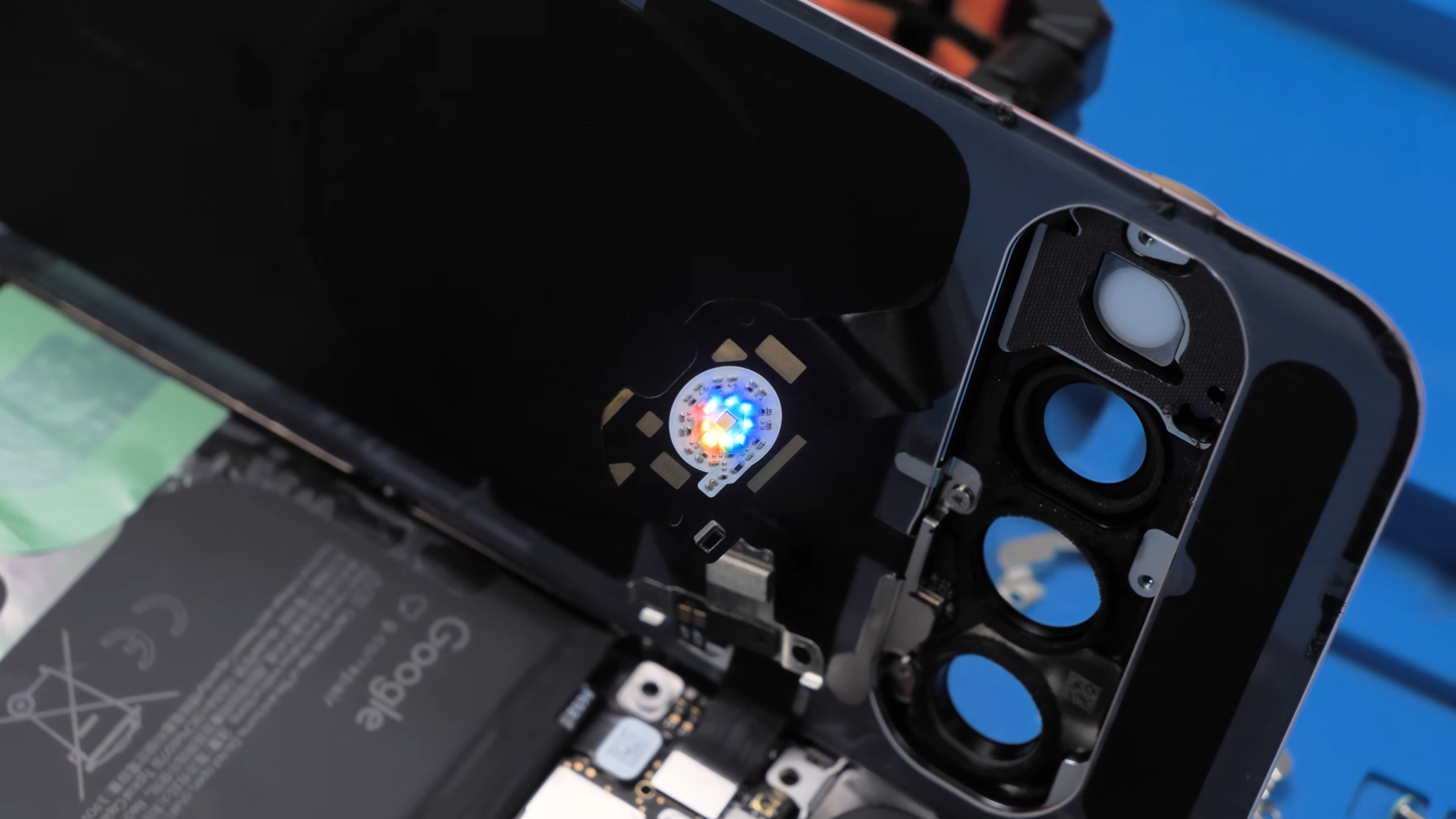
Under a microscope, we finally got the answer. Each LED contains separate red, green and blue elements. Hilight is fully RGB.
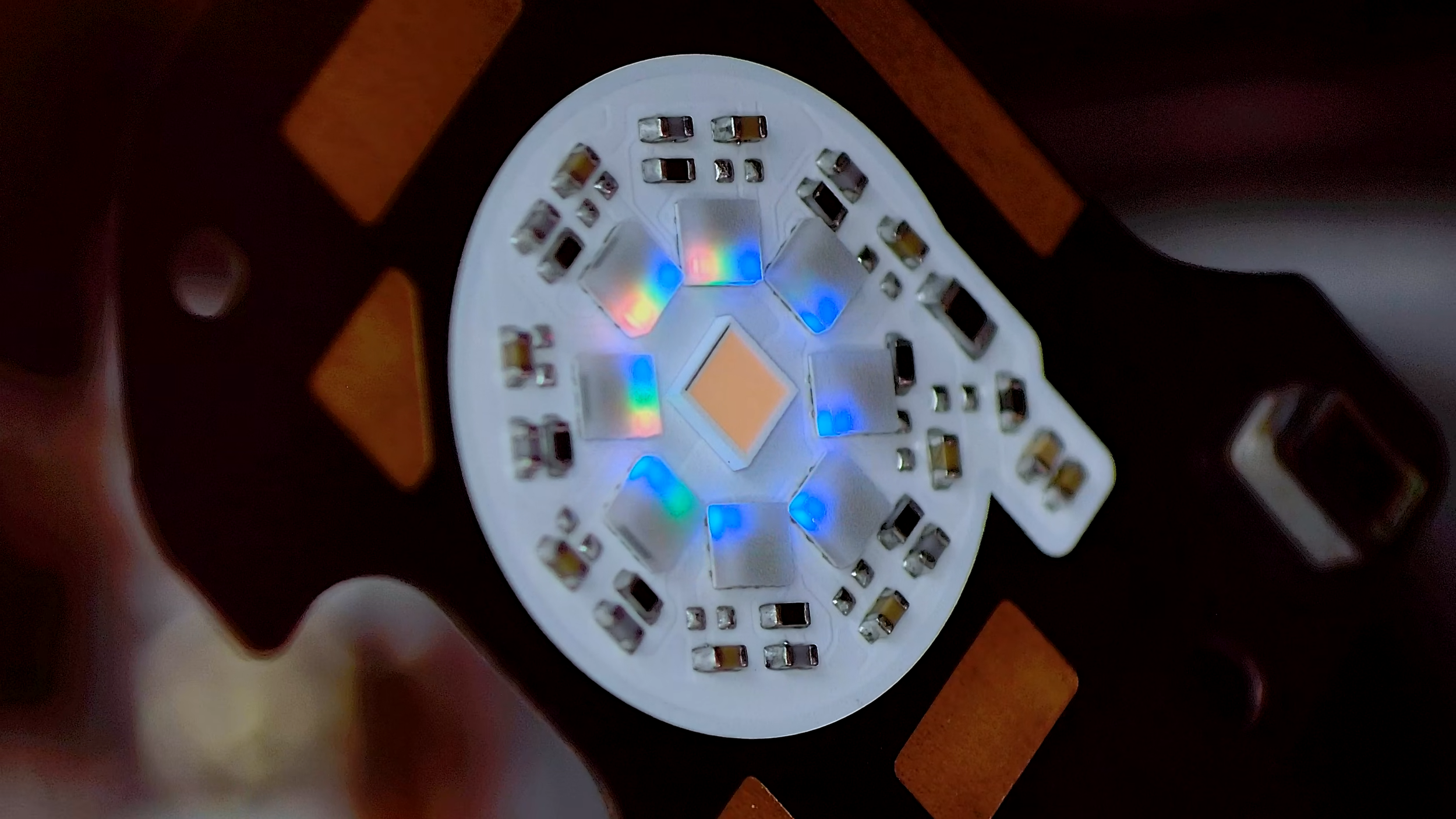
Google is limiting users to five colors even though the hardware should be able to produce far more. The restriction appears to be coming from software, meaning Google could potentially unlock more customization through a future update.
Final Thoughts
The Pixel 11 Pro is still a good phone, and Google has made several smart repairability choices. The easy screen replacement and green repair screws are especially welcome.
As an upgrade, however, it feels underwhelming. Much of the hardware is familiar, the battery is slightly smaller, and the price has increased.
Hilight could have made the phone feel different. The hardware is already there. Google just needs to let us use it.
See you in the next article!
