
Phone manufacturers spend plenty of time comparing camera sensors, displays, processors, and battery life. The tiny LED beside the camera rarely gets the same attention, even though it can be one of the most useful features on a phone.
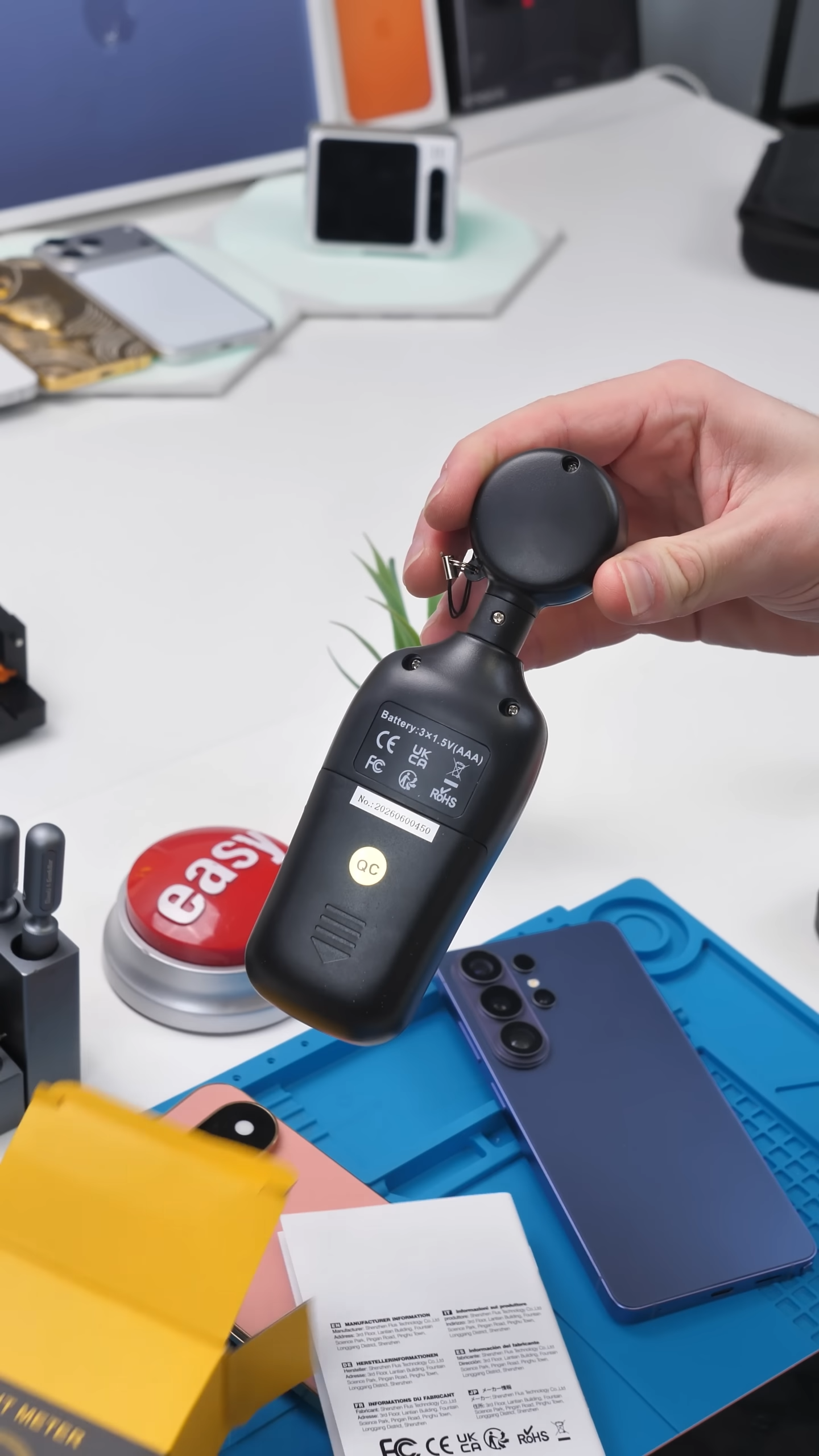
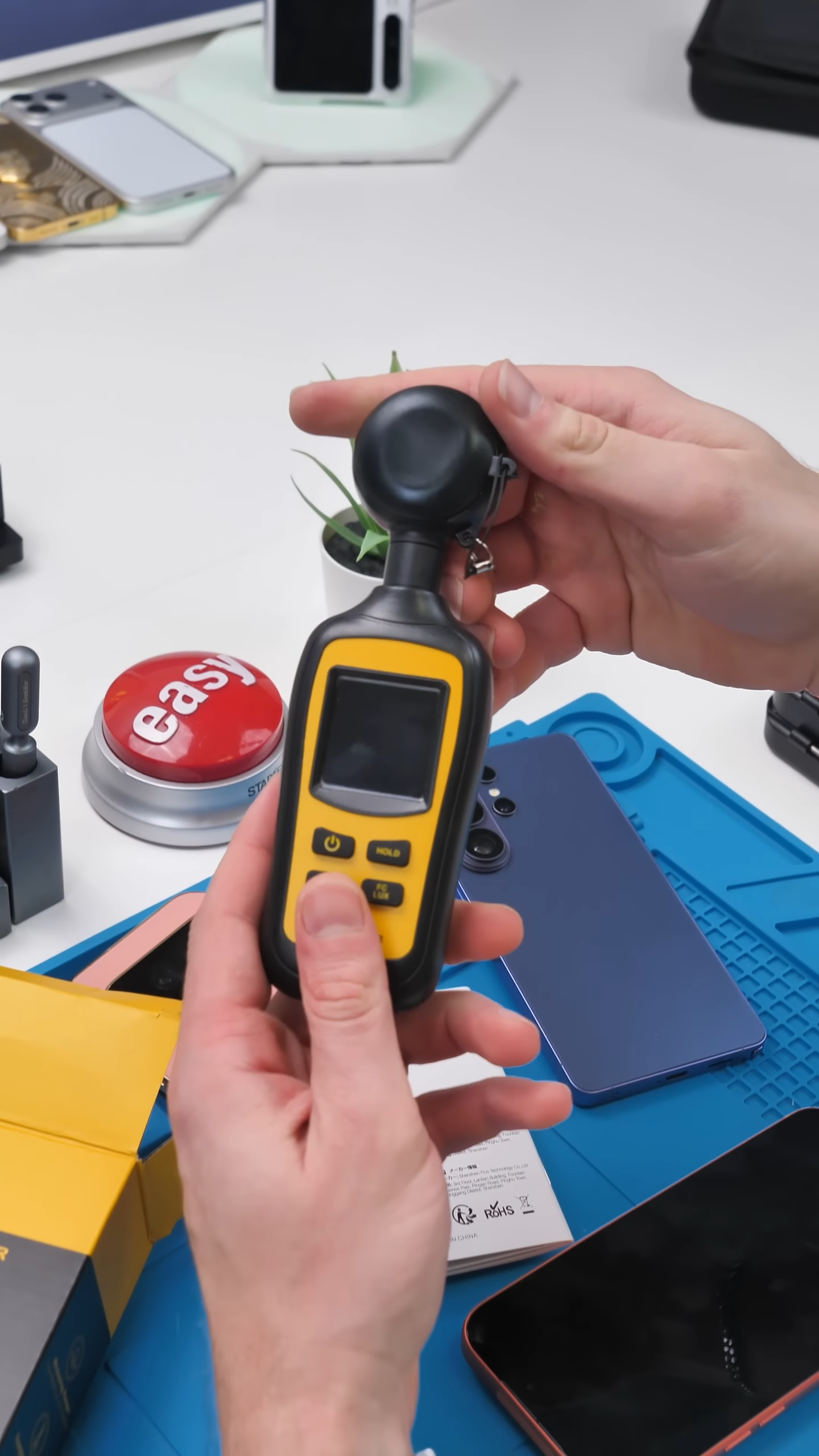
I’ve always wondered which flagship actually has the strongest flashlight, so I bought a light meter and tested three of the biggest phones available.
I expected one to win by a small margin. Instead, the brightest result was more than 15 times higher than the weakest.
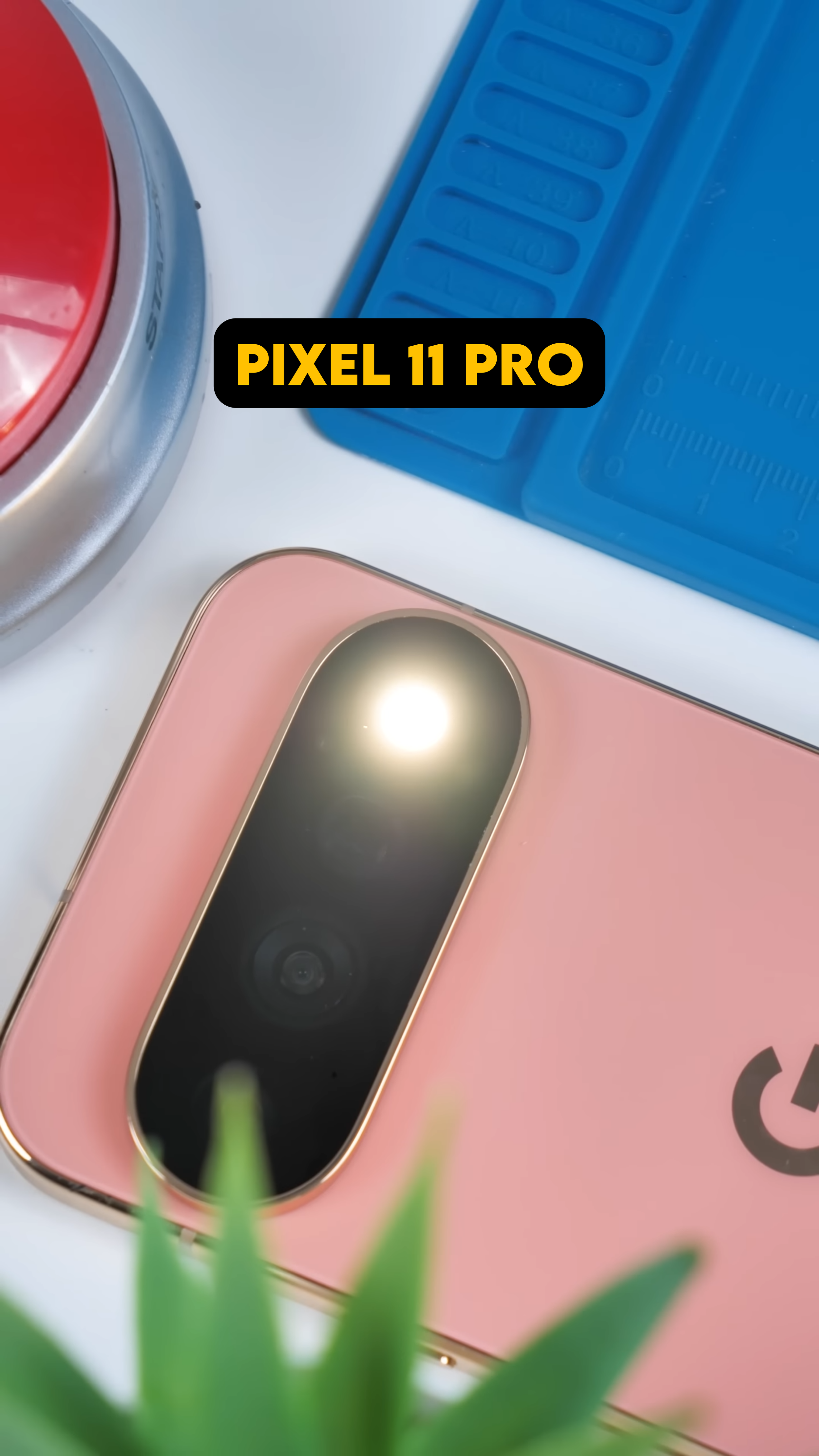
How Do You Measure a Phone Flashlight?
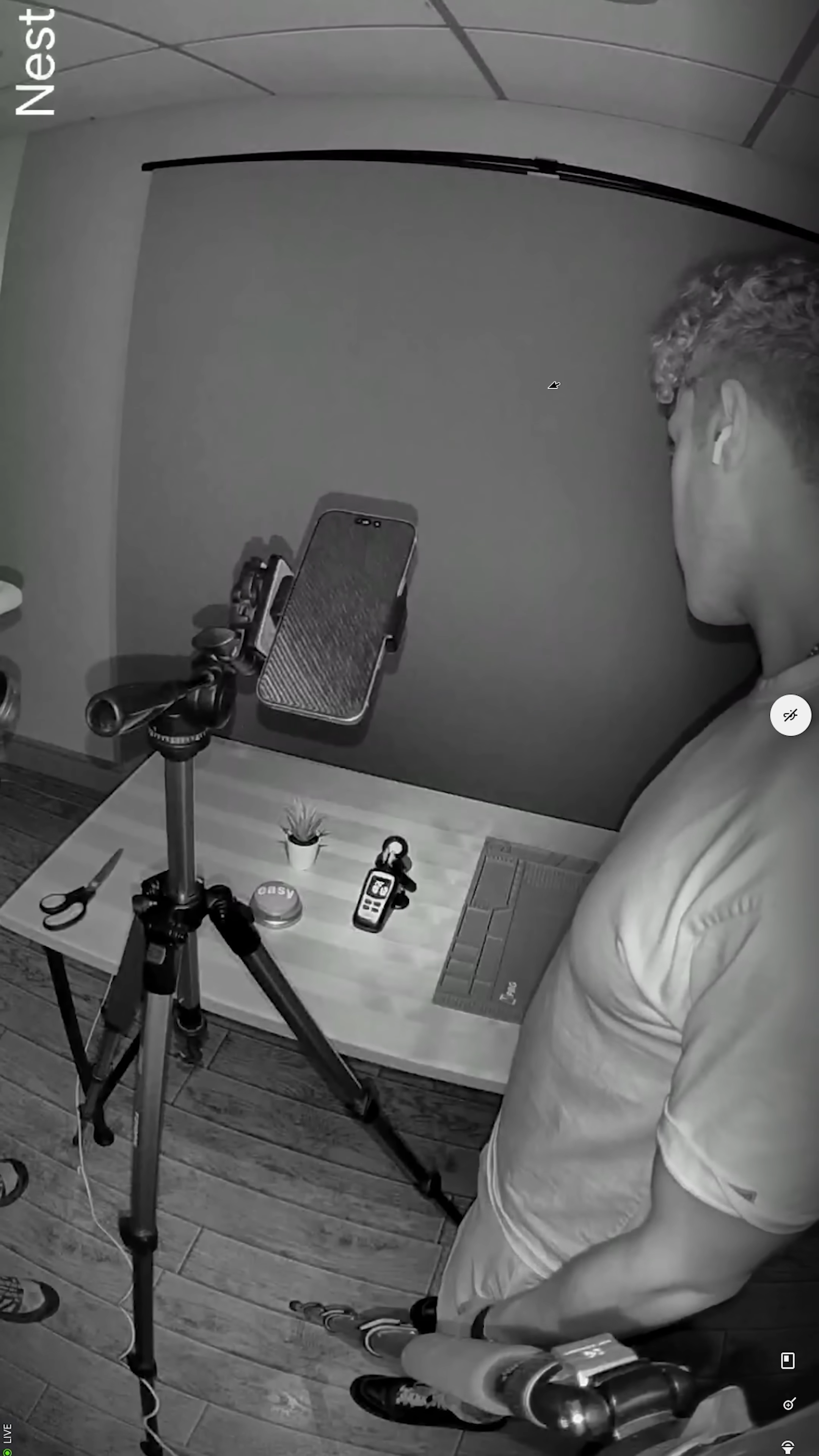
To keep the test consistent, I built a rig that positioned each phone at the same angle, exactly one meter away from the light meter. The meter measures brightness in lux, which tells us how much light reaches a specific surface. Distance and positioning can significantly affect the reading, so neither could change between phones.
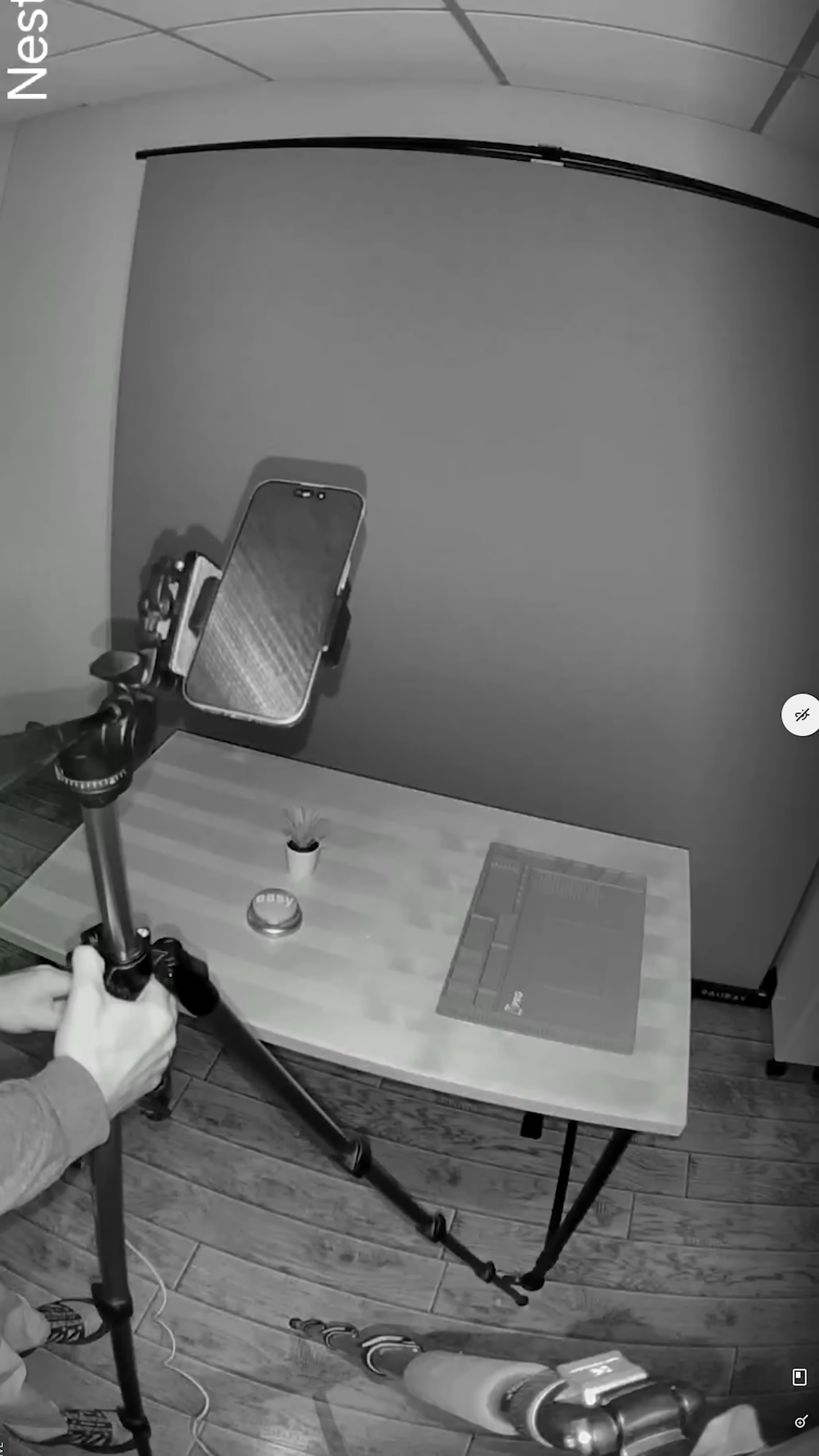
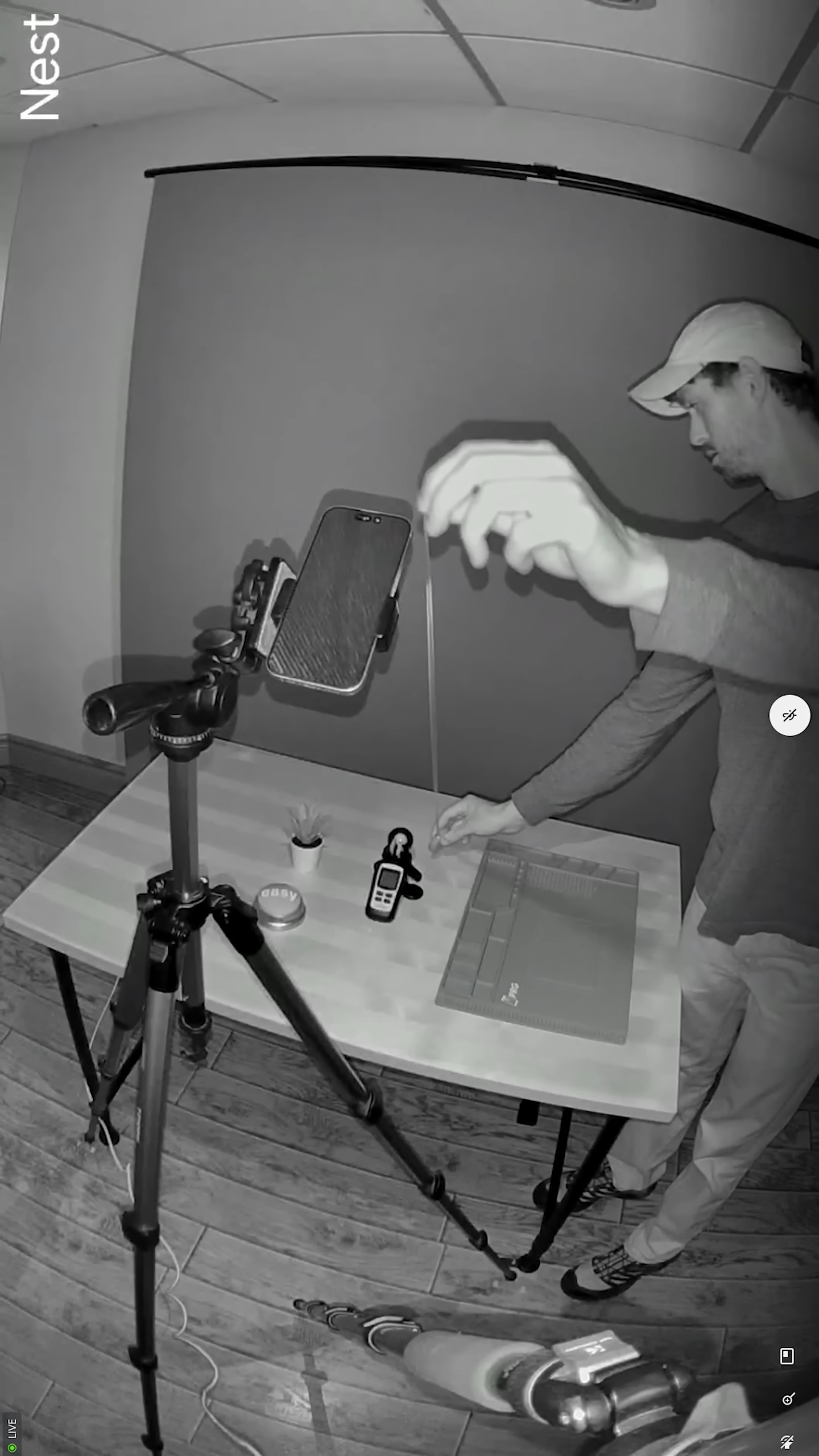
A more focused beam can also produce a higher reading than a wider one. This test therefore compares the amount of light each phone directed at the meter under the same conditions.
The Pixel 11 Pro Goes First
The first phone on the mount was the Pixel 11 Pro. I turned on its flashlight, positioned it in the rig, and waited for the meter to settle. It recorded just 6.5 lux.
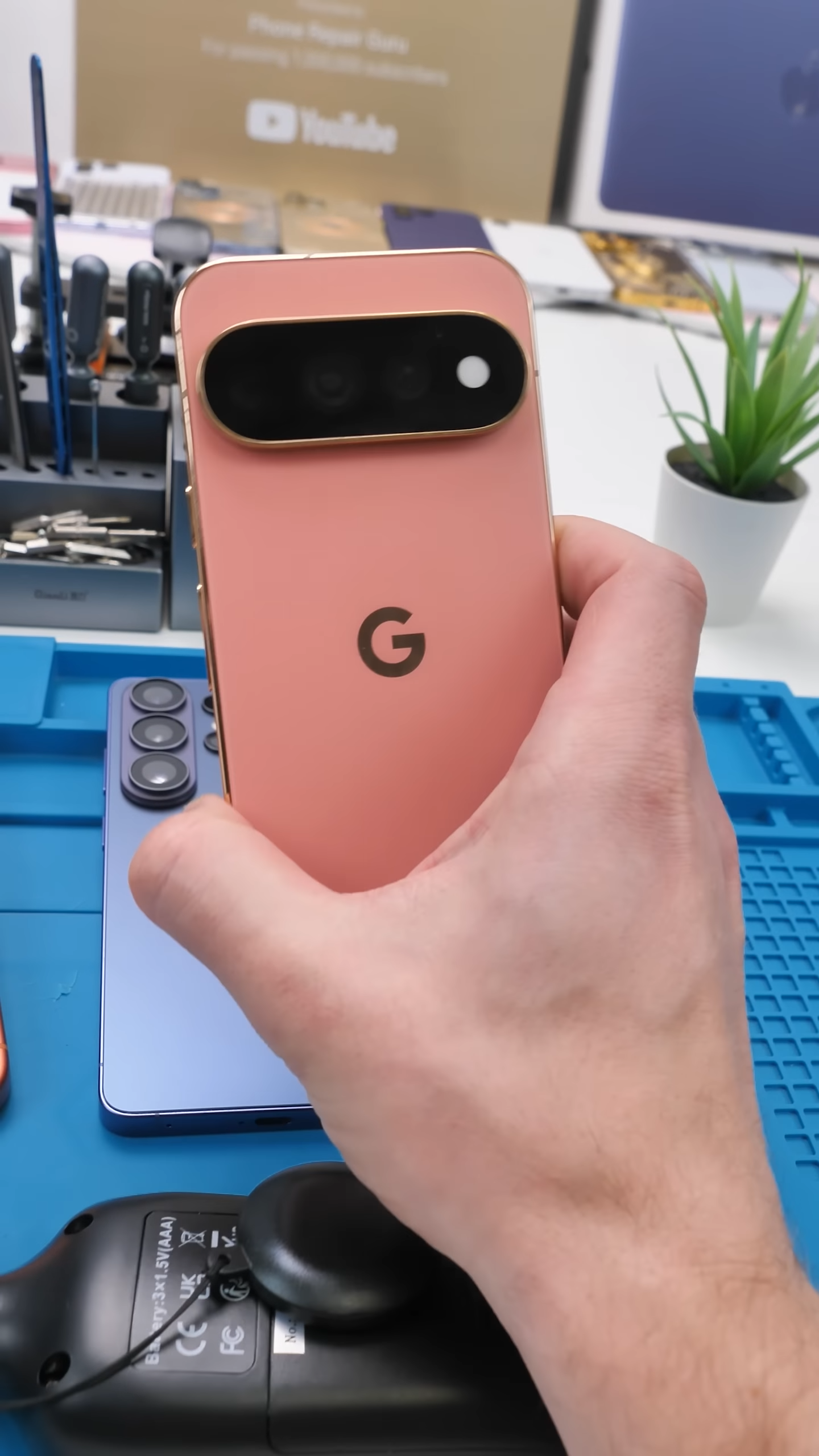
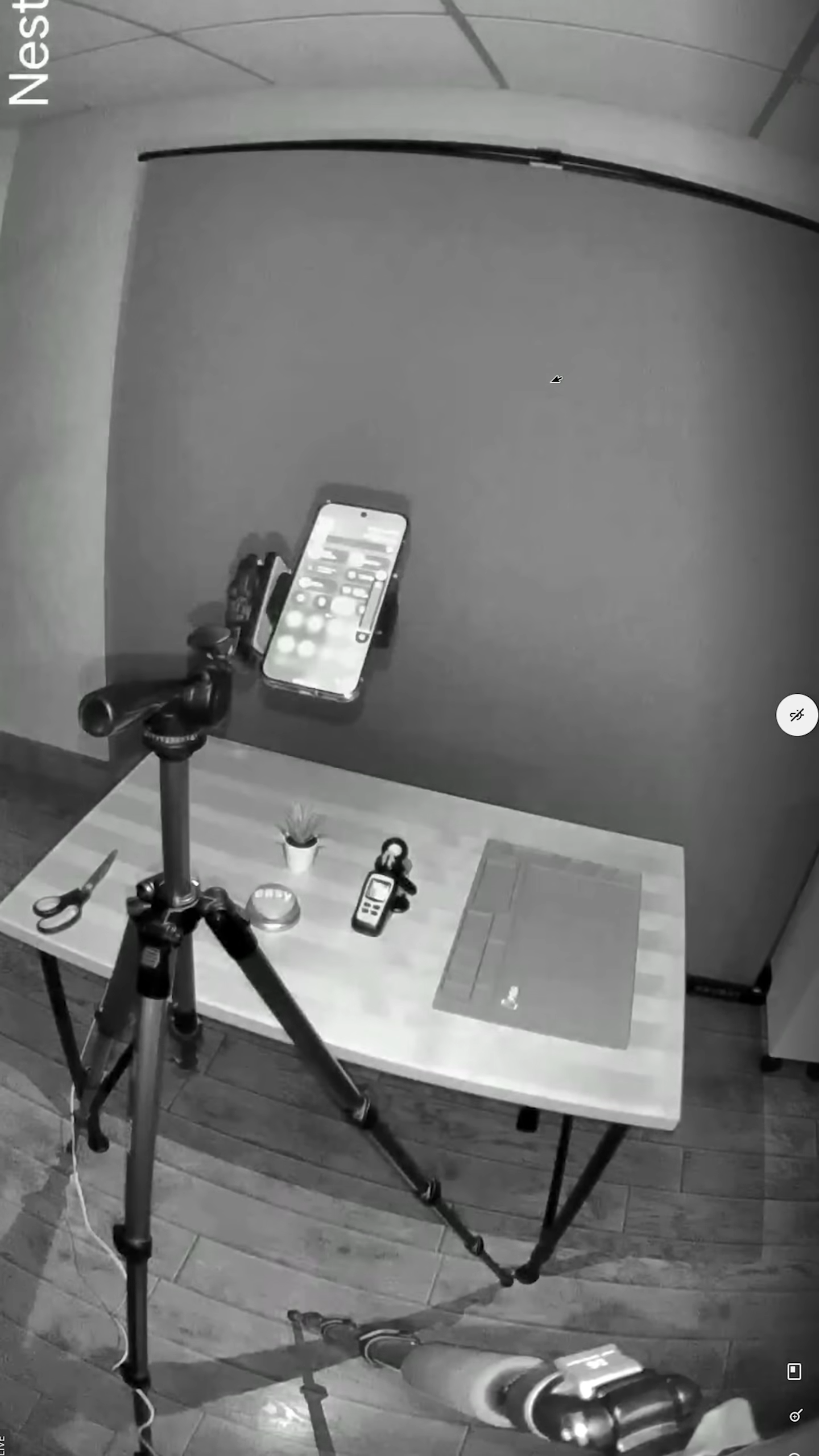
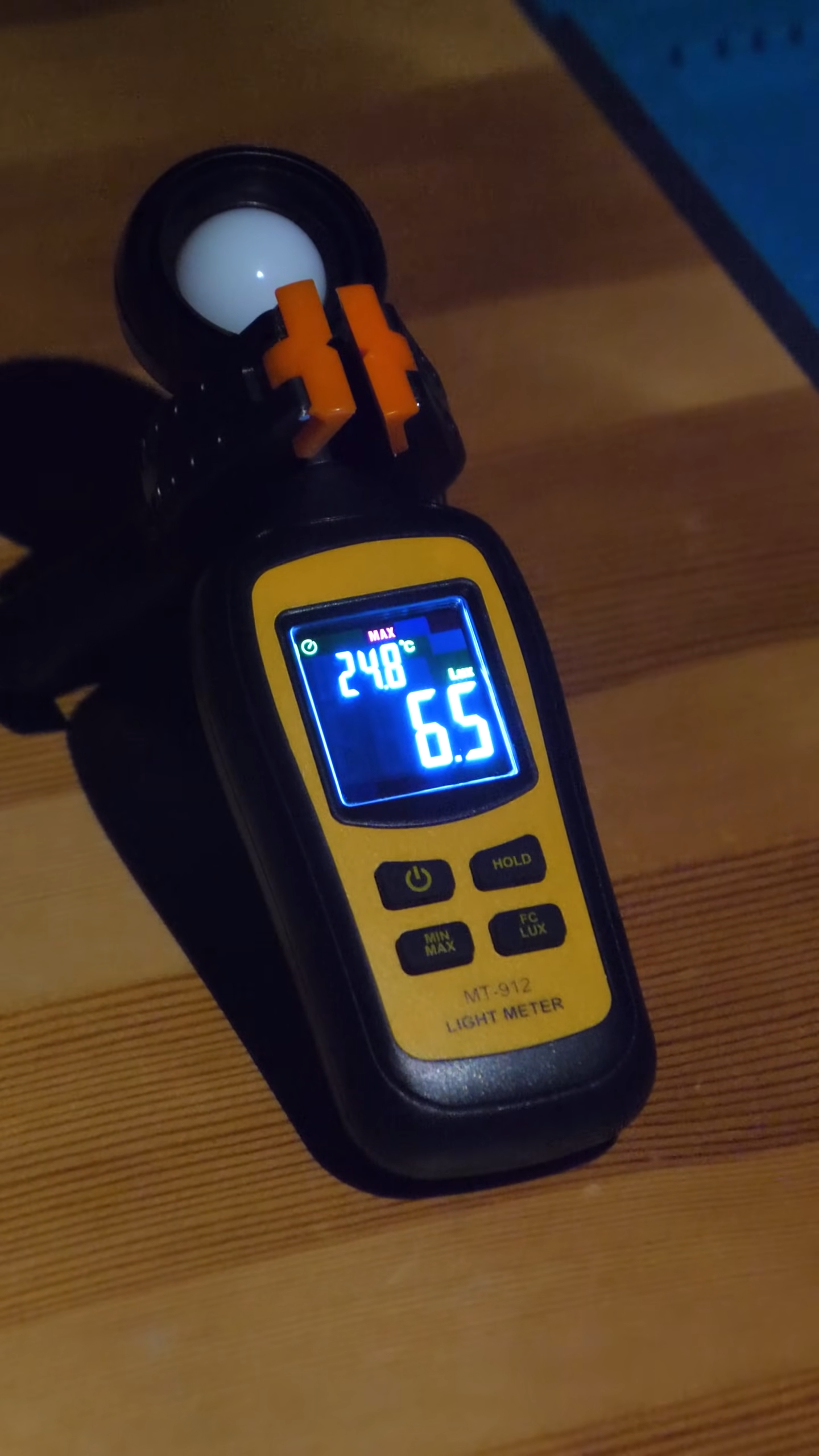
That felt surprisingly weak for a modern flagship. Google identifies the light beside the Pixel 11 Pro’s cameras as an LED flash, but it doesn’t publish an official lux or lumen rating for it. Without testing it ourselves, there’s no useful specification that tells us how bright it should be as a flashlight.
At this point, 6.5 lux was our number to beat.
Samsung Makes a Huge Jump
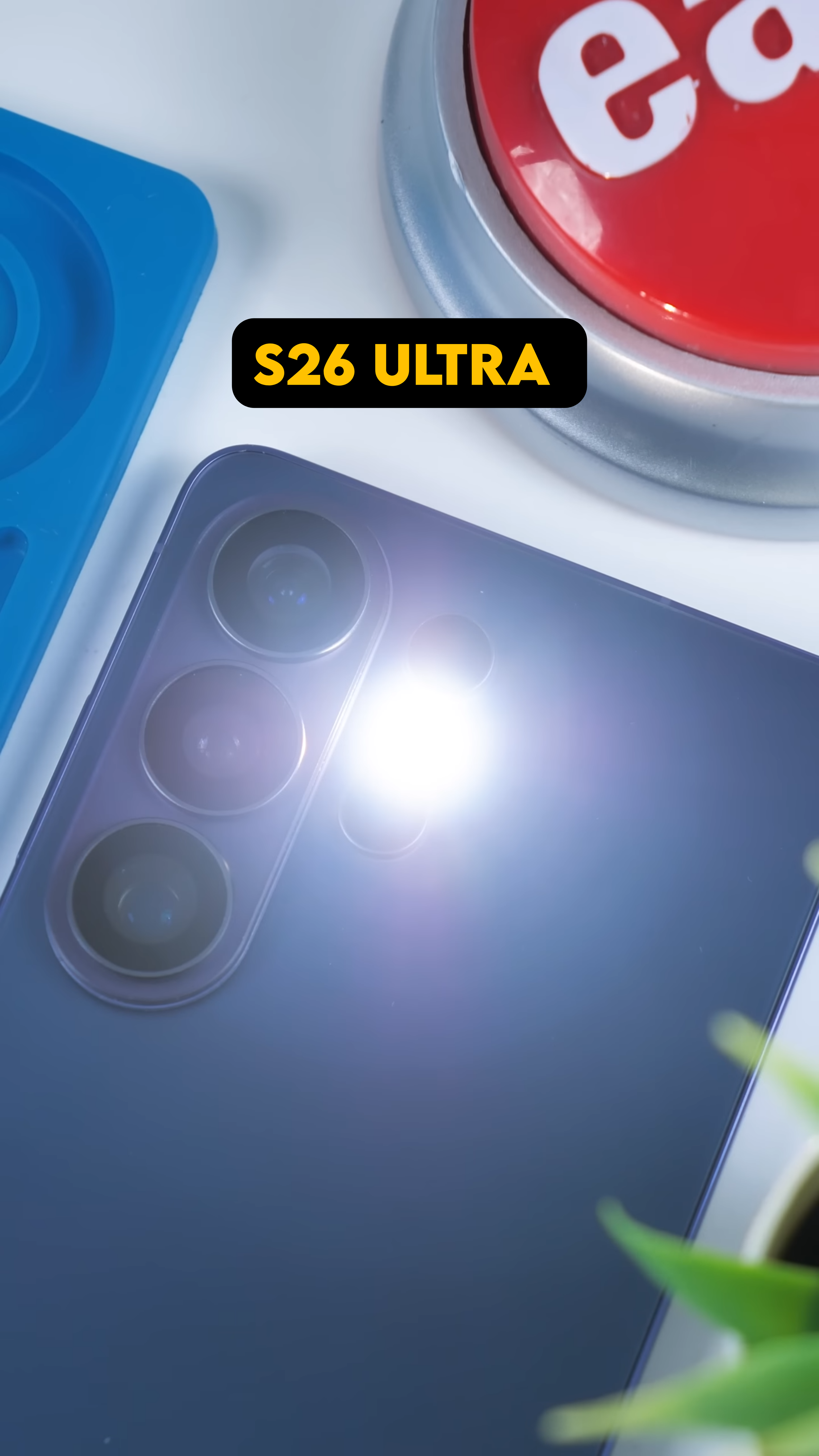
Next, I placed the Samsung Galaxy S26 Ultra on the same mount without changing the distance or angle. Its flashlight produced 31.2 lux, nearly five times the Pixel’s reading.
That was the kind of result I expected from an Ultra phone. Compared with the Pixel, it looked like Samsung had already won this test comfortably.
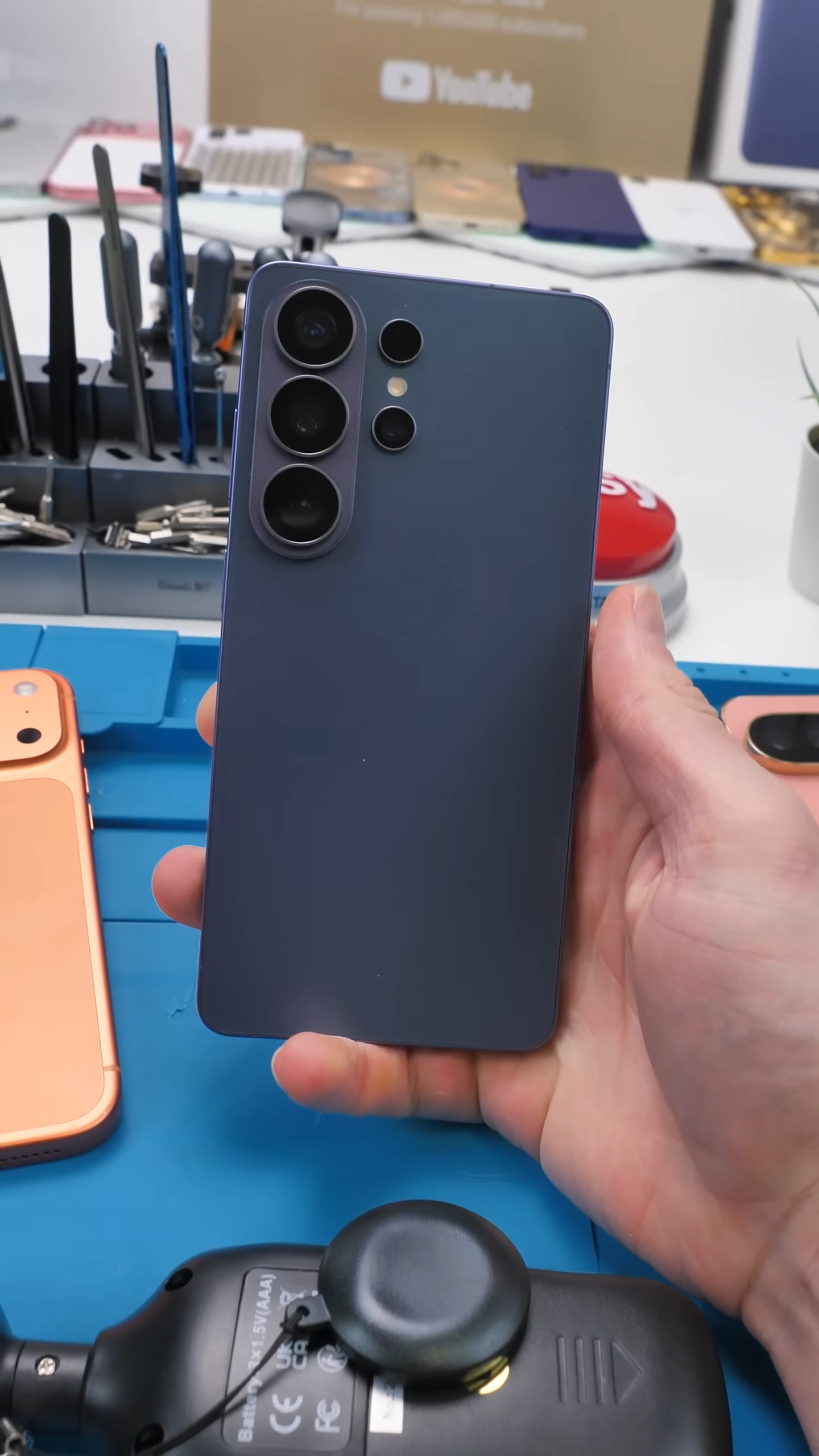
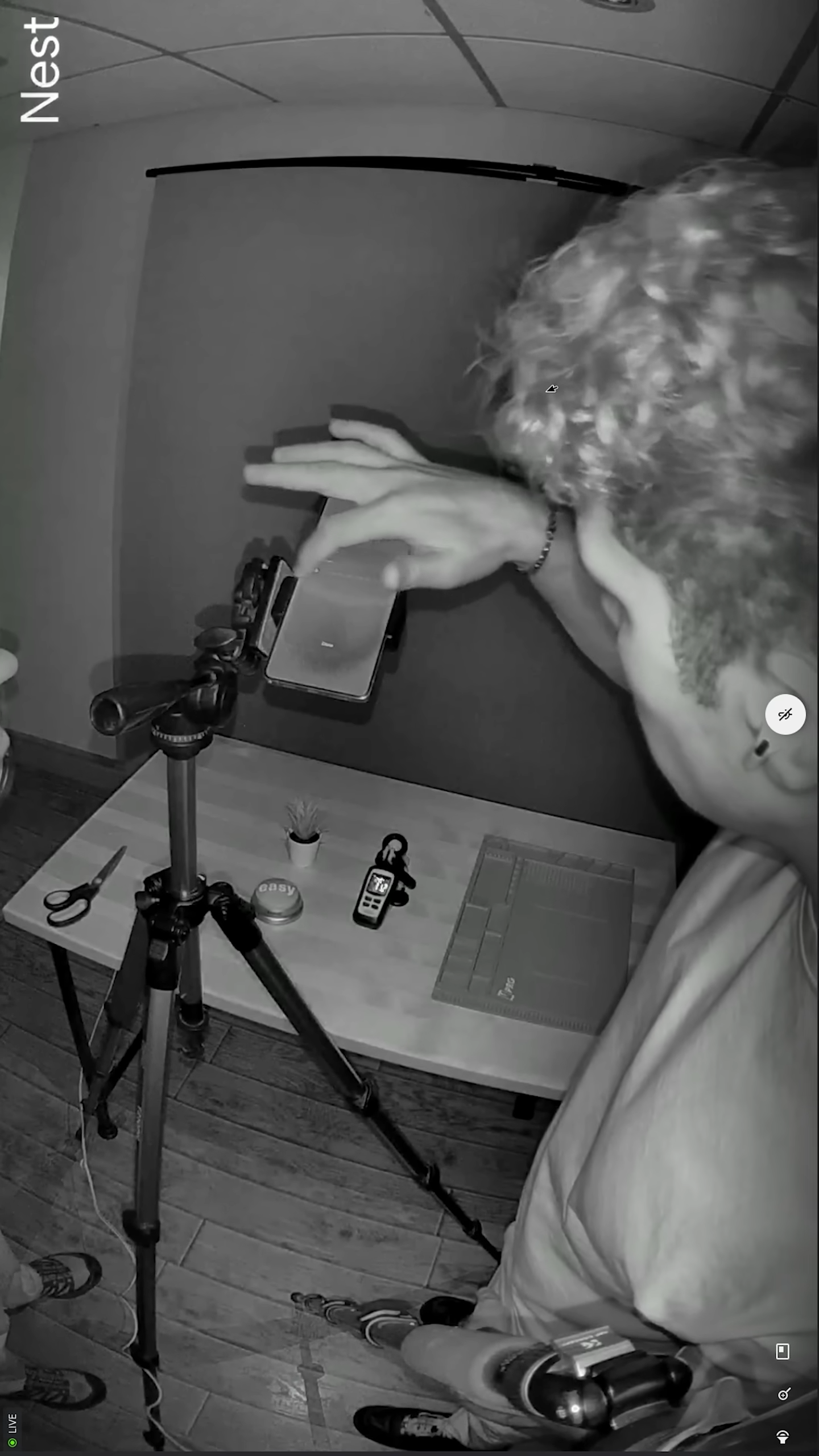
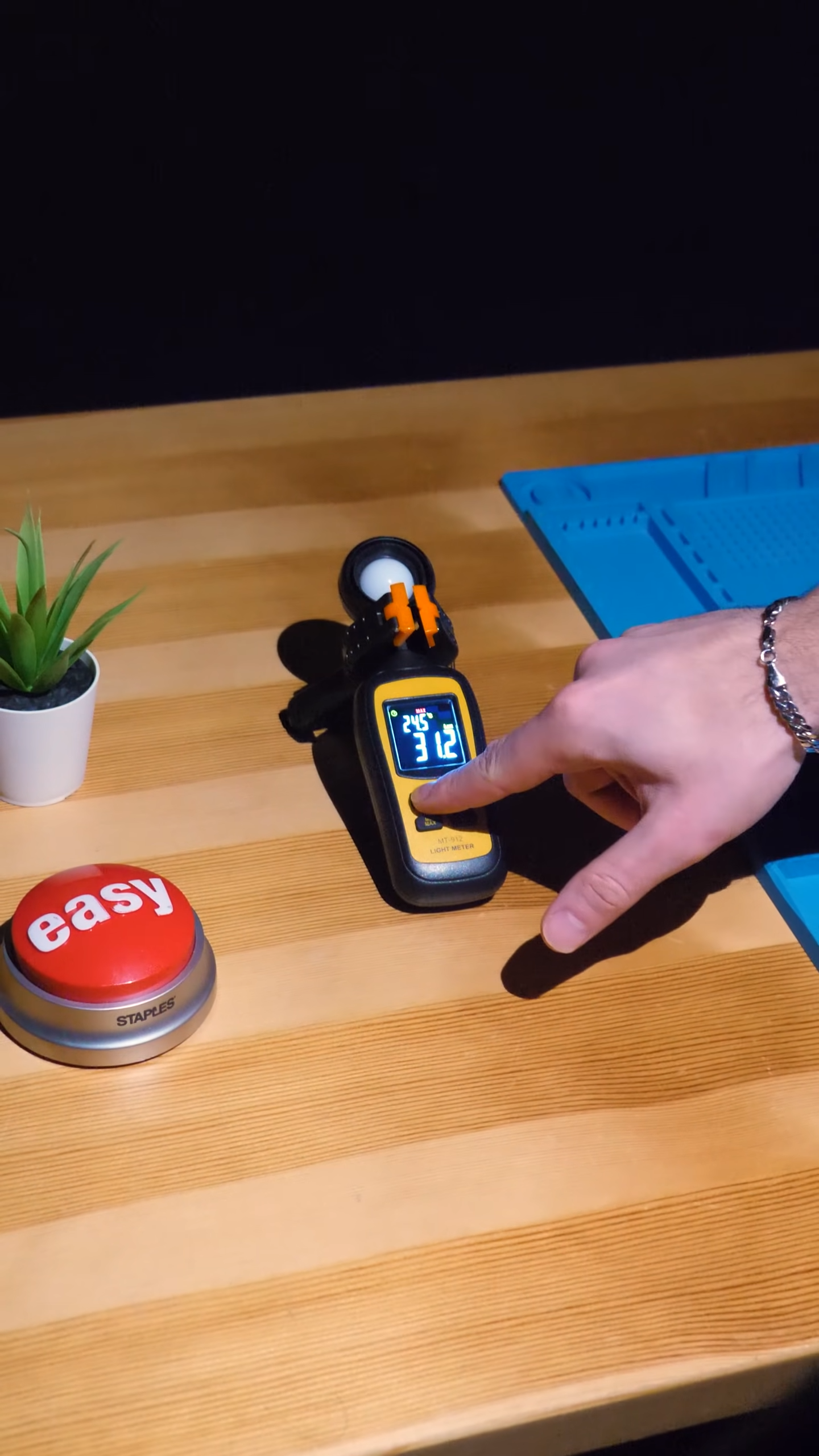
Samsung also allows users to adjust the flashlight intensity through the Quick Settings panel. This is worth remembering because software settings can affect a flashlight comparison, not just the LED hardware itself.
Still, even Samsung’s 31.2-lux result wasn’t close to what happened next.
The iPhone Changes the Entire Test
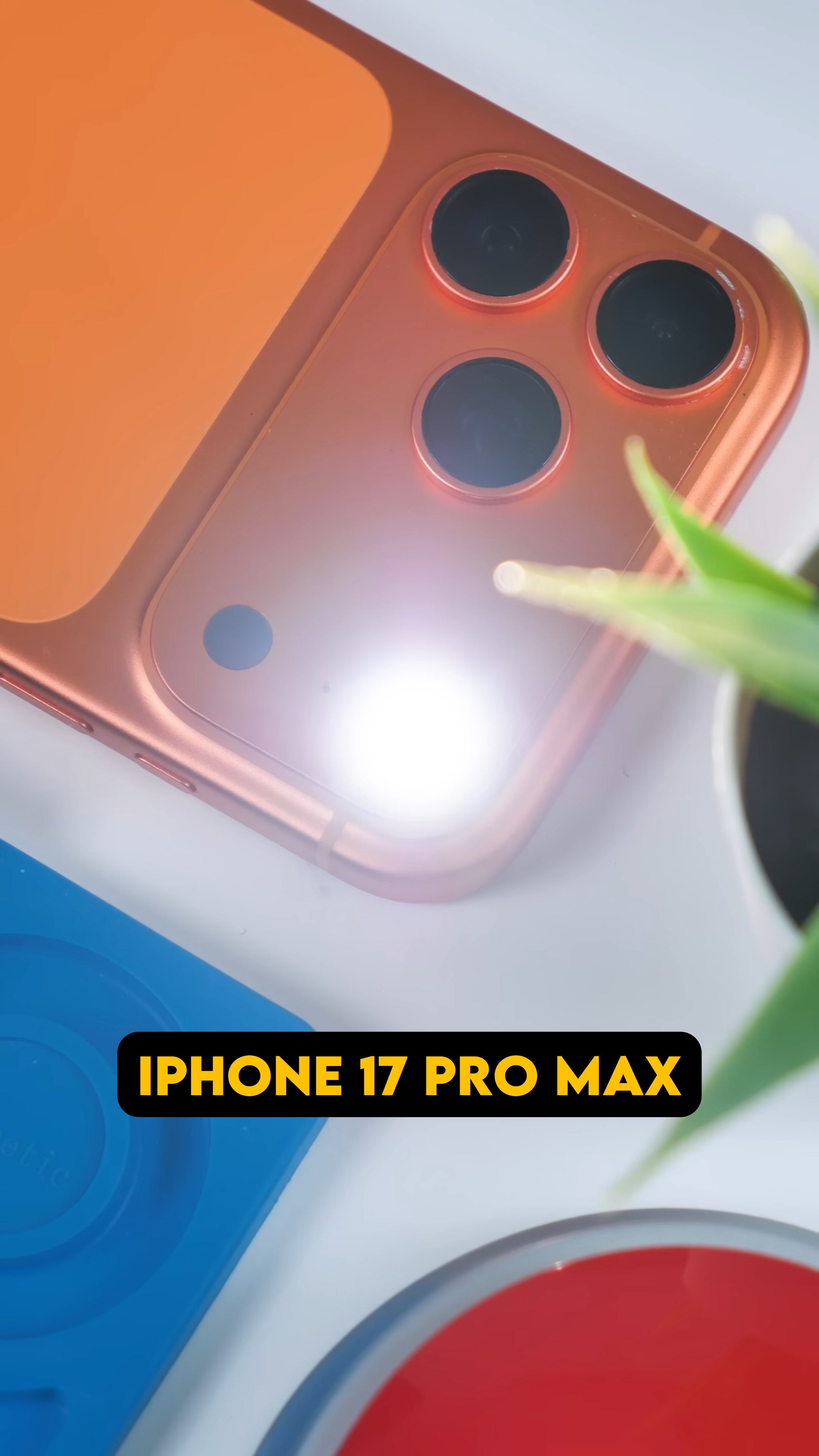
The final phone was the iPhone 17 Pro Max. I turned on its flashlight, placed it at the same one-meter distance, and checked the meter. It registered 101.7 lux.
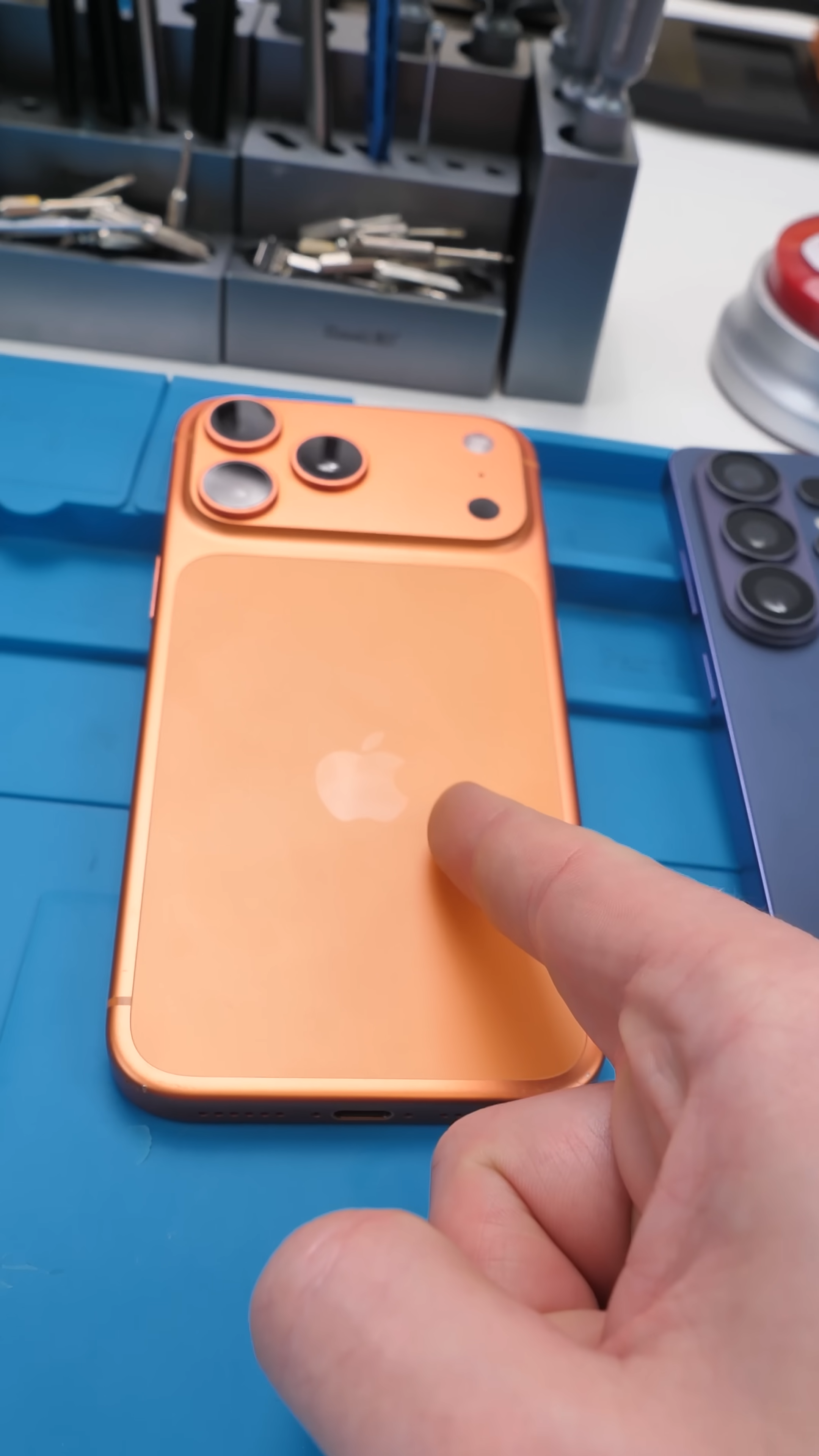
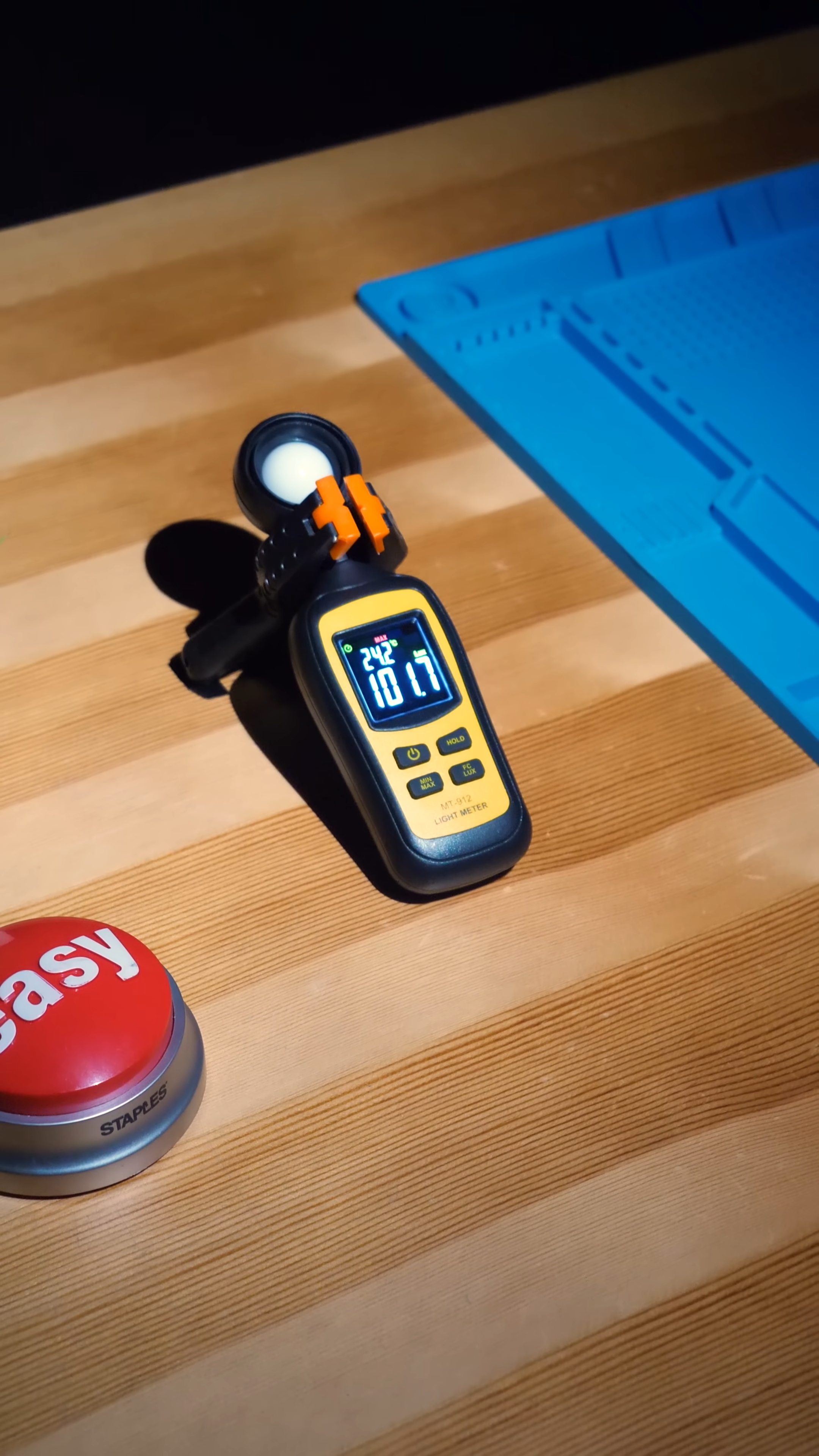
That wasn’t a narrow victory. The iPhone delivered more than three times the illuminance of the Galaxy S26 Ultra and over 15 times the Pixel 11 Pro’s reading.
| Phone | Reading at One Meter |
|---|---|
| Pixel 11 Pro | 6.5 lux |
| Galaxy S26 Ultra | 31.2 lux |
| iPhone 17 Pro Max | 101.7 lux |
Apple lists an Adaptive True Tone flash in the iPhone 17 Pro Max specifications, but it doesn’t publish an official lux rating. Apple also lets users change the brightness and width of the flashlight beam, showing why a phone’s flashlight performance involves more than the power of its LED.
A concentrated beam places more light on the meter’s sensor, while a wider beam spreads it across a larger area. Our results show which phone produced the strongest direct reading under this setup, but not necessarily which one illuminates the widest space.
Final Thoughts
The iPhone 17 Pro Max won this test with 101.7 lux, followed by the Galaxy S26 Ultra at 31.2 lux and the Pixel 11 Pro at just 6.5 lux.
The most interesting part isn’t simply that the iPhone won. It’s how enormous the gap was between three phones competing at the top of the market.
Flashlight performance will probably never sell as many phones as a camera or processor upgrade, but when you’re searching under a car seat or walking through a dark room, that forgotten little LED suddenly matters quite a bit.
See you in the next aricle!
