
The Galaxy Z Fold8 Ultra’s Biggest Upgrade Is Hidden Inside???
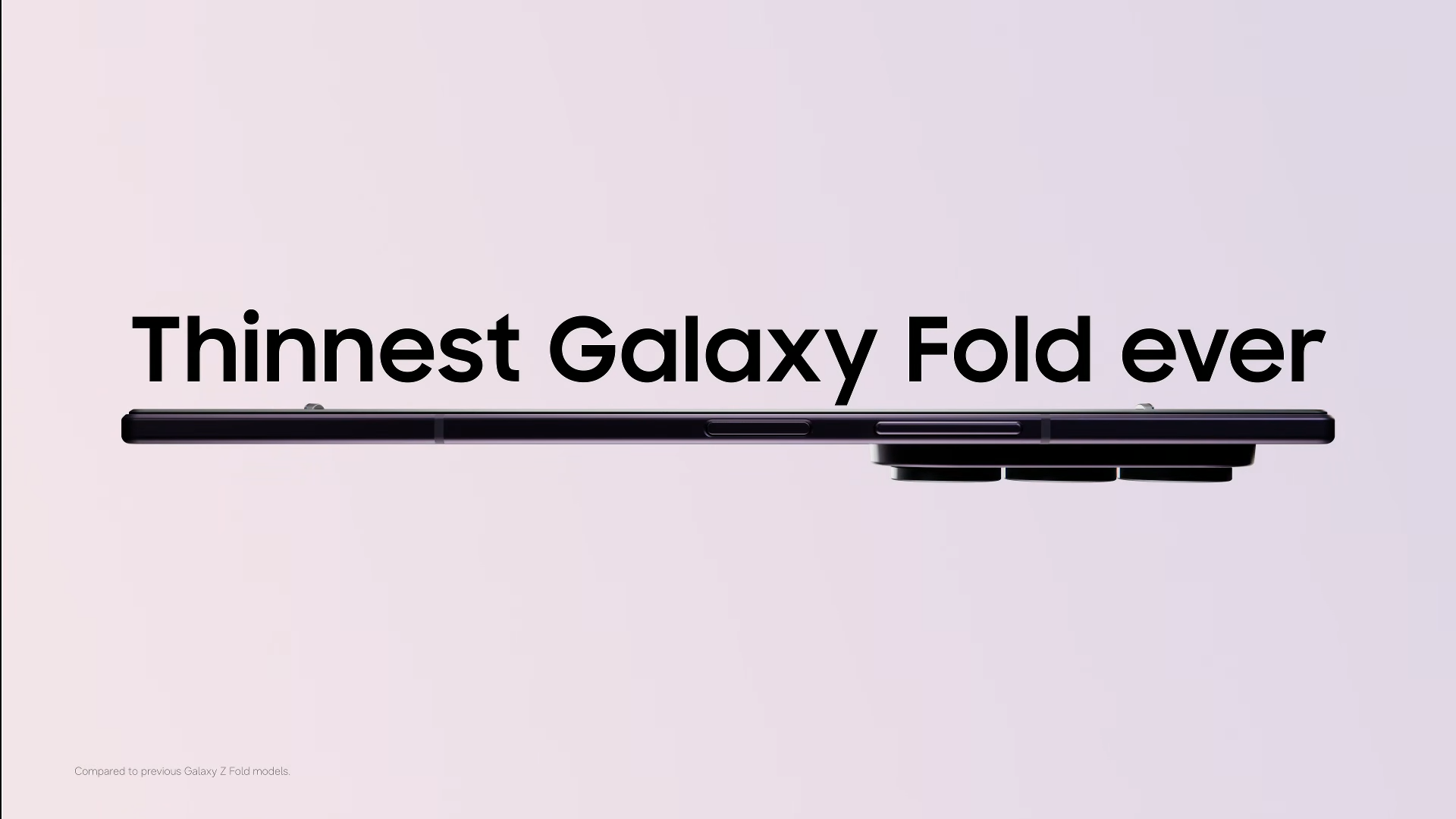
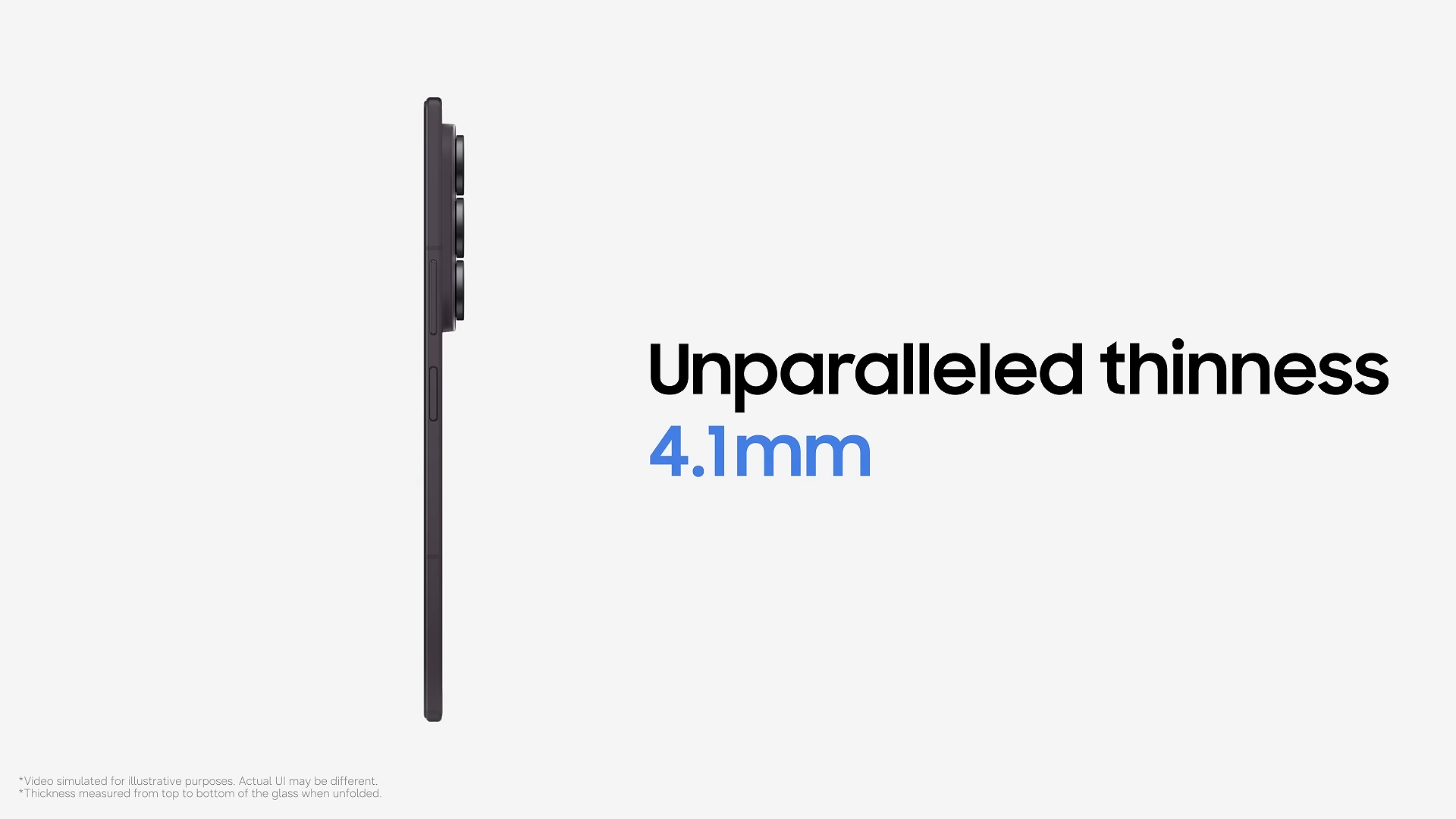
Samsung just introduced three new foldable phones, but one upgrade stands out more than the thinner designs, brighter screens and new AI features. The Galaxy Z Fold8 Ultra is Samsung’s thinnest Fold yet, measuring only 4.1mm when open.
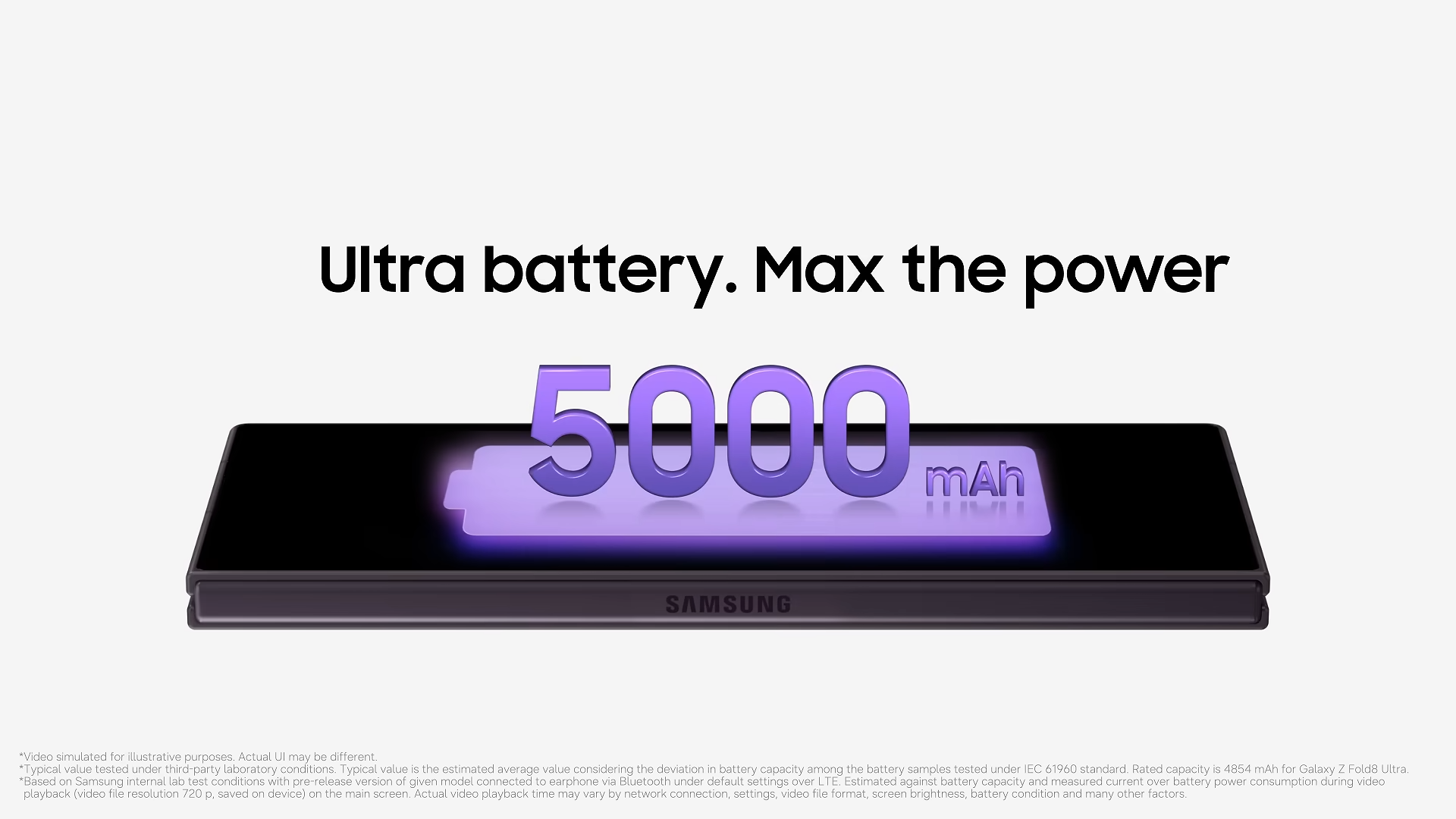
Somehow, Samsung also increased the battery from 4,400mAh to 5,000mAh. So, where did it find the extra space?
The Fold8 Ultra Is Thinner but Packs More Inside
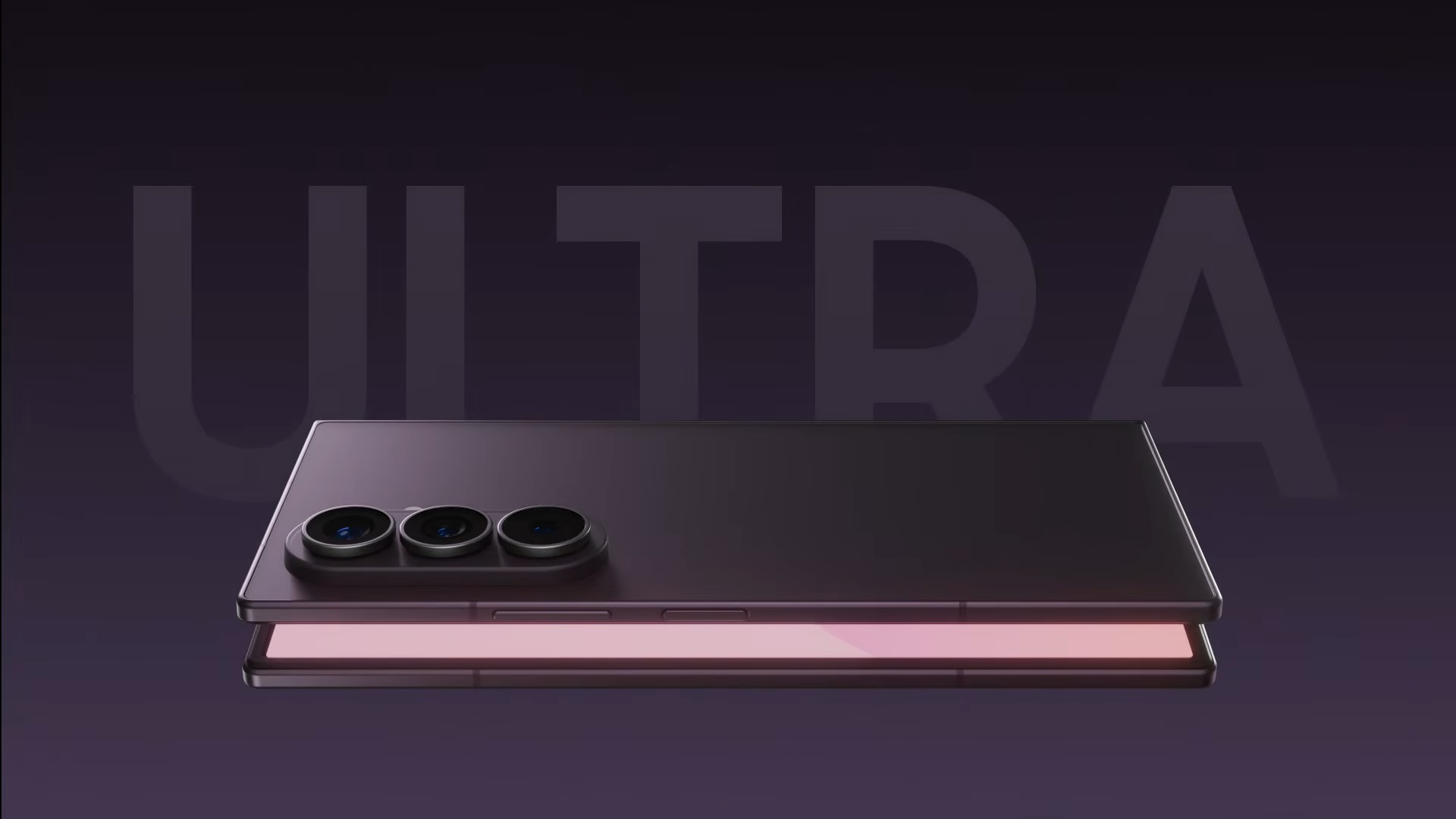
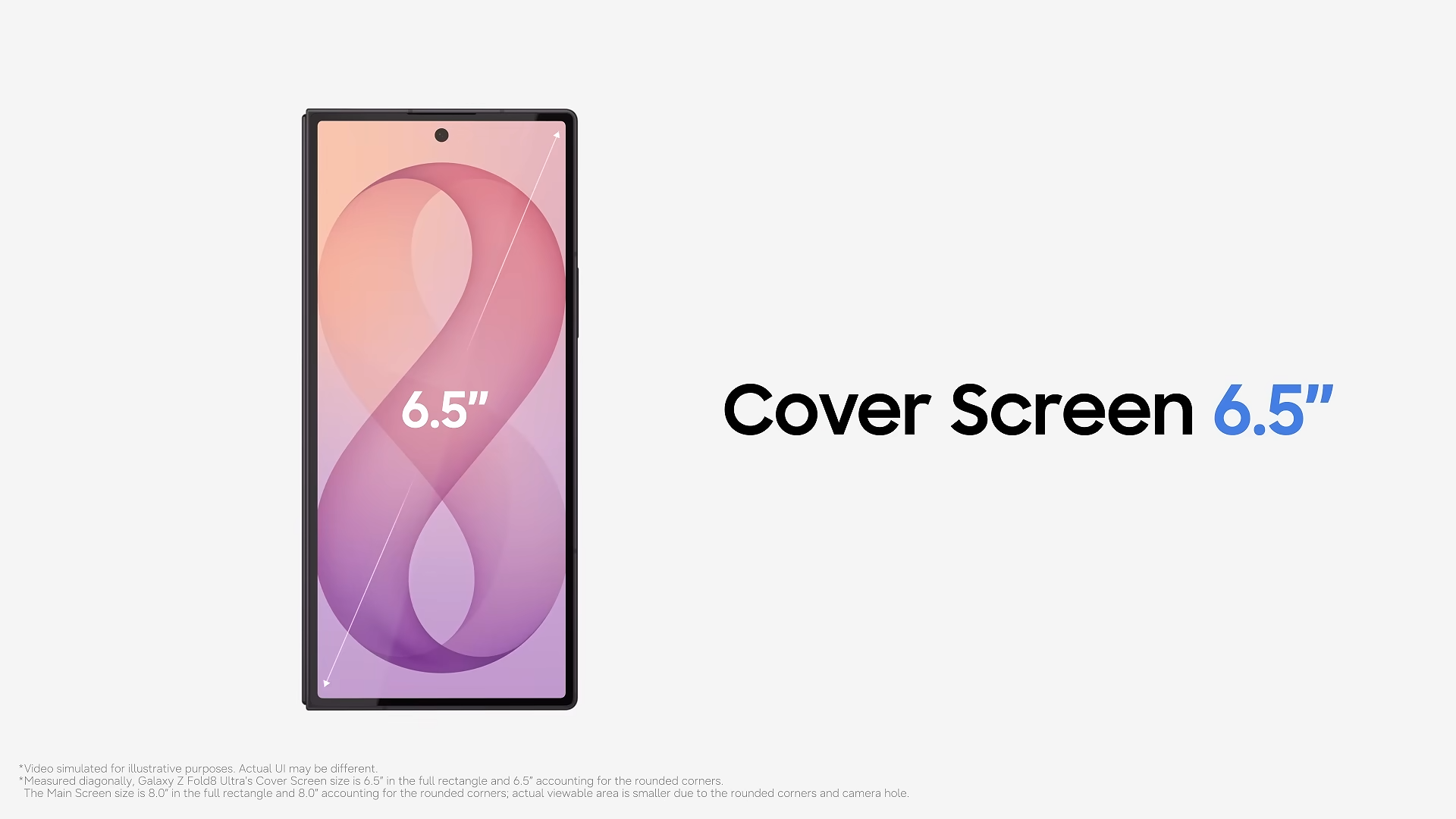
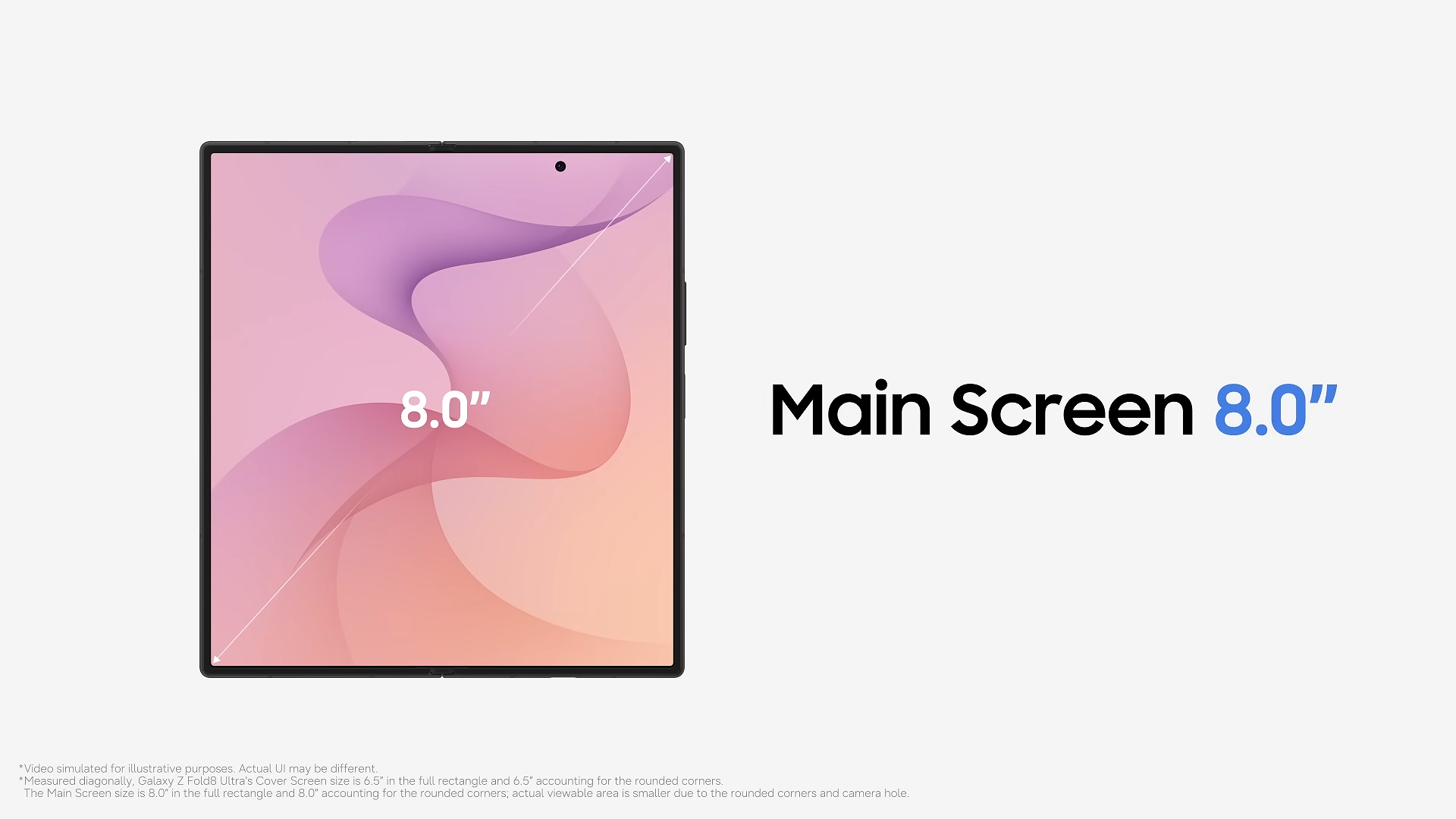
Samsung started with the Galaxy Z Fold8 Ultra, the direct successor to the Fold7. Its 8-inch folding display and 6.5-inch cover screen now reach 3,000 nits, while a new Flex Titanium structure replaces parts of the display’s polymer support with an extremely thin titanium-alloy film.
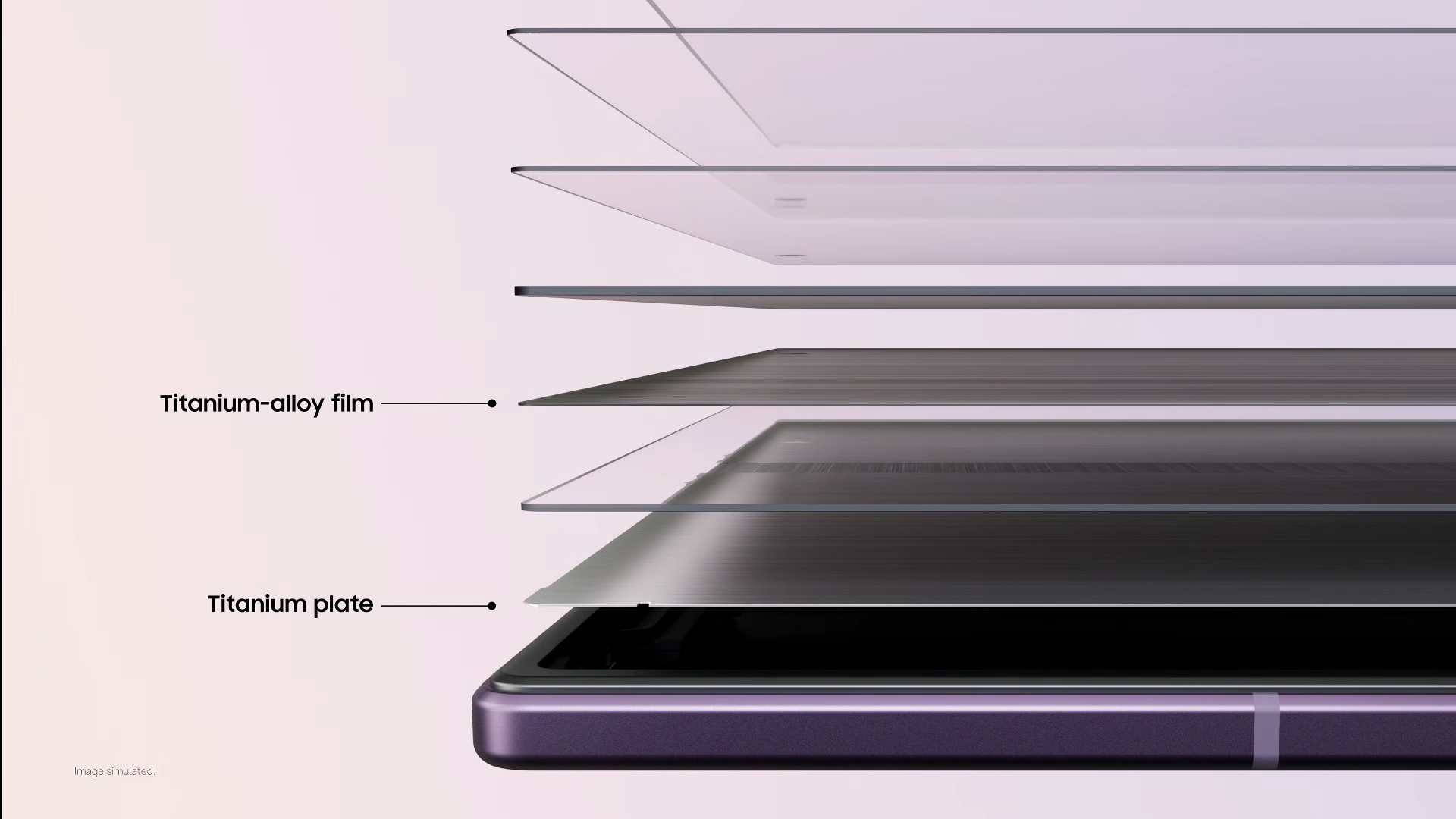
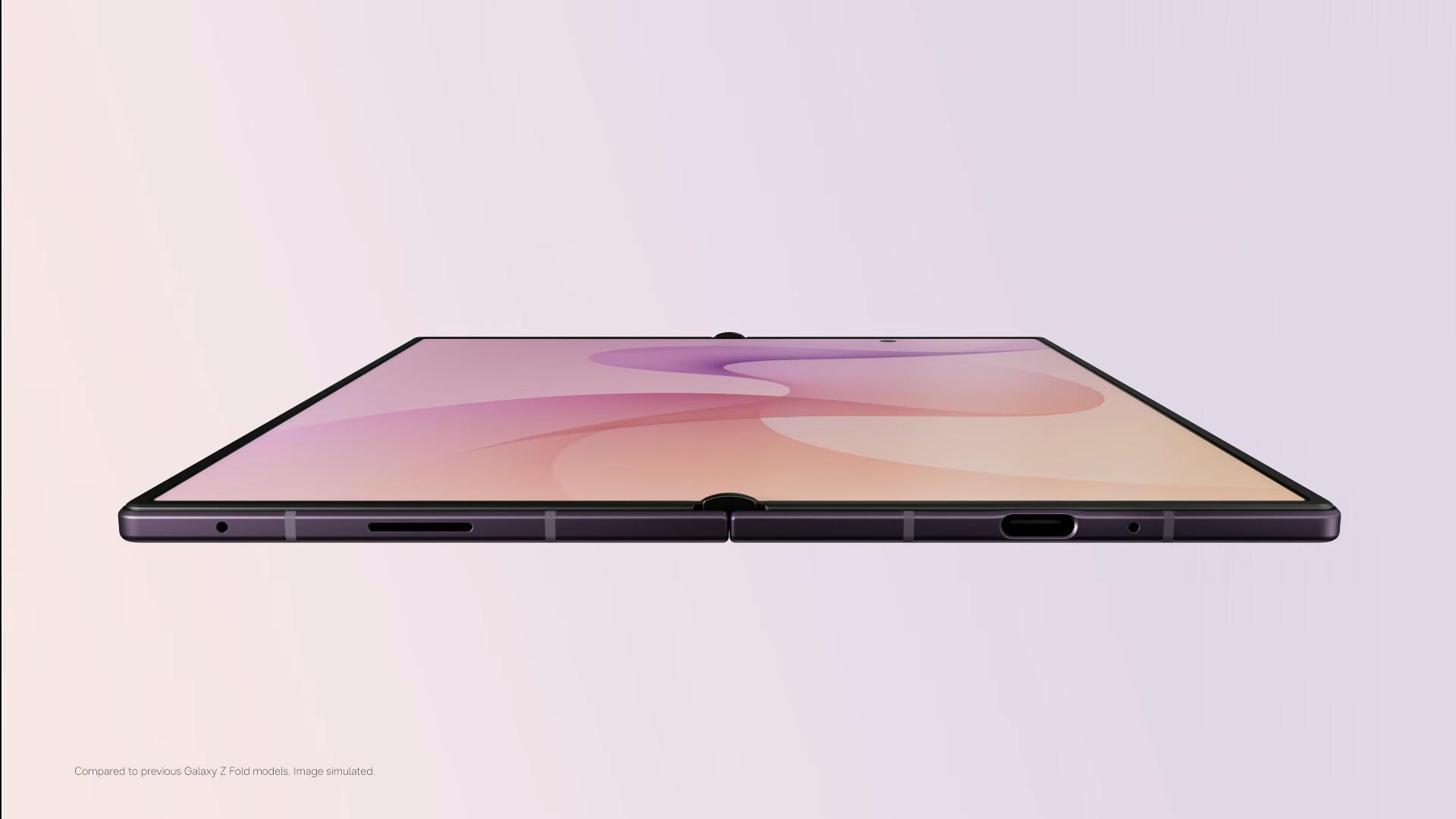
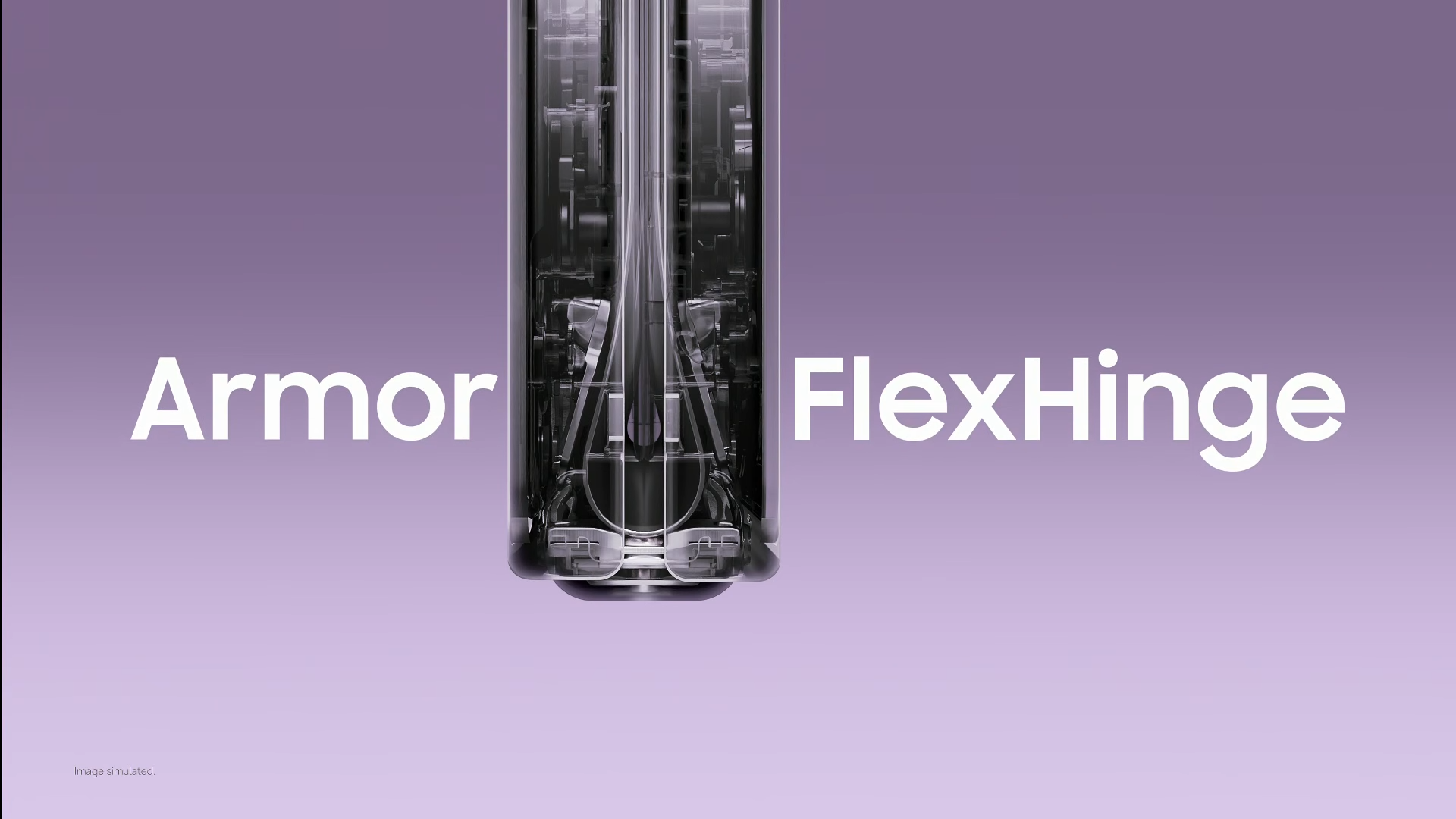
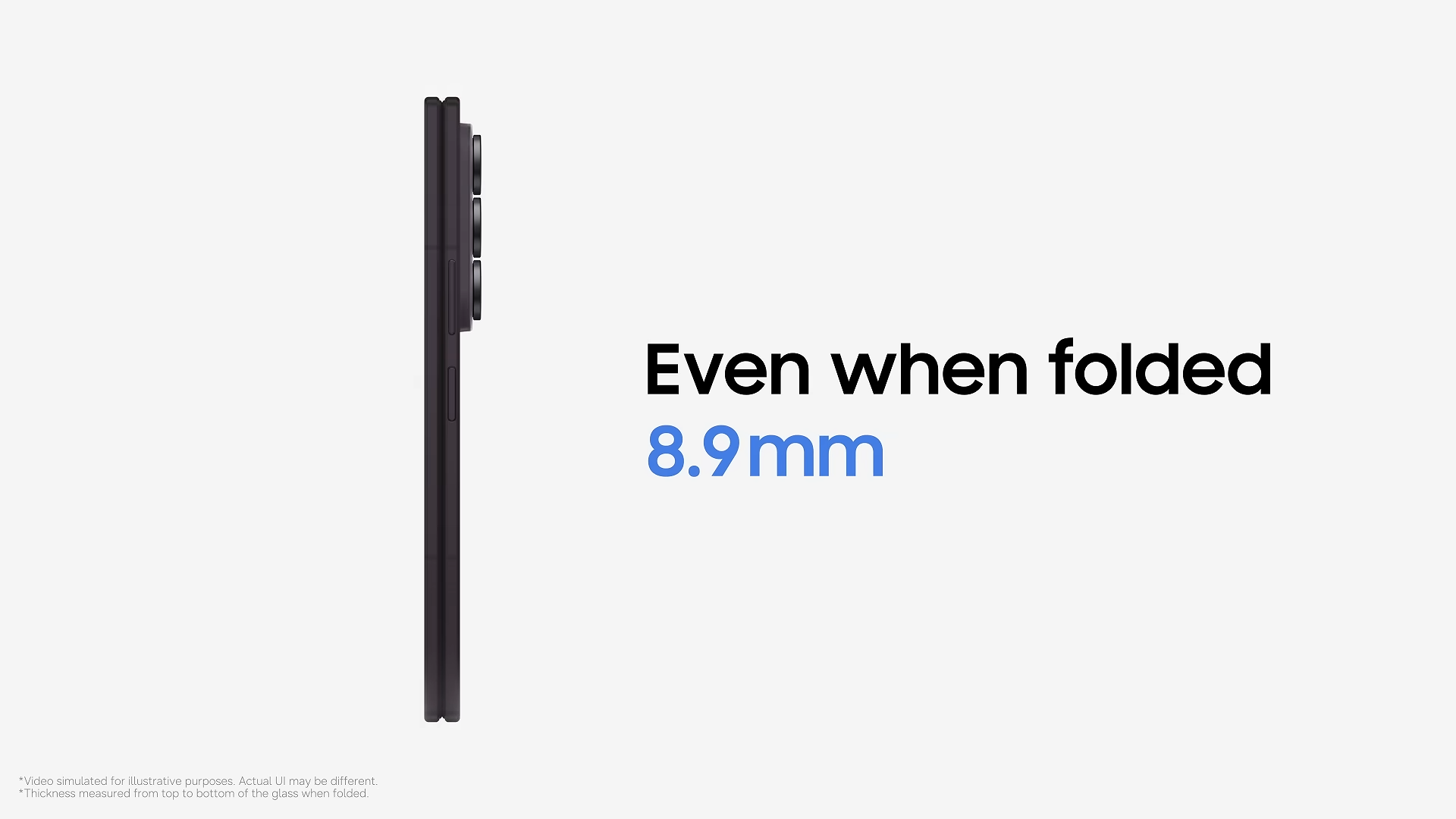
Samsung says this makes the folding display stronger while helping reduce the crease. The redesigned Armor FlexHinge also allows the phone to measure 8.9mm when closed without increasing its 215-gram weight.
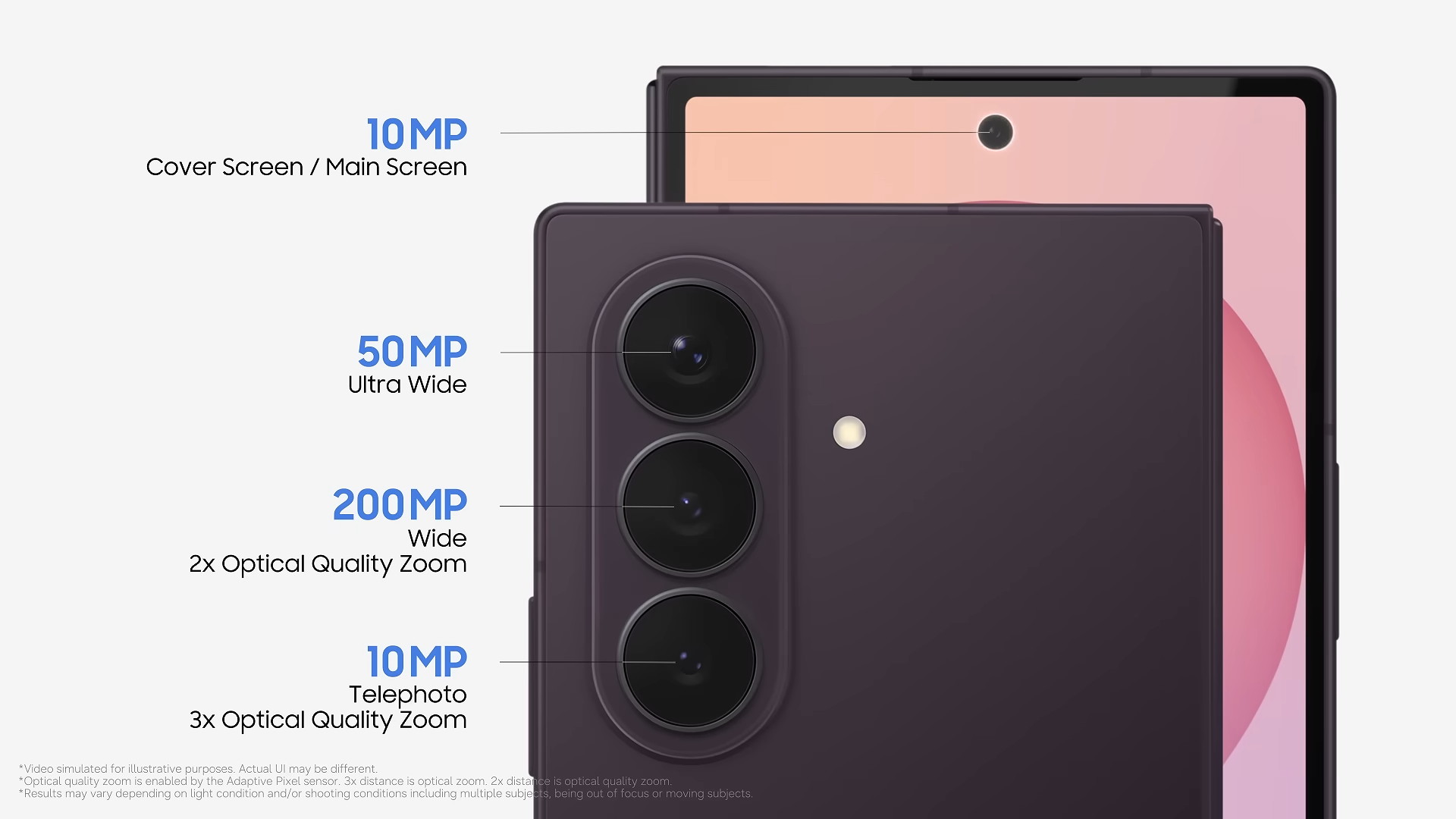
The cameras received upgrades too, including a 200MP main camera, 50MP ultrawide and 10MP telephoto. However, none of those changes explains how Samsung fitted a significantly larger battery inside a thinner phone.
The Biggest Upgrade Is the Battery
The answer is silicon-carbon technology.
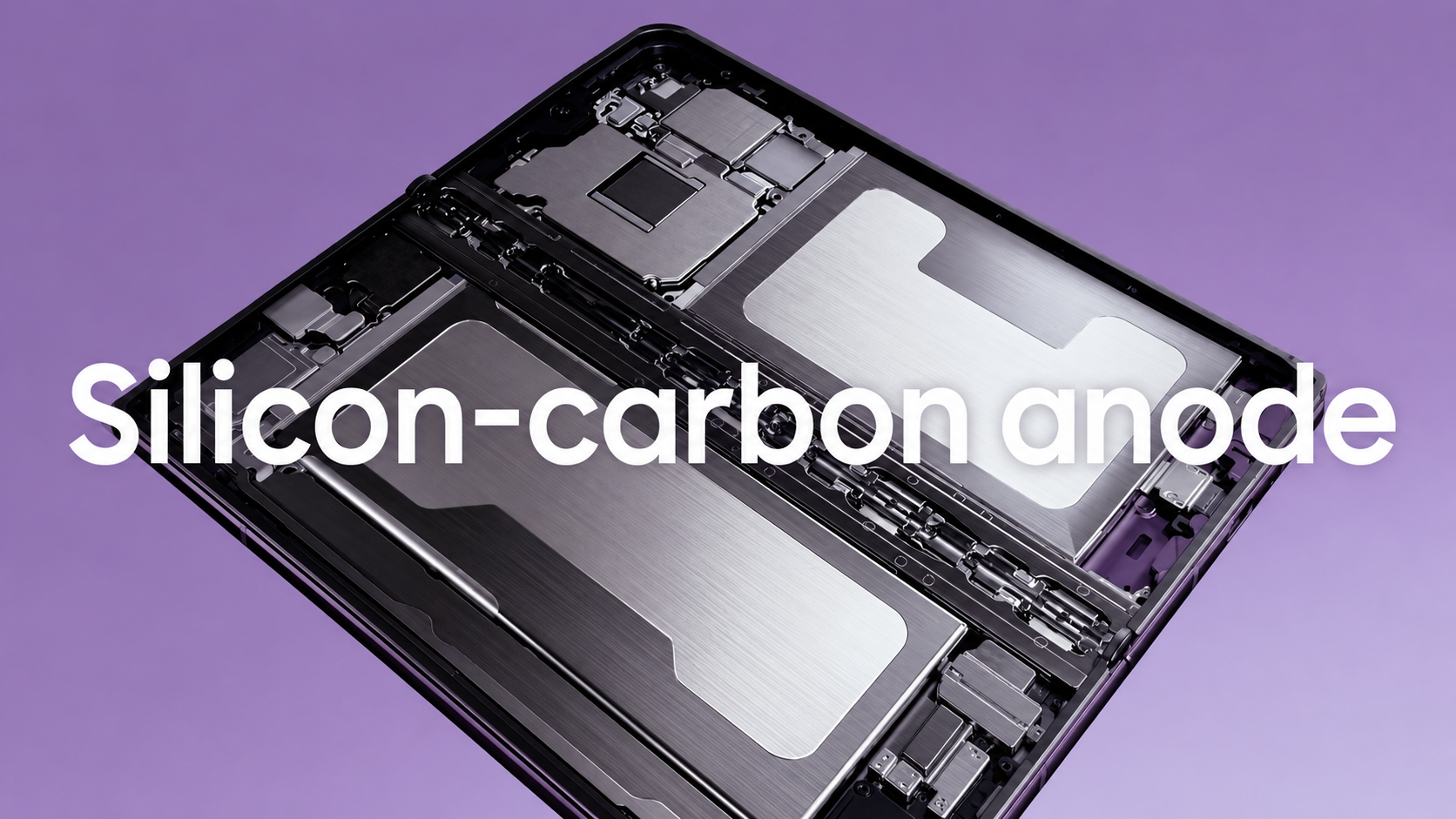
The Fold8 Ultra is Samsung’s first Fold to use a silicon-carbon anode, which allows the battery to hold more energy without taking up as much internal space. That helped Samsung increase capacity to 5,000mAh while making the phone slightly thinner.
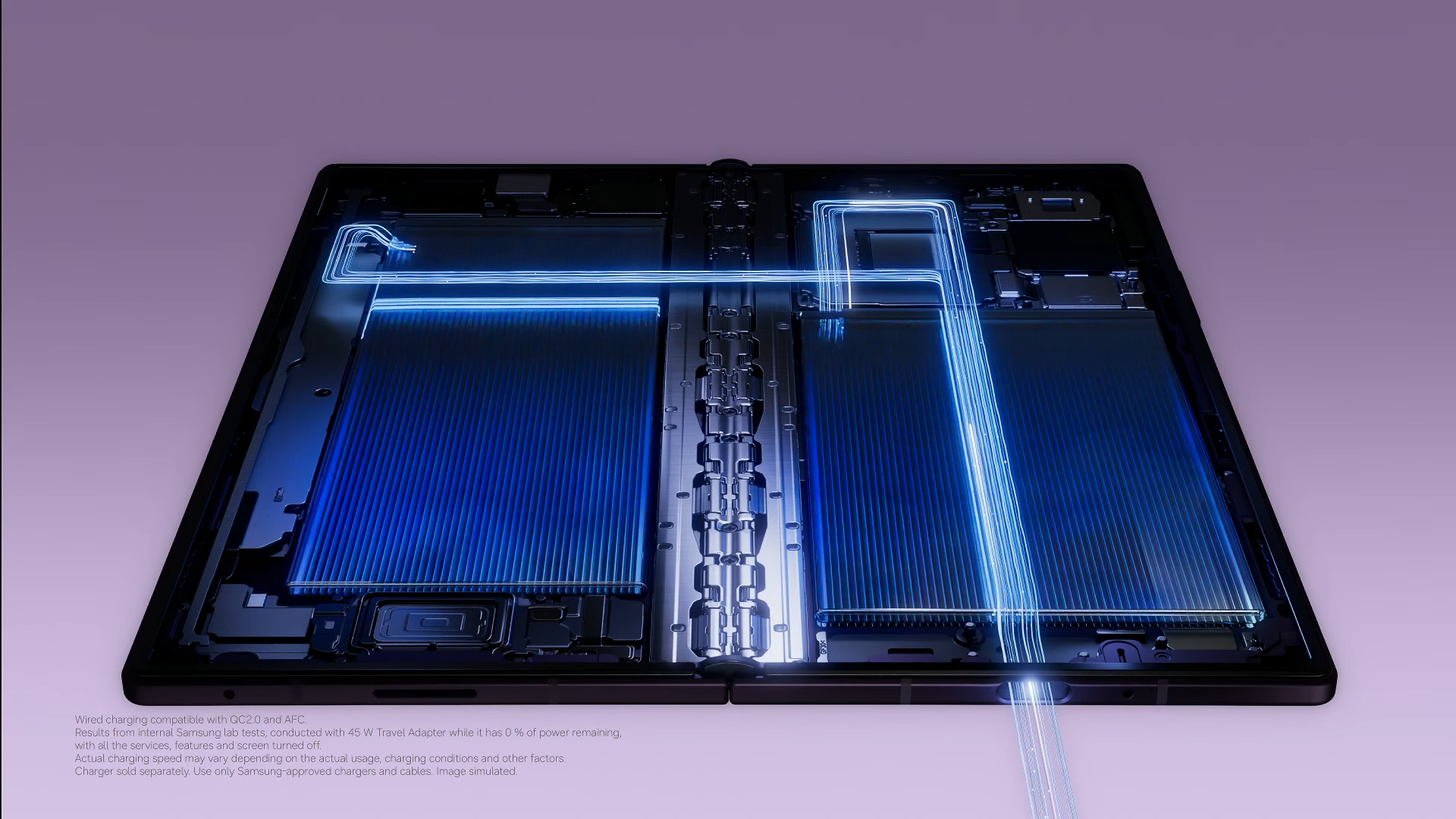
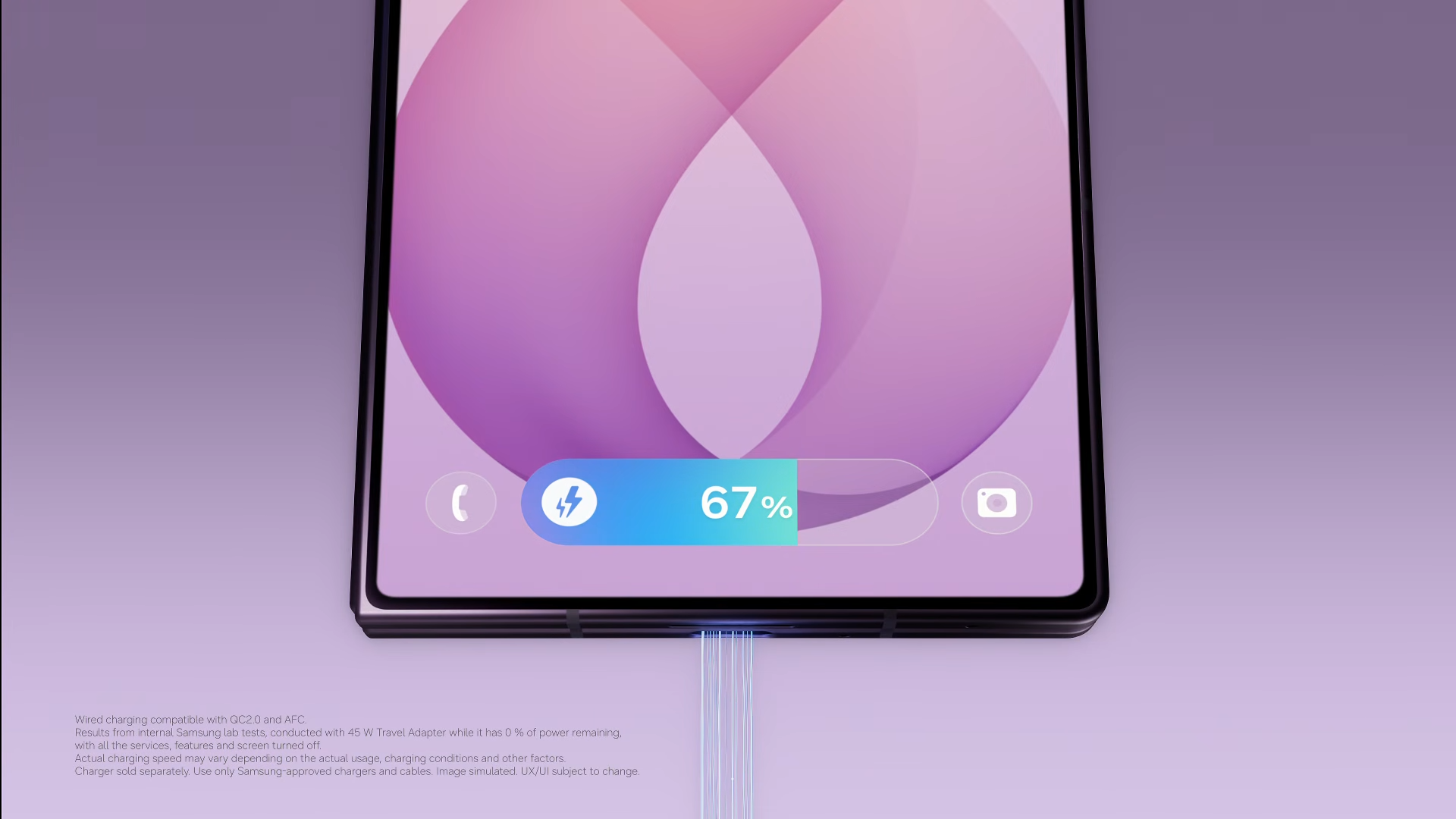
Samsung also upgraded wired charging from 25W to 45W. According to the company, the Fold8 Ultra can reach approximately 67 percent in 30 minutes using a compatible charger.
For a foldable, that could be a much more meaningful improvement than another camera or AI feature. These phones already struggle to balance battery capacity with two displays, a complicated hinge and an extremely thin body.
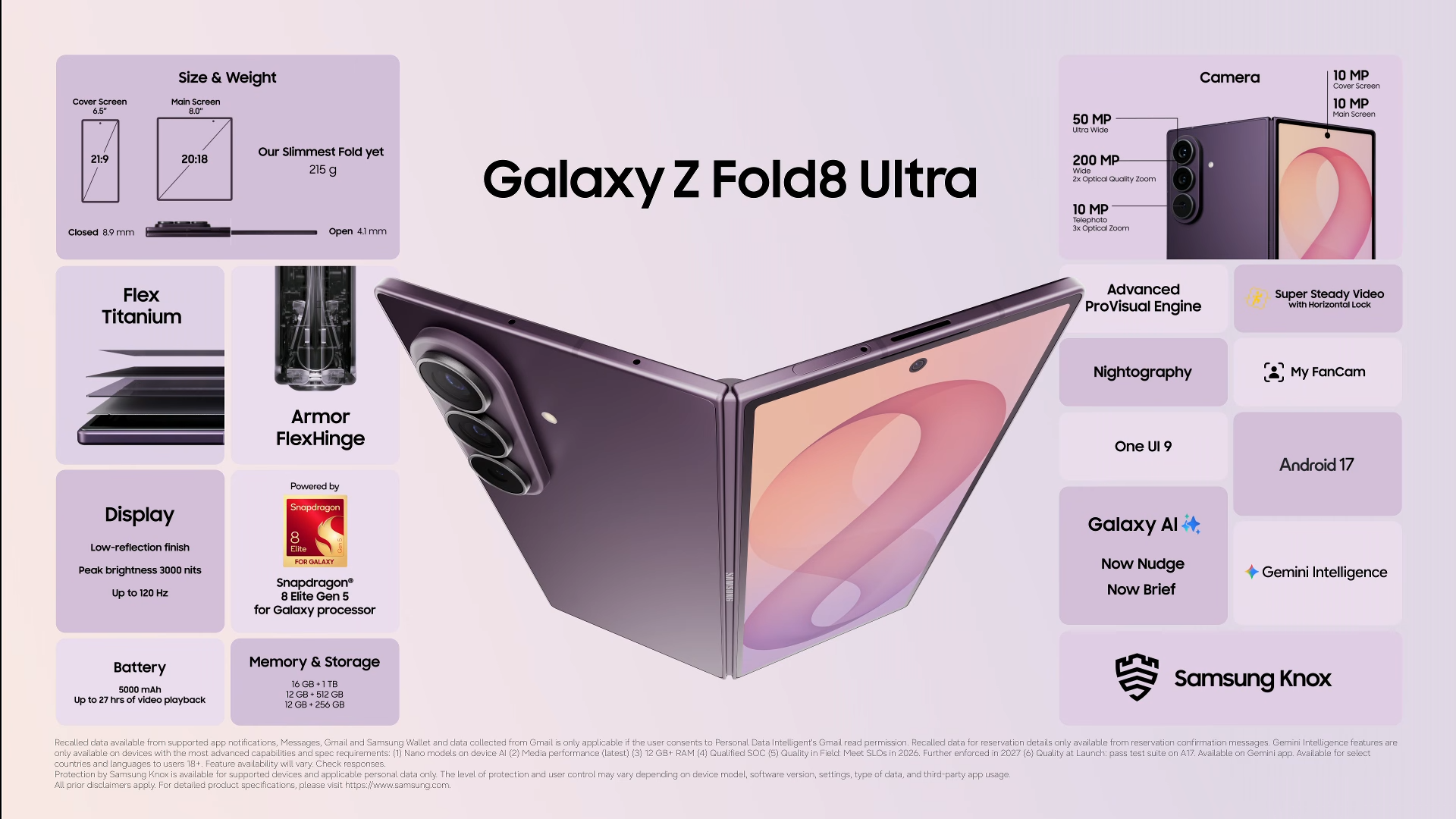
Galaxy Z Fold8 Ultra vs. Galaxy Z Fold7
| Feature | Galaxy Z Fold8 Ultra | Galaxy Z Fold7 |
|---|---|---|
| Main display | 8.0 inches, 3,000 nits | 8.0 inches, 2,600 nits |
| Cover display | 6.5 inches | 6.5 inches |
| Thickness | 4.1mm open, 8.9mm closed | 4.2mm open, 8.9mm closed |
| Weight | 215g | 215g |
| Battery | 5,000mAh | 4,400mAh |
| Wired charging | 45W, up to 67% in 30 minutes | 25W, up to 50% in 30 minutes |
| Rear cameras | 200MP wide, 50MP ultrawide, 10MP telephoto | 200MP wide, 12MP ultrawide, 10MP telephoto |
| Processor | Snapdragon 8 Elite Gen 5 for Galaxy | Snapdragon 8 Elite for Galaxy |
| Starting price | $2,099.99 | $1,999.99 |
The Regular Fold8 Is a Different Kind of Fold
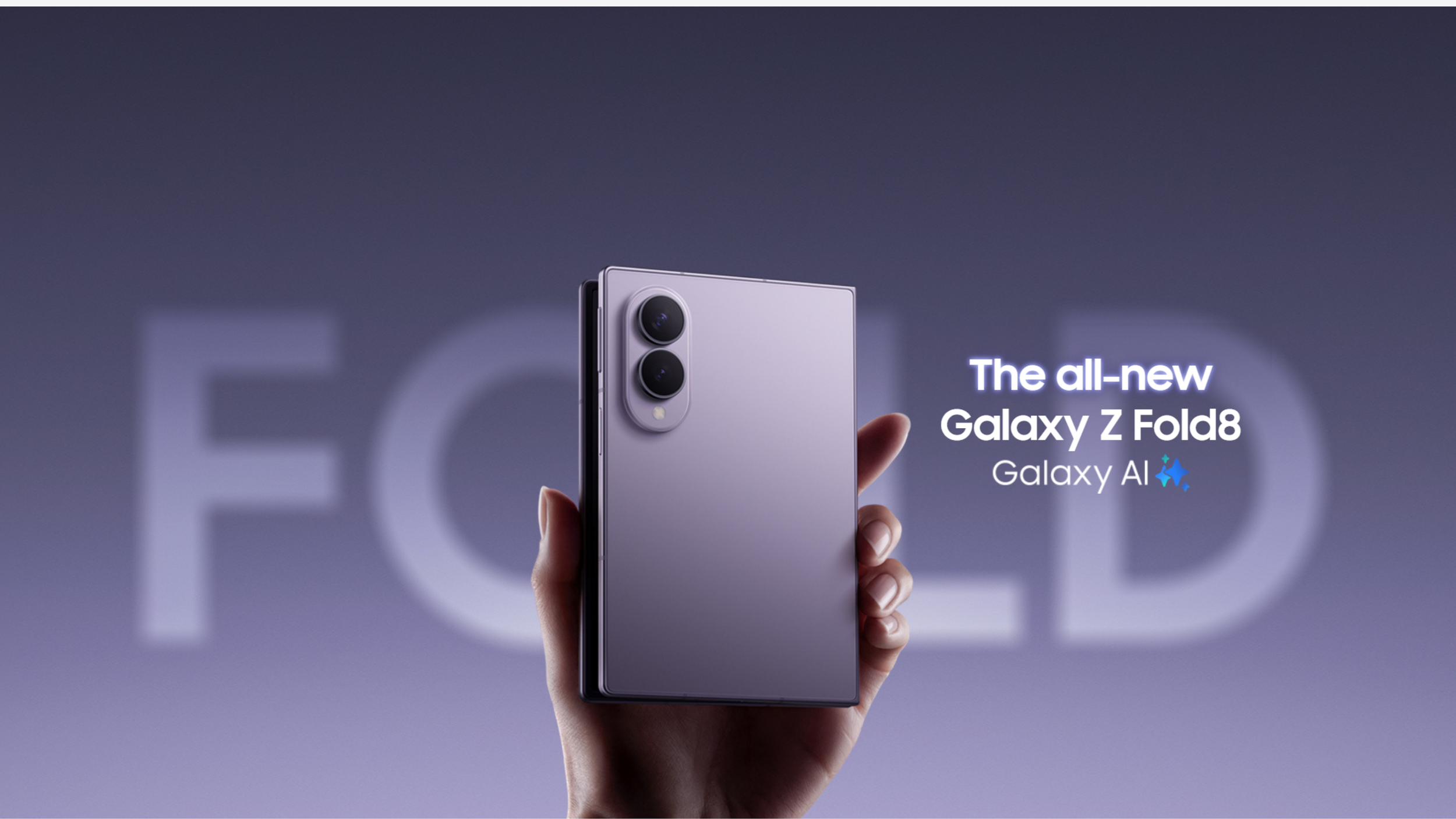
Samsung then introduced the Galaxy Z Fold8, but this is not simply a cheaper Ultra.
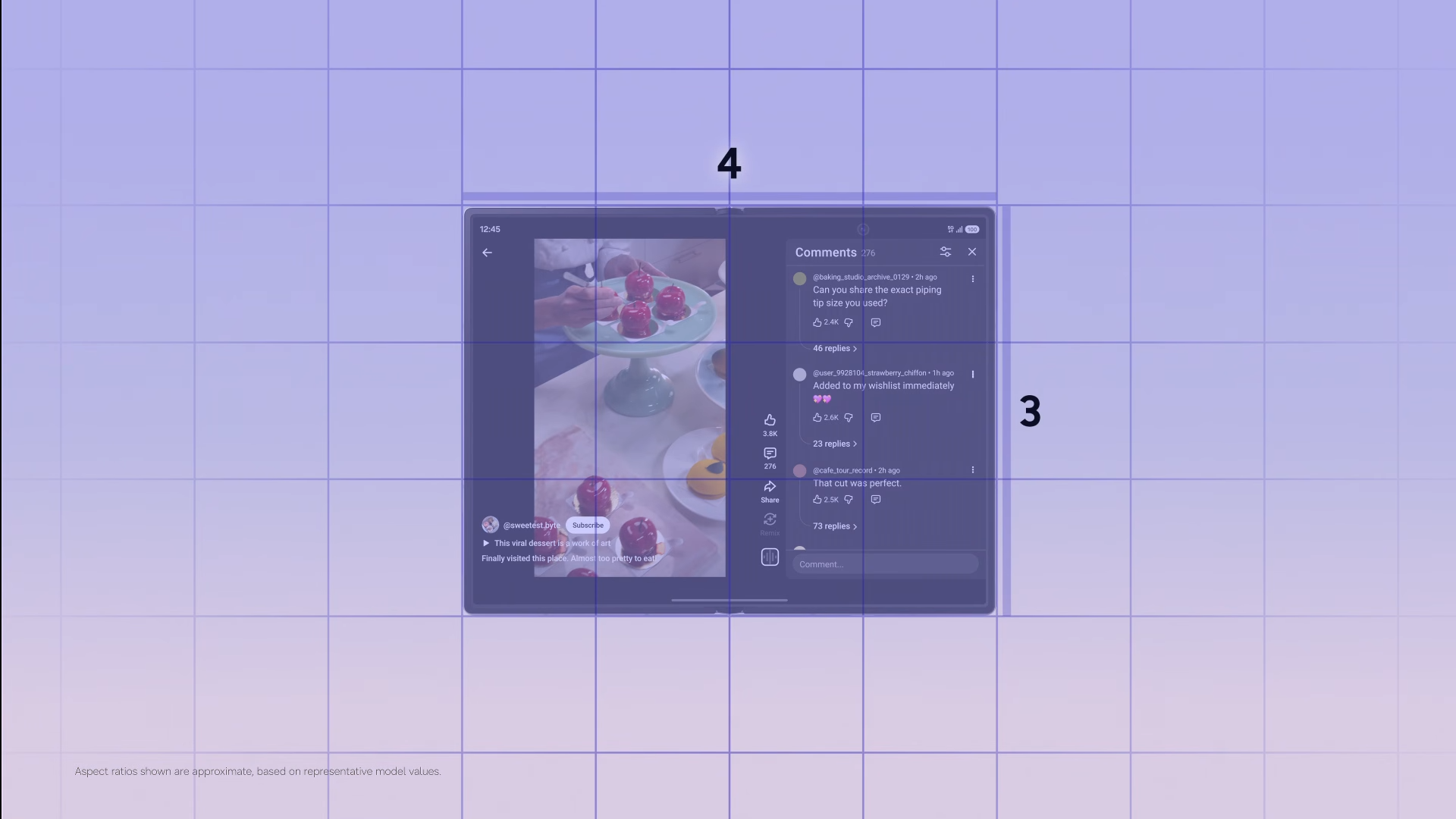
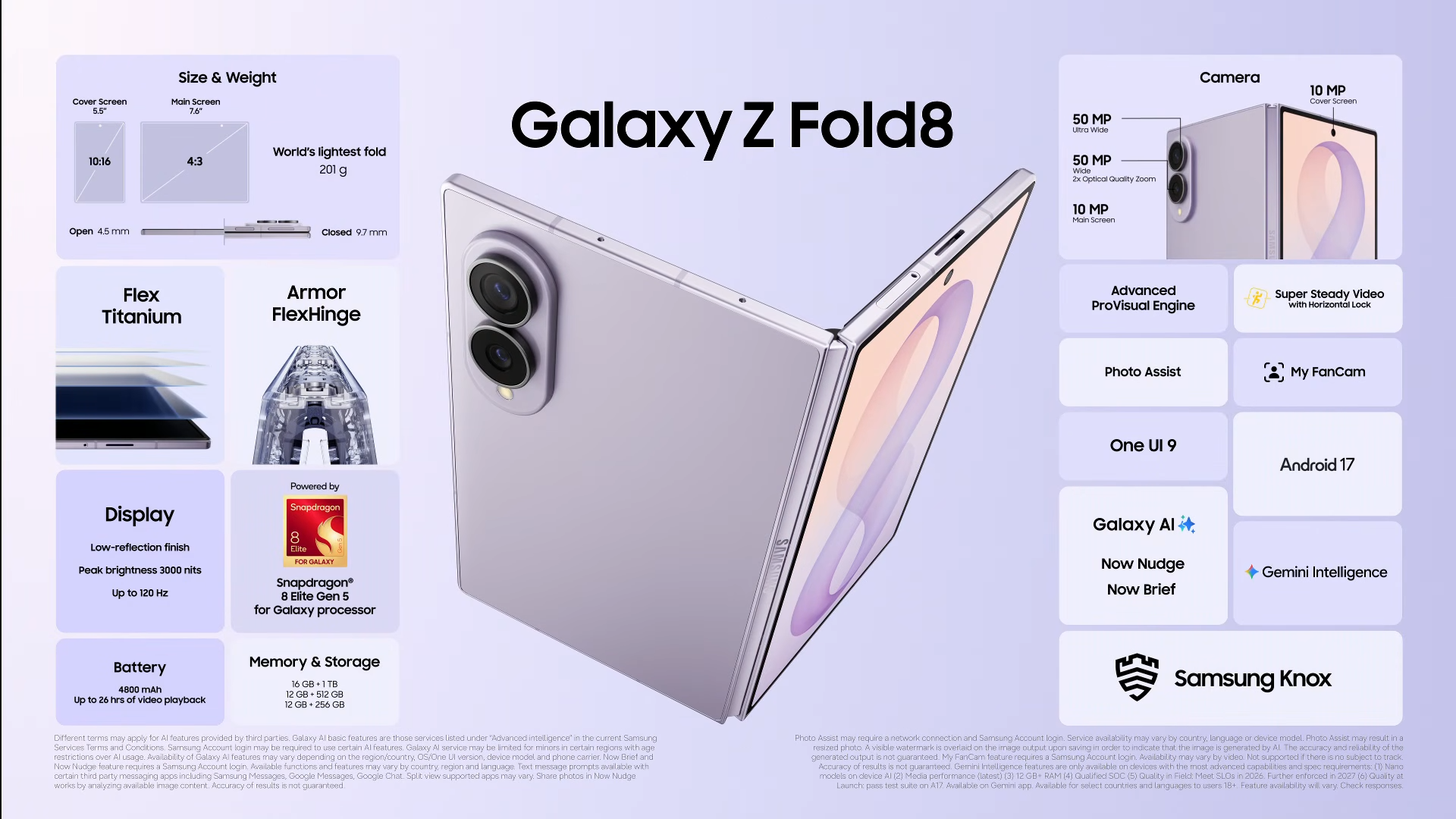
It has a shorter and wider design built around a 7.6-inch internal display and a smaller 5.5-inch cover screen. The unusual proportions are meant to better accommodate different types of content when the phone is opened, closed or rotated.
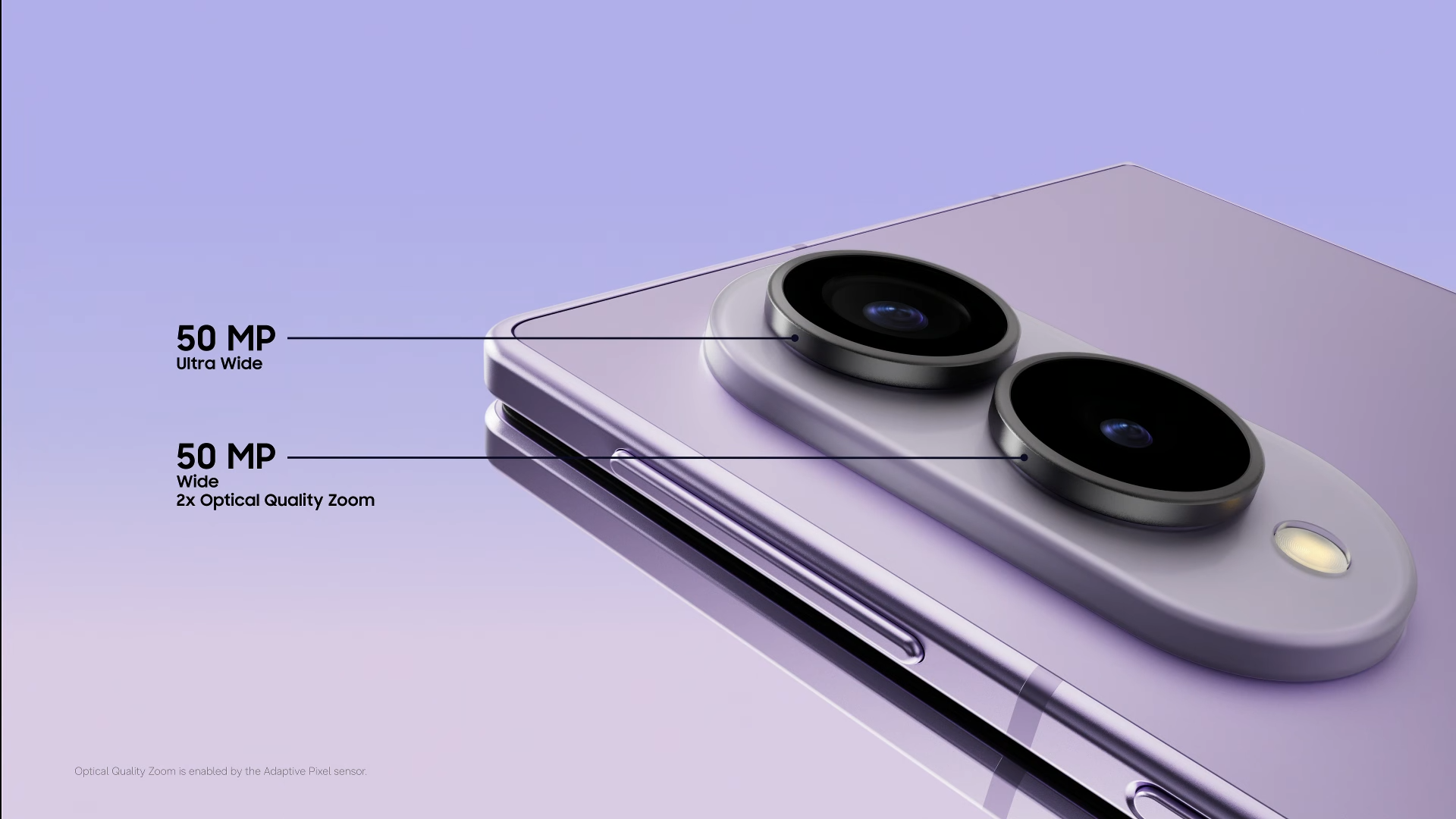
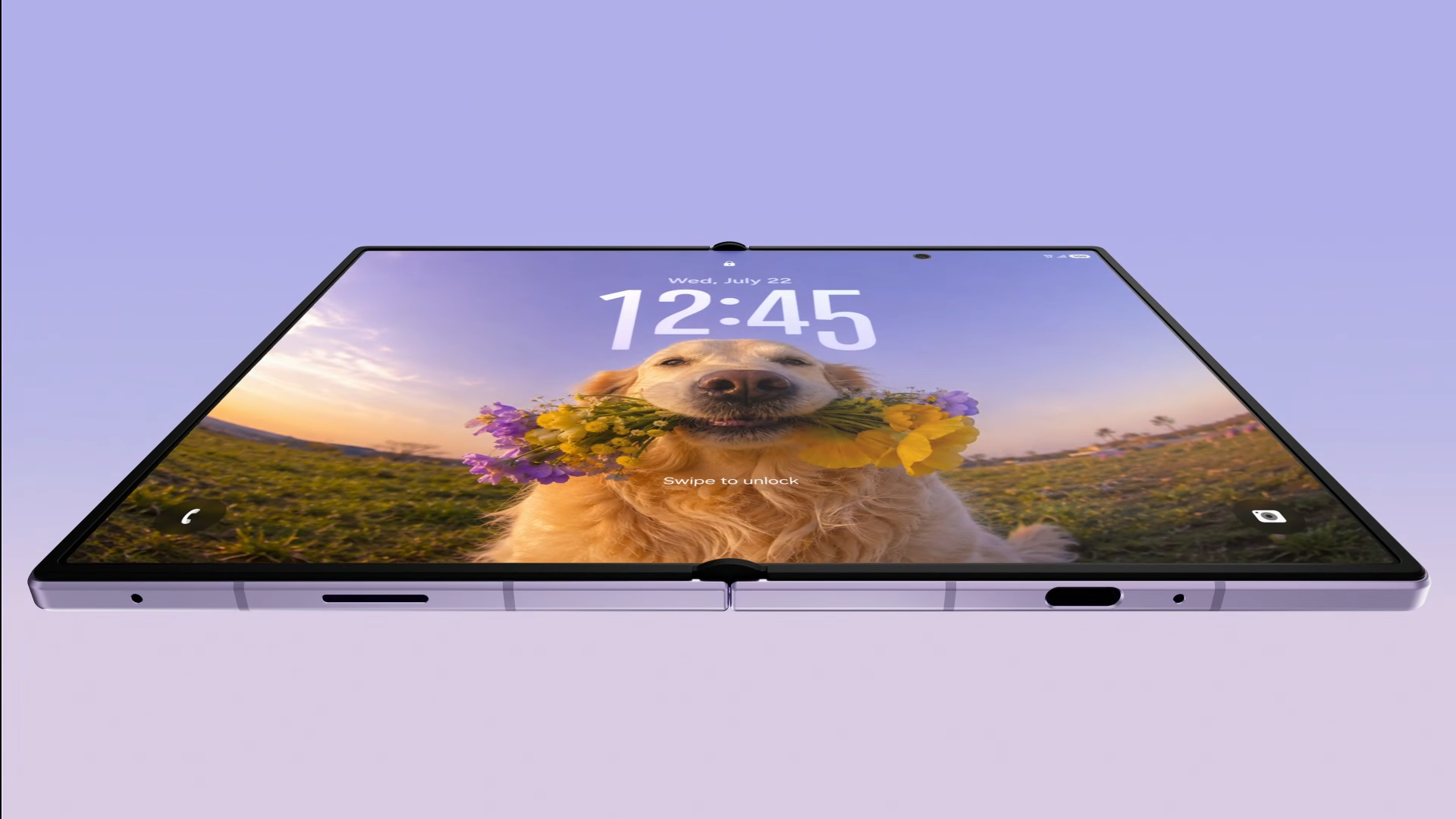
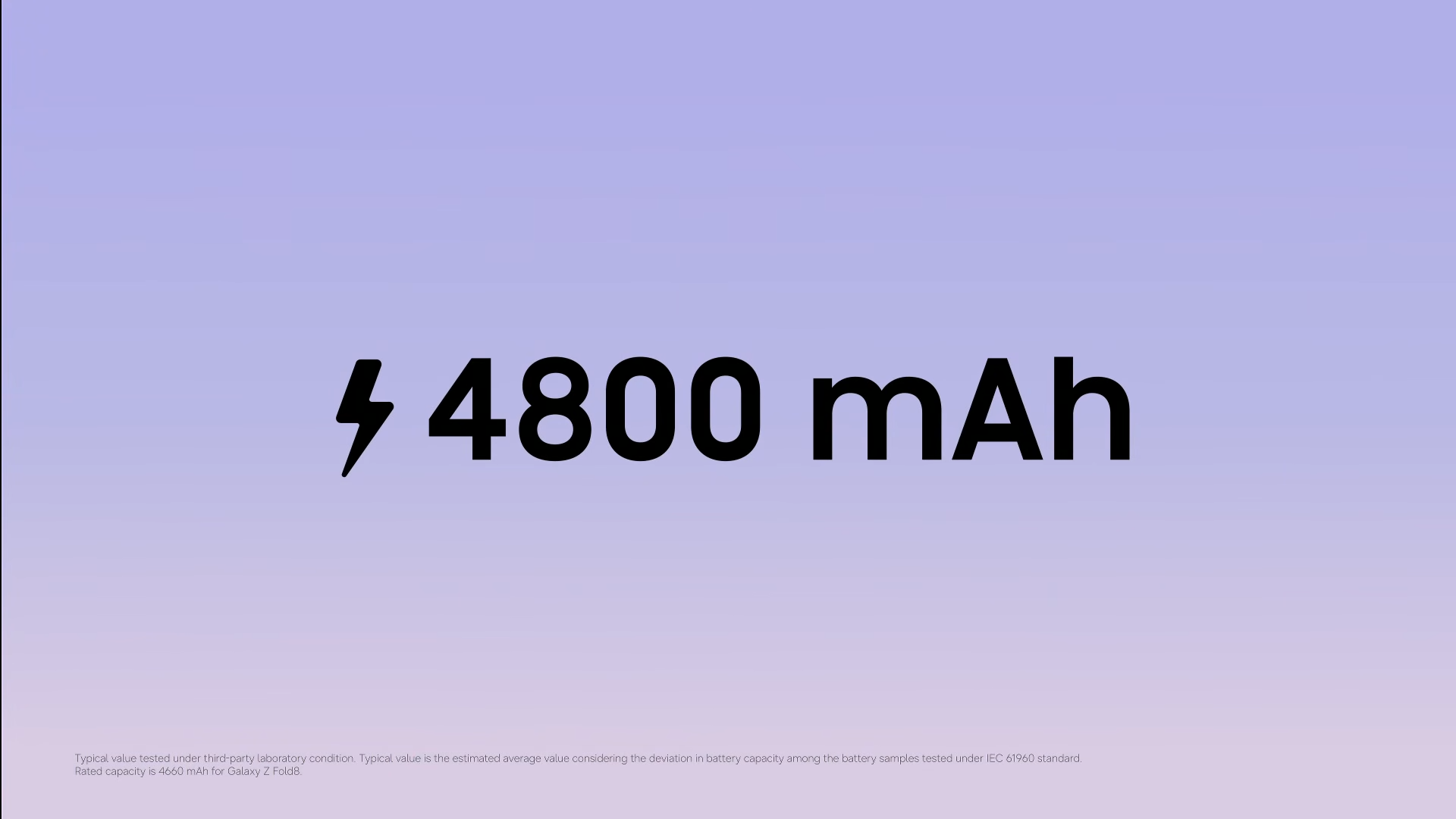
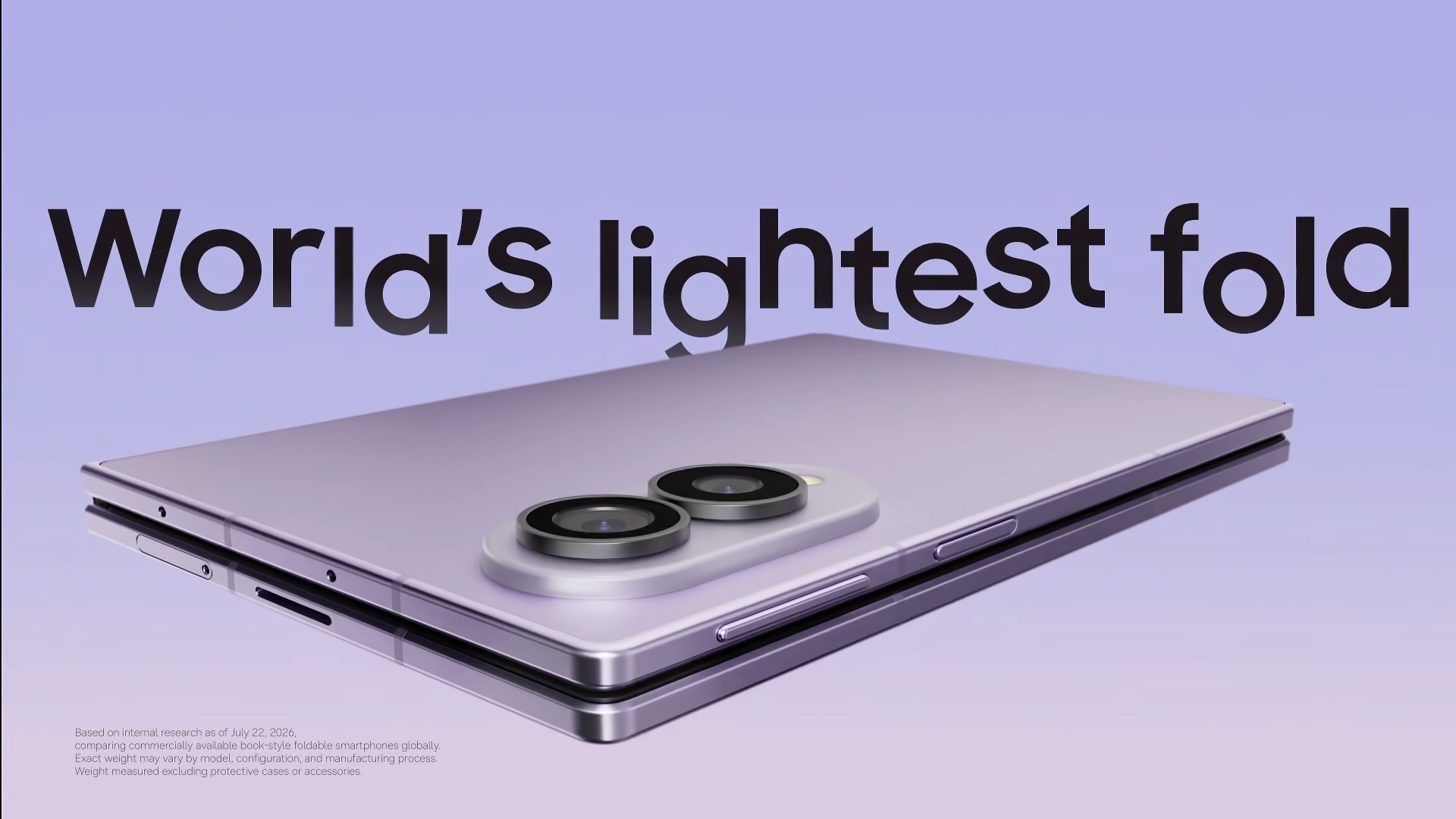
At 201 grams, it is Samsung’s lightest Fold. It also has a 4,800mAh battery, 45W charging and two 50MP rear cameras. The tradeoff is that it loses the Ultra’s larger displays, 200MP main camera and telephoto lens. It is also slightly thicker when closed, despite being lighter overall.
Galaxy Z Fold8 vs. Galaxy Z Fold7
| Feature | Galaxy Z Fold8 | Galaxy Z Fold7 |
|---|---|---|
| Main display | 7.6 inches, 4:3 ratio | 8.0 inches |
| Cover display | 5.5 inches, 10:16 ratio | 6.5 inches, 21:9 ratio |
| Thickness | 4.5mm open, 9.7mm closed | 4.2mm open, 8.9mm closed |
| Weight | 201g | 215g |
| Battery | 4,800mAh | 4,400mAh |
| Wired charging | 45W, up to 63% in 30 minutes | 25W, up to 50% in 30 minutes |
| Rear cameras | 50MP wide and 50MP ultrawide | 200MP wide, 12MP ultrawide and 10MP telephoto |
| Processor | Snapdragon 8 Elite Gen 5 for Galaxy | Snapdragon 8 Elite for Galaxy |
| Starting price | $1,899.99 | $1,999.99 |
The Flip8 Is a Smaller Upgrade
The Galaxy Z Flip8 keeps the same 6.9-inch folding display, 4.1-inch FlexWindow, 4,300mAh battery and 50MP main camera as the Flip7.
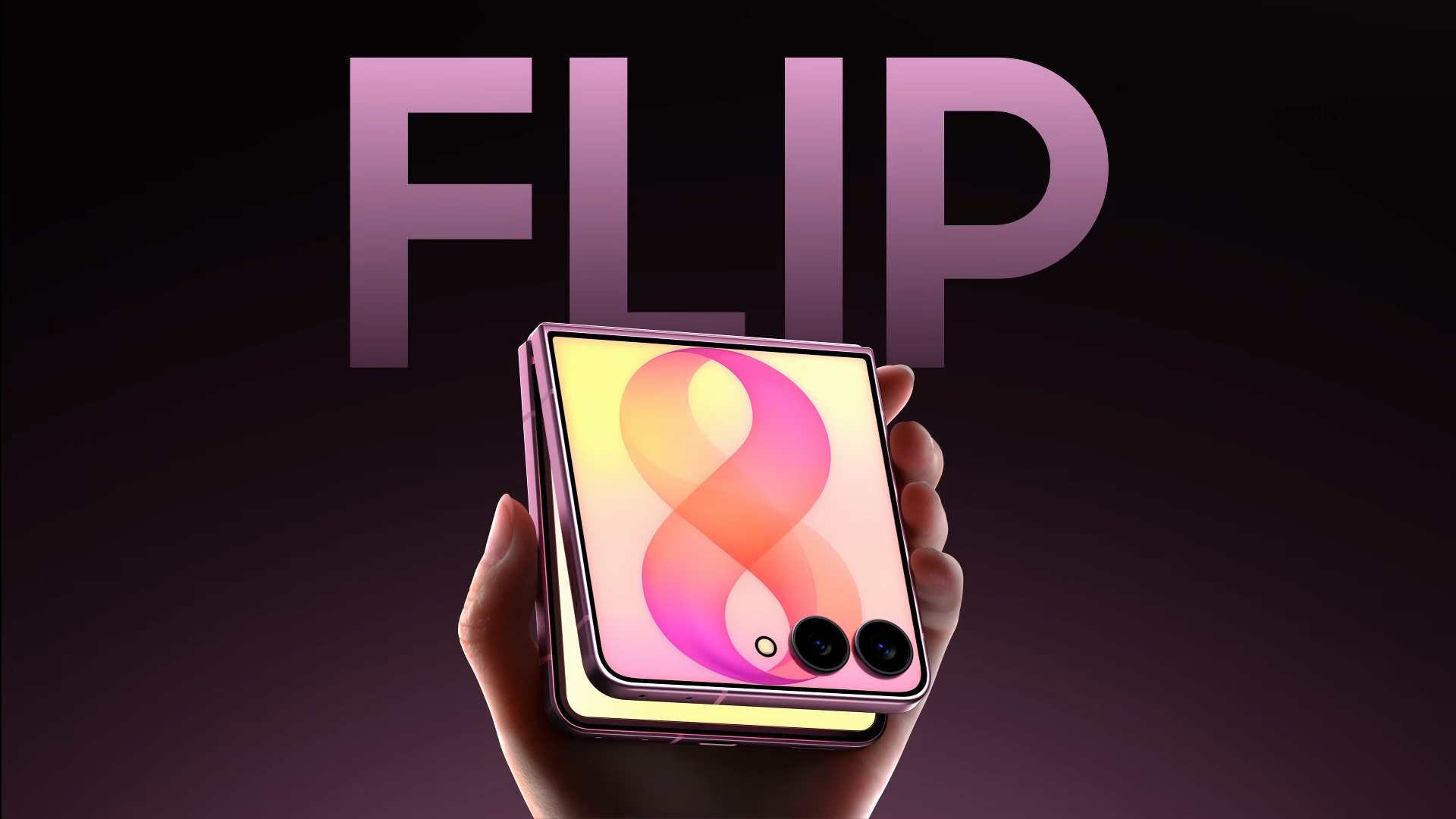
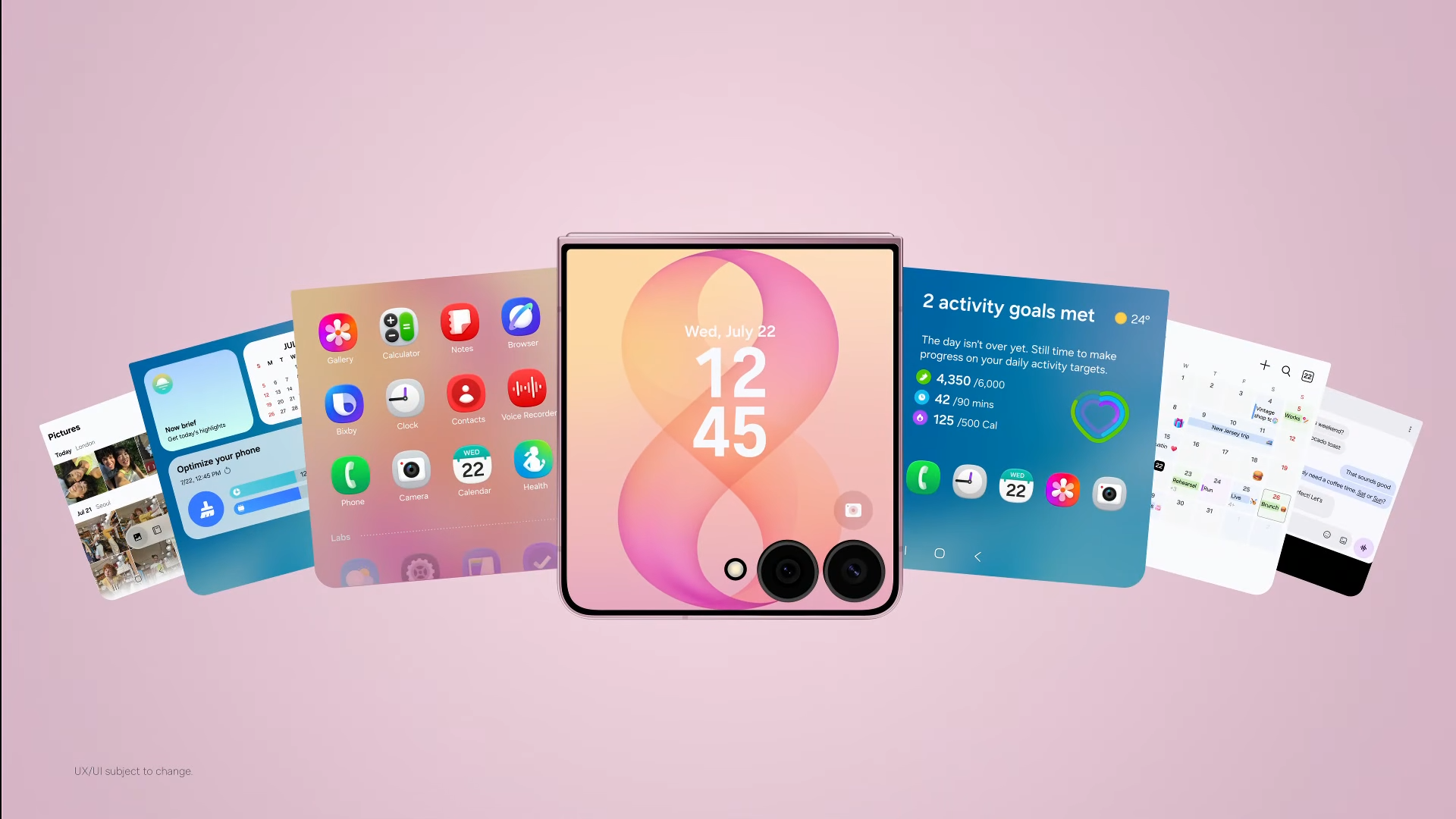
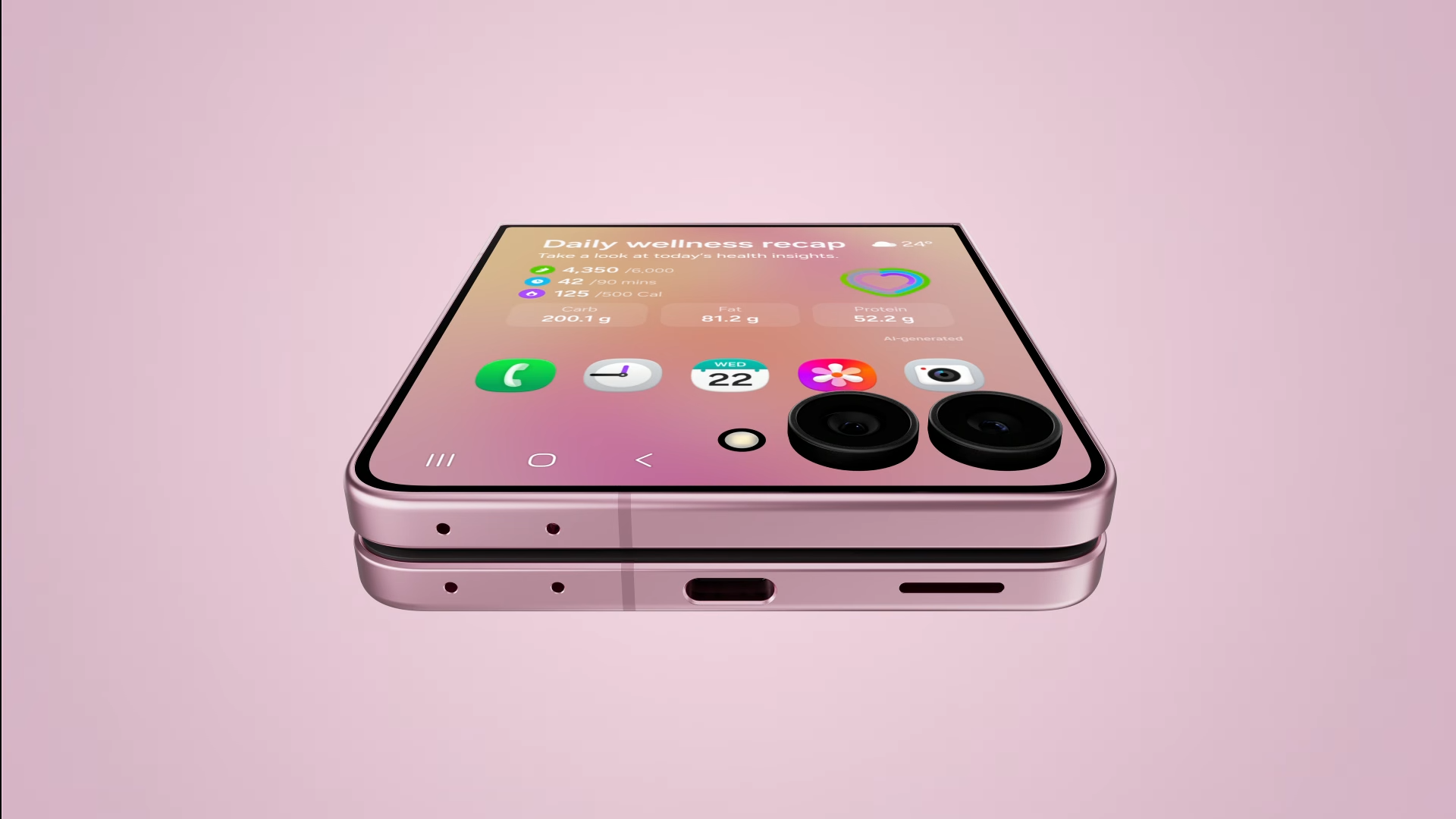
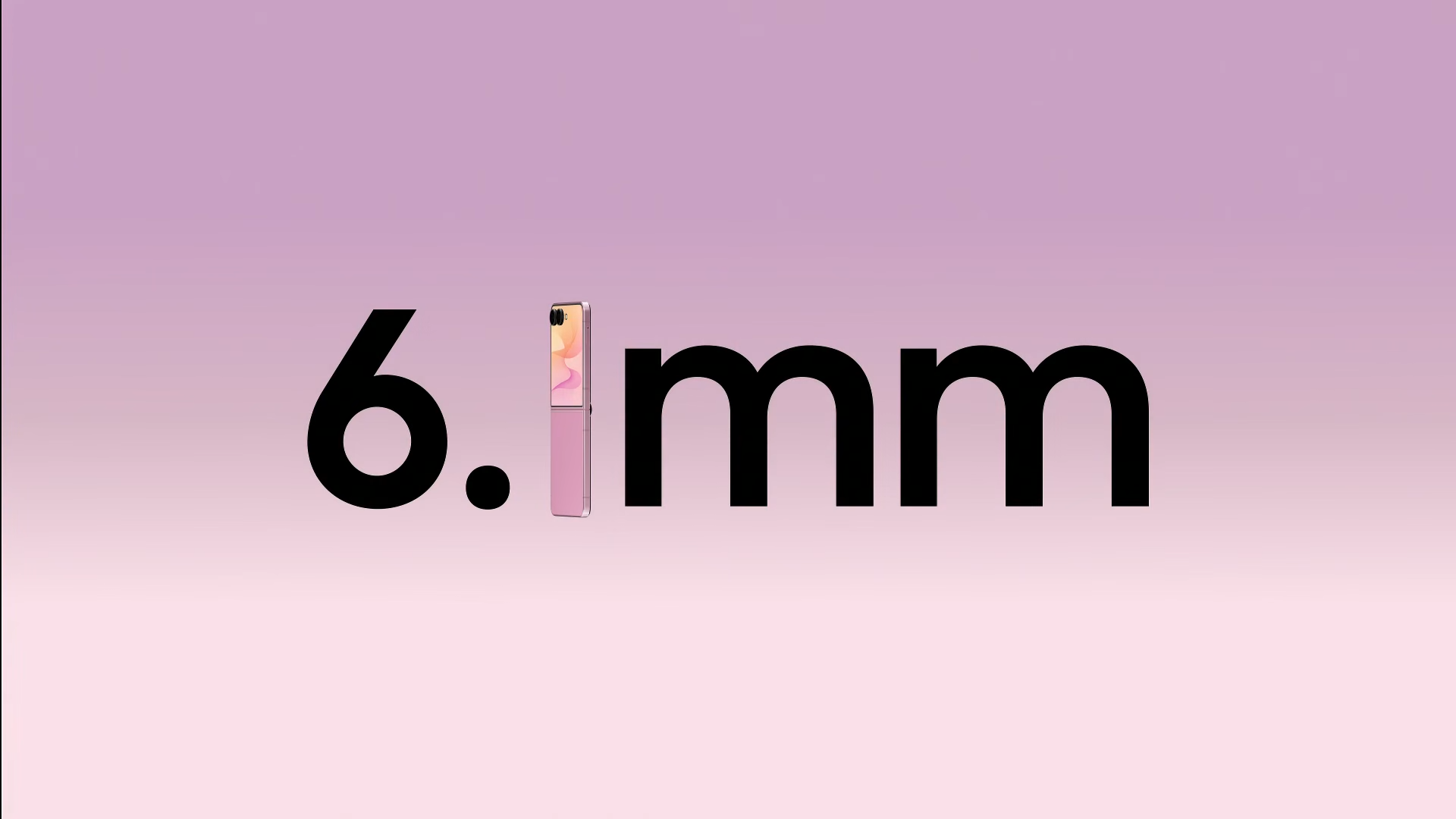
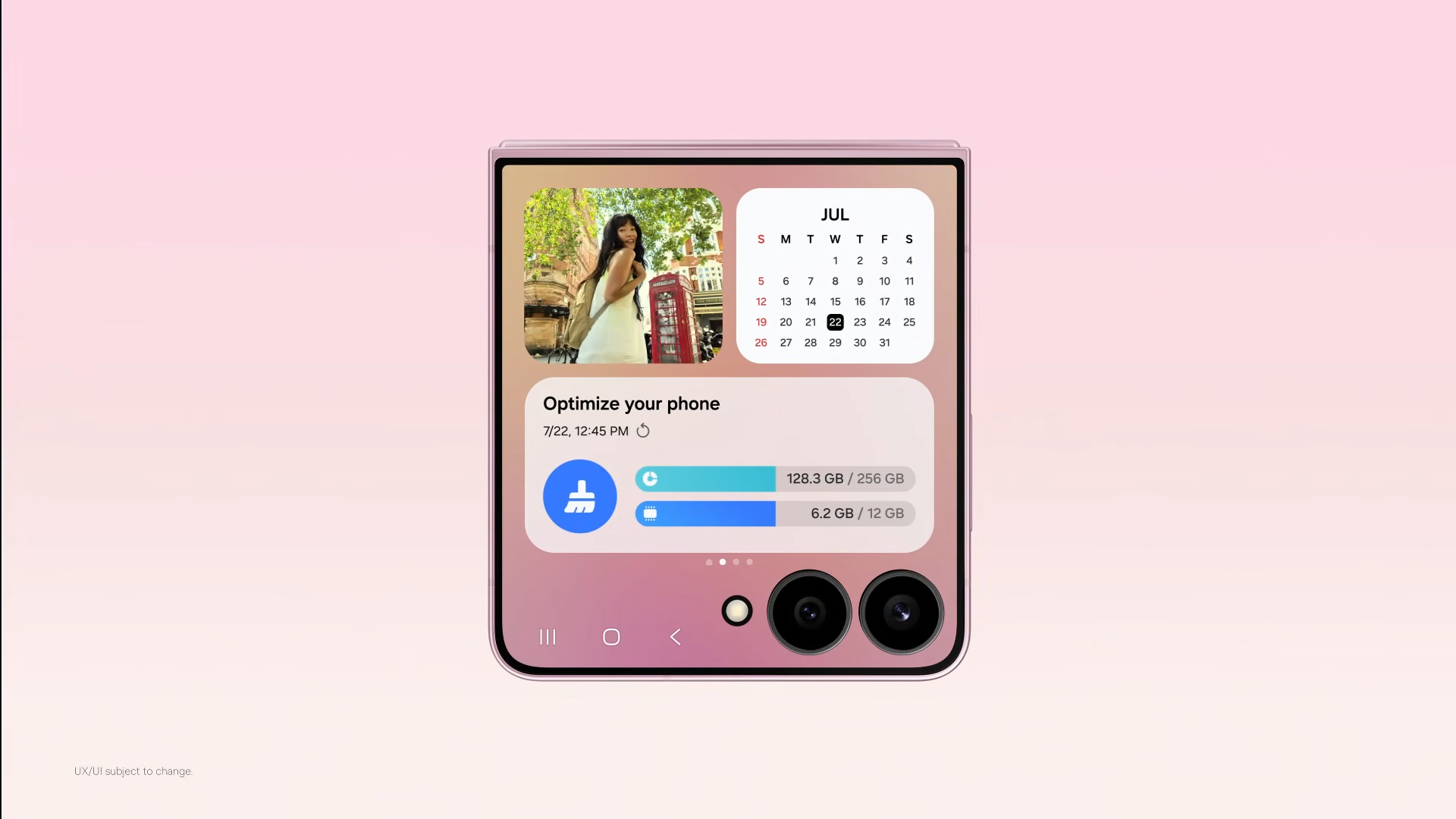
Its main improvements are a thinner 6.1mm body, a lighter 180-gram weight and redesigned FlexWindow controls through One UI 9. More tasks can now be completed from the cover screen without opening the phone.

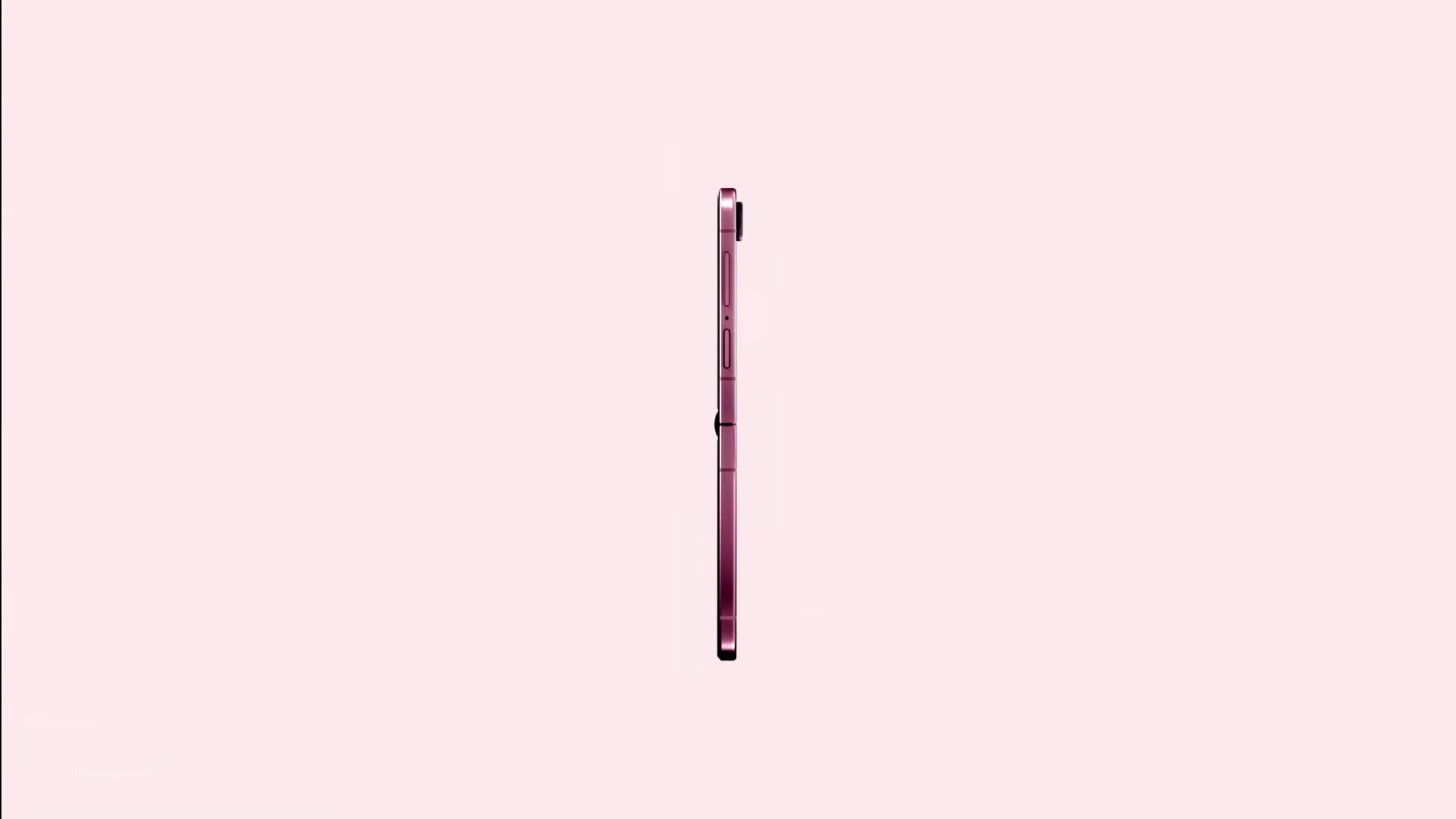
Samsung also improved video stabilization, leaning into the Flip’s ability to work like a small handheld camcorder. These changes should make the Flip8 nicer to use, but they are not as significant as what Samsung changed inside the Fold8 Ultra.
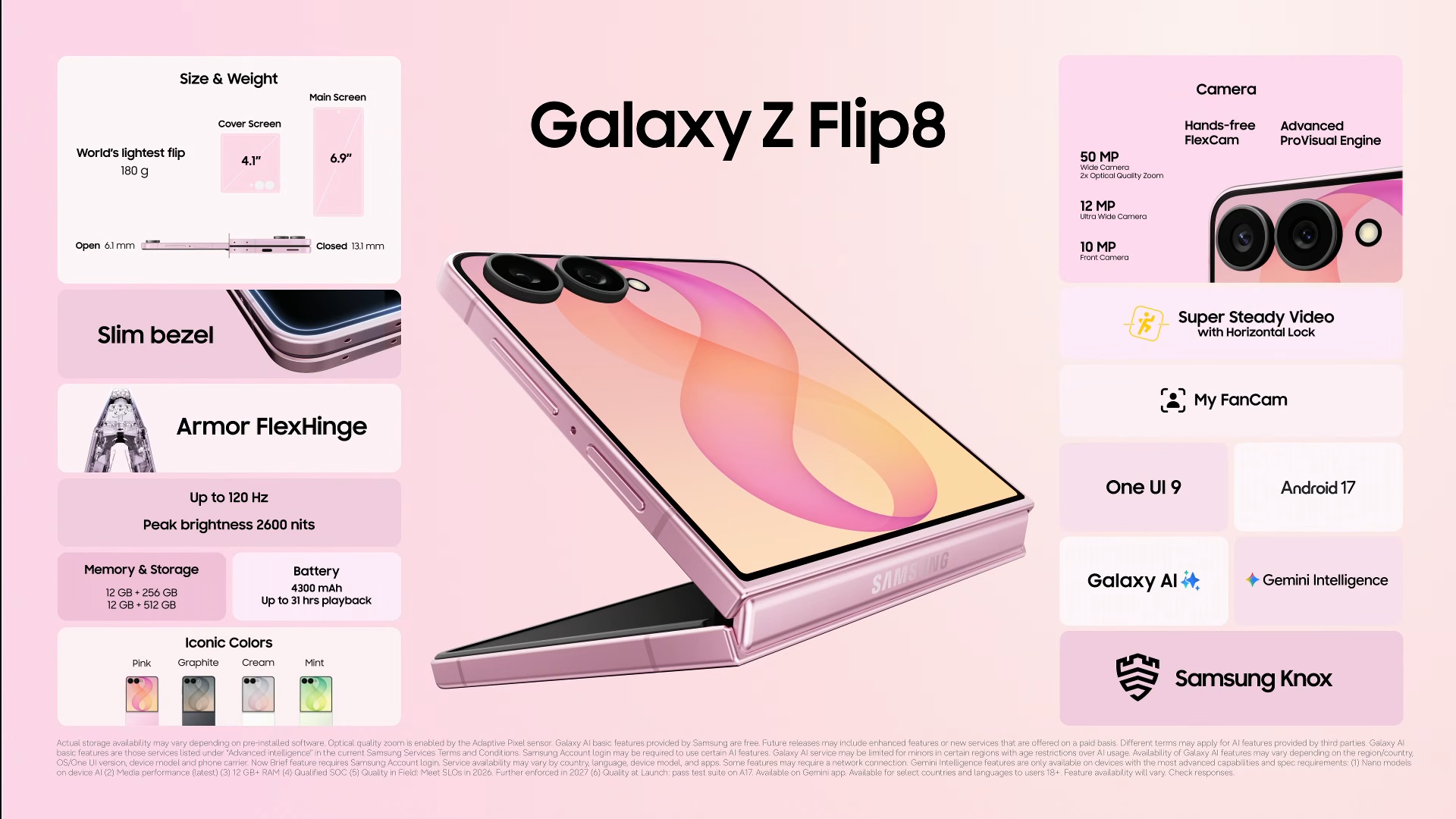
Galaxy Z Flip8 vs. Galaxy Z Flip7
| Feature | Galaxy Z Flip8 | Galaxy Z Flip7 |
|---|---|---|
| Main display | 6.9 inches | 6.9 inches |
| FlexWindow | 4.1 inches with redesigned full-screen controls | 4.1 inches |
| Thickness | 6.1mm open, 13.1mm closed | 6.5mm open, 13.7mm closed |
| Weight | 180g | 188g |
| Battery | 4,300mAh | 4,300mAh |
| Rear cameras | 50MP wide and 12MP ultrawide | 50MP wide and 12MP ultrawide |
| Processor | Exynos 2600 | Exynos 2500 |
| Software | Android 17 with One UI 9 | Android 16 with One UI 8 |
| Starting price | $1,199.99 | $1,099.99 |
One UI 9 Puts Repair Support in One Place
Samsung also introduced a new Warranty and Care hub through One UI 9.

It allows users to check warranty coverage, run diagnostics, request repairs, contact remote support and manage Samsung Care+ from one place. Users can also schedule service appointments and view repair estimates directly from the phone. This will not make the foldables physically easier to repair, but it should make official repair support easier to access.
Final Thoughts
Samsung now has three foldables aimed at different users, but the Fold8 Ultra clearly received the most important upgrade. Its silicon-carbon battery allowed Samsung to increase capacity while making the phone thinner, solving one of the biggest limitations of modern foldables.
The new Flex Titanium display and reduced crease also sound promising, but only a teardown will show what Samsung had to change internally and whether the thinner construction affects long-term durability or repairability.
See you in the next article!
