
Why Does Face ID Still Work With a Privacy Screen Protector?
Apple says privacy screen protectors can interfere with Face ID on the iPhone 18 Pro, especially if they affect the new sensor area under the display.
So I put one on expecting problems… but Face ID worked just fine.
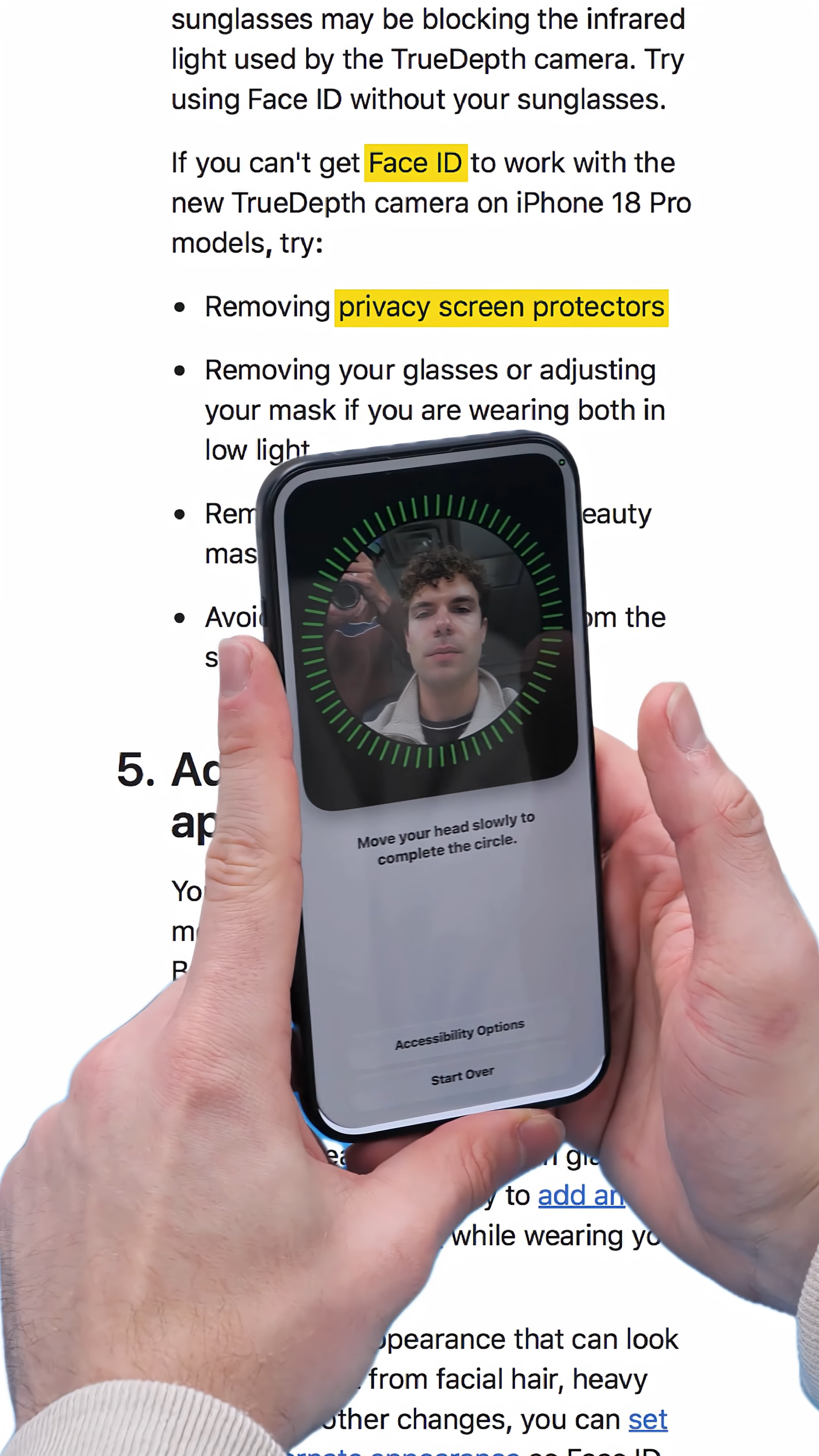
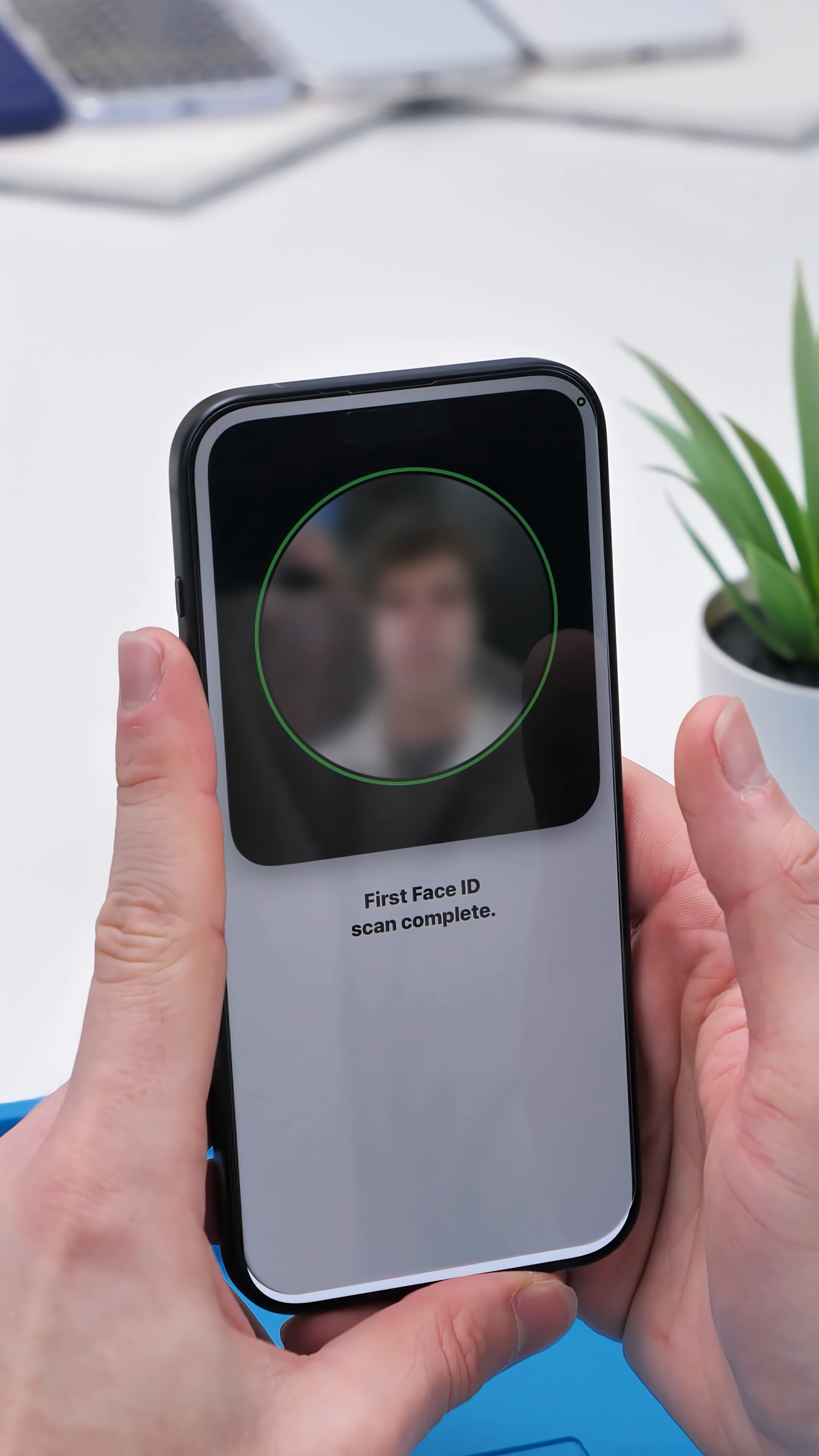
The reason has less to do with the screen protector itself and more to do with what Apple changed underneath the display.
The Face ID Camera Moved
The iPhone 18 Pro has a smaller Dynamic Island, and part of that redesign involved moving the infrared camera used by Face ID. Instead of sitting inside the main cutout, that camera now sits under the display.
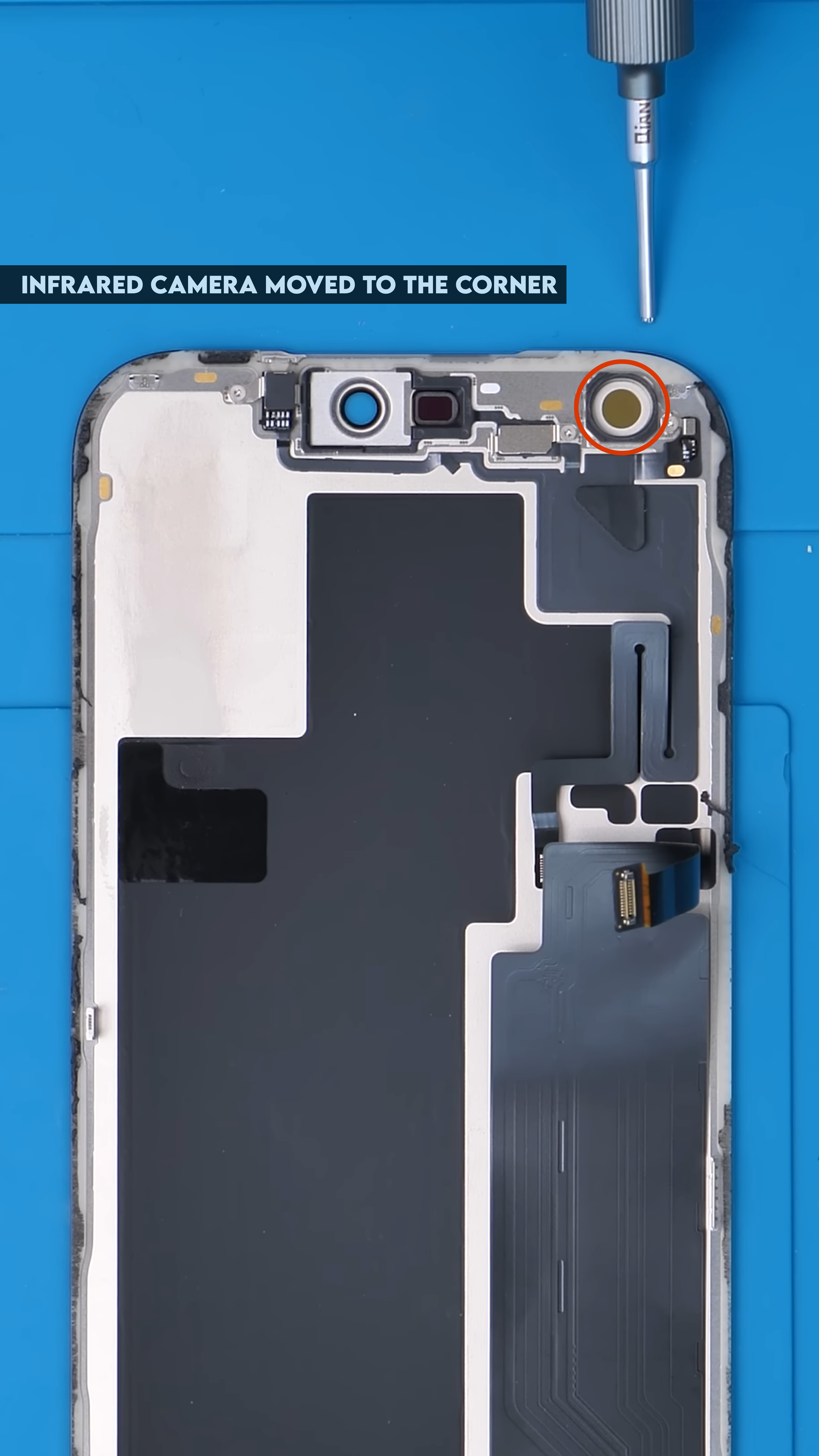
That means there is no longer a dedicated opening for it to look through. Normally, that is not a problem, but adding a privacy screen protector changes how much light can reach the camera.
|
SMALLER
Dynamic Island design
|
UNDER DISPLAY
Infrared Face ID camera
|
ANGLE DEPENDENT
Privacy glass limits off-angle light
|
Why Privacy Glass Can Cause Problems
Privacy screen protectors are designed to block light from most angles while keeping the screen visible when you look at it straight on. That is what stops someone beside you from easily seeing what is on your screen.
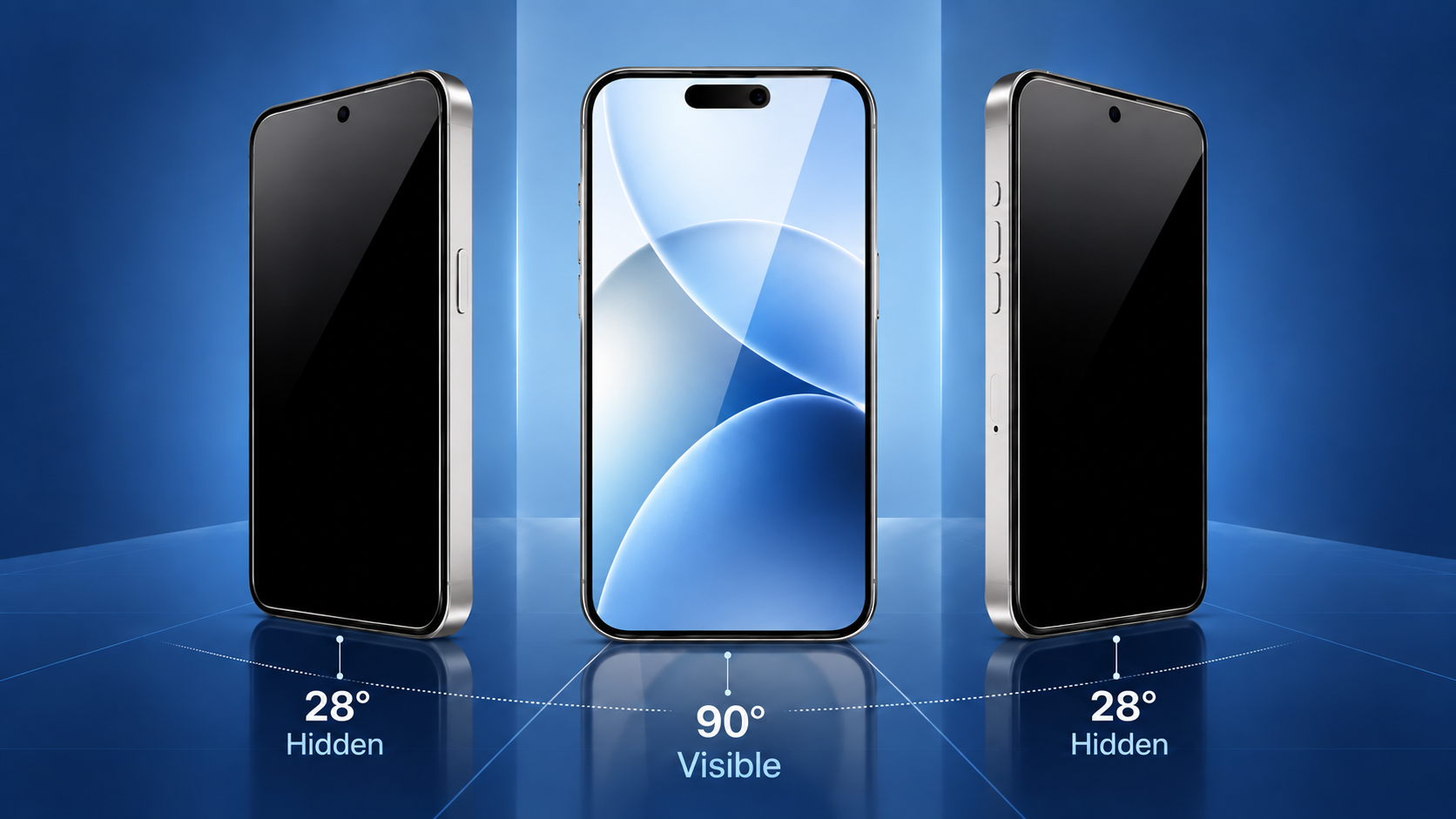
The same effect can also matter for the infrared camera. When you are directly in front of the phone, enough light can still pass through for Face ID to work normally. But once the phone or your face moves farther off-angle, the privacy layer can start blocking more of what the camera needs to see.
So Why Does Face ID Still Work?
Because a privacy screen protector does not necessarily block Face ID completely. If you are looking straight at the phone, it can still work just fine, which is exactly what happened in my test.
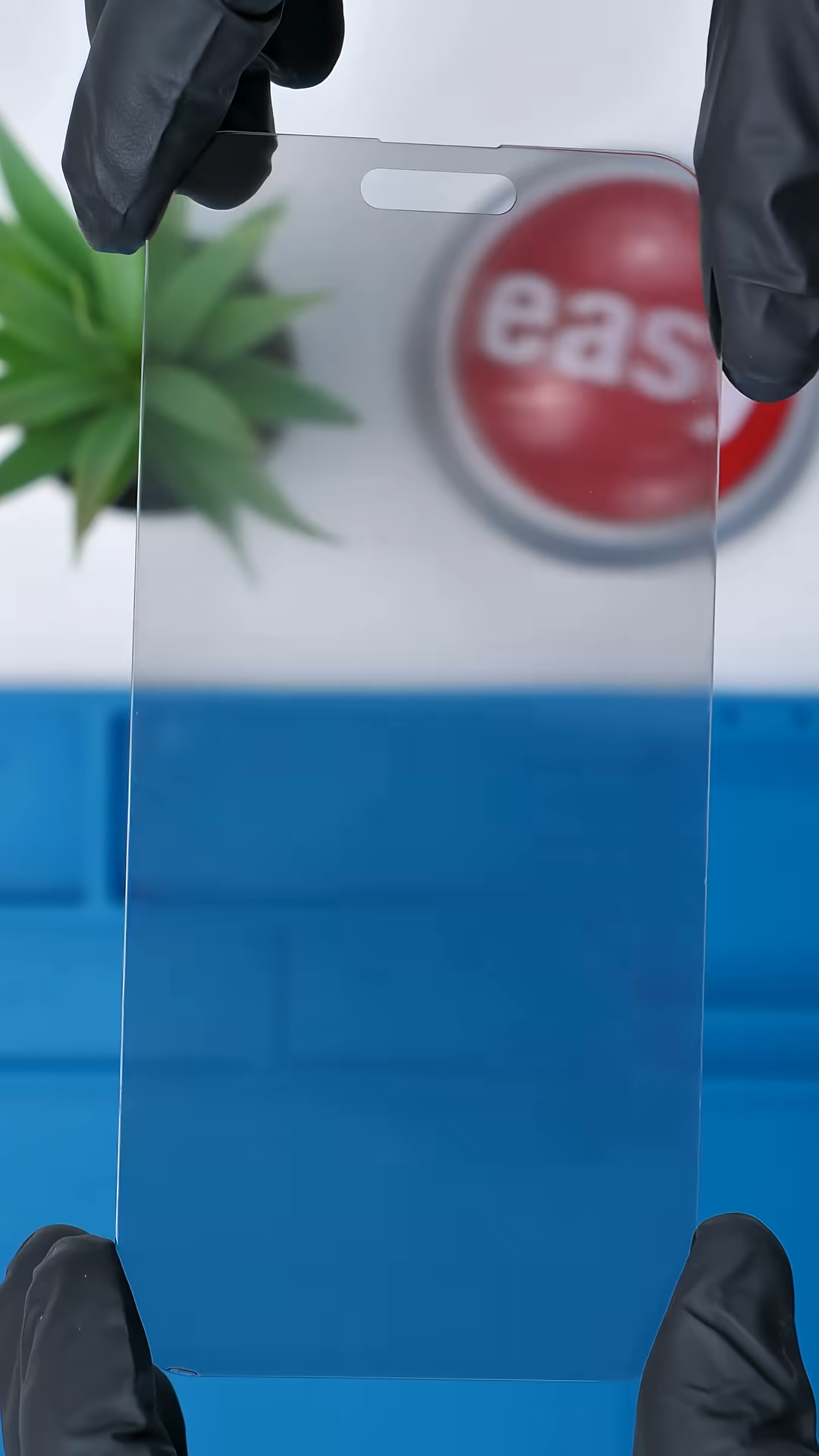
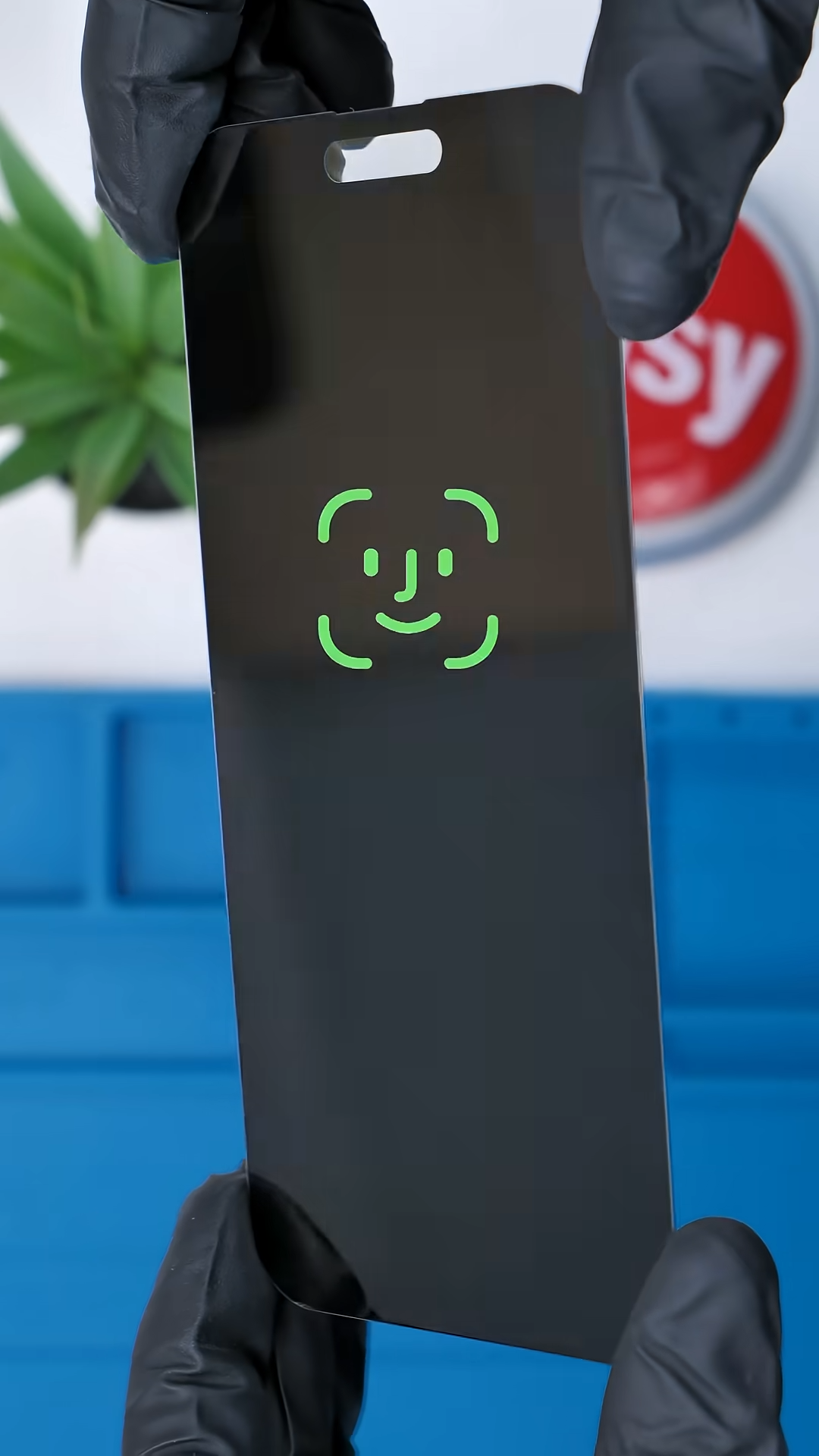
The issue is more about reliability from different angles. Face ID may continue working normally head-on, but become less consistent once you are no longer directly in front of the device.
Final Thoughts
Apple’s warning makes a lot more sense once you know where the infrared camera moved. The privacy protector is not automatically breaking Face ID. It is simply adding another layer in front of a camera that now sits underneath the display.
So yes, Face ID can still work with a privacy screen protector. The catch is that it may only work as well as the angle allows.
See you in the next article!
